REVIEW · INVERNESS
Inverness: Outlander Tour with Whisky Tasting
Book on GetYourGuide →Operated by Storytellertours · Bookable on GetYourGuide
Culloden feels different after this kind of storytelling. This small-group Outlander day trip connects major 18th-century moments with filming locations, then ends with a Tomatin whisky tasting. I like that it moves at a human pace, not a rushed stamp-through-the-highlights day.
Two things I really like: the way Culloden Battlefield is explained with both legend and fact, and the time you get to slow down at the Clava Cairns and standing stone area. You also learn the Highland way of life and how it was shaped by conflict, not just set dressing for photos.
One consideration: the Outlander focus can shift with the season. The Highland Folk Museum is closed Oct to April, so you’ll visit other Outlander-related stops around Beauly, Muir of Ord, and Strathpeffer instead of Newtonmore, which can make the filming-site lineup feel different.
In This Review
- Key points before you go
- Why Culloden plus Clava Cairns works so well from Inverness
- Meeting point, group size, and the pace that keeps it comfortable
- Gordon-style storytelling: the difference between seeing sites and understanding them
- Clootie Well and Clava Cairns: old tradition and deep time
- Culloden Clootie Well
- Clava Cairns and standing stones
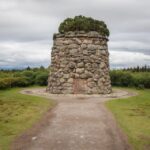
- Culloden Battlefield: where the day’s tone changes
- Tomatin Distillery whisky tasting: a warm reset after history
- Ruthven Barracks and the Highland Folk Museum (or its seasonal replacement)
- Important seasonal reality: museum closed Oct to April
- Outlander focus: how to decide if this tour matches your expectations
- Price and value: what $271 buys you in the Highlands
- Who should book this day trip from Inverness
- Should you book the Inverness Outlander tour with Tomatin whisky tasting?
- FAQ
- Where do I meet for the Inverness Outlander tour?
- How long is the tour?
- What whisky tasting is included?
- Does the Highland Folk Museum run year-round?
- Is this tour suitable for children or mobility needs?
- What should I bring, and what rules do I need to follow?
Key points before you go
- Small group (max 7) means more questions and less shouting over a bus tour soundtrack
- Culloden Battlefield gets context: why this place mattered and what changed afterward
- Clava Cairns is more than scenery; it’s a 2,000–6,000-year-old burial ritual landscape
- Clootie Well adds a living-tradition stop at the start of the day
- Tomatin Distillery whisky tasting breaks up the history with something hands-on
- Seasonal swap: Highland Folk Museum closed Oct–April, with alternate Outlander sites visited
Why Culloden plus Clava Cairns works so well from Inverness
If you’re heading into the Scottish Highlands, you probably already expect dramatic scenery. What makes this day trip click is that it pairs that scenery with time. You go from living superstition and tradition at a clootie well, to a prehistoric burial site at Clava Cairns, and then to the end of the Highland way of life at Culloden.
Start at Culloden Clootie Well, a place tied to an old practice where people leave cloth strips and make wishes. It’s the kind of stop that helps you understand why “tradition” isn’t just a museum word. Even if you don’t buy into the origin story, you’ll feel the continuity: people still do strange, personal things in a modern world.
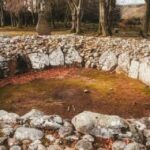
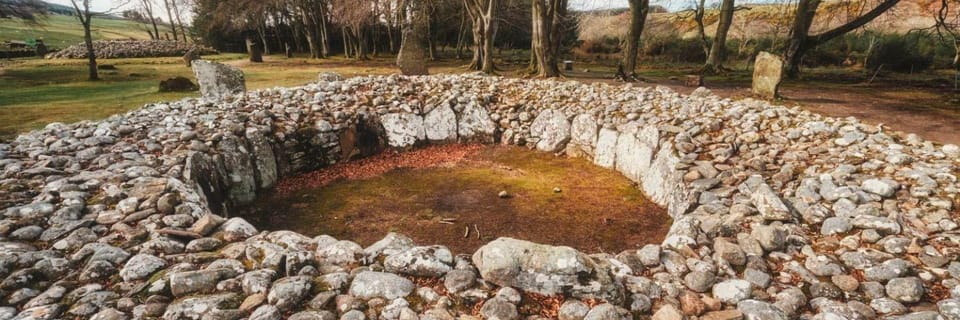
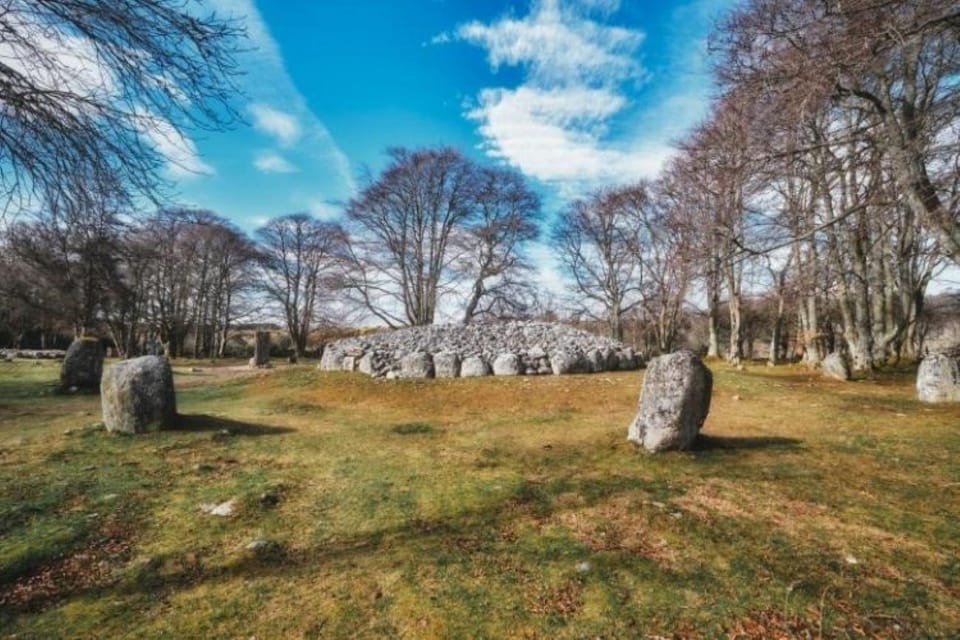
Then you get to Clava Cairns, a site that’s essentially a timeline made of stone. The burial cairns and the standing stone circles date back roughly 2,000 to 6,000 years, so the scale can be hard to hold in your head. I like that your guide frames it as something ceremonial—reverence for the dead—rather than a random collection of rocks. If you enjoy archaeology that has atmosphere, this stop does that job.
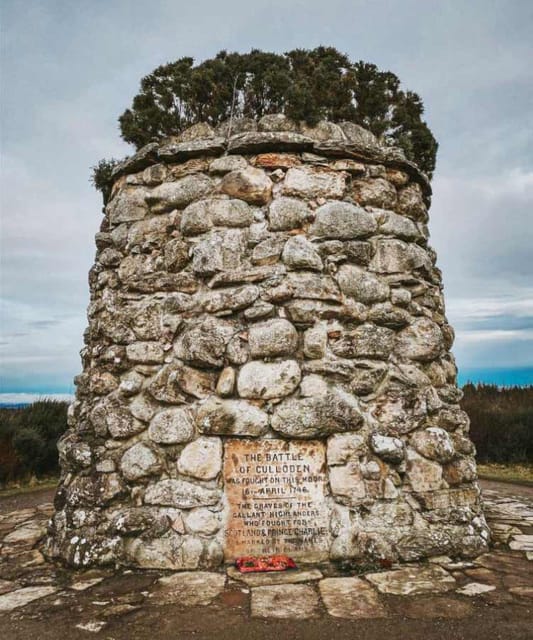
By the time you reach Culloden Battlefield, those earlier moments matter. It’s not just a battlefield photo. You’re there to understand what happened, and why it marked the end of an era for the Highlands.
You can also read our reviews of more tours and experiences in Inverness.
Meeting point, group size, and the pace that keeps it comfortable
This is an 8-hour tour with a small group limited to 7 people. That size is a big deal in the Highlands. Less time waiting, fewer people needing repeated instructions, and more flexibility when the guide sees a moment worth stopping for.
You meet outside Highland House of Fraser Kilt and Dressmakers at 4-9 Huntly Street, Inverness (north side of the bridge). The tour runs in English with a live guide, so you can ask questions as you go instead of waiting until a bus pull-over.
Bring comfortable walking shoes and warm clothing. Even in good weather, the Highlands can cut through layers. You’ll also want water and your camera; you’re going to be outside and moving more than you might think for an 8-hour day.
The practical upside of the pace: you don’t have to sprint between stops to feel like you got your money’s worth. You do need to be ready for some walking, though. This isn’t designed for wheelchair users or people with mobility impairments, and it’s not suitable for children under 5.
Gordon-style storytelling: the difference between seeing sites and understanding them
In many history tours, you get a quick talk, a quick photo, and then you’re off. What makes this one feel different is the way the guide connects sites to stories.
The guide’s name shows up in multiple bookings as Gordon, and he’s praised for making places like Culloden feel real. That comes from two skills: frequent context stops and story pacing that mixes facts with legend. You get the details that help you picture the people who lived through it, not just the dates.
You’ll also notice something helpful: the tour can adapt to your interests. If you want more Outlander filming-location chatter, you’ll get it. If you’d rather focus more on Scottish history and the meaning behind sites, the guide adjusts. That flexibility matters because the tour title can make people assume you’ll spend every minute hunting filming spots.
One more small detail that shows up in feedback: Gordon may wear traditional Scottish dress, which makes the day feel more like a guided experience than a generic sightseeing route.
Clootie Well and Clava Cairns: old tradition and deep time
Your morning is built around two different kinds of connection to the past.
Culloden Clootie Well
This stop is short but memorable. It’s the kind of tradition that still shows up in daily life even when the original reasons are fuzzy. You’ll learn why people leave offerings of cloth and how the practice survived—so you can see the Highlands as a living culture, not a set built for tourists.
Clava Cairns and standing stones
Next comes Clava Cairns, and this is one of the best stops on the route if you love ancient sites that feel spiritual. You’re looking at a burial landscape that spans centuries—from 2,000 to 6,000 years—and there are associated standing stone circles. Your guide explains how these stones and cairns likely fit ceremonial practice.
The key for your planning: this stop rewards slower looking. You’ll get more out of it if you’re willing to stand still, absorb the scale, and take a few minutes away from the camera.
Culloden Battlefield: where the day’s tone changes
At Culloden Battlefield, the atmosphere shifts. This is the site of the last great battle and the end of the Highland way of life. That framing matters, because it tells you what you’re really supposed to think about while you walk the grounds.
You’ll likely spend more time here than you expect, because it’s the anchor stop of the emotional story. The guide’s job is to translate the geography of the battlefield into human stakes. That’s where the legend-and-fact style can help. You start thinking less like a visitor and more like someone trying to understand consequences.
If you only do one history stop in the Highlands, Culloden is often the one. The difference on this tour is that it’s not handled like trivia. It’s handled like a turning point.
Tomatin Distillery whisky tasting: a warm reset after history
After the battlefield, you drive to Tomatin Distillery for a whisky tasting. This is one of the best “energy management” moves in the whole day. History can make you tired in a mental way, and tasting gives you a sensory break.
The tour includes the whisky tasting as part of the experience. Meals and drinks are not included, so if you’re a person who likes to eat between stops, you’ll want to plan for that with your own schedule or ask the guide for realistic advice about timing during the drive.
One note for expectations: the tasting is still part of a full-day tour. You’re not going to turn this into a long distillery lunch. It’s enough to sample and learn, then get moving again.
Also remember the rules: smoking is not allowed, and alcoholic drinks aren’t allowed in the vehicle.
Ruthven Barracks and the Highland Folk Museum (or its seasonal replacement)
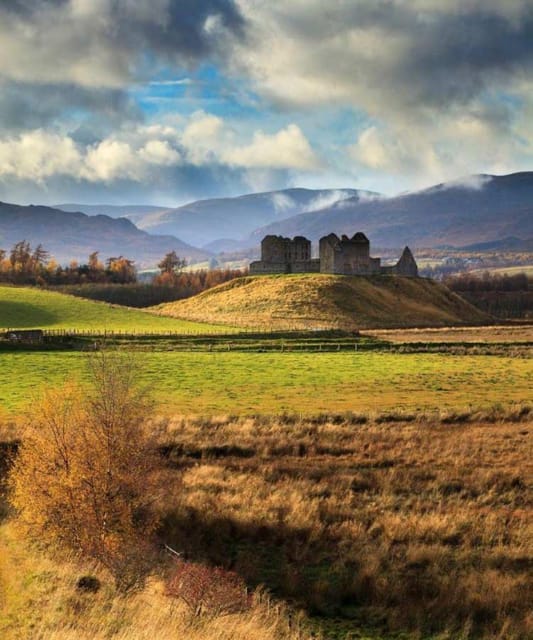
You’ll then head toward Kingussie to visit Ruthven Barracks. This stop adds another layer to the story—because barracks connect the battlefield story to the aftereffects. It’s easier to understand what came next when you see how the forces and structures were shaped on the ground.
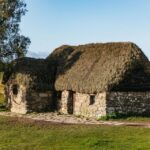
Then you reach the Highland Folk Museum at Newtonmore. This museum is described as a time walk from the 1740s to the 1960s, and it’s tied to Outlander filming locations. If the museum is open when you go, this is one of the easiest ways to connect story themes to real cultural change across centuries.
Important seasonal reality: museum closed Oct to April
From October to April, the Highland Folk Museum is closed. When that happens, the tour visits other Outlander sites in Beauly, Muir of Ord, and Strathpeffer instead.
This doesn’t mean you lose the day—it means the Outlander feel may shift. If Newtonmore filming locations are a top priority for you, it’s worth checking the month you’re traveling. If your main goal is Scottish history plus whisky with some Outlander flavor on the side, the seasonal swap won’t bother you much.
Outlander focus: how to decide if this tour matches your expectations
The name Outlander is the lure, but the structure matters.
This experience is built around major Scottish-history locations first—Culloden, Clava Cairns, and related context—then it adds Outlander-linked stops. That’s why the reviews you’ll hear tend to split into two groups: people who love the history and people who came mainly for filming sites.
If you care most about set locations and recognizable scenes, you might wish for more time inside filming-specific areas. There’s a simple way to manage that: treat the Outlander side as context that helps you visualize the story world, not as the entire day’s mission.
If you care most about understanding the Highlands—what happened, what it changed, and why people kept traditions alive—this tour is a strong fit. You’ll still see Outlander filming locations, but you’re not stuck inside that box.
Price and value: what $271 buys you in the Highlands
At $271 per person, this isn’t a budget hop-on hop-off tour. But it also isn’t a big-bus grind, and you’re not just paying for driving from stop to stop.
The value comes from several things bundled together:
- Small group size (max 7), which keeps the day personal
- A live guide for the full 8 hours, with story pacing and frequent stops
- Visits to major sites: Culloden Battlefield, Clava Cairns, plus Ruthven Barracks
- A guided whisky tasting at Tomatin Distillery included in the experience
Meals aren’t included, so you’ll spend a bit separately if you get hungry. But the overall structure avoids paying extra for separate tickets to a distillery tasting and an in-depth history guide. In practice, it can work out like a single-ticket day that avoids multiple bookings.
If you’re traveling solo and can’t find a comparable small-group option with both history stops and a distillery tasting, the price starts to look more reasonable. If you’re purely after a filming-site scavenger hunt and don’t care about Culloden-level history, you could feel the price more than you need to.
Who should book this day trip from Inverness

This tour is a great match if you:
- Want a history-heavy day with Outlander connections rather than a purely cinematic route
- Like guides who explain meaning, not just dates
- Prefer small groups and flexible conversation
- Enjoy whisky and don’t mind that it’s a stop, not a full half-day detour
It may not be the best fit if you:
- Need wheelchair-accessibility or mobility support (this one isn’t designed for it)
- Travel with very young kids (it’s not suitable for children under 5)
- Can’t handle cold weather and short walking stretches between stops
- Expect a full day dedicated only to filming locations and specific Outlander sets (the day’s center of gravity is Culloden and the Highland story)
Should you book the Inverness Outlander tour with Tomatin whisky tasting?
I’d book it if you want the Highlands explained in plain language, with a guide who can make Culloden feel like more than a monument. The combo of Culloden, Clava Cairns, and a Tomatin whisky tasting gives you a satisfying arc: tradition, deep time, a major turning point, then a relaxing sensory finish.
I wouldn’t book it if your only goal is seeing as many recognizable Outlander film spots as possible with maximum time at those locations. In particular, if you’re traveling between Oct and April, the Highland Folk Museum will be closed and the Outlander filming-location lineup changes. In that case, check that the alternate sites still sound appealing to you.
If you’re on the fence: tell the guide what you care about when you’re there, and lean into the history side. That’s where this day trip earns its strong reputation for value and storytelling.
FAQ
Where do I meet for the Inverness Outlander tour?
You meet outside Highland House of Fraser Kilt and Dressmakers at 4-9 Huntly Street, Inverness (on the north side of the bridge).
How long is the tour?
The tour lasts 8 hours. Starting times depend on availability, so you’ll want to check the schedule for your date.
What whisky tasting is included?
The tour includes a whisky tasting at Tomatin Distillery.
Does the Highland Folk Museum run year-round?
No. The Highland Folk Museum at Newtonmore is closed from October to April. When it’s closed, the tour visits other Outlander-related sites in Beauly, Muir of Ord, and Strathpeffer.
Is this tour suitable for children or mobility needs?
It’s not suitable for children under 5 years. It also isn’t suitable for wheelchair users or people with mobility impairments.
What should I bring, and what rules do I need to follow?
Bring comfortable walking shoes, warm clothing, a camera, and water. Smoking isn’t allowed, and you can’t bring alcoholic drinks in the vehicle. Meals and drinks are not included.