
REVIEW · DUNDEE
Skip-the-Line: Botanic Garden Entry Ticket
Book on Viator →Operated by University of Dundee Botanic Gardens · Bookable on Viator
Skip the line, stroll the science. Dundee Botanic Garden is an easy, relaxing way to spend a couple hours in Dundee without hunting for tickets at the door. I love the quick entry that lets you get walking fast, and I love the garden’s 27 acres of temperate plants arranged like real-life plant communities. One thing to factor in: the garden’s last entry time changes by season, so plan to arrive early enough for your date.
This is a skip-the-line entry ticket you can handle on your phone, priced low enough to feel like a smart side-trip. It’s also the kind of place that works at your pace: wander, pause, and snack at the café when you feel like it. Do it on a calm weekday if you can, and keep an eye on posted opening times.
In This Review
- Key things I found most useful
- Dundee Botanic Garden: a 27-acre walk built for curiosity
- Skip-the-line entry with a phone ticket: how to make it painless
- What you’ll do during the garden walk (and what to look for)
- Greenhouses and glass houses: worth the detour, even if smaller than expected
- The café and tearoom break: warm food keeps the mood right
- Maps, labels, and quirky extras like fairy doors
- Price and value: why $6.89 often feels like a bargain
- Timing tips for a smooth visit (especially with seasonal hours)
- Who this ticket suits best
- Should you book this skip-the-line ticket?
- FAQ
- What does the ticket include?
- How much does it cost?
- How long should I plan to spend at the garden?
- What are the opening hours and last entry times?
- Do I need a print ticket?
- Is it worth booking ahead?
- Can I bring a service animal?
- Are there days when the garden is closed?
- What happens if the weather is poor?
Key things I found most useful

- Skip-the-line entry saves your first hour from ticket-counter friction, especially if you arrive right on opening.
- 27 acres of temperate plants arranged in geographic planting zones makes repeat visits feel different.
- Greenhouses and seasonal color are worth timing your visit for, even though the hothouse experience can feel smaller than you expect.
- Family-friendly extras like a play area (and other quirky features) turn a garden walk into a proper outing.
- Labels aren’t always complete, but numbered trees and plant information help you chase curiosity.
- Mobile tickets are convenient, but you’ll want a saved copy in case your message is hard to find at the entrance.
Dundee Botanic Garden: a 27-acre walk built for curiosity
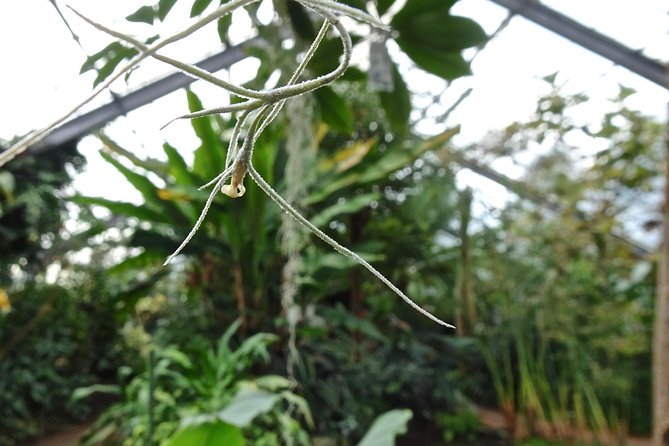
Dundee Botanic Garden sprawls across 27 acres, and that space matters. You do not feel crowded, even when there are families about, because the garden is set up for walking between themed areas. It’s not just a collection of pretty plants. The layout groups plants into geographic planting sections that relate to how plant communities show up in the wild.
That “organized wandering” is why this works well as a self-guided visit. You can take a simple route if you’re short on time, or you can slow down and read your way through zones, especially if you’re the type who likes noticing leaf shapes, bark textures, and seasonal changes. And in Dundee, the seasons feel real here—so even if the main showpiece color is not at peak bloom, you’ll still find interesting structure.
If you like practical variety, the garden also offers multiple “modes”: calm benches for a breather, areas to spot wildlife, and indoor time in the glass houses. It’s one of those places where you can do a quiet adult visit or bring kids without the day turning into a compromise.
You can also read our reviews of more tours and experiences in Dundee.



Skip-the-line entry with a phone ticket: how to make it painless

The whole point of booking ahead is simple: you want to save time at entry. With this ticket type, you get a pre-booked admission slot without standing in a long queue when you arrive. It’s priced as a low-friction way to visit, and for many people it becomes a “just go today” plan.
Because your ticket is delivered as a mobile ticket, I strongly recommend handling your phone like it’s a paper ticket. When you get your confirmation, save it somewhere easy (not buried under notifications). If you ever struggle to find the original message at the gate, a quick screenshot can save you a lot of stress.
Also, watch the seasonal timing. The garden is open daily from 10:00am, but last entry is earlier than you might guess. In the warmer months, last entry runs at 2:30pm (March–October), while in the winter season it shifts to 3:30pm (November–February). Plan to arrive with enough daylight left in your schedule, especially if you’re going to linger in the greenhouses and stop for lunch.
What you’ll do during the garden walk (and what to look for)
Most visits feel like a relaxed circuit. You step into the garden, pick a direction, and move from one planting zone to another at your own speed. The time you spend depends on how much you pause—some people move through in about two hours, while others take longer because there’s always another path and another bench.
Here are the “good to know” parts that shape the experience:
- Wildlife spotting and outdoor play: Families often have an easier time keeping kids interested here. There’s a wooden play area plus spots where kids can roam and look for animals or interesting details. Even toddlers tend to stay occupied longer than you’d expect.
- Scent and seasonal gardens: If you catch a scented garden section at the right time, it’s a fun moment for kids and adults. It also adds variety beyond just leaf and flower watching.
- Quiet reflection areas: The garden has plenty of seating, so you’re not stuck moving continuously. This matters if you’re traveling with elders, or if you just want a slower day.
- Airport views: One fun surprise is how you can get views toward Dundee Airport from inside the grounds. It’s a reminder you’re in a real working city, not a remote theme park.
The big win is flexibility. This isn’t a rigid guided route. You can choose a short loop if you’re on a tight schedule, or you can build a longer wander if you have time after lunch.
Greenhouses and glass houses: worth the detour, even if smaller than expected
A lot of people plan their garden day around the indoor spaces. The garden includes glass houses/hothouse areas, and they tend to be where the temperature shift becomes a nice break—especially on changeable Scottish weather.
What to expect: you’ll see exotic plant collections inside, including plants people often describe as impressive, with cacti called out more than once. In the autumn, even late in the season, there can still be flashes of color inside.
One drawback to keep in mind: the indoor sections can feel smaller than some visitors expect, so don’t build your entire day around a long greenhouse circuit. If you want a high-impact visit, aim to go when you still have time to circle back outdoors afterward.
Also, if you’re using the on-site map, pay attention. At least one visitor noted the map didn’t make the greenhouses obvious, even though the greenhouses were open. Translation: follow signs and don’t panic if the map and your instincts disagree. In a place this walkable, you can usually sort it out quickly.
The café and tearoom break: warm food keeps the mood right
A garden visit goes better when you can pause for food without leaving the grounds. The on-site tearoom/café is part of the appeal. People consistently describe it as a delight, and one common theme is warmth and helpful staff.
What to order varies by season, but the pattern is clear: you can get comfort-food style options like warming soup and goodies. It’s ideal after you’ve been walking for a while and you want something simple before heading back out.
If you’re traveling with kids, this is also where the visit becomes more “family outing” and less “educational march.” And if you’re traveling solo, it turns the garden into a proper half-day plan rather than a quick photo stop.
Maps, labels, and quirky extras like fairy doors

This garden rewards attention, but it also keeps things a little imperfect in a charming way. Plant labels aren’t everywhere, and some plants aren’t labeled at the individual level while others are. If you want names, look for where labels do exist, and also note that trees are numbered. That means you can focus on the numbered system even if the plant labeling feels inconsistent in parts.
One particularly fun addition is the fairy door trail. It’s designed for families, and it’s meant to encourage you to explore the garden’s unique collections. Here’s the detail that matters: the fairy doors are purposefully not attached to trees, since the garden wants flexibility for future changes. You’ll interact with the trail using a free map and guide you can download from the garden’s website, and the materials are available outside the visitor centre—so you don’t need to pay extra just to do that trail.
If you’re the kind of visitor who wants a lot of signage for every twist and turn, you might find the mapping experience could be improved. But if you’re okay with a bit of wandering (and you like the surprise factor), these quirky extras add a lot.
Price and value: why $6.89 often feels like a bargain
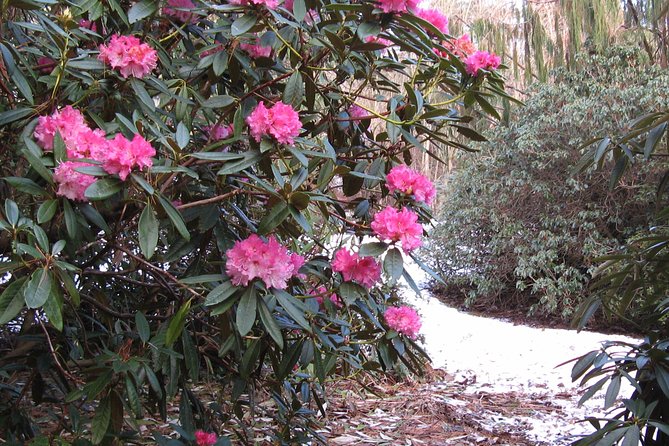
At $6.89 per person, this ticket sits in the “seriously affordable” category for a 27-acre garden. And since the admission is for a self-paced visit, you’re not paying for a scripted experience. You’re paying for access to the grounds during operating hours, with the convenience of a skip-the-line entry.
That’s why the value tends to land well for most people. The garden isn’t just a quick walk past flowers—it’s a real place with seasonal sections, indoor glass areas, and enough seating to make the time feel worth it.
Two value notes to keep things fair and accurate:
- Last entry times matter: if you book and then arrive too late, you won’t get the full experience, even if you have a ticket. A cheap ticket can still feel expensive if it compresses your time.
- Concession rules can change what you pay: essential carers for disabled visitors can enter free, and staff and matriculated university students have free access. If you’re traveling with someone who might qualify, check the rules before you assume the standard price is the full story.
The bottom line: if you’re planning a garden day in Dundee, this ticket feels like a smart way to keep costs low while still getting a full outdoor-and-indoor outing.
Timing tips for a smooth visit (especially with seasonal hours)
The garden runs on daily schedules, but the “when should I arrive” question is the one that truly impacts your day. You’ll see that opening is 10:00am, and last entry shifts by season. In March–October, last entry is 2:30pm. In November–February, last entry is 3:30pm.
That means you should treat this as a half-day plan, not an open-ended hangout. If you’re aiming for a relaxed two hours with café time and a greenhouse stop, I’d plan to arrive in the first half of the opening window.
Also note the seasonal closures: the garden is closed on Christmas Day, Boxing Day, and the first two days of January. If you’re visiting around New Year, double-check the exact operating dates because those are the ones explicitly listed.
Finally, weather matters. The experience requires good weather, and if it’s canceled due to poor conditions, you’ll be offered a different date or a full refund. In practical terms: bring layers and expect Scotland to do its thing.
Who this ticket suits best
This is a good fit if you want a low-cost plan that works for different trip styles:
- Families with young kids: play areas and discovery-friendly wandering make it less stressful than many “only adults will enjoy this” spots.
- Solo walkers: it’s easy to slow down and focus on sections at your pace, with seating throughout.
- Couples and friends: it’s quiet enough for conversation and scenic enough for photos, without feeling like a chore.
- People who hate ticket lines: pre-booking is the point here, and it reduces first-arrival friction.
A small but important operational note: while the goal is skip-the-line entry, the front desk is staffed by people and volunteers. During busy times (and in periods when operations are impacted), you may still need a bit of patience if staff capacity is tight. Your best strategy is to arrive with your ticket ready and give yourself a small buffer.
Should you book this skip-the-line ticket?
Yes—if you want a straightforward way to spend a couple hours in Dundee with minimal hassle. At $6.89, it’s hard to beat for access to a real 27-acre botanical garden, plus the convenience of a mobile skip-the-line ticket.
Skip the temptation to squeeze this into a rushed stop. The garden’s last entry time is the main thing that can trip you up. If you arrive early enough, you get the best of what matters: themed outdoor zones, occasional wildlife spotting, indoor greenhouse time, and a café break that keeps the day comfortable.
If you’re unsure, use this rule: if you’re planning to visit anyway and you don’t want a queue moment, booking ahead is the safe call.
FAQ
What does the ticket include?
Your pre-booked entry ticket covers admission to Dundee Botanic Garden so you can explore the grounds at your own pace.
How much does it cost?
The price is listed as $6.89 per person.
How long should I plan to spend at the garden?
The experience duration is approximately 2 hours.
What are the opening hours and last entry times?
The garden is open daily from 10:00am, and last entry depends on the season: 2:30pm from March to October, and 3:30pm from November to February. The published opening window also shows hours of 10:00am to 3:00pm for the current period shown, so check your specific date.
Do I need a print ticket?
No. This experience uses a mobile ticket, and you receive confirmation at the time of booking.
Is it worth booking ahead?
Booking ahead is specifically meant to save time at Dundee Botanic Garden by helping you enter more smoothly instead of handling ticket lines on arrival.
Can I bring a service animal?
Yes. Service animals are allowed.
Are there days when the garden is closed?
Yes. The gardens are closed on Christmas Day, Boxing Day, and the first two days of January.
What happens if the weather is poor?
The experience requires good weather. If it’s canceled due to poor weather, you’ll be offered a different date or a full refund.