
REVIEW · BALLOCH
Loch Lomond: Sea Life Entrance Ticket
Book on GetYourGuide →Operated by Merlin Entertainment (Sea Life) Ltd · Bookable on GetYourGuide
You can see sharks and otters in one circuit. Sea Life Loch Lomond packs 1,500+ creatures into a one-day visit, with hands-on moments and native Scottish loch life.
Two things I like a lot are the otter family (Lily, Pickle, and Cub) and the chance to get up close to big characters like blacktip reef sharks. One heads-up: it can feel short for the price if you’re expecting a long day.
If you’re traveling with kids, this place is built for attention spans. You’ll move through tunnels, tanks, and themed bays—plus daily talks and creature feeding (check times on arrival). The main trade-off is that food and drinks aren’t included, so plan on budgeting a bit beyond the ticket.
In This Review
- Key Things You’ll Notice at Sea Life Loch Lomond
- Ticket Value in Plain English: What $19 Gets You
- Getting Oriented: How the Route Works in a One-Day Visit
- Interactive Rock Pool: Touch Starfish (and Learn by Doing)
- Lair of Claws: Predator Feel Without the Jump Scares
- Otter Family: Lily, Pickle, and Cub Steal the Show
- Tropical Ocean Tunnel: A Change of Pace
- Deep Loch Tank and Native Species: Scotland’s Own Water World
- Big-Bellied Seahorses: The “Tiny Giant” Moment
- Bay of Rays: Cow Nose Rays in Scotland
- Big Ocean Tank: Blacktip Reef Sharks Up Close
- Daily Talks and Creature Feeding: How to Build Your Best Timing
- What to Bring and What to Skip
- Is It Worth Going? A Book-or-Pass Guide
- FAQ
- How many creatures can I see?
- Are daily talks and creature feeding included?
- Can I touch animals?
- Is flash photography allowed?
- Are there age rules for children?
- Is the ticket refundable?
Key Things You’ll Notice at Sea Life Loch Lomond
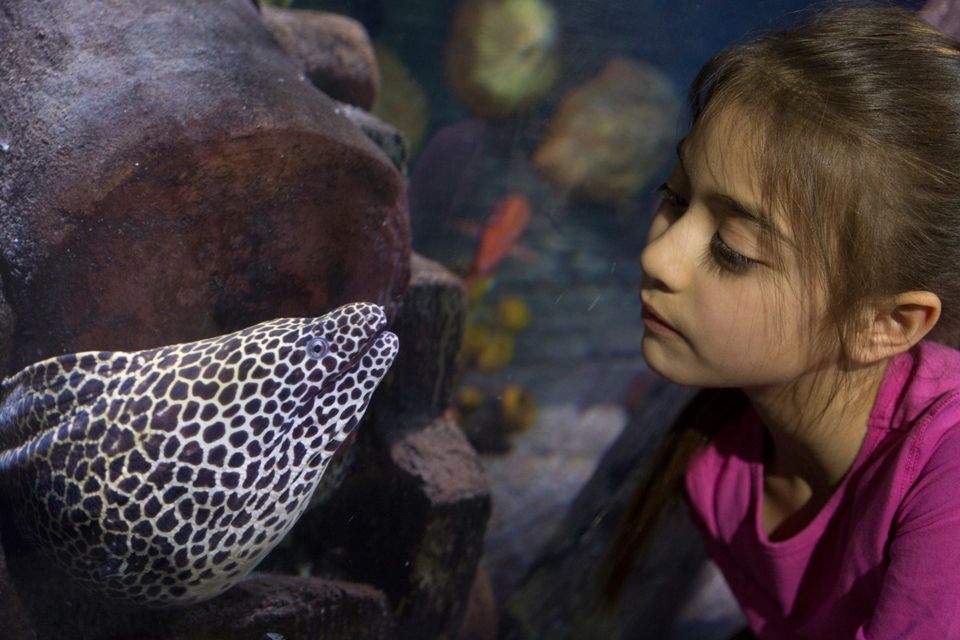
- 1,500+ creatures in a tight visit that works well when you only have one day
- Otter feeding with Lily, Pickle, and Cub, the moment many people remember
- Interactive rock pool where you can touch starfish and other sea life
- Lair of Claws for predator-themed viewing, including sharks and other sea bed creatures
- The native loch tank experience, including UK species like shark and rays
- Cow nose rays in Scotland at the rays bay, plus big-bellied seahorses
Ticket Value in Plain English: What $19 Gets You
For about $19 per person, this is one of the easier “one-stop” aquarium buys you’ll find around Loch Lomond. You’re paying for access to a full route of exhibits plus scheduled in-house moments—daily talks and timed creature feeding.
Here’s the honest value test: if your goal is variety and up-close animal time, the ticket makes sense. You get sea creatures from multiple habitats, including tropical-style tanks and a native loch setup. If your goal is a slow, half-day-plus aquarium stroll with endless depth, you may feel it moves faster than you want. One short comment sums up a common feeling: the visit can seem brief for the price. Still, the high points—especially otter feeding—tend to land well.
Also plan for what’s not included. Food and drinks aren’t part of the ticket, so bring a snack strategy (or budget for purchases on-site). That alone can turn a “cheap ticket” into a more average day cost once you add drinks and treats.
You can also read our reviews of more tours and experiences in Balloch.

Getting Oriented: How the Route Works in a One-Day Visit
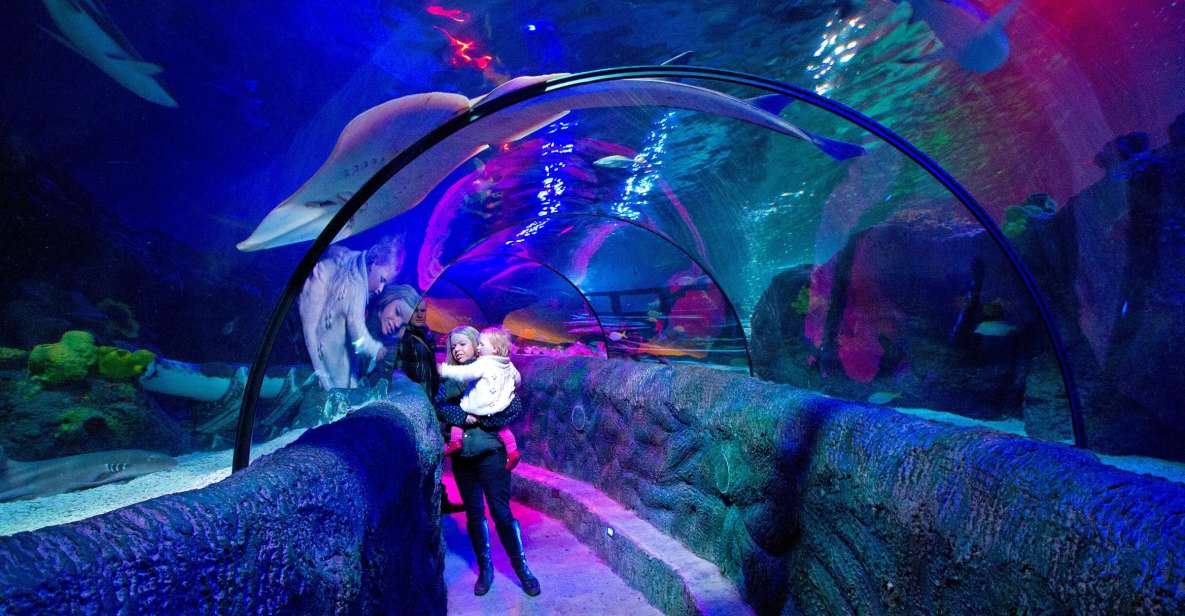
Sea Life Loch Lomond is designed as a guided-by-signs loop. You’ll be walking through themed spaces rather than hopping between far-flung areas. Since your time is limited to a one-day ticket, you’ll want to start smart.
A useful tip from the practical side of the visitor plan: the aquarium is generally quieter at the beginning of the day and late afternoon. If you hate crowding (especially around popular tanks), aim for an early session or a later one. That improves your viewing and gives you breathing room for the hands-on parts.
One more time-related thing: feeding moments are included, but you must check timings on arrival. That means you can’t fully plan your day minutes-by-minute without seeing the schedule first. Build flexibility into your plan.
Interactive Rock Pool: Touch Starfish (and Learn by Doing)
The most “kid magnet” zone in the whole experience is the interactive rock pool. This is where the aquarium shifts from looking to participating.
You can get up close to over 1,500 creatures in the broader visit, but the rock pool is your chance to physically connect with sea life—specifically including starfish. It’s also where you can touch other creatures in the interactive area, so it’s not just a one-off photo moment. For families, this kind of hands-on learning beats reading about animals.
Practical note: there’s no mention of flash photography being allowed—so assume you’ll need to keep your camera flash off. That’s common in aquarium rules and also helps keep animals calmer.
This section is especially valuable because it gives you a simple way to compare animals. You’ll see different shapes and textures, and you’ll notice how the aquarium labels the species. Even without a ton of reading, the act of touching makes it stick.
Lair of Claws: Predator Feel Without the Jump Scares
If you like your exhibits themed, Lair of Claws is built around the sea-bed predators angle. The highlight here is meeting some of the most feared predators on the sea bed—an intentional contrast to the cuter, softer parts of the aquarium.
This zone matters because it teaches you a key aquarium lesson: “scary” animals usually need space, stability, and the right habitat. Even if you’re squeamish, seeing them in a controlled display helps you understand their place in the ecosystem.
Expect a predator-focused atmosphere. The aquarium’s messaging is about understanding rather than frightening. You’ll likely spend more time than you think here simply because the exhibit is designed to pull you in.
Otter Family: Lily, Pickle, and Cub Steal the Show
The otters are one of the best reasons to go. The aquarium introduces a playful family: Lily, Pickle, and Cub.
If you only remember one thing from your visit, make it this. Otters are active, curious, and usually hard to “fake.” They also tend to draw a crowd right around feeding or talk times, which means you’ll want to plan your viewing with at least a little patience.
One of the strongest signals from visitor feedback is that people genuinely appreciated the otter feeding. That fits the reality of the animal behavior: otters don’t sit still, and feeding turns watching into something more than a slideshow.
So how do you maximize this? Arrive with enough time to find your preferred spot when the scheduled feeding or talk starts. Then linger. The best otter moments often happen after the first quick look—when they start playing around their area.
Tropical Ocean Tunnel: A Change of Pace
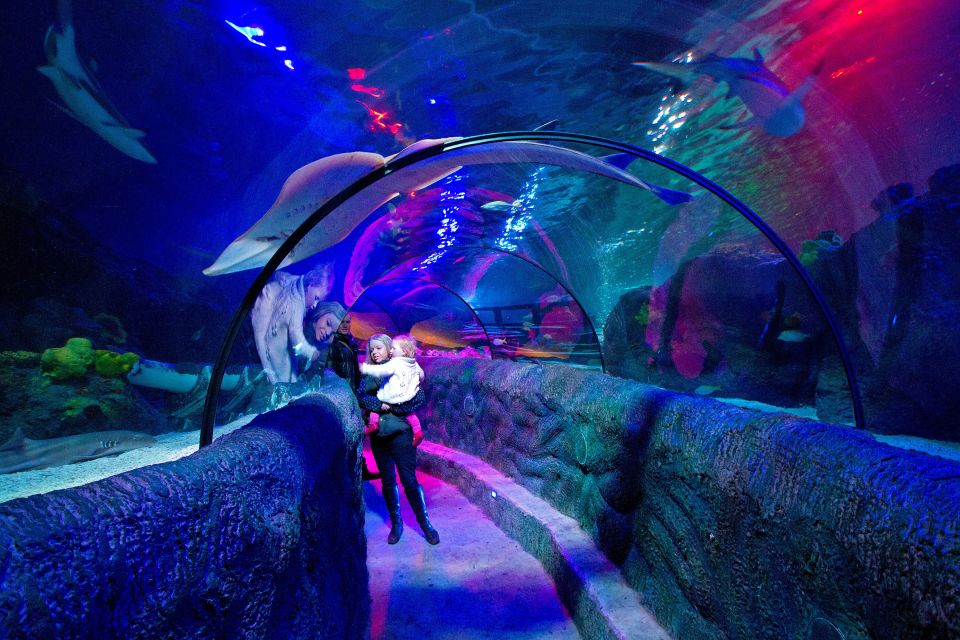
After the rock pool and predator zone, you’ll move into a different visual mood: the tropical ocean tunnel.
Tunnels do two things well. First, they keep you moving without making the route feel like a list of rooms. Second, they create that “you’re inside it” feeling, which matters if you’re traveling with kids or anyone who gets bored waiting at exhibits.
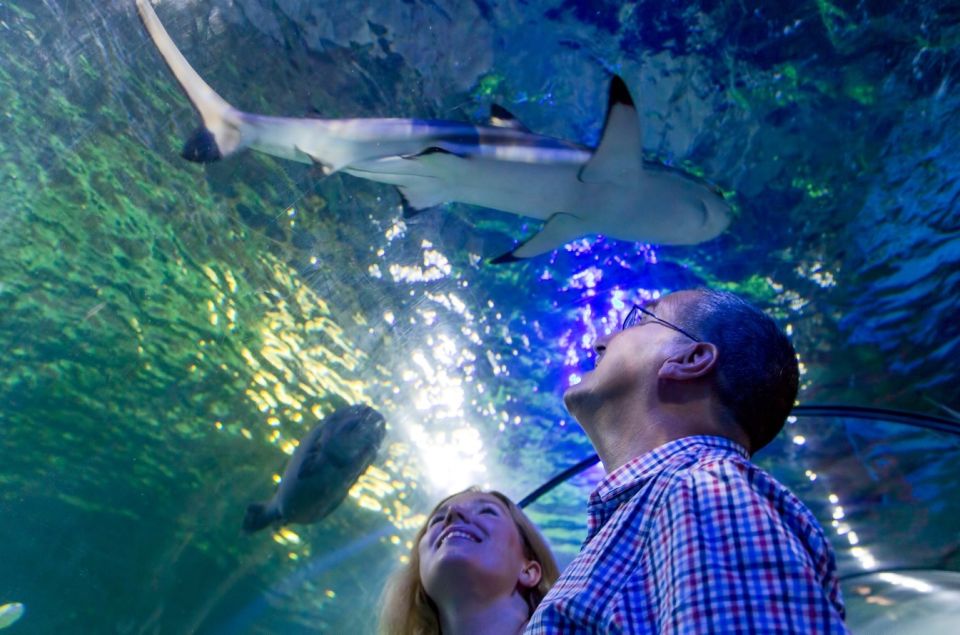
This part of the visit is where you come face-to-face with blacktip sharks and other sea creatures. It’s also where the aquarium leans into the spectacle. You get more of a layered view rather than just looking into a tank from one spot.
You’ll get the most from this zone by simply slowing down. Let your eyes adjust to the water colors and then read the signage as you see the animals. The whole point is to connect what you’re seeing with what the labels explain.
Deep Loch Tank and Native Species: Scotland’s Own Water World
One of the most interesting shifts in the aquarium is the move toward Scotland’s native waters. The deep loch tank opened in March 2016, and it’s built around UK species you can actually find in native loch environments.
This section is valuable for two reasons.
First, it’s not just another tropical shark exhibit. You’ll see creatures framed as part of a Scottish ecosystem.
Second, it gives you a sense of conservation and local natural history without turning it into a lecture.
You’ll also look out for rare albino dogfish. If you catch them, it feels like a bonus. If you don’t, you’re still seeing the core idea: native species and realistic loch-style habitats.
Also mentioned here: the tank is home to native species of sharks and rays that can be found in UK waters. That makes the experience feel grounded rather than purely theatrical.
Big-Bellied Seahorses: The “Tiny Giant” Moment
Seahorses are one of those creatures people think they already understand—until they see details up close. Here you’ll meet the big-bellied seahorse, noted for one of the world’s largest seahorse species.
The description includes a fun, specific detail: the long, curly tail helps them grip. They can reach up to 30 centimeters in length. That size alone is worth remembering because many visitors picture smaller seahorses.
This exhibit is a good stop when you’re ready to switch from fast-moving predators to calm observation. You can slow down, watch body shape and movement, and let the information on the signs do its job.
Bay of Rays: Cow Nose Rays in Scotland
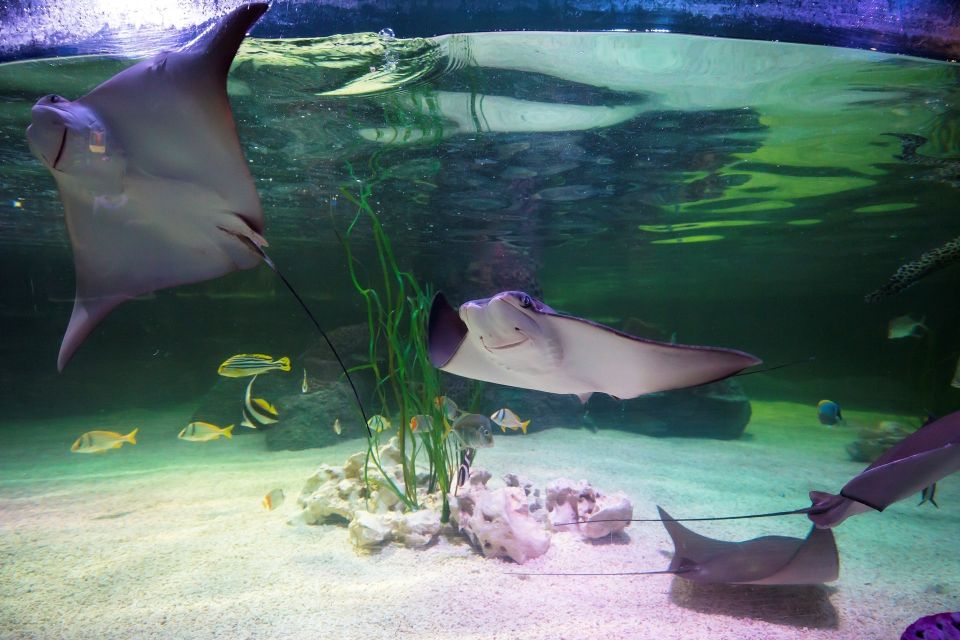
Next up is the bay of rays, highlighted by the fact that the only cow nose rays in Scotland are found here. That alone makes it a “don’t miss” area if you like seeing something genuinely location-specific.
Rays can look similar at first glance, but the bay layout and labeling help you notice differences in body shape and movement. Even if you’re not a marine biology fan, this is one of those parts where you can feel the value of the aquarium format: animals you can’t normally spot in Scotland are presented in a way that’s easy to compare.
If you’re traveling with kids, rays are also a good mental break from sharks. They feel gentler visually, and they tend to glide in a way that’s satisfying to watch.
Big Ocean Tank: Blacktip Reef Sharks Up Close
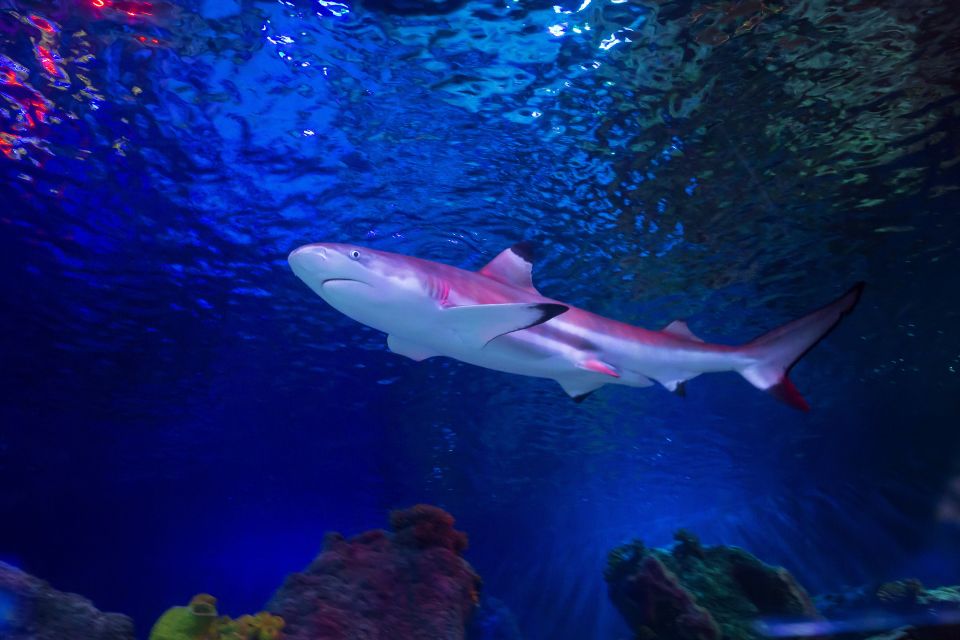
The final big “main character” area is the big ocean tank, featuring blacktip reef sharks. These are described as popular sharks in tropical coral reefs of the Indian and Pacific Oceans, and specifically noted for their preference for shallow, inshore waters.
This matters because it helps you connect the animal to habitat. It’s not just seeing a shark-shaped graphic behind glass. You’re learning why the shark type appears where it does in the real world.
One practical tip: give yourself extra time here. Main tanks usually have higher interest, so even if the rest of the aquarium feels calm, you might run into a viewing crowd around the biggest viewing area.
Daily Talks and Creature Feeding: How to Build Your Best Timing
Two features are included: daily talks and creature feeding. The key is that feeding times aren’t listed in advance here—so you should check the schedule on arrival.
Why this matters: feeding changes animal behavior. It also changes your viewing options. If you catch the feeding, you often see more movement, more activity, and more of the “real” behavior that makes aquariums worth visiting.
If you want the smoothest day, do this:
- arrive with enough time to settle in
- check feeding talk times
- let those moments anchor your day, not the other way around
What to Bring and What to Skip
Food and drinks aren’t included, so plan on bringing what helps you keep energy steady. For a one-day aquarium visit, you’ll probably want simple basics: water, a snack, and something to keep kids comfortable between exhibits.
Also note the rule about flash photography. Keep your camera set accordingly. It’s the kind of detail that saves you from awkward moments later.
And if you’re traveling with younger kids: unaccompanied minors aren’t allowed, and children under 16 must be accompanied by an adult. The aquarium is wheelchair accessible, and carers for guests with disabilities can enter free of charge, but you’ll want to check the attraction’s facilities page for the most accurate setup.
Is It Worth Going? A Book-or-Pass Guide
Book it if:
- you want a one-day attraction around Loch Lomond that works for families
- you’re most excited by hands-on interaction like the rock pool and touching starfish
- you care about animal show-and-tell moments like otter feeding and scheduled talks
- you like variety: native Scottish loch species plus more tropical-style displays
Consider passing or adjusting expectations if:
- you think you’ll need a long, slow day with lots of quiet wandering
- you’re picky about value and hate paying for exhibits that feel short
- you’re mainly after food, drinks, or guided extras; those aren’t included here
For most people, the sweet spot is clear: it’s a high-interest day designed to keep you moving, seeing, and (in the rock pool) doing. The price won’t feel outrageous if you focus on the included moments and build your visit around the feeding and talk schedule.
FAQ
How many creatures can I see?
You can expect to see over 1,500 creatures during your visit.
Are daily talks and creature feeding included?
Yes. Both are included, but you should check the creature feeding timings on arrival.
Can I touch animals?
Yes. The interactive rock pool includes the chance to touch starfish and other creatures.
Is flash photography allowed?
No. Flash photography isn’t allowed.
Are there age rules for children?
Unaccompanied minors aren’t allowed, and children under 16 must be accompanied by an adult. Infants aged 3 years and under enter for free, but a ticket should still be reserved.
Is the ticket refundable?
Yes. You can cancel up to 24 hours in advance for a full refund.