REVIEW · KYLE OF LOCHALSH
Scottish Highlands: Isle of Skye Glass-Bottom Boat Tour
Book on GetYourGuide →Operated by Seaprobe Atlantis Ltd · Bookable on GetYourGuide
Skye’s sea views are better from below. This 2-hour cruise on the Seaprobe Atlantis semi-submersible glass-bottom boat lets you watch marine life through a sheltered underwater viewing gallery while also cruising past Skye’s dramatic coast. I like that you get real-world wildlife time—seals and seabirds above the waves—then switch to close-up underwater viewing without getting wet. One thing to note: you can’t control wildlife sightings, and downstairs audio can be harder to follow when the weather or boat movement is a factor.
In This Review
- Key points at a glance
- The Seaprobe Atlantis experience: dry comfort plus glass-bottom magic
- Price and value: is $47 per person a fair deal?
- Getting to the meeting point near Kyle: plan for the traffic lights
- The 2-hour rhythm: what the cruise feels like from start to finish
- Seal Island and the bird colony: wildlife watching without the strain
- Kelp forests and jellyfish through the glass: the underwater part that actually delivers
- A quick audio note for downstairs viewing
- HMS Port Napier shipwreck: WWII story without the risk
- Skye Bridge views: the scenery bonus you don’t want to rush
- The guide and captain factor: why the talk feels personal
- Comfort, weather, and wildlife odds: set yourself up for a good day
- Dogs and downstairs rules
- Wheelchair access reality
- Who should book the Seaprobe Atlantis glass-bottom tour
- Should you book this Skye glass-bottom cruise?
Key points at a glance
- Seaprobe Atlantis semi-submersible design keeps you sheltered and stable, so the ride is comfortable for more people
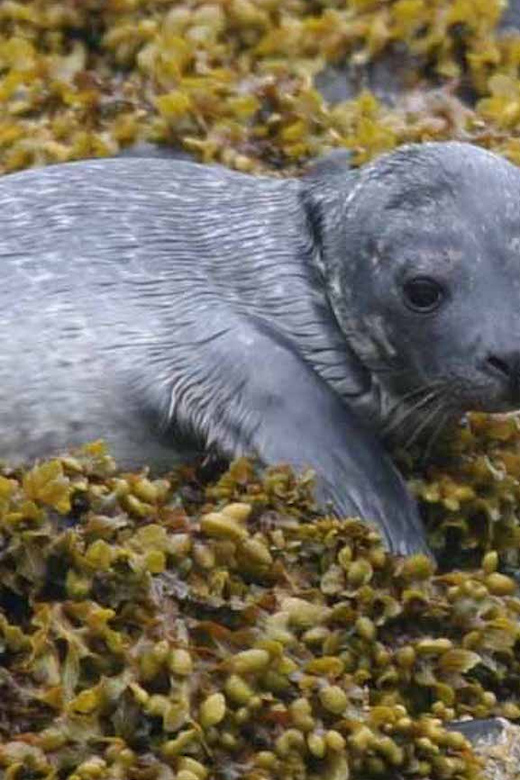
- Seal Island + a protected bird colony give you wildlife time above the water before you head underwater
- Kelp forests and summer jellyfish make the glass-bottom section feel like a living aquarium
- WWII wreck: HMS Port Napier is the most story-driven stop, and it’s viewed safely from the boat
- Skye Bridge cruise ties everything together with big coastal scenery as you head out and back
- Guides like Jeremy and skippers like Michael tend to make the talk feel personal and practical
The Seaprobe Atlantis experience: dry comfort plus glass-bottom magic
There’s a big difference between looking at the sea from a dock and seeing what’s happening under it. On this tour, you’re in the UK’s only semi-submersible glass-bottom boat, and the whole point is to keep you dry while still giving you serious underwater views. The boat’s design matters here: it’s built to be stable, and it’s sheltered enough that cruises usually keep going even when conditions aren’t perfect.
I really like the two-part feel. First, you scan the waterline for wildlife—seals and seabirds. Then you shift to the underwater viewing gallery and suddenly the trip stops being just about scenery and turns into marine-life watching. You’ll see creatures like fish, jellyfish, starfish, urchins, crabs, and anemones, plus more, depending on what’s in the area that day.
One practical consideration: if your goal is guaranteed wildlife, set expectations gently. Seals are seen on most trips, but seal behavior varies. Also, the underwater gallery is not wheelchair accessible, even though the boat itself is wheelchair friendly.
You can also read our reviews of more tours and experiences in Kyle Of Lochalsh.
Price and value: is $47 per person a fair deal?
At about $47 per person for a 2-hour outing, this isn’t the cheapest thing you’ll do in the Highlands—but it also isn’t priced like a private charter. What makes the value make sense is the package: you get a guided boat cruise, a proper underwater viewing setup, and planned stops that include both marine life and a shipwreck.
You’re paying for access and time. Getting close to seals from the shore can be hit-or-miss, and many boats won’t show you kelp forests and seabed life in the same way. Here, the glass-bottom viewing is built into the experience—so even if conditions are choppy, you’re still in a viewing setup designed for it.
If you’re doing this as part of a Skye day, it also tends to feel “efficient.” Two hours is long enough to get multiple viewing moments, but short enough to keep your day flexible for other spots in Skye and Lochalsh.
Getting to the meeting point near Kyle: plan for the traffic lights
Most people base themselves around Kyle of Lochalsh for this one, and the directions are straightforward once you know the anchor point. The ticket office, gift shop, and cafe are located 8 miles after Eilean Donan Castle when you’re heading toward Skye. It’s at the first set of traffic lights, and you’ll park in the nearby car park.
If you’re crossing over the Skye Bridge from Skye to Kyle, you’ll go to the ticket office at the second set of traffic lights after you cross.
Coming from the Armadale ferry side: follow the road to Broadford, keep going until the crossroads (about 14 miles), turn right toward Kyle of Lochalsh, cross the bridge, then turn right at the second set of traffic lights.
Tip: build in a little extra time. This area can feel busy around peak summer, and you don’t want to arrive stressed when boarding is supposed to feel easy.
The 2-hour rhythm: what the cruise feels like from start to finish
This is a tight, well-paced outing. You’re not stuck on the boat forever, but you also aren’t rushing through the interesting bits.
A typical flow looks like this:
- You cruise out and start under/along the Skye Bridge area, soaking up the big coastal scenery.
- Then you move into the wildlife-focused portion—this is when you’ll often see seals and bird activity.
- After that comes the signature underwater portion through the underwater viewing gallery, where the kelp forests and sea creatures are the star.
- The stop that adds a clear sense of place is the WWII shipwreck site: HMS Port Napier, viewed from the boat rather than from the water.
What makes the timing work is that the trip alternates between “above water” and “below water.” That keeps it interesting for families and for adults who just want a good mix of views and facts.
Seal Island and the bird colony: wildlife watching without the strain
Watching seals in the wild is one of those things that either happens quickly—or you wait a while and learn patience. Here, the tour is set up to maximize your chances by heading to Seal Island and also visiting a protected bird colony.
From a practical standpoint, I like this approach because it gives you two kinds of wildlife targets in one segment: mammals at the waterline, and birds in the protected area. That means the trip doesn’t rely on one animal showing up to feel worthwhile.
One caution to keep your expectations grounded: seal sightings depend on behavior and outside factors. But on most trips, seals do appear. If you’re traveling with kids, you’ll probably appreciate that the crew is used to pointing things out quickly so everyone can latch onto what’s happening.
Kelp forests and jellyfish through the glass: the underwater part that actually delivers
This is the heart of the tour. The underwater viewing gallery is set up for comfortable viewing, with full head height and seating that doesn’t feel like a squeeze. The visibility is all-around from the viewing area, and you’re not leaning over railings like on many boats.
The underwater habitat you’ll likely pass through is described as a Marine Special Area of Conservation, and that’s not just marketing language. When you see kelp forests on the glass-bottom section, the whole ocean changes from “open water” into something busy and structured—plants, drifting life, and animals that use the kelp like home.
You might also see summer jellyfish, plus a range of seafloor and mid-water life such as:
- starfish
- urchins
- crabs
- anemones
- and more fish and small creatures as they show up
Small reality check: underwater viewing is visual, and it works best when you stay patient and keep shifting your attention as the boat moves. Don’t expect one long static moment. The most rewarding viewing tends to come from watching the boat’s path and noticing changes in what comes into view.
A quick audio note for downstairs viewing
If you care about hearing every word, consider this: sound in the downstairs area can be harder to understand. Some visitors have said the narration is not always easy to catch below, so you might focus on the visuals when you’re in the underwater gallery.
HMS Port Napier shipwreck: WWII story without the risk
The cruise includes a major historical stop: the WWII shipwreck HMS Port Napier. This adds something most wildlife boat trips don’t have—an actual story anchor tied to a specific site.
The value here is twofold:
- You’re viewing the wreck in a safe, controlled way from the boat, with the glass-bottom setup doing the heavy lifting for close-looking.
- The guided talk can connect what you’re seeing now with what happened there during the war era, which helps the wreck feel more than just a name.
Even if you’re not a WWII buff, a wreck tends to make people pay attention. It turns “interesting scenery” into “I can picture what happened here,” especially when the guide explains what the wreck is and why it matters to the local sea.
Skye Bridge views: the scenery bonus you don’t want to rush
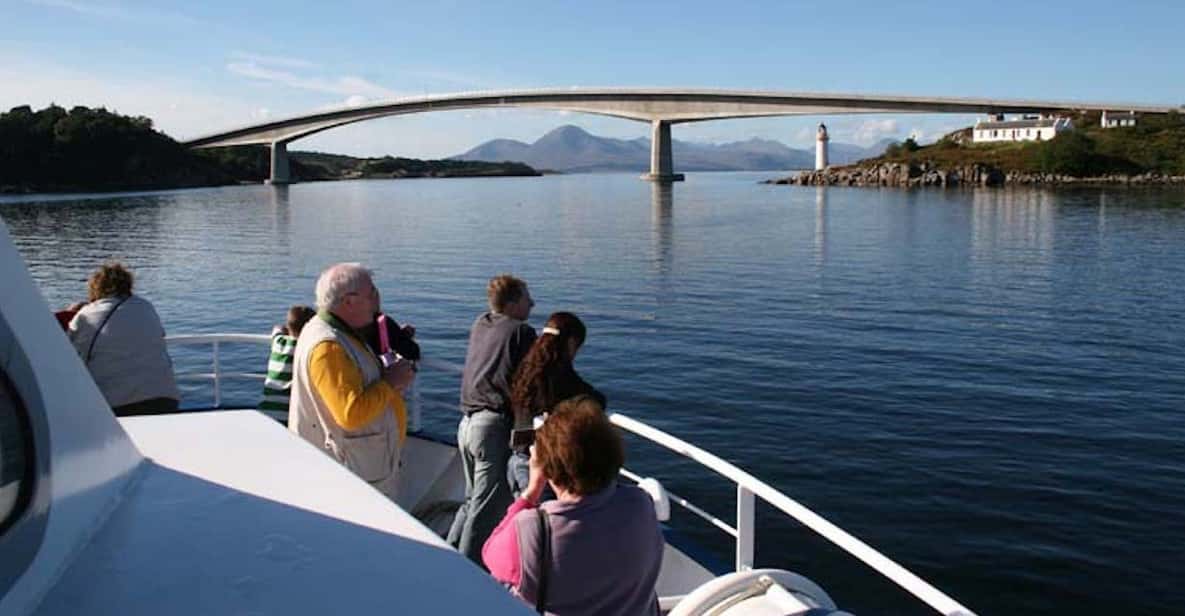
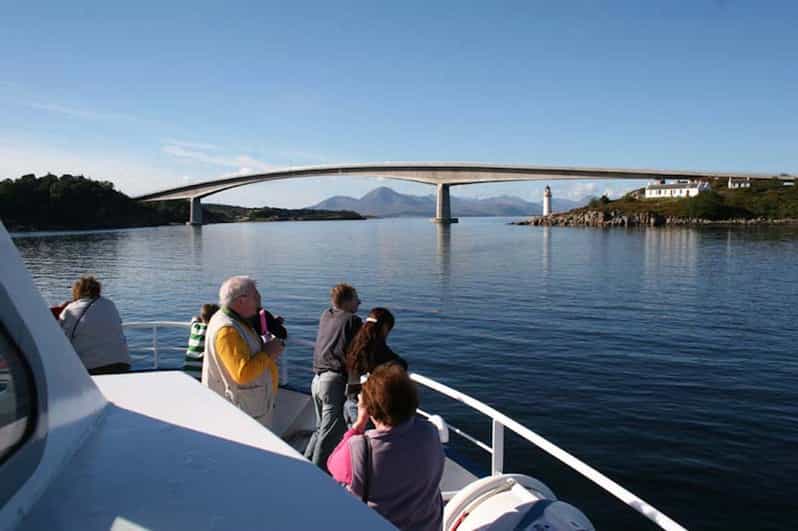
You’ll cruise out under the Skye Bridge as part of the route. This matters because the tour isn’t only about marine life; it also gives you the classic Skye-and-Lochalsh coastal perspective.
I’d treat this as your “reset” moment. Step up, look around, take photos if you like, and then get ready for the wildlife and underwater sections. It’s also a nice way to break up the tour so it doesn’t feel like one long focus block.
If weather affects visibility, the bridge and coastline views can still give you something satisfying, even when wildlife sightings are lighter that day.
The guide and captain factor: why the talk feels personal
This kind of tour lives or dies by communication. The best part isn’t just seeing creatures—it’s understanding what you’re seeing and where you are. The guides here seem to take that seriously, and the crew often bring local detail into the onboard chat.
I’ve seen multiple mentions of guides such as Jeremy delivering informative, friendly explanations, and skippers like Michael making extra effort to find wildlife. That’s a real difference. A good guide helps you notice stuff you’d otherwise miss—small movements, what to look for in kelp, and why a particular section of water matters.
There are also little moments that make the trip memorable, like the guide hooking a jellyfish out of the water for a child to hold (not stinging). That kind of interaction is fun, and it also makes the ocean feel tangible instead of distant.
Comfort, weather, and wildlife odds: set yourself up for a good day
The boat’s sheltered design usually means weather has less impact on the cruise. Stability is also part of the design story, and it’s meant to be easier on motion than many open-water setups.
But you should still plan like wildlife days are always a mix:
- Seals are seen on most trips, yet behavior can change with conditions.
- Other marine life depends on what’s in season and what the boat happens to track.
- Some sightings, like dolphins, can happen and have been reported, but they’re not guaranteed.
This is why I think the tour works best when you treat it as a nature-and-education cruise, not a checklist hunt.
Dogs and downstairs rules
If you’re bringing a dog, you’ll be able to take them on board, but not downstairs in the underwater viewing gallery. That’s an important practical detail if your plan is to keep everyone together for the underwater viewing.
Wheelchair access reality
The boat is wheelchair accessible, but there’s no wheelchair access to the underwater viewing gallery. If you can take a few assisted steps to board, the wheelchair can then be carried on board. If not, plan for what you can do on the upper deck and where you’ll be able to view.
Who should book the Seaprobe Atlantis glass-bottom tour
This tour fits best if you want:
- a comfortable way to see marine life without getting wet
- clear, guided interpretation of what’s happening underwater
- an activity that works for mixed ages and abilities
It’s especially good if you’re traveling with kids. Between seals above the water and the underwater viewing gallery below, you get two “wow” modes in one trip.
It may be less ideal if:
- you need step-by-step wheelchair access to all viewing areas (the underwater gallery isn’t wheelchair accessible)
- you’re strongly reliant on hearing every word downstairs (sound can be hard to catch there)
- you expect wildlife guarantees—wildlife varies, even on well-run trips
Should you book this Skye glass-bottom cruise?
Yes, I think you should book it if you’re on Skye or Lochalsh and you want one well-run nature activity that gives both above-water wildlife and below-water ocean life in a short, manageable time.
It’s a strong value when you compare what you get: a guided 2-hour cruise, the semi-submersible glass-bottom underwater viewing gallery, and planned stops including Seal Island, a bird colony, and the HMS Port Napier WWII wreck. If your day needs a single “do-this-today” activity, this is one of the best bets.
If you’re unsure, use this rule of thumb: book it if you’d still enjoy the experience even when wildlife sightings are lighter than expected. Skip it if you’re chasing a strict checklist and only want perfect sightings.