REVIEW · ST ANDREWS
Private St Andrews: Home of Golf Old Course Tour
Book on GetYourGuide →Operated by Walking Tours In · Bookable on GetYourGuide
Golf has a hometown, and it is St Andrews. This private Old Course tour is built for golf lovers who want the town’s famous holes explained in plain language, plus the small details you’d miss wandering on your own. You’ll keep the pace friendly and get to linger where it counts.
I love how the guide connects the dots between the R&A World Golf Museum and what you actually see on the Old Course. I also like the practical, must-see photo stop at Swilken Bridge, paired with spots tied to iconic shots like the Sands of Nakajima and Eisenhower on the Old Course.
One possible drawback: it’s only 1.5 hours, so if you want a long museum sit-down or lots of extra wandering, you’ll need to plan extra time on your own. Also, it sells out in summer, so booking early is smart.
In This Review
- Key things that make this tour worth it
- First steps at Martyrs’ Monument, then straight to golf’s engine room
- R&A World Golf Museum: where the rules and power make sense
- St Andrews Ladies’ Putting Club: a smart detour that feels real
- The Old Course experience is short, focused, and built for meaning
- The Links and where the town’s golf winds through everything
- The Sands of Nakajima and Eisenhower: famous shots, explained where they happened
- Swilken Bridge: the photo stop you’ll want to repeat
- Guides matter: what to expect from the people leading the walk
- Price and value: $183 per group up to 4 for a focused St Andrews experience
- Timing tips: when the short duration helps you
- Who this tour fits best (and who might want something else)
- Practical stuff I’d plan before you go
- Should you book Private St Andrews: Home of Golf Old Course Tour?
- FAQ
- How long is the Private St Andrews Home of Golf Old Course Tour?
- How many people can join the private group?
- Where does the tour start?
- Where will we visit during the tour?
- What famous golf-shot locations can you see?
- How will I recognize the guide?
- What language is the tour guide speaking?
- Is there flexibility for meeting points in the city center?
- What should I wear or bring?
- Is the tour suitable for people who are not golfers?
Key things that make this tour worth it
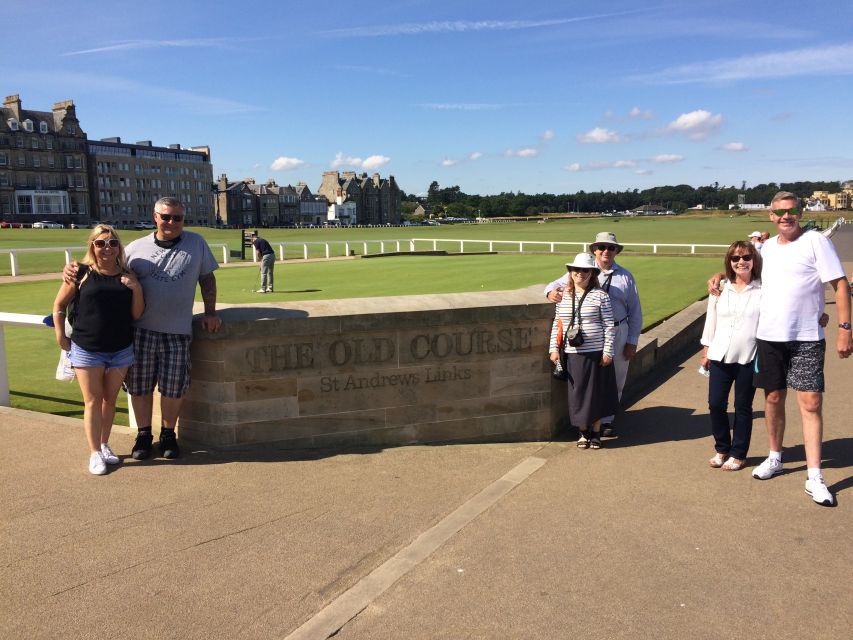
- Swilken Bridge photo moment at the exact place golfers recognize instantly
- Old Course focus on 1st, 17th, and 18th rather than a rushed tour of everything
- Royal and Ancient Golf Museum time so the rules, traditions, and power players make sense
- Insider talk about the politics of golf—the Royal and Ancient world, explained without party bias
- Named-shot landmarks like the Sands of Nakajima and Eisenhower’s Old Course moment
First steps at Martyrs’ Monument, then straight to golf’s engine room
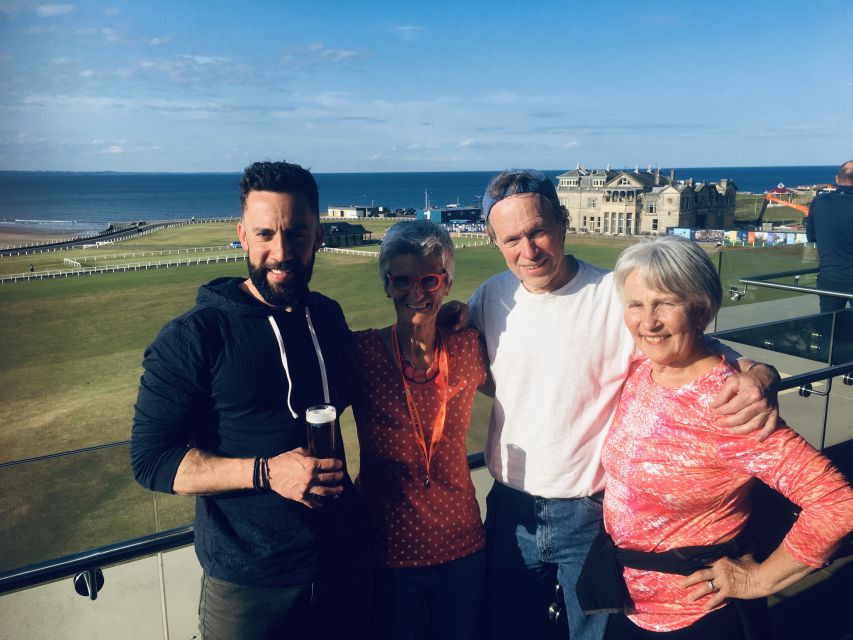
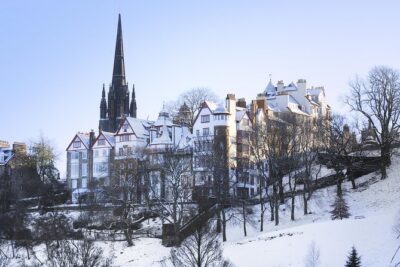
We kick things off at Martyrs’ Monument, which makes it easy to find and helps you feel oriented fast in the center of St Andrews. Your guide wears a bright orange jacket and/or lanyard, so there’s no guessing games or awkward phone-calls.
From there, the tour quickly gets into why St Andrews is different from other golf destinations. It’s not just fairways and souvenirs—it’s governance, tradition, and rivalry, all stacked into a compact town.
You can also read our reviews of more private tours in St Andrews

R&A World Golf Museum: where the rules and power make sense
Next stop is the R&A World Golf Museum, and this is where the tour earns its keep. You’ll learn how the sport’s big institutions shaped what golfers see today, and you’ll get context for why certain arguments and traditions in St Andrews never really go away.
This part is ideal even if you don’t plan to play. The museum angle helps you understand what you’re looking at when you step onto the Old Course—especially if you’ve only heard golf terms in broadcasts or scorecards.
St Andrews Ladies’ Putting Club: a smart detour that feels real
Then you’ll head to the St Andrews Ladies’ Putting Club. It’s a small stop compared to the Old Course, but it gives the town a more human feel, like you’re seeing golf as a living community rather than a single tourist stop.
This is also the kind of place where a great guide shines. People in the reviews mention how their guide took questions seriously and kept a steady, unhurried walking pace, which makes even small stops feel satisfying.
The Old Course experience is short, focused, and built for meaning
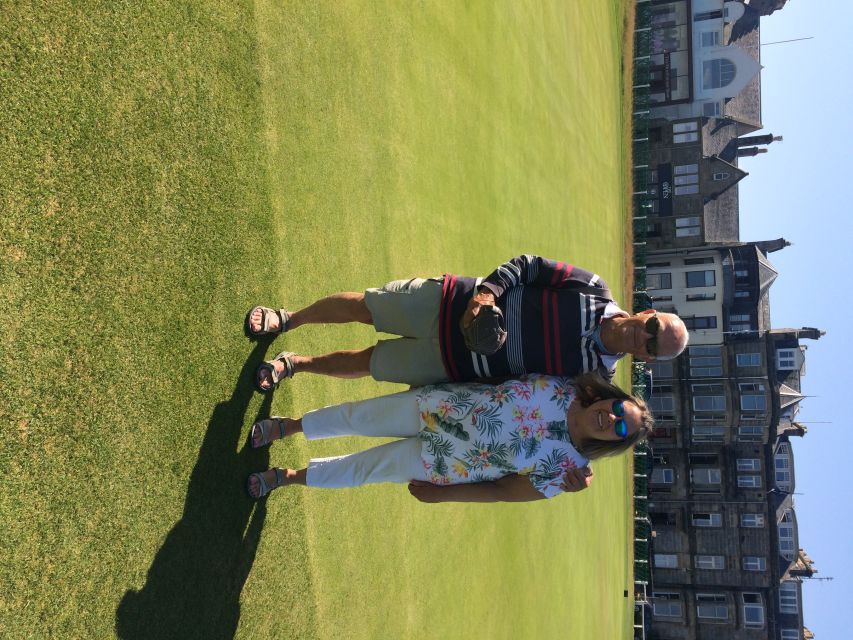
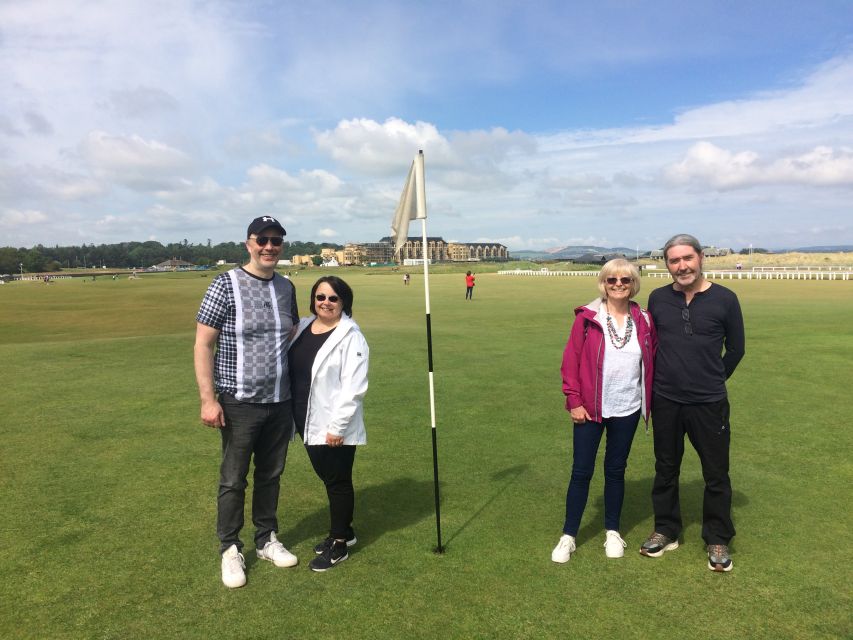
The highlight is the Old Course walk, with your time centered on the 1st tee & fairway, the putting green, plus the 17th green and 18th fairway. That selection matters. Those holes are famous for a reason, and they also show different parts of how the Old Course challenges golfers.
Your guide doesn’t just point and name. You’ll hear explanations that connect the ground you’re standing on to how golf thinking works—strategy, nerves, and why certain shots become legends.
Even if you’re not a golfer, you’ll still get something out of this. The best guides on this tour are the ones who can translate golf culture into everyday language, and the reviews repeatedly mention guides who made it fun for non-golfers too.
The Links and where the town’s golf winds through everything
After the museum and Old Course focus, you’ll move through The Links area for more of the “this is the real St Andrews” feeling. This is where the tour’s short length turns into an advantage. Instead of spreading you thin across the whole town, you see golf’s geography in a way that makes your later photo stops feel earned.
If the weather is gray or breezy (common in Fife), this section can still work well because you’re not trudging for hours. Comfortable shoes still matter, but you shouldn’t need hiking gear.

The Sands of Nakajima and Eisenhower: famous shots, explained where they happened
One of the most memorable parts for golf fans is seeing where some of golf’s most famous shots took place—like The Sands of Nakajima and Eisenhower on the Old Course. These names can feel like trivia until you’re standing near the ground connected to the story.
Your guide’s job here is to help you visualize the pressure and the decision-making behind the moment. The reviews mention guides who share personal anecdotes, and that’s exactly what turns famous-shot lore into something you can actually picture.
Swilken Bridge: the photo stop you’ll want to repeat
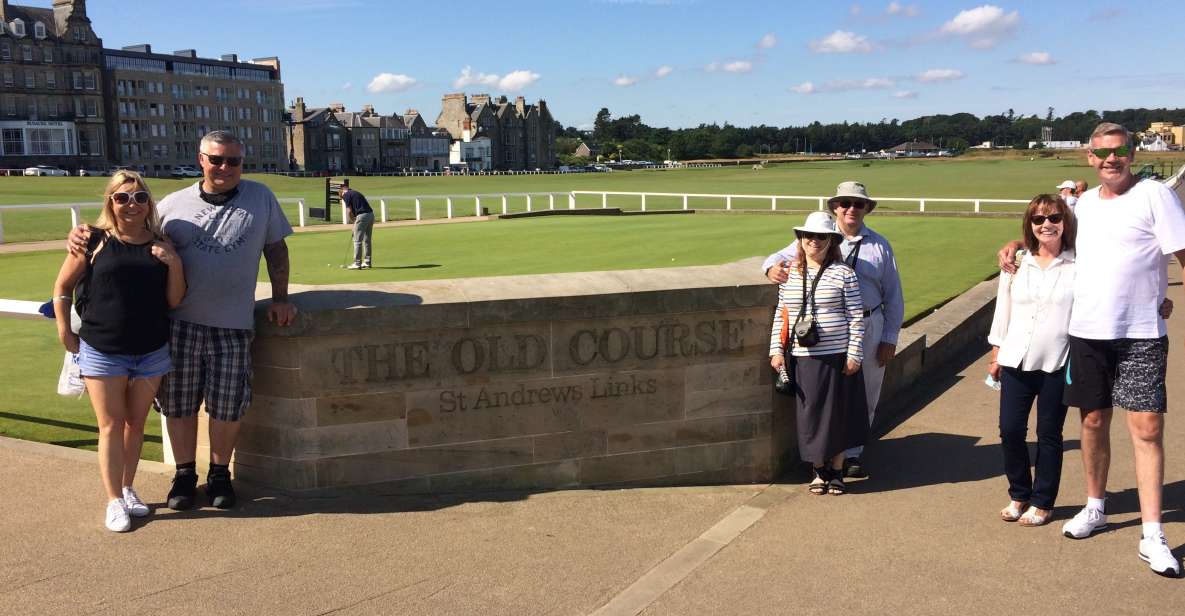
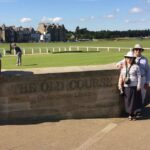
Then comes Swilken Bridge, the stop most people came for and the one you’ll probably want to photograph twice—once for the classic view, and once for the angle that matches what you learned about the Old Course.
The tour is set up so you don’t just snap and move on. Guides take time to line up shots and help you get a good result, which matters because the bridge is popular and the angles can get tricky.
If you care about golf details, this bridge also lands better after you’ve visited the key fairways and greens. You’ll know what you’re looking at, instead of treating it like a random landmark.
Guides matter: what to expect from the people leading the walk
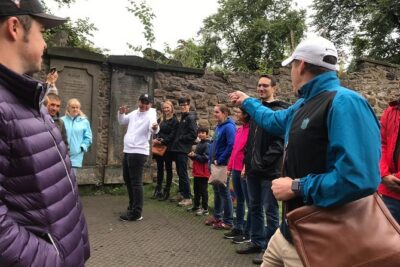
This is a private group format (up to four people), and that’s a huge part of why the reviews are so consistently high. When it’s just your group, your guide can slow down for questions and tailor explanations without feeling like they’re juggling a crowd.
Several guide names show up in the standout feedback—Dave, Andrew, John, James, Sheila, Carol, Richard, and Fredrik. Across those different personalities, the common thread is clear: guides who are friendly, patient, and able to keep non-golfers interested without talking down to golfers.
You’ll likely feel it most during Q&A moments. More than one review notes that guides were happy to answer questions and take time for photos, not just march forward.
Price and value: $183 per group up to 4 for a focused St Andrews experience
At $183 per group (up to 4) for 1.5 hours, this isn’t trying to be cheap. But it also isn’t overpriced for what you get—because the tour is built around access to the right interpretation, not just walking near famous spots.
If you’re a couple, this is often a smart value. You’re splitting the cost while getting a dedicated local expert who can explain the Old Course politics and traditions as you walk through them. If you’re solo, it’s still reasonable if St Andrews is your main stop and you care about golf history more than general sightseeing.
The best value move is simple: use the 1.5 hours to get your bearings and context, then spend your extra time afterward exploring at your pace—shops, pubs, and lingering viewpoints where you feel like stopping.
Timing tips: when the short duration helps you
This tour is designed to pack a lot into a short window, and that can be a win. If you have limited time in St Andrews, you’ll still hit the core landmarks: museum context, key Old Course holes, and the Swilken Bridge photo.
Also, summer demand is real, and the experience can sell out. If your trip overlaps peak golf season, I’d book early so you aren’t gambling with availability.
Who this tour fits best (and who might want something else)
You’ll love this if:
- You’re a golf fan who wants more than surface-level facts about the Old Course
- You want the politics and institutions side of St Andrews, explained plainly
- You have a mix of golfers and non-golfers and want everyone to enjoy the walk
You might want a different option if:
- You want a longer, slower Old Course experience with lots of extra time on fairways
- You’re looking for a big-town highlights tour like a full-day sightseeing loop
The good news is the tour stays reasonably tight and doesn’t require marathon walking, which makes it easier to enjoy even on a windy day.
Practical stuff I’d plan before you go
Wear comfortable shoes. St Andrews can be uneven in places, and you’re walking through classic golf ground and town streets.
Bring weather-appropriate clothing. The tour can run in good weather, but even on cooler days you can still enjoy it because most of the stops are outside and short in duration—so you’re not stuck inside for hours waiting for conditions to improve.
Should you book Private St Andrews: Home of Golf Old Course Tour?
If St Andrews is your golf pilgrimage, I think you should book it. This tour hits the big name landmarks—1st, 17th, 18th, the R&A museum, and Swilken Bridge—but the real value is the way your guide explains what matters and why golfers argue about things the way they do.
It’s also a great choice for mixed interests. Even if you don’t play, a strong guide can make the traditions and stories click fast, and the reviews repeatedly back up that kind of experience.
If you can only spare 1.5 hours in St Andrews, this is one of the best ways to make that time feel like more than a quick photo stop.
FAQ
How long is the Private St Andrews Home of Golf Old Course Tour?
The tour lasts about 1.5 hours.
How many people can join the private group?
It’s priced for a private group up to 4 people.
Where does the tour start?
The starting point is Martyrs’ Monument.
Where will we visit during the tour?
You’ll see the R&A World Golf Museum, the St Andrews Ladies’ Putting Club, and focused areas of the Old Course including the 1st, 17th, and 18th fairway/green points, plus Swilken Bridge.
What famous golf-shot locations can you see?
The tour includes locations tied to well-known golf moments such as The Sands of Nakajima and Eisenhower on the Old Course.
How will I recognize the guide?
The guide will be wearing a bright orange jacket and/or lanyard.
What language is the tour guide speaking?
The tour is conducted in English.
Is there flexibility for meeting points in the city center?
Yes. A different meeting point in the city centre is possible if you message or email the provider directly.
What should I wear or bring?
Bring comfortable shoes and weather-appropriate clothing.
Is the tour suitable for people who are not golfers?
It can be a good fit for non-golfers, since the tour includes golf history and local context along the walking route, not just golf techniques.