REVIEW · ABERDEEN
Aberdeen: Daily City Centre Walking Tour (2pm)
Book on GetYourGuide →Operated by Walking Tours In · Bookable on GetYourGuide
One and a half hours in Aberdeen can feel short. This city-centre walking tour makes it punchy, mixing standout street art with stories you won’t find from a bus window.
You’ll follow a local guide through old streets and key landmarks, with time built in to look up, slow down, and connect the dots.
What I really like is the way the route keeps changing pace: big monuments like Marischal College, then quick turns into smaller streets and corners. I also like the focus on practical city texture, including the tunnels and witch-trial stories that give Aberdeen a darker edge than most first-time visitors expect.
The main drawback is simple: at just 1.5 hours, you won’t get a long, wide-ranging tour of every neighbourhood. If you want lots of walking time and major detours, this one may feel a bit time-compressed.
In This Review
- Key things you’ll notice on this walk
- Where the Tour Begins: Broad Street and the Orange-Jacket Welcome
- Marischal College to the Art Gallery: Granite-City Culture, Up Close
- Netherkirkgate and The Green: Old Streets You’ll Actually Remember
- The Tunnels and Witch Trials: Aberdeen’s Darker Side, Explained
- St Nicholas Kirk Area and the Most Important Corners
- Shiprow and the Maritime Museum: From Waterfront Work to Modern Meaning
- Aberdeen Street Art on Foot: Why the Guide Matters
- Pace, Duration, and What You’ll Learn in 1.5 Hours
- Price and Value: Is $20 Worth It?
- Who This Tour Suits Best
- Should You Book This 2pm Aberdeen Walk?
- FAQ
- FAQ
- What time does the Aberdeen Daily City Centre Walking Tour start?
- Where do I meet the guide?
- How long is the tour?
- How much does it cost?
- What language is the tour guide?
- Is the tour wheelchair accessible?
- What should I wear or bring?
- Is free cancellation available?
- FAQ
- Is there a reserve-and-pay-later option?
Key things you’ll notice on this walk
- Robert the Bruce Statue start point near Marischal College makes it easy to find
- Street art is treated like a guidebook: the best spots are pointed out for you
- Tunnels + witch-trial themes add contrast to the pretty city-centre facades
- Marischal College, St Nicholas-related stops, and Netherkirkgate anchor the route in recognizable history
- Shiprow and the Maritime Museum area shift the story toward Aberdeen’s working waterfront
Where the Tour Begins: Broad Street and the Orange-Jacket Welcome
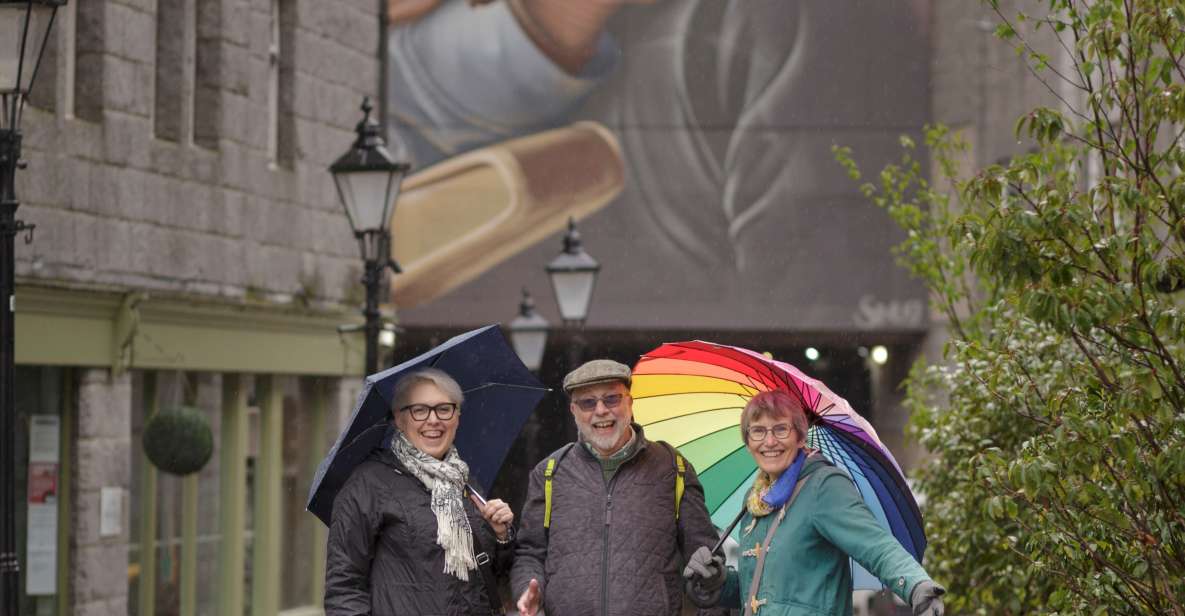
You meet at the Robert the Bruce Statue outside Marischal College on Broad Street. The guide wears a bright orange jacket and/or lanyard, which matters because city-centre sidewalks can be busy and signage can be easy to miss.
This start point is a smart choice. Marischal College is a recognizable anchor, so you can get your bearings fast and stop spending energy hunting for the right person. Plus, you begin the story right where the city’s grander centre feels close.
Bring comfortable shoes. The tour is a walking experience, and you’ll get more out of it when your feet can handle uneven patches and weather.
You can also read our reviews of more walking tours in Aberdeen



Marischal College to the Art Gallery: Granite-City Culture, Up Close
Your first big stop is Marischal College. Even before the stories kick in, it helps to see the architecture as something lived-in by Aberdeen—not just a photo-op. It sets the tone: this city is built from granite, and its confidence shows in its public buildings.
From there you head toward the Aberdeen Art Gallery. This matters because the tour isn’t only about old stones and dates. It’s also about what Aberdeen is making right now—and the guide uses art to connect history to present-day identity.
One theme you’ll keep hearing is how Aberdeen changed over time, from a small fishing settlement to the centre of oil for Europe. That contrast is part of why the walk works: you’re not stuck in one era, and you don’t leave with a single-note version of the city.
Netherkirkgate and The Green: Old Streets You’ll Actually Remember
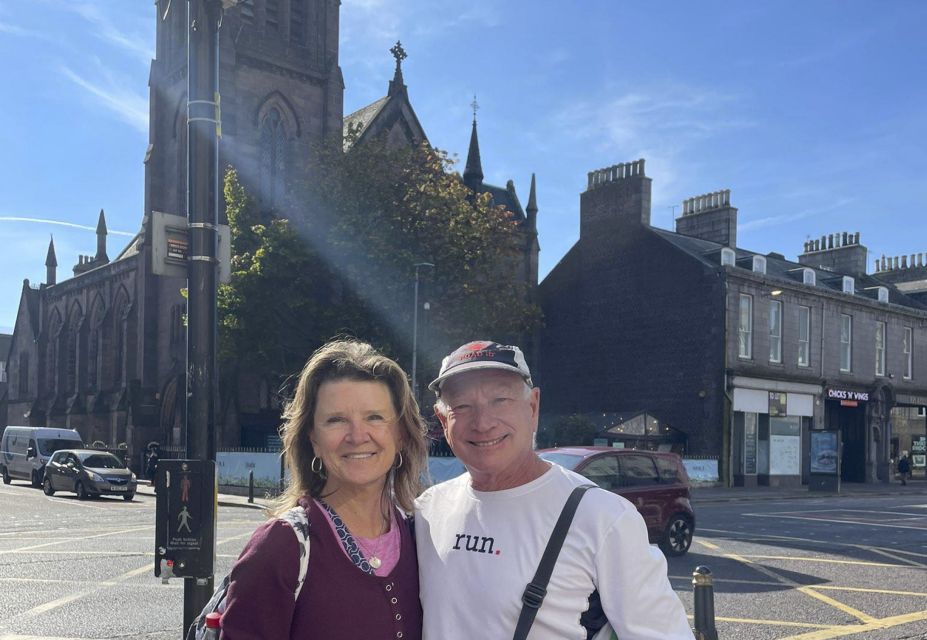
Next comes Netherkirkgate. Streets like this are where Aberdeen starts to feel personal, because they’re the kind of lanes you’d normally pass without a plan. The guide’s job here is to show you what to look at and how to read the street like a timeline.
You also spend time at The Green. It’s a reminder that city history isn’t only behind museum glass. Small public spaces help you understand how people move through the city, where they gather, and why certain routes became important.
A good practical tip: look up. Even when you’re focused on street-level scenes like street art, the guide will often point out details on facades or nearby features. If you keep your eyes scanning, the 1.5 hours starts to feel longer in the best way.
The Tunnels and Witch Trials: Aberdeen’s Darker Side, Explained
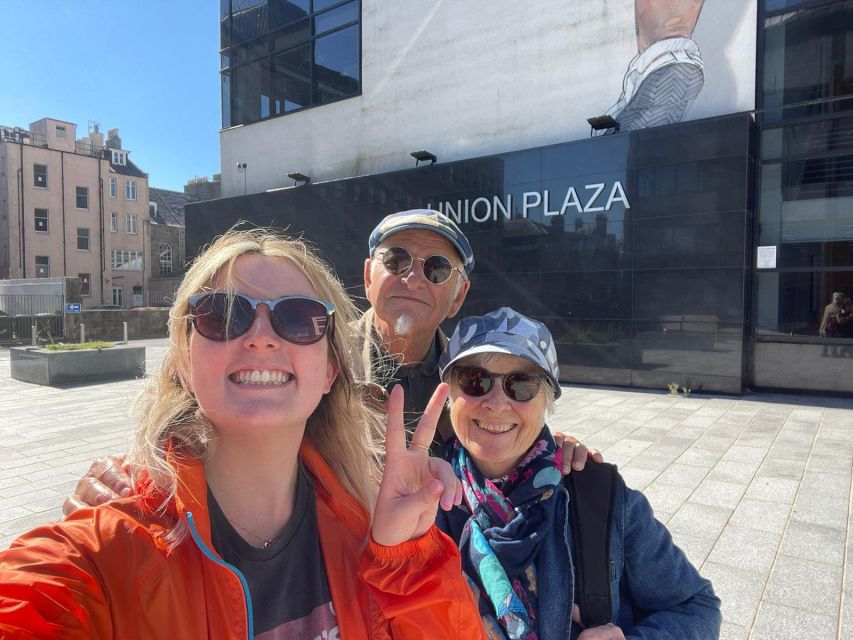
Then you get to The Tunnels—one of the tour’s most talked-about elements. The overall framing is that Aberdeen’s story has had dark chapters, and these tunnels are part of that thread, including the witch-trials theme mentioned in the experience.
This is where the walk becomes more than sightseeing. You’ll retrace parts of Aberdeen’s past through places tied to important figures, and you’ll get a different lens on how the city functioned when things felt harsher, less forgiving, and more dangerous.
This stop also gives you something many short tours skip: atmosphere. Tunnels and “sometimes very dark” history create a contrast with the open streets around you. It’s memorable, and it makes the rest of the walk feel more meaningful.
St Nicholas Kirk Area and the Most Important Corners
The route includes St Nicholas’ Kirk (part of the key highlights), along with nearby central streets such as Shiprow and Union St. Even if churches aren’t your usual focus, a guided explanation tends to shift the experience from architecture appreciation into understanding local identity.
One reason these stops work on a walking tour: you get context right when you can still see the building shape in front of you. Without that timing, lots of history turns into vague background.
Also, the pace here helps. It’s not a sprint between landmarks. The guide builds short pauses so you can take photos, look at details, and ask questions.
You can also read our reviews of more city tours in Aberdeen


Shiprow and the Maritime Museum: From Waterfront Work to Modern Meaning
Next up is Shiprow and the Aberdeen Maritime Museum. This portion helps the story move from city-centre streets into the working life of Aberdeen—especially relevant because the tour overview connects Aberdeen’s rise to its roots as a fishing settlement.
The Maritime Museum stop is practical as well as historical. It’s an easy way to anchor what the guide says about Aberdeen’s past in something tangible you can see and process without needing extra planning.
If you’re the type who likes to understand how a city earns its reputation, this is the best section for that. The walk doesn’t just tell you what Aberdeen is famous for; it shows you the physical parts of the city where that fame grew.
Aberdeen Street Art on Foot: Why the Guide Matters
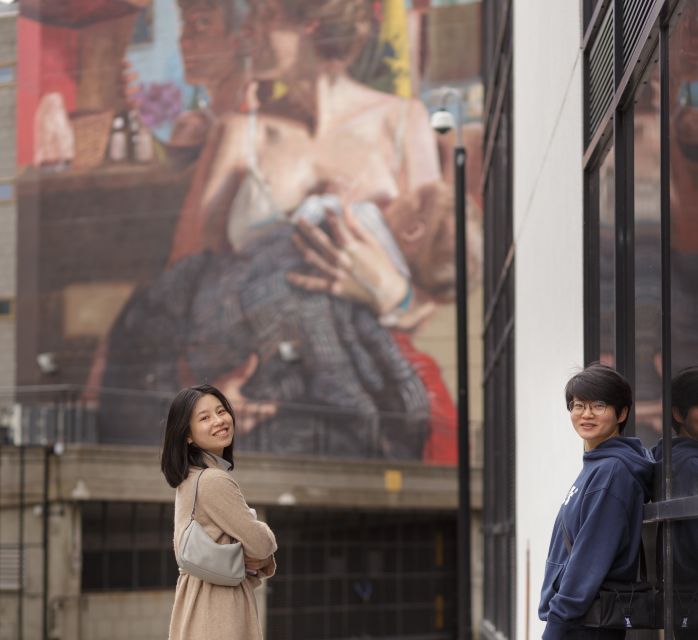
The biggest standout feature is the street art scene. The tour doesn’t treat murals as random decoration. Your guide shows you where the best pieces are—art “around every turn,” including places you might overlook without local guidance.
This is also where you’ll feel the value of a live guide. Street art is visual, but it helps a lot to know what you’re looking at, what it’s responding to, and how it fits into the city’s culture. The tour’s pitch is basically: don’t just pass the art—see it properly.
You’ll likely notice a mix of art on major buildings and on unassuming corners. That variety is part of the point. Aberdeen’s street art isn’t only about big walls; it’s also about how the whole city participates in its own storytelling.
A nice bonus from guides with strong personalities: names that show up repeatedly in guide praise include Bronwyn, Daisy, Kirstin/Kirsty, Conrad, Willow, and John. The common thread isn’t just facts—it’s how the guide brings the city to life so the art and the history feel connected, not like two separate stops.
Pace, Duration, and What You’ll Learn in 1.5 Hours
The tour runs for 1.5 hours and starts at 2pm. That length is ideal if you want a first-day orientation or a mid-trip activity that doesn’t swallow half your day.
In practical terms, it’s also long enough to get a decent storyline arc. You start with key centre landmarks, move through older streets, hit the tunnels for the darker chapter, then end with the waterfront museum area. You finish back at Broad Street near the start zone.
In terms of effort, it’s described as a city-centre walking route with a steady pace. One practical note: the walk still depends on weather. If it’s drizzly, plan for damp sidewalks and bring weather-appropriate clothing.
One possible consideration: because the experience is compact, you may feel like some stops get a lot of attention and you cover fewer “must-see” detours than a longer tour. That’s not a dealbreaker, but it is worth knowing if you’re trying to pack in lots of other attractions the same day.
Price and Value: Is $20 Worth It?
At $20 per person for 1.5 hours, this is priced like an orientation walk rather than a full-day production. That makes sense, because the value here isn’t in volume. It’s in the combination: major landmarks, tunnel storytelling, street art finds, and a waterfront museum anchor.
The overall rating is 4.7 with 158 reviews, which suggests consistent quality. More importantly, the reviews highlight guides who make the time feel well-used: clear explanations, humor, and solid ability to answer questions without dragging.
If you’re visiting Aberdeen and you want your first introduction to feel specific—like you’re learning the city’s patterns instead of just collecting photos—this price is a fair match. If you’re chasing a long list of every top sight, you might want a longer format tour instead.
Who This Tour Suits Best
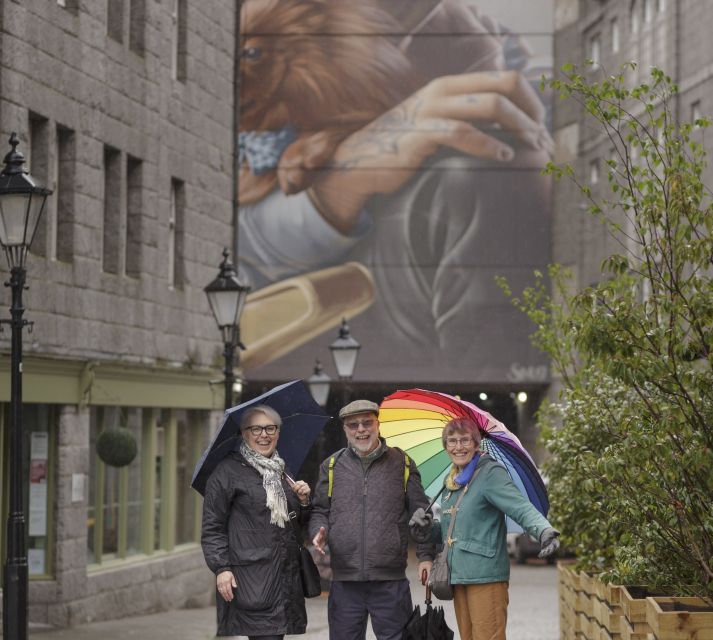
This is a strong fit if:
- You like walking tours that mix history with modern life
- You care about Aberdeen’s street art and want help finding the good stuff
- You enjoy stories with tension, not just pretty buildings (the tunnels and witch-trial theme helps)
- You want a city-centre overview you can build on later
It’s less ideal if you’re hoping for a deep dive into far-flung neighbourhoods or a longer route that feels like a full afternoon of walking. The tour is built to be focused, not exhaustive.
Should You Book This 2pm Aberdeen Walk?
I’d book it if you want a smart use of time on a first or early day in the city. For $20, you get a guide-led path through the centre that connects Aberdeen’s past—from fishing roots to the oil era—to what you can see today, including street art and key buildings like Marischal College.
I’d skip or add a second activity if your priority is sheer distance and lots of extra neighbourhood variety. Since the tour returns to Broad Street within 1.5 hours, you’ll likely want another plan for the rest of your day.
FAQ
FAQ
What time does the Aberdeen Daily City Centre Walking Tour start?
It starts daily at 2pm.
Where do I meet the guide?
Meet the guide at the Robert the Bruce Statue outside Marischal College on Broad St. The guide will be wearing a bright orange jacket and/or lanyard.
How long is the tour?
The tour lasts 1.5 hours.
How much does it cost?
The price is $20 per person.
What language is the tour guide?
The live tour guide speaks English.
Is the tour wheelchair accessible?
Yes, it is listed as wheelchair accessible.
What should I wear or bring?
Bring comfortable shoes and weather-appropriate clothing.
Is free cancellation available?
Yes. You can cancel up to 24 hours in advance for a full refund.
FAQ
Is there a reserve-and-pay-later option?
Yes. The tour offers reserve now & pay later, so you can book without paying immediately.