REVIEW · EDINBURGH
5-Day Hebrides and Highlands Tour from Edinburgh
Book on Viator →Operated by Highland Experience Tours · Bookable on Viator
Loch-side roads, island air, and history in five days. I like the round-trip transport from central Edinburgh and the way the route mixes big-name sights with real local stops. The trade-off is time gets chopped into short visits, so you’ll be on and off the bus often.
This is a small-group tour (up to 16 travelers) run in English, with a driver/guide and 4 nights of accommodation included—so you spend less time planning and more time looking out the window. You start at 8:30 am from 1 Parliament Square, then end back in central Edinburgh.
For value, the key is what’s bundled: transport, lodging, and breakfast. Food/drink and some admissions are extra, and a light packing day-to-day style helps because of the luggage cap.
In This Review
- Key things I’d focus on before you book
- From Edinburgh’s Parliament Square to the Highlands by coach
- Day one: Luss on Loch Lomond, then Glencoe’s cliffs, then Loch Ness overnight
- Why the Loch Ness night is more than a box to tick
- Day two: ferry time to the Isle of Lewis and Arnol Blackhouse
- Luskentyre beach, Callanish standing stones, and Harris Tweed craft
- Butt of Lewis Lighthouse: the UK’s windiest-feeling stop
- Culloden Moor: battlefield time with a museum option
- Dalwhinnie distillery: tasting the water of life
- Price and value: what you really get for about $1,165.58
- Group size, pacing, and the one drawback to plan around
- Who should book this Hebrides and Highlands tour (and who should think twice)
- Should you book it? My decision guide
- FAQ
- How long is the 5-day Hebrides and Highlands tour?
- Where does the tour start and end in Edinburgh?
- What’s included in the price?
- What’s not included?
- Are tickets included or will I pay at the sites?
- Is there a luggage limit?
- Is there a group-size limit?
- Will I get confirmation after booking?
- Is Callanish Standing Stones always accessible?
- What are the rules for children and age?
Key things I’d focus on before you book
- Central pick-up and easy drop-off: you’re not trying to get yourself to remote trailheads on day one.
- Four nights of accommodation included: less hassle, and you can pack lighter than you would on a do-it-yourself trip.
- Hebrides culture in practical stops: Arnol Blackhouse and Harris Tweed craft add meaning beyond photos.
- A “great sights” route with short time slots: good for check-off travel, but don’t expect long wandering hours everywhere.
- Small group size (max 16): enough people for good energy, not so many that you feel lost.
- September 2024 Callanish access warning: facility closure may affect visits in that month.
From Edinburgh’s Parliament Square to the Highlands by coach
This tour starts and finishes in the center of Edinburgh, which is a big quality-of-life win. Meeting at 1 Parliament Square keeps you close to transit and makes morning logistics simple. The end point is 22 St Andrew Square, so you’re back where hotels, meals, and quick taxis are easy to find.
You’ll be with a driver/guide throughout, and that matters on rural routes. Instead of reading road signs at the end of a long drive day, you can concentrate on scenery, history, and where to stand for photos. I also like that the tour is capped at 16—the experience stays more personal, and it’s easier to hear the guide.
One more practical note: you’re limited to 15kg max luggage with size limits (55cm x 40cm x 20cm) plus a small carry-on. If you’re the type who overpacks, this is the moment to rethink it.
You can also read our reviews of more tours and experiences in Edinburgh
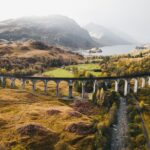

Day one: Luss on Loch Lomond, then Glencoe’s cliffs, then Loch Ness overnight
Your first stretch leans scenic and story-heavy. You stop in Luss for about 30 minutes, and it’s a simple win: walk toward the water’s edge and soak up the postcard view. Because admission here is free, you’re not losing time to paperwork or ticket lines.
Next up is Glencoe National Nature Reserve for another 30 minutes. The emphasis isn’t just on the mountains—it’s on what happened in the region, including tales of murder and massacre. That blend of scenery plus dark history gives the stop more weight than a quick photo pull-over.
Then the day ends with an overnight on the banks of Loch Ness. This is smart pacing: it breaks up a long road day and sets you up for the next phase toward the islands. It also means you’ll likely wake up near the water, which is one of Scotland’s easiest ways to feel like you’re on holiday even before breakfast.
Why the Loch Ness night is more than a box to tick
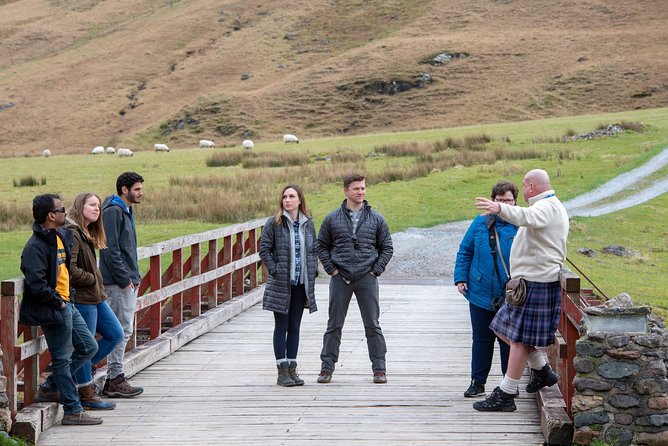
That Loch Ness overnight changes the rhythm. Instead of rushing straight through, you get a pause that makes the route feel like a journey, not a checklist sprint.
Since food and drinks aren’t included, plan like a local: bring snacks you enjoy for coach days, and be ready for meals to be on your schedule rather than built into the package. If you’re traveling in cooler or wet months, pack layers for shoreline weather too.
This is also where your guide’s timing helps. Short days can feel rushed on independent travel; with transport arranged, you can spend that mental energy on enjoying the area.
Day two: ferry time to the Isle of Lewis and Arnol Blackhouse
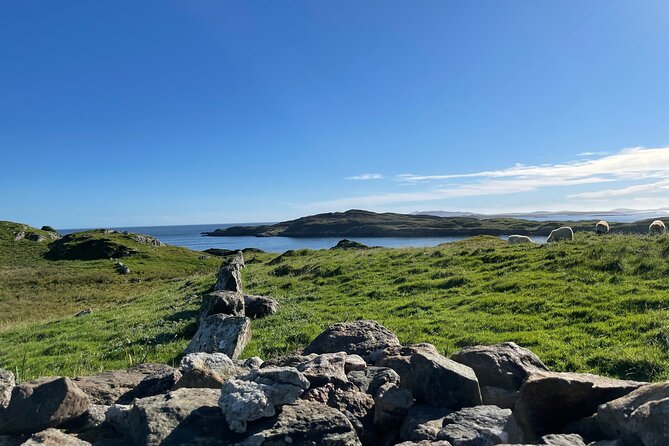
On day two, you shift from road to water. The tour includes taking the ferry to the Isle of Lewis, which is essential if your goal is to hit the Outer Hebrides without wrestling with your own transport plan.
Once you’re on Lewis, you visit the Arnol Blackhouse. You’ll have about 45 minutes there to learn about the traditional Hebridean way of life. Admission for this stop isn’t included, so budget for it if you want to go inside and make the visit more than an exterior look.
This is the kind of stop that pays off if you like culture and daily life, not just monuments. A blackhouse is the rare place where you can connect how people lived to the landscape outside the walls—wind, rain, and materials all make sense once you see the design.
Luskentyre beach, Callanish standing stones, and Harris Tweed craft
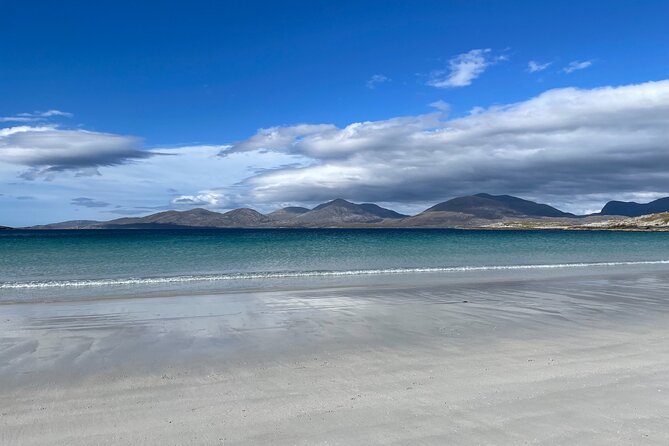
Day three is where the Hebrides side really shows off. You start with Luskentyre, a white sandy beach with a 45-minute stroll window. Admission is free, so you can keep it relaxed—walk the shoreline, watch for changing light, and if you’re brave, you’ll understand why people talk about cold Atlantic water.
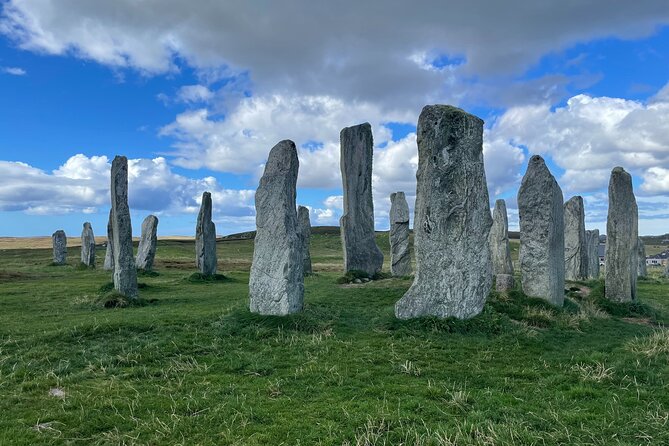
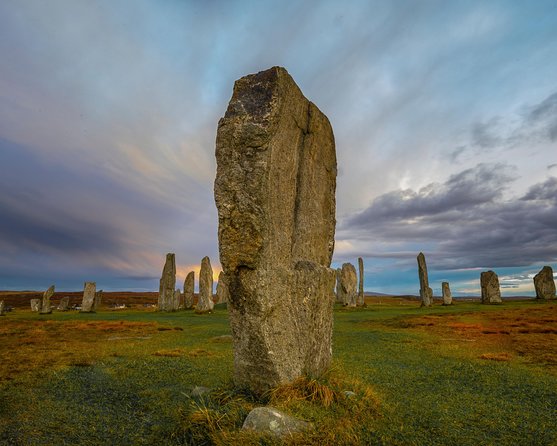
From there, you head to Callanish Standing Stones for about 30 minutes. This stop isn’t included in admissions, but it’s one of those places where even a short visit can feel powerful. The stones are known for being supposedly older than Stonehenge, which helps frame how ancient this region can feel.
Then you visit Harris Tweed and knit wear, including time with a Harris weaver at work (about 45 minutes, with admission not included). This is one of the most practical cultural touches on the whole tour. Seeing a craft process in motion turns the story of the islands into something you can actually picture at home.
A tip I’d use here: wear shoes you can walk in comfortably. Beach sand plus standing stones terrain isn’t the time for new footwear.
Butt of Lewis Lighthouse: the UK’s windiest-feeling stop
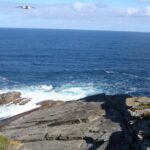
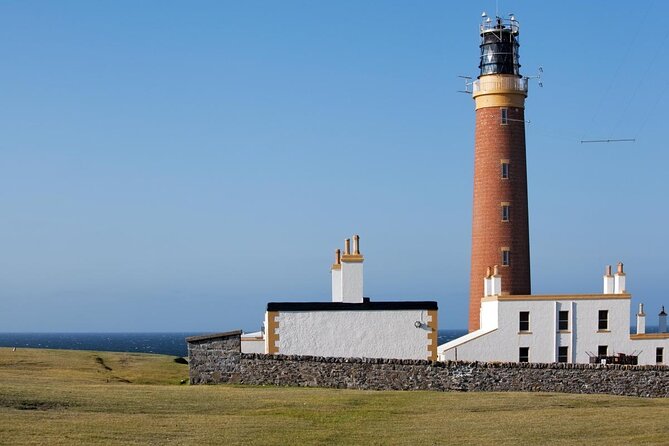
On day four you board the ferry back toward the mainland, but before that you get a memorable detour: Butt of Lewis Lighthouse. It’s a brief 20-minute visit, and the selling point is the setting—this lighthouse is placed at the windiest place in the UK.
That’s short time on purpose. If you’ve ever been anywhere exposed on the north Atlantic, you know the weather decides how long you can stand still. Bring a wind layer, and keep your phone secure while you point it into the gusts.
Admissions are listed as free for this stop, so it’s an easy add-on. This one also gives a nice contrast after the beach and stones: the islands can be playful, ancient, and dramatic—sometimes in the same day.
Culloden Moor: battlefield time with a museum option
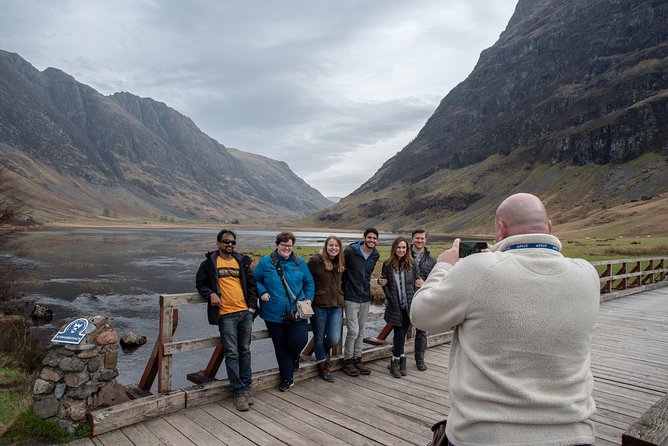
After the ferry return, the tour lands at Culloden Moor. You’ll have about 1 hour, and you can choose between wandering the battlefield or visiting the exhibition (both are available in that time slot). Admission is free here, which is great, because Culloden is the kind of site where a little context makes a big difference.
Culloden is one of Scotland’s hardest stories. It’s not designed for casual skipping, so treat this hour like a focused visit rather than a quick stop for photos. If you’re the kind of person who likes to understand what you’re seeing, this is the day to slow your pace and let the guide’s explanations land.
Dalwhinnie distillery: tasting the water of life
Your final major stop is Dalwhinnie, a distillery visit with about 1 hour on the clock. Admission is listed as free for the stop, and you’ll be able to discover how Scotland’s “water of life” is made and taste the finished product.
Distillery visits work best when you treat them as sensory education, not just souvenir stops. Notice the pace, the smell of the facility, and the simple science behind what you’re tasting. Even if you don’t drink much, it’s a straightforward way to connect the Highlands to everyday Scottish traditions.
Price and value: what you really get for about $1,165.58
At $1,165.58 per person for 5 days, this tour is priced like a bundled trip, not a budget coach-and-beds option. The big value pieces are: 4 nights of accommodation, a driver/guide, breakfast (4), and the transport including ferries.
What’s not included is also important. Food and drinks are on you, and admissions are not covered across the board. Some stops are free (like Luss, Glencoe, Luskentyre, Butt of Lewis, Culloden Moor, and Dalwhinnie), while others list admissions not included (Arnol Blackhouse, Callanish Standing Stones, and Harris Tweed/knit wear).
So the math depends on how many paid admissions you actually want. If you’re the type who likes entering sites and learning deeply, set aside some extra money for those paid stops. If you’re okay with exterior views at any optional sites, you’ll spend less.
For me, the value question is simpler: would you pay to avoid long-distance logistics and planning? If yes, this package does a lot of the heavy lifting for you.
Group size, pacing, and the one drawback to plan around
The headline drawback is the pacing. This kind of route comes with lots of short stops. That’s partly why people like it: you see a lot. It’s also why you should mentally prepare for more transitions than you’d get on a slow driving trip.
You’ll also be doing plenty of coach time, so bring comfort items. A light layer helps on windier days, and having a snack ready can save you from hunting for food at the wrong moment. The included breakfast helps, but it doesn’t replace meals.
The good news: you’re not doing the navigation. And with a small max group size, the vibe tends to be friendly rather than chaotic.
Who should book this Hebrides and Highlands tour (and who should think twice)
This tour fits best if you want a high-impact route from Edinburgh with minimal planning. You’ll enjoy it if you like variety: shoreline walks, ancient stones, craft work, battlefield context, and a distillery at the end.
It might not suit you if you crave long stays in one place to fully slow down. The stops are time-limited, so you won’t have hours to wander without rejoining the group.
It’s also worth noting that children must be accompanied by an adult, and children under 3 aren’t accepted. Service animals are allowed, which is helpful for many families and solo travelers.
Should you book it? My decision guide
If you’re going for a first-timer Highlands plus Outer Hebrides taste test, I’d lean yes. The combo of included lodging, central transport, and a route that hits both famous and less-expected places is a strong value setup.
Book if you:
- want convenience from Edinburgh with ferry included
- like short, focused site visits
- want a tour guide to connect stories to what you see
Think twice if you:
- hate moving around every day
- plan to do lots of extra activities beyond the listed stops
- can’t travel with a 15kg luggage limit
If you do book, pack for wind and changeable weather, and plan on paying a bit extra for the few stops where admissions aren’t included.
FAQ
How long is the 5-day Hebrides and Highlands tour?
It runs for approximately 5 days.
Where does the tour start and end in Edinburgh?
It starts at 1 Parliament Sq, Edinburgh EH1 1RF at 8:30 am, and it ends at 22 St Andrew Sq, Edinburgh EH2 1AY.
What’s included in the price?
The tour includes 4 nights of accommodation (based on the option you choose), a driver/guide, round-trip transport from central Edinburgh, and breakfast for 4 days.
What’s not included?
Food and drinks are not included, and admissions are not included for some stops.
Are tickets included or will I pay at the sites?
Some stops list admission as free, while others require you to pay for tickets onsite (examples include Arnol Blackhouse and Callanish Standing Stones).
Is there a luggage limit?
Yes. Maximum weight is 15kg, with maximum size 55cm x 40cm x 20cm per person, plus a small carry on.
Is there a group-size limit?
Yes. The tour has a maximum of 16 travelers.
Will I get confirmation after booking?
You should receive confirmation within 48 hours of booking, subject to availability.
Is Callanish Standing Stones always accessible?
No. Calanais Standing Stones will not be accessible in September 2024 due to facility closure.
What are the rules for children and age?
Children must be accompanied by an adult, and children under 3 years aren’t accepted (proof of age may be required at check-in).