
REVIEW · EDINBURGH
Edinburgh Castle: Guided Walking Tour with Entry Ticket
Book on GetYourGuide →Operated by Scotland City Tours - Somos Escocia · Bookable on GetYourGuide
A castle with stories on every step. This guided Edinburgh Castle walking tour pairs a short walk up from St Giles’ with an entry ticket, so you get context first and then time to wander. I especially like the outside route that works even when weather turns and the way the guide connects names like Mary Queen of Scots with what you’re standing near. The main catch: the guided portion stays outdoors, and some building areas (like the roof in poor weather) are limited.
You’ll start near the Royal Mile at Advocates Close, then head toward Castle Rock, Edinburgh’s dramatic volcanic perch. On the esplanade and promenades, you’ll hear siege talk, origins, and what happens on the Tattoo grounds—good stuff when you want more than a quick photo stop. If you’re hoping to tour rooms as part of the guided walk, plan on doing that after the guided part ends.
The upside is the structure: about 75 minutes of guided storytelling, then you can explore the interior buildings on your own until closing. In other words, you’re not stuck in a group shuffle the whole time. I do think you should read this as a walking tour you can pair with self-guided exploring, not a full inside guided tour.
In This Review
- Key highlights worth marking on your map
- Meeting on Advocates Close: start fast, don’t waste daylight
- The Esplanade walk: where the guide sets the siege scene
- Guided outdoors inside the walls: what you do (and don’t) access during the walk
- Great Hall and Royal Palace: why the outside tour makes your inside time better
- 3,000 years of monarchy: Mary Queen of Scots to King James VI
- Castle Rock views over UNESCO Old Town: photos are the bonus, not the whole point
- Inside-after-the-tour planning: museums, prisons, and time to wander
- Price and value at about $49: what you’re actually buying
- Who this tour fits best (and who should pick another option)
- Should you book this Edinburgh Castle guided entry tour?
- FAQ
- Where do I meet for the Edinburgh Castle walking tour?
- How long is the guided portion?
- Do I get entry to Edinburgh Castle?
- Is the tour indoors?
- What languages are available for the live guide?
- Is this tour suitable for wheelchair users or mobility impairments?
Key highlights worth marking on your map

- Castle Rock panorama time: get views over UNESCO Edinburgh Old Town from the height
- Mary Queen of Scots context: learn how key figures connect to specific spots
- Great Hall + Royal Palace setup: the guide frames what you’ll see once doors open
- Tattoo grounds spotting: learn where the Royal Military Tattoo is performed
- Full ticket, then free roaming: guided narrative first, then museums and relics at your pace
Meeting on Advocates Close: start fast, don’t waste daylight

Your meeting point is practical and easy to miss if you arrive late. Meet in front of the entrance to Advocates Close, directly opposite St Giles’ Cathedral. Look for the black umbrella with the Scotland City Tours yellow logo.
Why this matters: Edinburgh’s Old Town is a maze on foot. Having a specific landmark like St Giles’ keeps you from circling while the castle gates get closer. It also sets expectations that this is a walking add-on, not a bus transfer.
One more useful note: this tour is linked to a working military base, so the tour company cannot start on the castle esplanade. That’s why the meeting point is in the city first.
You can also read our reviews of more tours and experiences in Edinburgh


The Esplanade walk: where the guide sets the siege scene

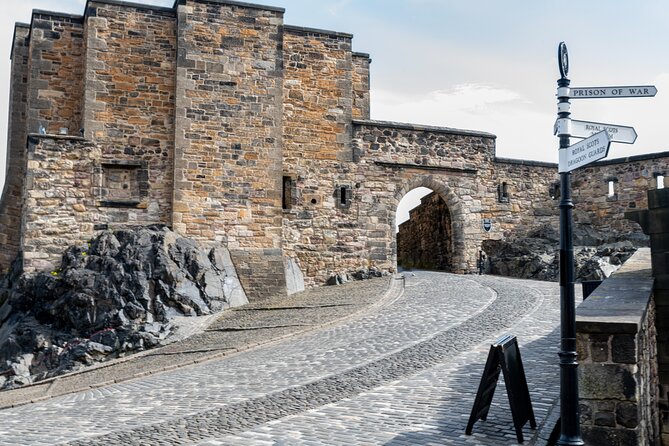
Once you meet your group, you walk up toward the castle area. Early on, you’ll have a short guided stretch on the esplanade (about 10 minutes) before the main castle portion.
This part is built for orientation. You’ll hear how the site’s origins and sieges shaped the fortress, and the guide points out what you’d otherwise overlook. You also get a view into the staging area for the Royal Military Tattoo—helpful if you plan to see the show later or just want to understand why the castle is such a natural performance space.
A small practical thing: the weather up on the hill can change fast. Even when the walking portion is short, you’re on exposed cobbles and open air for parts of the tour.
Guided outdoors inside the walls: what you do (and don’t) access during the walk

This is the big clarification to make before you go. The tour remains outdoors. During the guided portion, buildings are not accessible, even though you’ll be in the castle grounds.
You’ll still cover a lot of ground at a story pace:
- You’ll stroll the promenade and hit specific stops set by the castle authorities.
- You’ll get the context behind places you can later visit inside.
- You’ll learn what to look for once you have the freedom to go room by room.
What you’re getting is a guided “map in your head.” The guide helps you connect the dots between architecture and events, so when you finally walk into spaces like the Great Hall or the Royal Palace, the visit feels less like reading plaques and more like following a plot.
Potential drawback: if your ideal castle day is hour-by-hour indoor guiding, this format will feel different. It’s designed to set you up for independent exploring afterward.
Great Hall and Royal Palace: why the outside tour makes your inside time better

The most celebrated visual moments here are also the ones that benefit from context. The guide leans hard into the grandeur of the Great Hall and the Royal Palace, and you’ll hear what these spaces were for before you go in.
Even though you’re not entering those rooms during the guided stops, you’re not just looking at walls either. The guide uses the outdoor vantage points to explain why the Great Hall was central to ceremonial life, and how the Royal Palace fits into the bigger story of rulers and power.
This is where the tour’s pacing makes sense for visitors with limited time. You get:
1) the why (on the outdoor route), then
2) the what (when you head inside after the tour).
I like this approach because it reduces that common castle problem: you walk in cold, read plaques for an hour, and still feel like you missed the thread. Here, the thread is built first.
3,000 years of monarchy: Mary Queen of Scots to King James VI

Edinburgh Castle isn’t just a single-era stop. With this tour, you’re guided through a sweep that’s long enough to explain how different reigns layered on top of each other.
Two names you’ll hear tied into the experience are Mary Queen of Scots and King James VI. The guide connects those figures to what you’re seeing, so it doesn’t stay abstract. Instead of memorizing dates, you start to understand how the castle functioned as a symbol of authority—and how conflict shaped daily life for those living inside its walls.
You’ll also be pointed toward meaningful sites you can later visit independently, such as:
- the Chapel of Saint Margaret
- the National Monument to the fallen of Scotland
- the castle’s prisons
- and the canine cemetery
If you like history with characters, this is where the tour earns its keep. The castle becomes a place with people in it, not just stone and views.
You can also read our reviews of more walking tours in Edinburgh






Castle Rock views over UNESCO Old Town: photos are the bonus, not the whole point
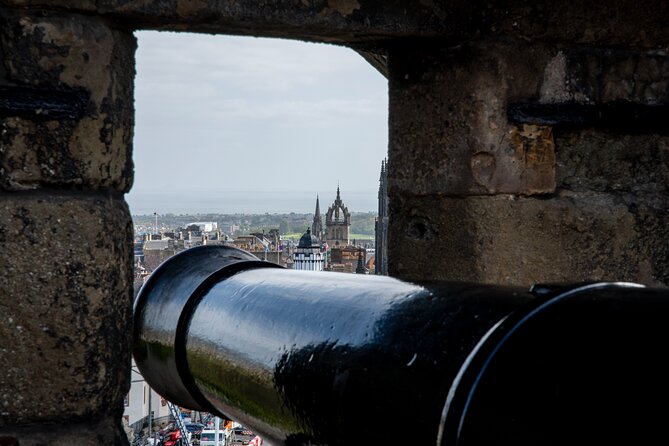
The panoramic views from the castle are a real payoff. You’ll see Edinburgh from Castle Rock, with UNESCO World Heritage Edinburgh Old Town in view.
This is one of those “yes, take photos” moments, but I also think it’s worth treating as orientation. When you can see the Old Town layout from above, the stories you hear about power, defense, and control snap into place. The castle doesn’t feel random on the skyline. It feels like the point.
Weather note: the roof is not accessible in poor weather conditions, so if your visit day is windy or wet, plan for fewer roof-level views and don’t build your expectations around that specific viewpoint.
Inside-after-the-tour planning: museums, prisons, and time to wander
After the guided portion, you’re free to explore. You’ll have time to visit the castle’s buildings and exhibits until closing. The important detail is the split:
- during the guide: outdoors only
- after the guide: you can go inside the buildings
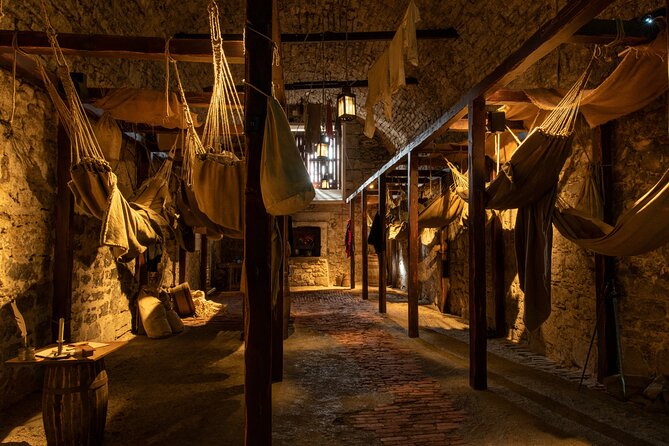
The castle complex you’ll be able to explore includes:
- three museums
- two prisons
- the canine cemetery
- Chapel of Saint Margaret
- the National Monument
- the Great Hall
- the Royal Palace
This is a smart setup for different travel styles. If you’re the type who likes to linger, you can. If you prefer a fast circuit to “hit the highlights,” you can do that too. And because the guide has already framed what matters, you can move through the interior with more purpose.
One tip for making the most of your self-guided time: start with whatever you care about most first (Great Hall and Royal Palace if those are your top priority), then fill in museums and monuments depending on what still feels interesting as the clock moves.
Price and value at about $49: what you’re actually buying
At $49 per person for a 1.5-hour experience, you’re paying for three things bundled together:
1) an entry ticket to the castle
2) a live guide in one of five languages (German, Spanish, Italian, French, English)
3) structured storytelling that helps you get more from the paid admission
You’re not paying extra for transportation, so you’ll still handle getting to the meeting point on your own. But value-wise, the big win is that the guide helps you use your castle time well. Instead of spending your limited hours figuring out what to care about, you arrive with a sense of where the stories connect.
If you’re visiting Edinburgh for the first time, or you want the castle experience to feel more like a guided lesson than a solo roam, this package pricing makes sense.
If you already know the story inside out and you’re just trying to see buildings quickly, you might wonder if the guided portion is worth it. But given that you get both the guide and the ticket, it’s still a straightforward deal.
Who this tour fits best (and who should pick another option)

This tour is best for people who can do short walks and tolerate being outdoors for parts of the experience.
It’s not suitable for:
- people with mobility impairments
- wheelchair users
Also, because this is an outdoor walking format, you’ll want to bring common sense gear. Layers help. So do gloves in cold months. The castle area can be windy, and the guided stops happen on cobbles and promenades.
Two more practical rules from the tour policy:
- pets are not allowed
- drones are not allowed
Good to know: you can carry a backpack up to 30L. That’s enough for a light layer, water, and whatever you carry for a normal sightseeing day.
And a final reality check: the roof access depends on weather, so keep expectations flexible.
Should you book this Edinburgh Castle guided entry tour?
I’d book it if you want:
- an efficient first visit with strong context
- a guide who connects the big names (like Mary Queen of Scots and King James VI) to what you’ll actually see
- time afterwards to explore museums, prisons, and the Royal Palace at your own speed
- a language option that lets you follow the story comfortably (German, Spanish, Italian, French, or English)
I’d skip it if you need:
- step-by-step indoor access during the guided portion (the tour stays outdoors, and buildings aren’t accessible during the walk)
- wheelchair-friendly access or mobility support (this one isn’t set up for that)
FAQ
Where do I meet for the Edinburgh Castle walking tour?
Meet in front of the entrance to Advocates Close, opposite St Giles’ Cathedral. Look for the black umbrella with the Scotland City Tours yellow logo.
How long is the guided portion?
The tour duration is 1.5 hours.
Do I get entry to Edinburgh Castle?
Yes. Your ticket includes entry to Edinburgh Castle, and it’s included with the tour.
Is the tour indoors?
No. The tour remains outdoors. Buildings are not accessible during the guided portion, but you’ll have time to explore the buildings after the tour ends.
What languages are available for the live guide?
The live guide is available in German, Spanish, Italian, French, and English.
Is this tour suitable for wheelchair users or mobility impairments?
No. It is not suitable for people with mobility impairments or wheelchair users.