REVIEW · GLASGOW
Glasgow: Glengoyne Distillery Tour with Whisky & Chocolate
Book on GetYourGuide →Operated by Glengoyne Distillery · Bookable on GetYourGuide
Whisky and chocolate might surprise you. The fun part is how well it fits—especially when you learn the why behind Glengoyne’s slow process. I love the working distillery feel and the fact that the tour is led by guides who really explain the details, from Cameron to Robert to Sasha. I also love the pairing format: three Glengoyne single malts matched with award-winning chocolates, so even if you’re not a hardcore whisky person, you still know what to look for.
One thing to plan for: the distillery is out of the city, so getting there takes some time and effort. A few people also noted it can be loud around the pot stills, so you may want to position yourself to hear clearly.
In This Review
- Quick hits you shouldn’t miss
- Glengoyne Distillery: slow spirit on Scotland’s hillside near Glasgow
- Getting there: bus from Glasgow plus free parking on site
- The 90-minute structure: how the tour flows without dragging
- The Glengoyne Way: from mashtun to washbacks to swan-neck stills
- No.1 Warehouse: how wood changes whisky colour over time
- Meet-your-guide energy: the human part of the tasting
- The tutored tasting: how to approach 3 Glengoyne single malts
- Chocolate matching with Iain Burnett: a pairing lesson you can actually use
- Price and value: what $51 buys you in time, tasting, and guidance
- What to bring, age rules, and the small practical details
- Who should book this tour, and who might want something else
- Tips to get the most out of the whisky-and-chocolate pairing
- Should you book this Glengoyne whisky and chocolate tour?
- FAQ
- How long is the Glengoyne Distillery Tour with Whisky & Chocolate?
- What’s included in the tour?
- What age is this tour suitable for?
- Where does the tour start and end?
- How do I get there from Glasgow?
- Is the tour wheelchair accessible?
- Do I need to bring anything?
- Is anything extra required beyond the tour price?
Quick hits you shouldn’t miss
- A 90-minute guided walk through a traditional Highland distillery that’s still operating
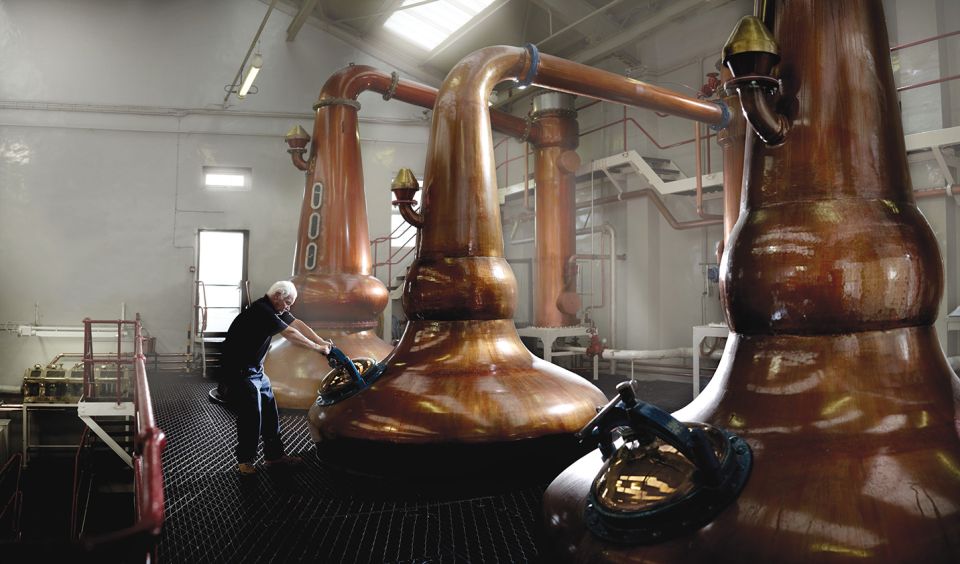
- Glengoyne’s slower stills approach, explained with real process details like mashtun and swan-neck copper pot stills
- No.1 Warehouse lessons, including how wood affects colour over the years
- Tutored tasting of 3 whiskies from the Glengoyne Collection, with a structured way to taste
- Chocolate matching with Iain Burnett from the Highland Chocolatier, focused on real pairing—not just samples
- Guide quality matters here, with multiple guides named for being friendly and genuinely knowledgeable
Glengoyne Distillery: slow spirit on Scotland’s hillside near Glasgow
Glengoyne sits just outside Killearn, about 14 miles from Glasgow, and it feels like Scotland’s answer to quiet luxury. You’re not only touring a brand—you’re walking through a distillery that’s still doing the work. Several guides also point out modern steps the site is taking, so you’re not stuck in the past.
The place itself is a big part of the appeal. One reviewer highlighted how the distillery sits on a beautiful hillside, and that matters because you’re more relaxed when you’re not rushing from landmark to landmark. You’ll often see people book this as a day trip because it’s close enough to feel easy, but far enough to feel like you left the city behind.
You can also read our reviews of more tours and experiences in Glasgow.


Getting there: bus from Glasgow plus free parking on site
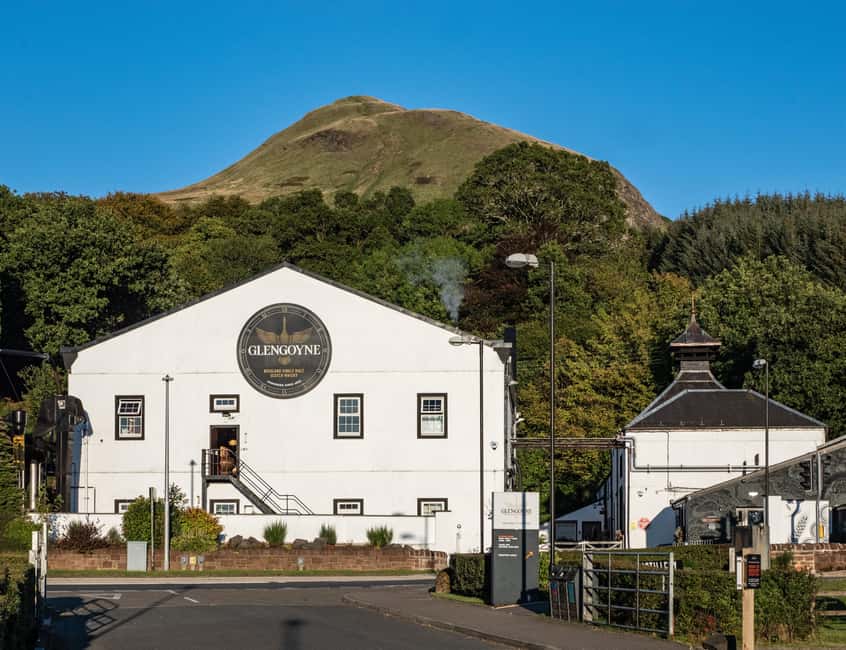
Location is the only real friction in this experience, and it’s manageable if you plan. The distillery is about 40 minutes from Glasgow, about 30 minutes from Stirling and Loch Lomond, and just over an hour from Edinburgh.
If you’re staying in Glasgow, you can take the no.10 bus directly from the city centre to the gates of Glengoyne Distillery. If you’re driving, free parking is available on site, which takes a lot of stress out of the day.
Because this tour runs about 1.5 hours, I’d give yourself a buffer to arrive before your slot. A couple of people explicitly warned that getting there isn’t “grab a taxi and go,” so you’ll enjoy it more when you’re not already late.
The 90-minute structure: how the tour flows without dragging
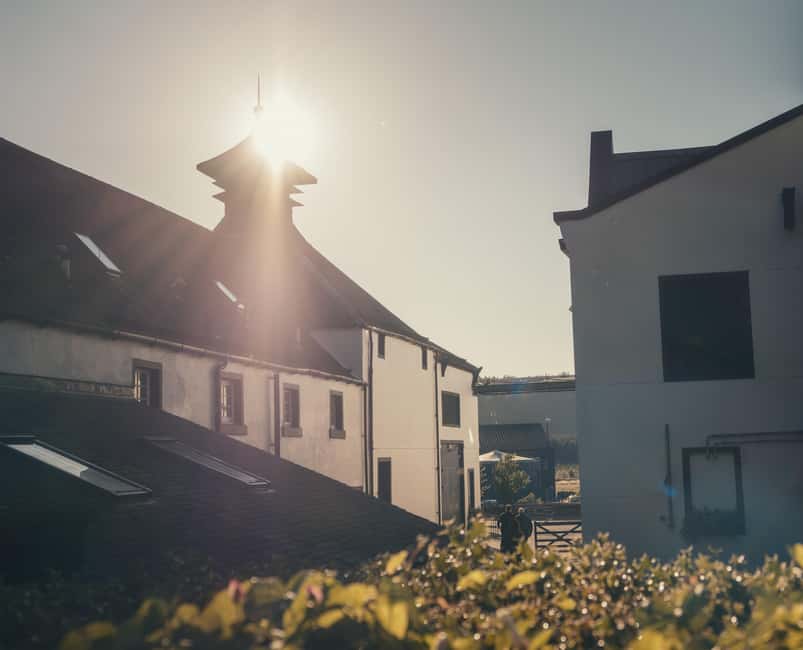
This is a guided, live English tour that runs about 90 minutes total, with tasting included. The rhythm is straightforward: you start with the distillery walk, then move into the warehouse lesson and finish with the tutored tasting and whisky-and-chocolate matching.
What I like about this format is that it avoids the usual two extremes. It’s not a super-short “quick look” where you can’t ask questions. It’s also not a long classroom session where you lose the thread. People praised the length as a sweet spot, especially if you’ve done other distillery tours that felt repetitive.
Most importantly, you’re not left to guess what you’re tasting. The tour frames each part of the process so the flavours in the glass make sense.
The Glengoyne Way: from mashtun to washbacks to swan-neck stills
Where this tour earns its reputation is in the process explanation. You’ll learn about the unhurried journey the spirit takes through the mashtun and washbacks, then onward to the swan-neck copper pot stills. That wording isn’t just for show—the tour uses it to explain what makes Glengoyne’s approach different.
A key idea you’ll hear is that Glengoyne’s stills are the slow part of the journey. The tour describes it as a longer time in their stills compared with other whiskies, and you’ll connect that to what ends up in the glass. If you’ve ever wondered why two single malts can feel totally different even when they’re from the same region, this is where you start answering your own question.
You’ll also see that the guides don’t treat whisky-making like a mysterious ritual. They explain it like a sequence of choices, with the process shaping the result. People mentioned that the tour gets into real detail, including step-by-step explanations that work even if you don’t know much about whisky.
No.1 Warehouse: how wood changes whisky colour over time
After the stills and the process walk, the tour shifts to ageing, which is where many tastings become more than a sip-and-smile. In the No.1 Warehouse, you’ll learn how the wood affects the spirit—specifically how it deepens and intensifies the whisky’s colour over the years.
This is more useful than it sounds. Colour is often treated like an aesthetic detail, but it’s also one way to understand how ageing is working. When the guide ties what you see in the warehouse to what you later taste, the tasting becomes easier to interpret.
If you care about sustainability and modern distillery practices, this is also a moment where you might hear how the facility is handling its responsibilities. At least one guide-led experience specifically mentioned sustainability steps, and that kind of context makes the tour feel current.



Meet-your-guide energy: the human part of the tasting
The quality of the guide shows up in the reviews again and again. Names you may encounter include Gordon, Cameron, Robert, Sasha, Robert again, Marcus, Diane, and Lauren, plus others like Bill and Rebeca. The point isn’t the celebrity of the staff—it’s that these guides seem comfortable teaching.
You’ll feel it when questions come up. Several reviewers praised guides who made the explanations clear and engaging, with some even using extra language help for better understanding. If you’re the type who asks, go ahead. This tour is built for questions.
There’s also a practical note: when you get near the pot still area, the sound can be intense. One reviewer said they couldn’t hear everything in that noise. If you want maximum clarity, position yourself so you can see the guide’s face and don’t stand behind the loudest equipment.
The tutored tasting: how to approach 3 Glengoyne single malts
The tasting portion is a tutored session of three Glengoyne whiskies from the Glengoyne Collection. That matters because you’re tasting with intent, not just collecting three samples.
Here’s how to make your own tasting more fun. Start with smell first, then small sips. Pay attention to what changes from whisky to whisky. Is one lighter and softer? Does another feel spicier or deeper? When the guide explains the process link earlier in the tour, these differences become easier to spot.
Some people also said the whisky samples felt generous, which is a good sign for value. If you’re not a big whisky drinker, you’ll likely appreciate that the tasting is structured. You’re given a framework, and you’re not expected to already know what “good” whisky tastes like.
One review mentioned a tasting that included expressions such as a white oak cask and 18- and 21-year bottles. That might not be identical for every session, but it’s a reminder that the tasting can include a range of styles and ages. Either way, your session will focus on three Glengoyne single malts.
Chocolate matching with Iain Burnett: a pairing lesson you can actually use
This is the part that turns a whisky tour into a memorable experience. You’ll do chocolate matching with award-winning chocolates from Iain Burnett, the Highland Chocolatier.
The pairing is built to teach, not just to feed you sweets. The idea is simple: taste changes when you add something on purpose. Dark or creamy chocolate can lift certain whisky notes, smooth edges, or make particular aromas easier to detect. When you pair them, you start learning how flavours work together.
I love this concept because it makes whisky less intimidating. Even if you don’t love whisky neat, you can still enjoy the combination and understand why it works. More than one reviewer said the chocolate pairing was the best part of the tour, and several people highlighted that it was surprisingly good.
Price and value: what $51 buys you in time, tasting, and guidance
At about $51 per person for roughly 1.5 hours, this tour is priced for real experiences, not just entry to a shop. You’re paying for three things that tend to be the costly ones on their own: a guided distillery walk, a tutored whisky tasting of three whiskies, and the guided pairing with chocolate.
Also note what isn’t included: additional drinks. That’s normal, but it’s good to know so you don’t assume everything else is covered. If you want to keep the day simple, plan on budget for anything beyond the included tasting and pairing.
Is it great value? For most people, yes—especially if you like guided context. Multiple reviews praised the information level and the tasting portion as a reason to recommend it. If you’d rather wander on your own with no structure, you might feel different, but the pairing and tutored format are where the money starts to make sense.
What to bring, age rules, and the small practical details
This tour is for adults aged 18+ only. Under-18s aren’t admitted, so it’s not a family-style stop.
You should also bring a face mask or protective covering, since it’s listed as a thing to bring. If you’re traveling in the UK lately, that’s a familiar request and easy to plan around.
Finally, expect an indoor tasting and pairing after the distillery walk. Wear shoes you can stand in comfortably. Scotland weather can shift fast, and you’ll likely walk parts of the distillery grounds before heading into the tasting spaces.
Who should book this tour, and who might want something else
I’d recommend this tour if you:
- Want a guided distillery experience that explains the process, not just a photo stop
- Like food pairings and want to learn how flavours connect
- Enjoy single malt, but aren’t sure where to start
- Prefer a fixed-time experience around 1.5 hours
I’d think twice if you hate organized tastings or you strongly prefer visiting on your own schedule. Also, if transportation is a headache for you and you don’t drive, plan carefully since the site is in the outskirts. It’s totally doable, but it’s not “stay in the city and walk over.”
Tips to get the most out of the whisky-and-chocolate pairing
A few small moves can make the difference between a good tour and a great one.
First, show up early. One review said it’s worth allowing time to reach the location, and with a rural-ish stop, that advice stays solid.
Second, if you want to hear every word near the stills, aim to be near the guide when the machinery is loud. One reviewer mentioned sound issues in the noise around the pot stills, so don’t assume the group will all hear equally.
Third, treat the tasting like a guided experiment. Take notes in your phone. Smell, sip, then try the matching chocolate. When you compare results, the tour becomes more than “nice.” It becomes a skill you can use again at home.
Should you book this Glengoyne whisky and chocolate tour?
If you like guided learning and you’re curious about how whisky is made, I think you’ll feel happy you booked. The biggest strengths are clear: a thorough process tour, a tutored tasting of three whiskies, and a genuinely thoughtful chocolate pairing with Iain Burnett’s chocolates.
I’d especially book if you’re visiting Glasgow and want a short day trip with a high payoff and clear structure. Just plan your transport, arrive with time to spare, and you’ll be set for one of the better whisky tours in the area—quietly impressive, and way more fun than the name makes it sound.
FAQ
How long is the Glengoyne Distillery Tour with Whisky & Chocolate?
It runs about 1.5 hours (90 minutes).
What’s included in the tour?
You get a guided tour of the distillery, a tutored tasting of 3 Glengoyne single malts, and a chocolate matching experience with award-winning chocolates from Iain Burnett, the Highland Chocolatier.
What age is this tour suitable for?
It’s for adults aged 18 and over. Under-18s aren’t admitted.
Where does the tour start and end?
It starts at Glengoyne Distillery, Dumgoyne, Killearn, Glasgow G63 9LB, UK, and ends back at the meeting point.
How do I get there from Glasgow?
You can take the no.10 bus directly from Glasgow city centre to the gates of Glengoyne Distillery. Free parking is also available on site.
Is the tour wheelchair accessible?
Yes, the tour is wheelchair accessible.
Do I need to bring anything?
You should bring a face mask or protective covering.
Is anything extra required beyond the tour price?
Additional drinks are not included, so you may want to budget for anything beyond the included tasting and pairing.