REVIEW · ST ANDREWS
St Andrews: Golf Origins and Old Course History Tour
Book on GetYourGuide →Operated by St Andrews Tours · Bookable on GetYourGuide
Stand on the Swilkan Bridge, time-warped to golf’s roots. What I like most is the way this walk connects the Old Course to the evolution of the game, and how your guide uses rare historical photos to make it feel real. The one thing to consider up front: you’ll need fluent English, and the pace expects you to follow along without slowdowns or translations.
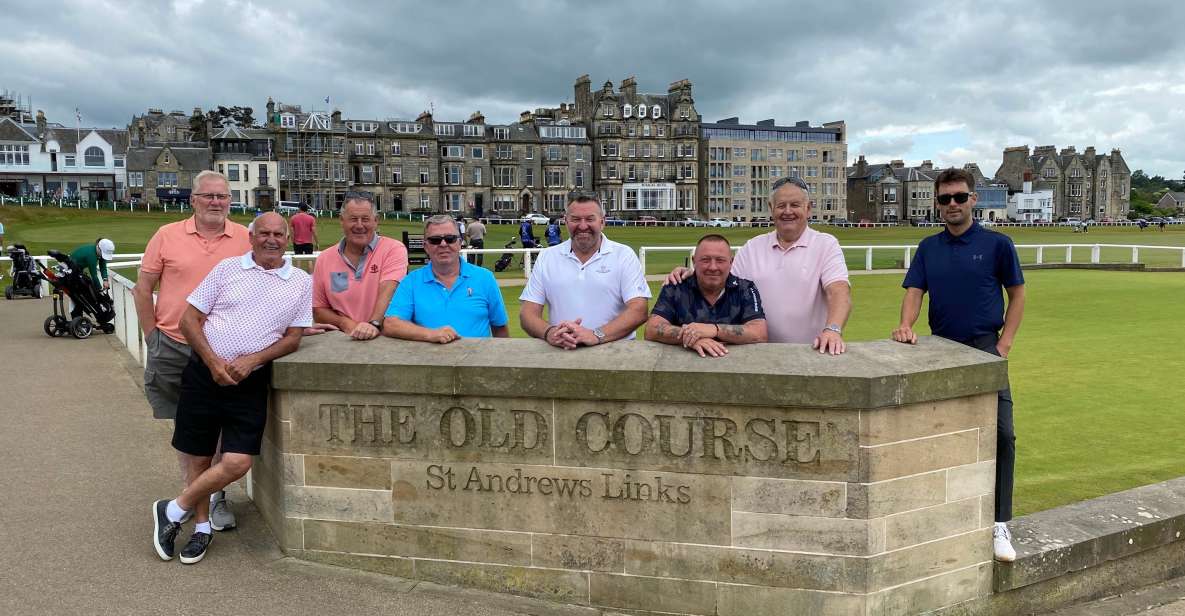
I also love the built-in photo moments. You’ll get a chance for a proper shot on the Swilkan Bridge (the usual spot for golfing postcards), plus key viewpoints around the 18th green and 1st tee area. The tour is short, though, so if you want long stops or lots of lingering, you might feel slightly rushed.
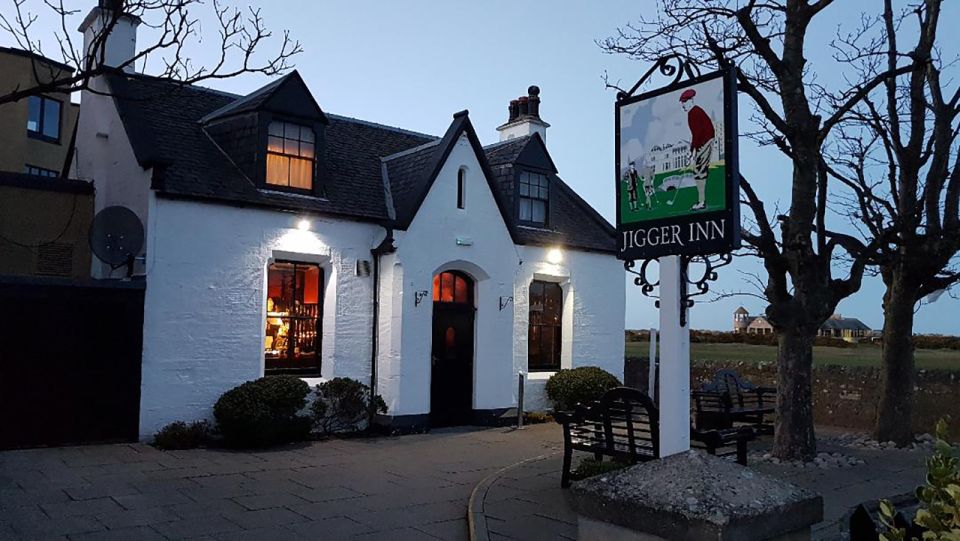
This is a focused, walking-first history tour in Fife. It starts at Hotel du Vin St Andrews and ends at the Jigger Inn, with a classic “you’ve just toured the Home of Golf” feeling that’s hard to fake.
In This Review
- Key highlights worth clocking before you go
- Why St Andrews golf origins make more sense on your feet than on a page
- Meeting outside Hotel du Vin: simple logistics, firm timing
- From the Links panorama to the 18th green: see the Old Course’s “why”
- The Royal and Ancient viewpoint: where the town’s golfing identity shows
- Fairway crossings and Road Hole memories: the walk adds real risk-awareness
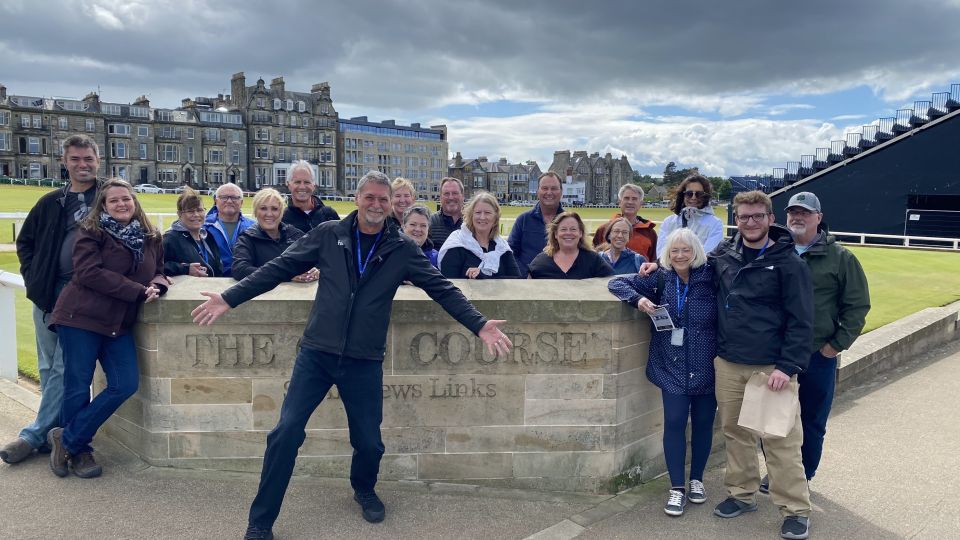
- Swilkan Bridge photo stop: postcard views plus rare history facts
- Old Course Jigger Inn finish: refreshments with a view, if you want them
- What makes the guide experience matter: humor, pacing, and photo help
- Price and value: about $20 for an hour-plus of story and access
- Who this tour fits best (and who should skip it)
- Should you book this St Andrews Old Course History Tour?
- FAQ
- How long is the St Andrews Old Course History Tour?
- How much does it cost?
- Where do I meet the guide?
- What language is the tour delivered in?
- Is the Swilkan Bridge photo stop included?
- What’s included in the price?
- Are children allowed?
- Is it suitable for wheelchair users or people using walking aids?
- Will we walk near active golf play?
- What should I bring?
Key highlights worth clocking before you go
- Swilkan Bridge photo stop: Included for non-tournament days, right where golf history usually gets framed.
- Rare photo details: You’ll see unusual golfing images, including the original height of the Swilkan Bridge.
- Route hits the classics: Panoramic Links views, the 18th green, the 1st tee with the Royal and Ancient Clubhouse backdrop, and fairway sections.
- Stories tied to real people: You’ll hear about figures who shaped the game and learn what became myth over time.
- Finish with Old Course pub energy: The walk ends at the Jigger Inn, with optional refreshments overlooking the 17th fairway (not included).
Why St Andrews golf origins make more sense on your feet than on a page
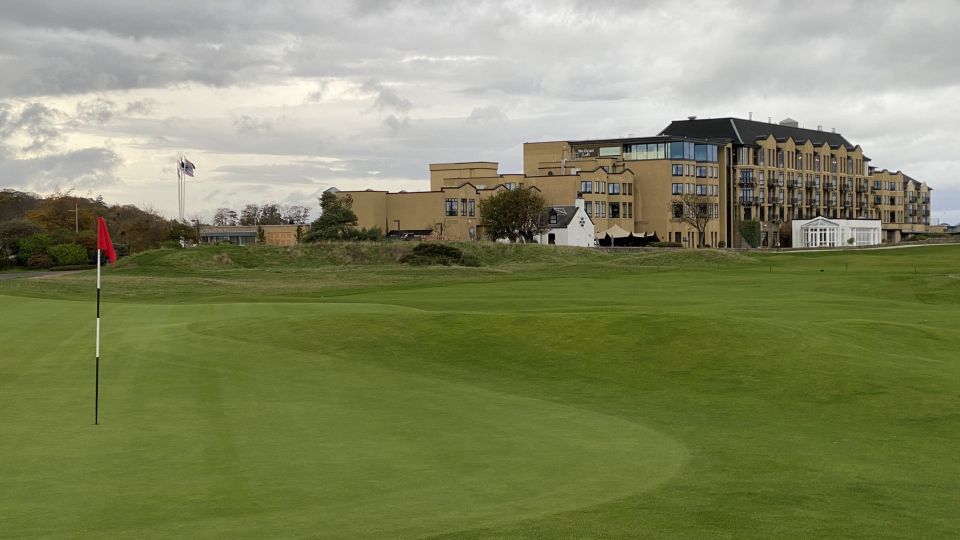
St Andrews is one of those places where golf isn’t just a sport. It’s part of the town’s layout, language, and everyday rhythm. This tour leans into that. Instead of treating the Old Course like a museum object behind a rope, you follow the angles and viewpoints that helped shape how the game got played and talked about.
What makes it especially worthwhile is the focus on evolution. You’ll learn how major elements of modern golf connect back to the Old Course, and how the Open took shape around that tradition. That’s the difference between a “look at the landmark” walk and a “understand why this matters” one.
For me, the best value here is that the guide turns short distances into big context. In 75 minutes, you cover the places that golfers actually point to when they explain St Andrews. You’ll leave with clearer mental pictures of where key moments sit in the course’s story.
You can also read our reviews of more historical tours in St Andrews
Meeting outside Hotel du Vin: simple logistics, firm timing
You meet outside Hotel du Vin St Andrews, at 40 The Scores (KY16 9AS). The tours leave prompt at the scheduled time, and they don’t wait—so I’d plan to arrive early and settle your camera and questions before the group sets off.
This start point matters more than it sounds. The walk quickly gets you into the Links world, where you’ll be looking at golf courses spread across the coastline land. You also get an immediate sense that the Old Course isn’t alone here. It sits among other courses, with the Linksland feel guiding what you see next.
Bring comfortable shoes. The tour is a walk, and some parts involve crossing areas where golf is active. You’ll want stable footing more than fashion footwear.
From the Links panorama to the 18th green: see the Old Course’s “why”
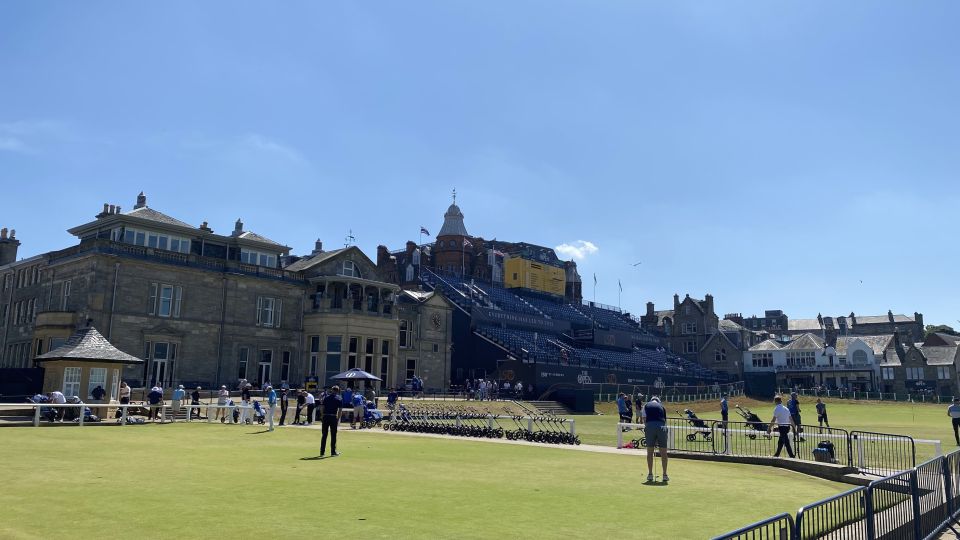
The tour begins with wide panoramic views of the Links land. You’ll hear how many courses sit in this area—six golf courses in total, with four on Links land. That quick framing helps you understand why St Andrews looks the way it does: golf here isn’t confined to one neatly designed park.
Then you move into the core Old Course sights:
- The 18th green, a focal point for anyone who’s ever seen the Old Course in photos.
- The 1st tee, with the Royal and Ancient Clubhouse as a backdrop.
- View lines that help you grasp how the course’s features influence the game.
A strong part of this section is myth-busting. Instead of letting popular stories do all the work, your guide ties what you’re seeing to how golf developed over time. If you’ve only ever heard the Old Course explained through highlights and championship drama, this gives you the missing “how did we get here” thread.
The Royal and Ancient viewpoint: where the town’s golfing identity shows
The area around the 1st tee isn’t just another scenic stop. It’s a front-row seat to St Andrews’ status in the golf world. Seeing the Old Course from this side gives you a better sense of why the Royal and Ancient Clubhouse is part of how people define the location.
Here’s what I like about this segment: it’s not only about famous scenery. Your guide connects the historical dots between St Andrews, golf’s evolution, and how major competition traditions formed.
If you’re coming with golf questions—like why certain elements of play feel “classic” here—you’ll likely get answers through the tour’s stories rather than through technical swing talk.
Fairway crossings and Road Hole memories: the walk adds real risk-awareness
One reason people love a guided Old Course walk is the feeling of proximity. You’re not just looking from the sidewalk. You’ll be taken by parts of the course where the action belongs.
Along the way, you’ll cover:
- The 1st and 18th fairways
- Road Hole memories, tied to the historic course character
There’s an important safety note. As part of the tour, you’ll walk across the 1st/18th fairway at your own risk, and you must keep an eye out for golf balls during live play. That’s not a scare tactic; it’s the reality of being near active golfing.
So plan accordingly:
- Keep your attention up, not just on your photos.
- Don’t wear anything that slows you down.
- Don’t expect the guide to pause everything for extra picture time if golfers are moving through.
This is also why the tour has clear limits on mobility aids and walking difficulties. The experience is built around active walking along course areas, not a slow, fully accessible stroll.

Swilkan Bridge photo stop: postcard views plus rare history facts
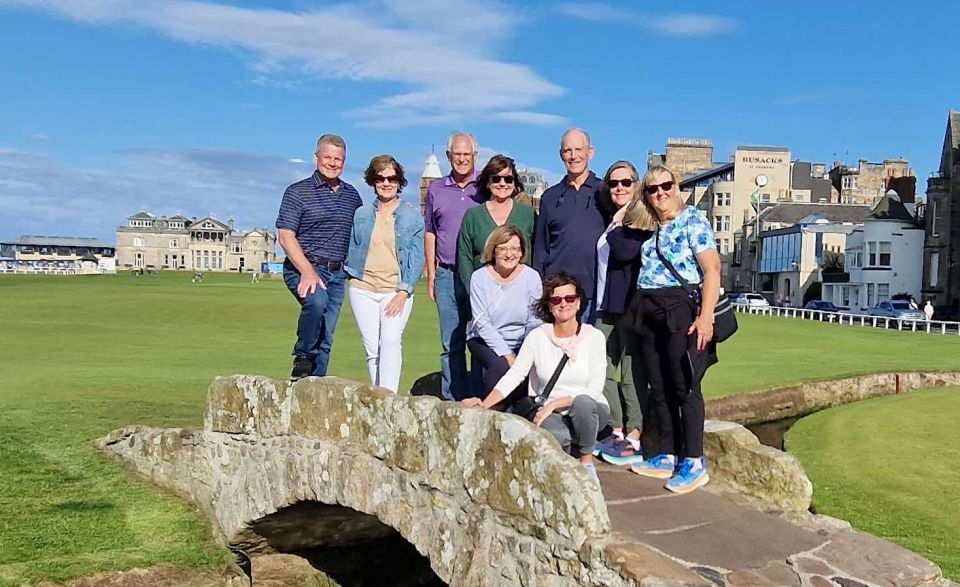
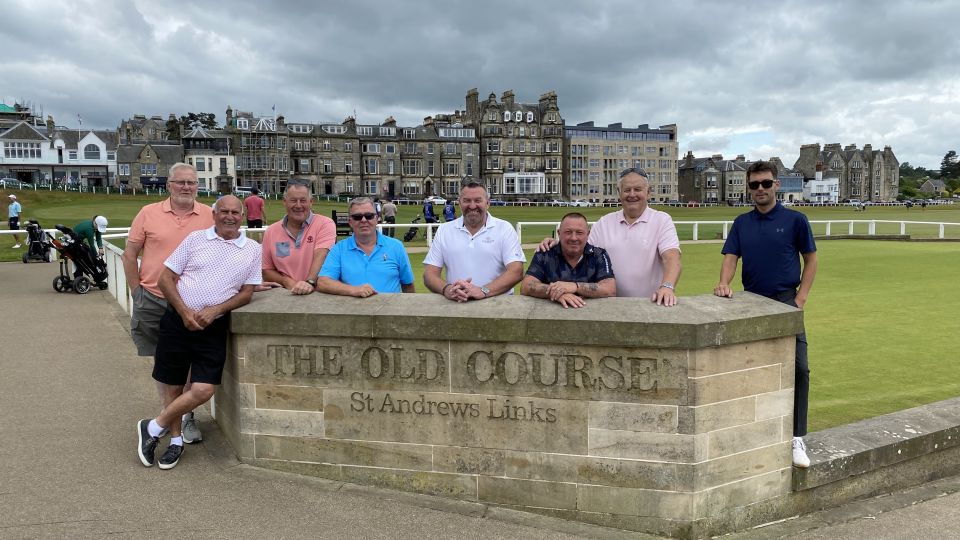
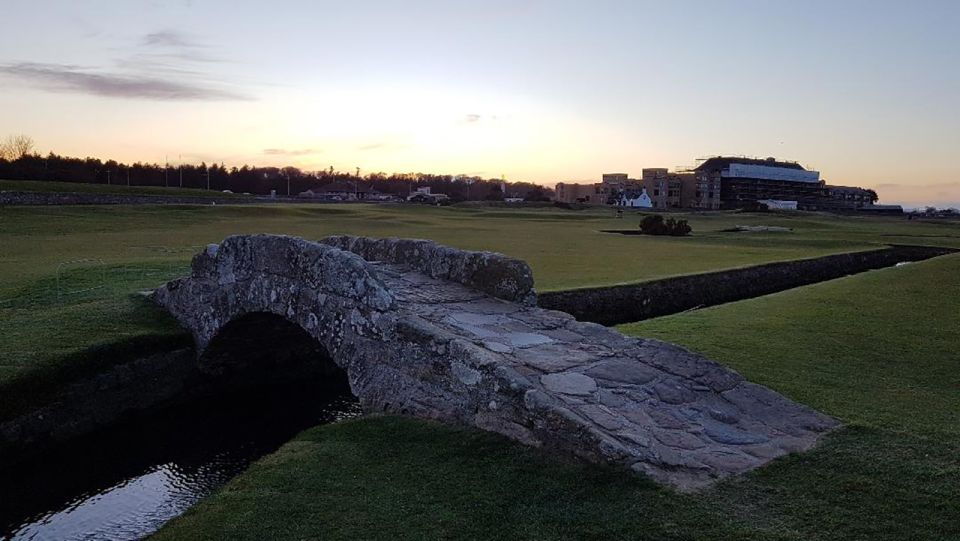
The best-known photo spot in St Andrews is the Swilkan Bridge, and this tour uses it in a smart way. You’ll get a photo shoot on the Swilkan Bridge—with one big condition: it’s not on tournament days.
Here’s the extra value piece. You’ll also see rare golfing photos, including the original height of the Swilkan Bridge. That’s the kind of detail most people never hear, because it’s not part of the usual “stand here, take the picture” script.
This segment works for two types of people:
- Golf fans who want the classic spot, but also want the story behind why it’s so famous.
- Non-golfers who like history through artifacts and visuals rather than long speeches.
Timing note: since tournament days can change access to the photo opportunity, I’d check with your operator when you book, especially if you’re traveling during a major event week.
Old Course Jigger Inn finish: refreshments with a view, if you want them
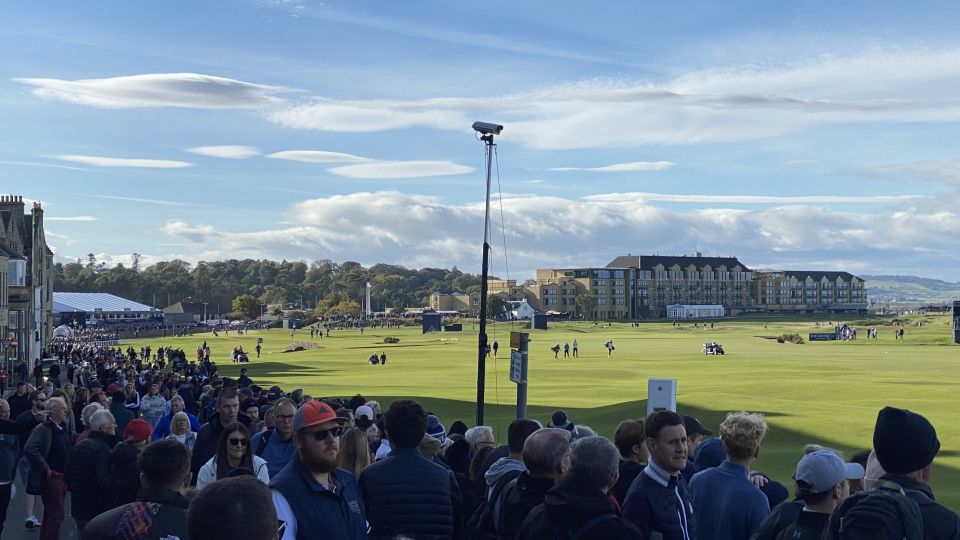
The tour ends at the Jigger Inn. That’s a practical finish for two reasons: you’re already near the core Old Course area, and you’re set up to relax without needing transport right after.
You can also enjoy refreshments overlooking the 17th fairway, but those refreshments are not included in the tour price. If you’re hungry or want a drink after the walk, this is a convenient next step.
In other words: the tour gives you the story and the walking experience, then hands you the option to keep the atmosphere going with a pint and a view. That’s a nice pacing choice for a short tour.
What makes the guide experience matter: humor, pacing, and photo help
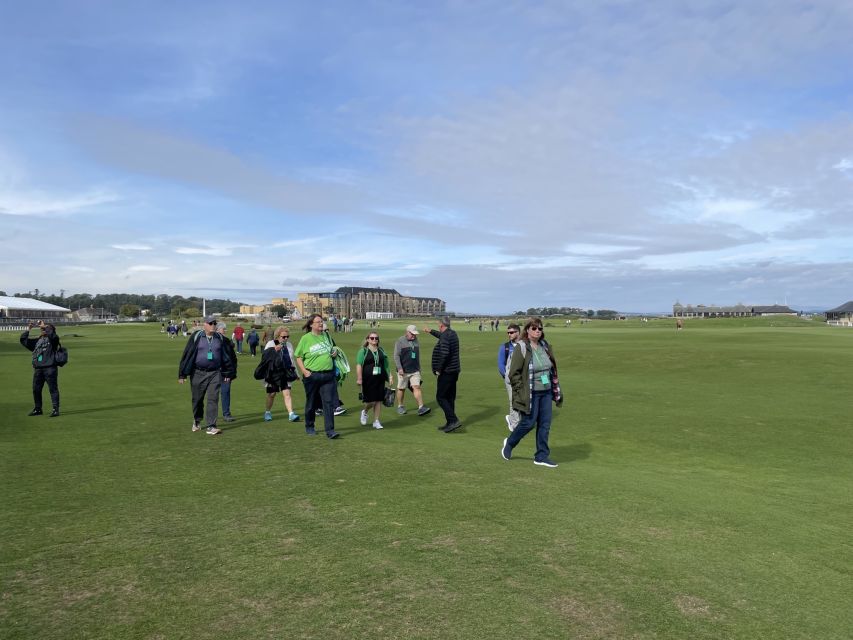
This kind of tour lives or dies by the guide. The standout theme is a guide who blends humor with real golf and local history context, making it easy to stay engaged the whole way.
You’ll also notice how much effort goes into making the photo stops work:
- The guide takes time to photograph each person at the iconic locations.
- You get multiple chances to take photos at meaningful spots, not just one quick snap.
Pacing is another factor. Most people appreciate that the tour moves at a good speed for a 75-minute walk. Still, there are a couple of practical considerations:
- The required fluent English level is real. The tour doesn’t slow down for comprehension, and speaking slowly or translating doesn’t work.
- Some people found the guide spoke quickly, so if you’re sensitive to fast narration in English, plan for extra focus time.
When the tour hits well, it feels like golf history told with a local’s confidence. You’ll likely come away with more than course landmarks—you’ll understand the sequence of how golf’s traditions developed and why St Andrews became the place people return to again and again.
Price and value: about $20 for an hour-plus of story and access
At about $20 per person and 75 minutes, the price lands in the “high value for short time” category. You’re paying for three things at once:
- A professional local guide who can connect course sights to the evolution of golf.
- Access to an active, meaningful walking route around the Old Course area.
- Photo moments at iconic points like Swilkan Bridge.
This isn’t a long, transport-heavy day trip. You’re getting dense context in a compact time block, which makes it a strong add-on if you’re fitting St Andrews into a tight itinerary.
The main tradeoff is also clear: because the tour is short and walking-focused, it’s not designed for people who need frequent pauses, slow pacing, or extra accessibility accommodations. It’s built for people who can keep up.
Who this tour fits best (and who should skip it)
This works best if you:
- Love golf history or want to understand why the Old Course matters.
- Enjoy stories with strong local detail rather than a purely technical golf lesson.
- Want a brisk walk that still feels story-rich, ending near a classic St Andrews pub.
It’s not the right choice if you:
- Have walking difficulties or rely on mobility aids like crutches, walking frames, or mobility scooters.
- Use a wheelchair (the tour is not suitable for wheelchair users).
- Have hearing impairment, since the tour is not suitable for people with hearing-impaired needs.
- Want a stroller-friendly route (baby strollers aren’t allowed).
- Need a cold-day pass if you’re sick—people with a cold are flagged as not suitable.
Age matters too. It’s not suitable for children under 5. Anyone under 16 must be accompanied by an adult.
If you’re unsure, I’d treat the tour as an active walking experience first, history story second. If your body can do the walk, you’ll probably have a good time.
Should you book this St Andrews Old Course History Tour?
Book it if you want a short, well-directed walk that explains how golf developed around St Andrews—and you want the iconic photo stops to come with meaning. The guide quality, the humor, the historical photos (including the Swilkan Bridge height detail), and the multiple picture opportunities are what make this feel worth your time.
Skip it if English comprehension speed is a problem for you, or if you need mobility support beyond what a walking tour can offer. Also keep an eye on tournament weeks for the Swilkan Bridge photo access.
If your goal is to leave St Andrews knowing more than where the famous holes are, this tour is a smart pick. You get the course sights, the origin story, and an ending at the Jigger Inn that makes the whole day feel complete.
FAQ
How long is the St Andrews Old Course History Tour?
The tour runs for 75 minutes.
How much does it cost?
It costs about $20 per person.
Where do I meet the guide?
All tours meet outside Hotel du Vin St Andrews, at 40 The Scores, St Andrews KY16 9AS, UK.
What language is the tour delivered in?
The tour is in English, and you’ll need a fluent command of English.
Is the Swilkan Bridge photo stop included?
Yes, there’s a photo shoot on the Swilkan Bridge, but it is not done on tournament days.
What’s included in the price?
A professional local guide is included.
Are children allowed?
Children under 5 are not suitable for this tour. Children under 16 must be accompanied by an adult.
Is it suitable for wheelchair users or people using walking aids?
No. It is not suitable for wheelchair users, and it’s also not suitable for walking difficulties including crutches, walking frames, and mobility scooters.
Will we walk near active golf play?
You will walk across the 1st/18th fairway as part of the tour. You must keep an eye out for golf balls during live play, and you do this at your own risk.
What should I bring?
Wear comfortable shoes. No alcohol and drugs are allowed on the tour, and you should avoid disruptive behavior.