REVIEW · EDINBURGH
5-Day Tour to Isle of Skye, Oban, St Andrews and Highlands
Book on GetYourGuide →Operated by The Hairy Coo · Bookable on GetYourGuide
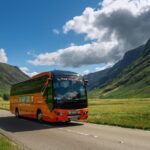
Skye in five days is a sprint. You get a small-group ride through the Scottish Highlands with real stops for photos, short walks, and big storytelling—especially when you hit Isle of Skye. I love how the trip mixes famous names (Glencoe, Culloden, St Andrews) with the kind of practical viewpoints and timing that help you see more than just a blur out the window.
My second favorite part is the guide energy. On this kind of route, it is the person at the front—like Stephen or Michael—who keeps the day moving, the history clear, and the long drives feeling like part of the adventure instead of a chore. The one thing to think about is this is not a “meals and lodging included” trip: you’ll arrange 4 nights of accommodation on your own plus pay for meals, snacks, and any optional visits.
In This Review
- Key takeaways before you go
- Why this Highlands loop works (and when it feels rushed)
- Edinburgh departure and the Loch Lomond-to-Inveraray start
- Oban, Glencoe, and Fort William: drama by foot, big views by bus
- Eilean Donan Castle and the three-loch meeting point: a Highlands postcard that earns its hype
- Isle of Skye on day three: Trotternish, Quiraing, and Old Man of Storr time
- Plockton, Loch Carron, and the palm-tree contrast
- North Highlands day four: Corrieshalloch Gorge, Ardvreck Castle, and Ullapool
- Clava Cairns to Culloden and then St Andrews: the history-heavy finale
- Price and value: what $428 covers, and what you’ll pay separately
- Practical tips that make the biggest difference
- Who this Skye, Oban, Inverness, and St Andrews tour fits best
- Should you book this Highlands tour?
- FAQ
- What time does the tour depart from Edinburgh?
- Where does the tour stop for overnight stays?
- Are meals included in the price?
- Are the whisky distillery and other activities included?
- Is the Museum of Island Life always available?
- Is the seal spotting cruise always available?
- Is the tour suitable for people with mobility impairments or wheelchairs?
Key takeaways before you go
A lot of icons, but with breathing room: short hikes and photo stops keep the bus time from feeling nonstop.
Skye is the main event: Trotternish highlights like the Old Man of Storr and the Quiraing get proper time.
History shows up in surprising places: from Dalriada’s coronation site to Culloden Battlefield.
North Highlands are serious scenery: Corrieshalloch Gorge and the North Coast 500 route bring real wow-factor.
St Andrews is a great “finish line”: medieval streets plus the oldest university vibe in Scotland.
Optional add-ons depend on season: museum-of-island-life and the Loch Carron seal cruise usually run April–October.
Why this Highlands loop works (and when it feels rushed)
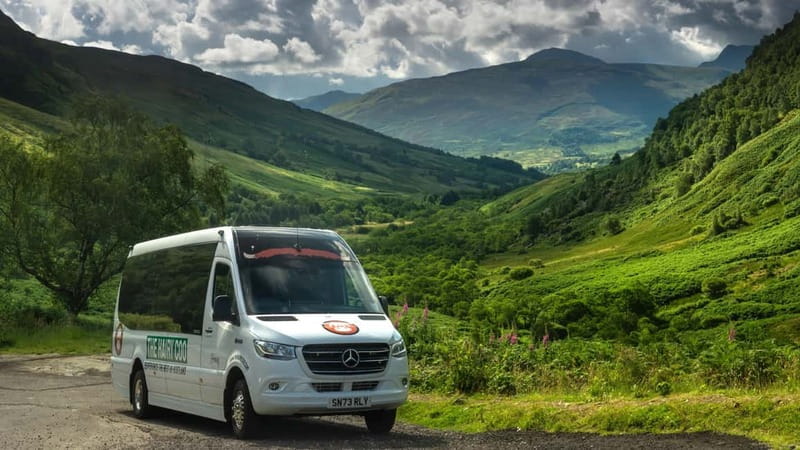
This is a classic “big Scotland hits” route, and it works because it’s built around geography. You start near Edinburgh, move west and north through lochs and glens, then swing back down for St Andrews on the last day. That means you’re not repeating roads just to fill time.
That said, five days is short. You will travel by bus every day. The good news is the plan includes frequent stops, so your body can stretch and your phone can keep up. If you hate early mornings or long car rides, this may feel like a grind. If you like structure and you’re happy to do short walks in comfortable shoes, you’ll probably love it.
Also, it’s designed for a small group limited to 16 participants, with a tighter group rule for over-8 bookings. That helps with conversation, questions, and actually hearing your guide.
You can also read our reviews of more tours and experiences in Edinburgh
Edinburgh departure and the Loch Lomond-to-Inveraray start
Your day begins in Edinburgh at 1759 Regent Rd, in front of the Burns Monument. Check-in starts at 8:00 AM, and the bus departs 8:15 AM sharp, so plan to be there early. This is a “good shoes, quick boarding” kind of tour.
From there you head through Scotland’s Central Belt and north to the village of Luss on the shores of Loch Lomond. The idea here is to ease you into Highland scenery without throwing you into fog, steep steps, or total exhaustion on day one.
Next comes Rest and be Thankful in Inveraray. It’s a steep pass area, and it gives you that classic sense of crossing from one world to another. Then you move into history mode at Dunadd Iron Age Fort, tied to the coronation site of kings and queens of Dalriada. If you enjoy sites where you can connect the dots between place and story, this stop makes the whole trip feel more rooted.
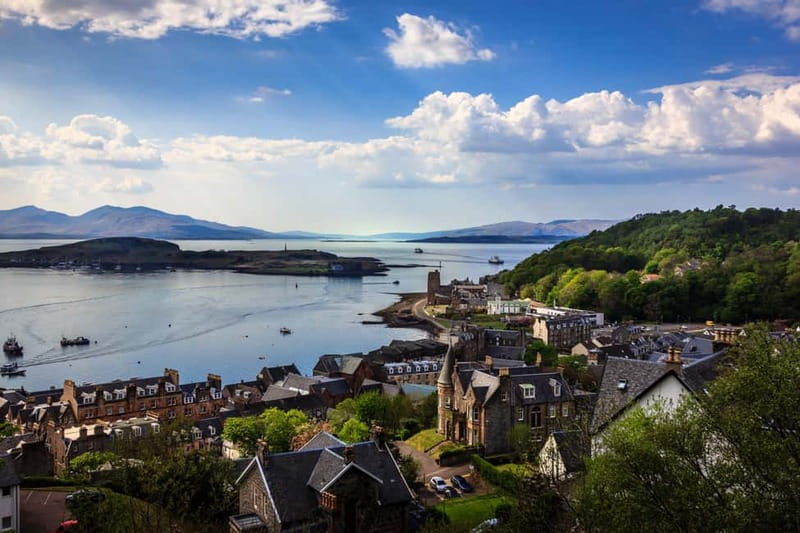
You’ll also pass through Kilmartin and then continue toward Oban, a fishing town where the first night’s stay gives you a real base before you start stacking day trips.
Oban, Glencoe, and Fort William: drama by foot, big views by bus
Oban is a smart first base because it’s coastal and active without being overwhelming. It’s a place where you can walk, find food, and reset before the Highlands get serious.
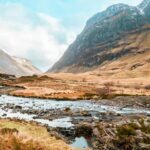
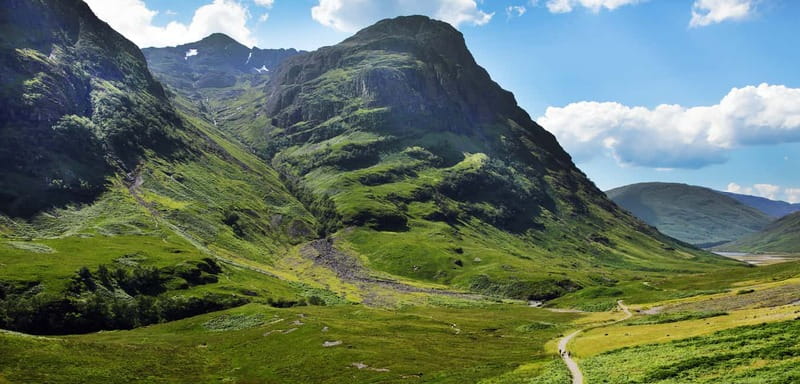
The next morning is Glencoe. You’ll have a short hike and a photograph stop in one of Scotland’s most famous glens. This is not about conquering a mountain. It’s about walking far enough to feel the air change, then snapping the views while you still have energy.
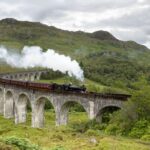
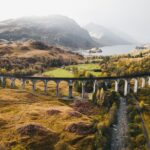
After Glencoe you head to the Glenfinnan Viaduct area, then on to Fort William. This portion gives you a choice of optional experiences:
- a Ben Nevis Whisky distillery tour, or
- a visit to Inverlochy Castle and Neptune’s Staircase
Either way, it’s a good example of how the route balances nature with Scottish culture—because Highlands travel isn’t just about looking at mountains. It’s about how people lived, worked, and celebrated in the same places.
From Fort William you push north to Loch Ness for photos of the famous Nessie. You’re not here for a long cruise—this is more about the instant recognition, the waterline views, and the fun moment of seeing how the legend sits in real terrain.
Eilean Donan Castle and the three-loch meeting point: a Highlands postcard that earns its hype
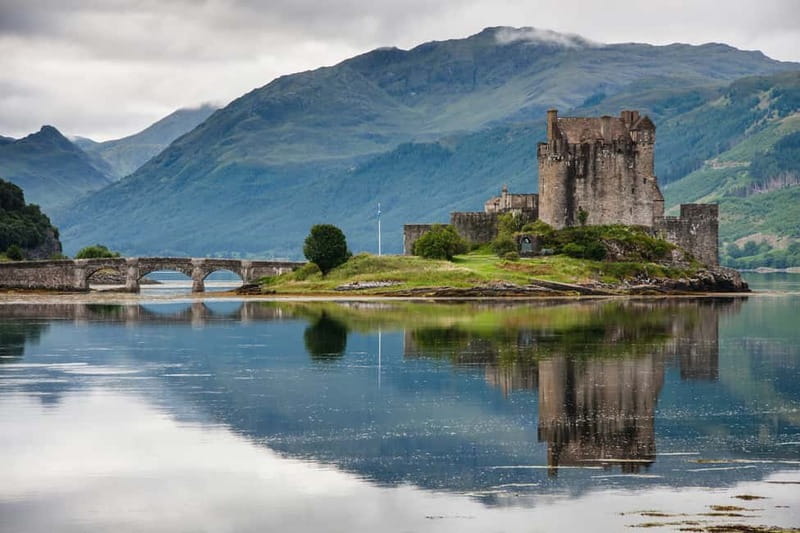
This part of the route brings you into some of the most iconic “where to look” scenery. You pass through Glenshiel, take in the Five Sisters of Kintail, and then reach the meeting point of Loch Duich, Loch Long, and Loch Alsh—the setting for Eilean Donan Castle.
This is one of those locations where timing matters. If the weather is decent, the castle is the kind of stop that makes you stop thinking about logistics and just start photographing. If the weather turns, you still get something valuable: the sense of scale, and how dramatic these waters and mountains can look even when skies don’t cooperate.
It also sets you up for the Skye day ahead. You’ll spend day three deep into landscapes shaped by geology, and Eilean Donan is a nice “bridge” stop that connects the broader Highlands story to the specific Skye shapes.
Isle of Skye on day three: Trotternish, Quiraing, and Old Man of Storr time
If you came for Isle of Skye, day three is where the trip pays you back.
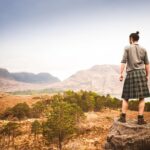
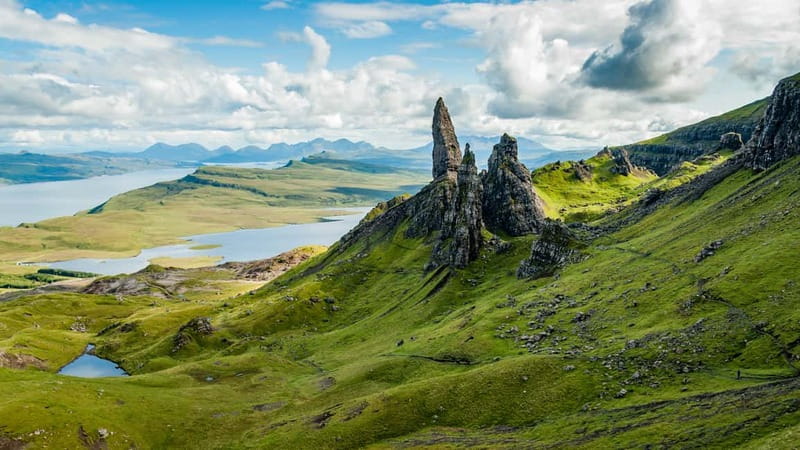
You start with the Trotternish Peninsula and three of the best-known photo-and-walk stops:
- Old Man of Storr
- Kilt Rock
- The Quiraing
The guide will share local folklore tied to how the landscape formed. Even when you’re not an “interpretive geology” person, these stories help your brain hold the shapes in place. You begin to see why people call Skye weird in the best way.
After those highlights, you’ll visit the Museum of Island Life. This one is seasonal (April to October) and is optional. If it runs when you’re traveling, it’s a good pause from the nonstop outside views. It helps you understand what living in these places demanded.
Then the loop continues, taking in magnificent views as you head north and around Skye—toward the Torridon Mountains in the east and toward the Outer Hebrides side of things.
If you want a practical tip: bring layers. Skye weather can shift fast, and you’ll be outside enough that “just a jacket” might not feel enough.
Plockton, Loch Carron, and the palm-tree contrast
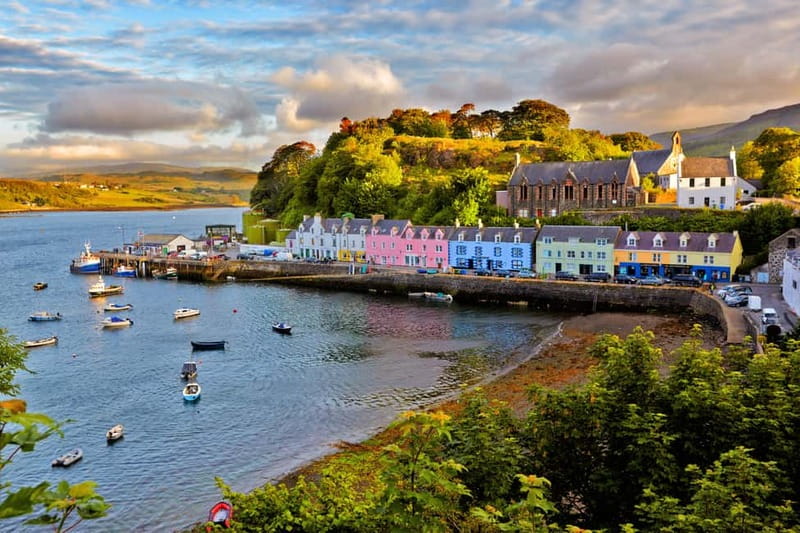
Skye isn’t only rugged cliffs and wind. The route also steers you toward Plockton, a pretty village you travel to via Kyle of Lochalsh on the way toward the Cuillin Mountains area.
Plockton has a surprising detail in the plan: in April to October, you’ll have the option of a seal spotting cruise along Loch Carron. The description also notes the area is palm-tree lined, which is a fun contrast against the Highlands’ usual image.
This stop works well because it changes the pace. You go from steep-looking geology to calmer water and small-village life. If you choose the cruise, it’s a good way to balance all the walking with a slower, coastal experience.
Also: you’ll likely want to keep expectations realistic. This is not a luxury tour day at sea. It’s a practical add-on that fits the overall schedule, giving you one more way to connect to the region.
North Highlands day four: Corrieshalloch Gorge, Ardvreck Castle, and Ullapool
Day four shifts gears to the North Highlands, and it’s built around big nature stops plus a couple of ruins and geology learning moments.
First is Corrieshalloch Gorge, noted as Scotland’s deepest gorge. Even if you don’t know the details beforehand, this is the kind of place where the sound and scale do the explaining.
Next you’ll travel past towering peaks as you join the North Coast 500 route. Then you reach the ancient ruin of Ardvreck Castle, which adds a “human story” layer right alongside the wild terrain.
After that comes Knockan Crag, described as a geology-focused stop. It’s a reminder that Scotland’s Highlands views aren’t random—they are written in rock, erosion, and time.
From there you head to Ullapool, a fishing town and a solid lunch base. After lunch, you visit Rogie Falls, with cascading water and gentle trails among the forest. This is a nice break from the highest-drama viewpoints and a chance to stretch your legs a bit more comfortably.
Then you make your way to Beauly, once associated with Mary Queen of Scots, before finishing at Inverness for your last overnight base.
Clava Cairns to Culloden and then St Andrews: the history-heavy finale
Your final day starts with Clava Cairns, a site of standing stones and burial chambers dating back about 4000 years. It’s a different kind of “ancient” from the castle-and-battlefield days, and that variety helps the finale feel fresh.
Next is Culloden Battlefield, the location of the last battle fought on British soil. This is a serious stop. Even if you only know the headline version, being at the site makes it more real. The guide’s explanations here matter—because the terrain and the names help you understand what happened where.
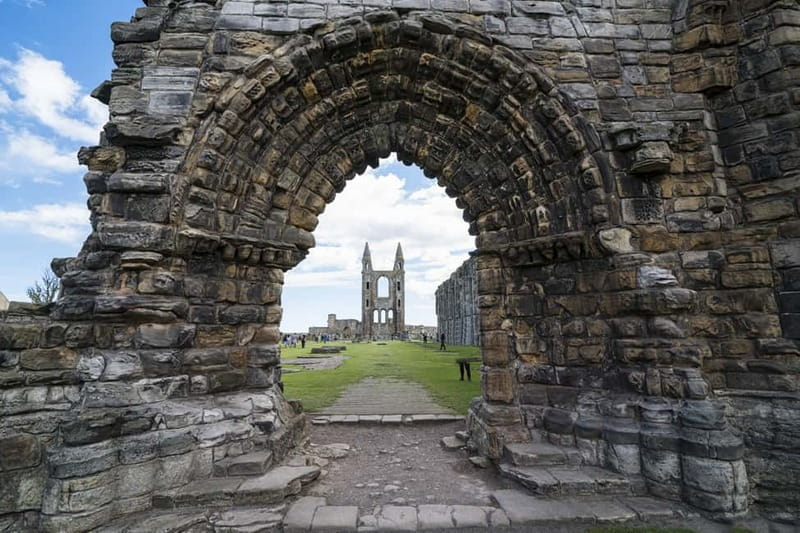
From Culloden you pass through Cairngorms National Park area and then arrive in St Andrews, the medieval walled town that ends the trip on a strong note. You’ll see St Andrews University, described as the oldest in Scotland, plus St Andrews Cathedral. There’s also an optional cathedral museum and tower.
In the evening, the route winds through Fife fishing villages, crosses the Forth Road Bridge, and returns you to Edinburgh. The point isn’t just reaching the end—it’s ending with a town that feels livable and walkable after several full days of bus time.
Price and value: what $428 covers, and what you’ll pay separately
At $428 per person for the 5-day tour, you are paying for a lot of guided movement: driver, tour guide, a 5-day guided tour, and an air-conditioned bus. Given the daily distances and multiple regions (Highlands, Skye, North Coast, and Fife), this is a reasonable “you won’t have to drive yourself” value.
What’s not included matters for budgeting:
- meals and drinks
- optional add-ons like the Scotch whisky distillery tour (Ben Nevis)
- optional seasonal stops like the Museum of Island Life and the seal tour
- optional St Andrews cathedral museum and tower
- and importantly, 4 nights of accommodation in Oban, Portree, and Inverness (your expense)
So the true cost depends on where you choose to stay and how you handle meals. That said, the structure is built to help you: you’re given bases each night, not endless “move every hour” chaos.
If you’re thinking of saving money, one easy strategy is to plan your meals around the towns where you have time built in, then reserve optional tickets for the stops you really care about.
Practical tips that make the biggest difference
A few things here can make or break your comfort level.
Book dinners early in Portree. The plan notes you’ll arrive around 18:30, and Portree can get busy. If you want a pub meal or restaurant dinner, reserve ahead.
Bring comfortable shoes. You’ll do short hikes and walk stops (Glencoe, Quiraing area, Rogie Falls), and you’ll want traction.
Have a flexible mindset about weather. Skye and the Highlands love changing conditions. Even when weather shifts, the guide will still give you the best shots and the best routes for the day.
Plan extra time on the last day. You’re estimated to reach Edinburgh around 18:30 on day five, with a note to allow at least two extra hours for onward travel. Think of it as buffer, not pessimism.
Who this Skye, Oban, Inverness, and St Andrews tour fits best
This works best for you if you want the highlights of the Scottish Highlands without assembling complicated logistics yourself. It’s also a great match if you like a guide-led pace and enjoy hearing stories tied to places you’re standing in.
It’s less ideal if you:
- need wheelchair access (the tour is noted as not suitable for wheelchair users)
- have mobility limitations that make uneven ground hard
- want a fully self-paced trip with no early starts
It’s also not aimed at kids under 7.
If you’re a couple, friends, or solo traveler who likes meeting a small group and getting expert context, you’ll fit right in.
Should you book this Highlands tour?
I’d book it if you want Isle of Skye’s signature stops, you’re interested in real historical sites like Dunadd and Culloden, and you’re okay paying extra for lodging and meals to keep the route efficient. The guide quality seems to be a major strength—both Stephen and Michael are described as standout hosts—so you’re not just buying views. You’re buying explanations, energy, and timing.
Skip it if your ideal vacation is slow and private, or if you dislike long days on the bus. This tour is active, and the schedule moves.
If you do book, lock in lodging for Oban, Portree, and Inverness early. Then pack for weather shifts, save energy for the short walks, and let the route do what it does best: connect lochs, castles, and Skye geology into one coherent week.
FAQ
What time does the tour depart from Edinburgh?
Check-in starts at 8:00 AM, and the bus departs at 8:15 AM sharp from 1759 Regent Rd in front of the Burns Monument.
Where does the tour stop for overnight stays?
Overnight stays are in Oban, Portree, and Inverness, and you arrange these yourself (4 nights of accommodation are not included).
Are meals included in the price?
No. Meals and drinks are not included.
Are the whisky distillery and other activities included?
A guided distillery tour is optional, and other optional stops include the Museum of Island Life (seasonal) and the seal spotting cruise (seasonal). St Andrews cathedral museum and tower are also optional.
Is the Museum of Island Life always available?
No. The Museum of Island Life is optional and listed as seasonal, typically running April to October.
Is the seal spotting cruise always available?
No. The seal spotting cruise is optional and listed as seasonal, typically running April to October.
Is the tour suitable for people with mobility impairments or wheelchairs?
No. It’s not suitable for people with mobility impairments and not suitable for wheelchair users.