
REVIEW · GLASGOW
Glasgow: Stuck in the 90s… A Nostalgic Musical Escape Room
Book on GetYourGuide →Operated by eeek! Escape Rooms · Bookable on GetYourGuide
90s nostalgia meets a real head-scratcher. In Glasgow, Stuck in the 90s turns a classic murder mystery into a music-fueled puzzle sprint, built around the fall-from-glory story of pop icon Blade Heart. I really like how the room uses that 1990s pop world as the game’s engine, not just a costume.
You’ll get a lot of fun from the teamwork pace and the way the dedicated games host keeps you moving when you hit a stubborn puzzle. I especially noticed how helpful staff were in practice, with hosts like Eliska and Edi stepping in at just the right moment. One consideration: this experience is not suitable for wheelchair users or people with mobility impairments, and it’s not a good fit for kids under 5 or adults over 75.
In This Review
- Key things to know before you go
- The 75-minute case: how the escape room flow really feels
- Blade Heart’s studio death: the plot that keeps puzzles grounded
- Puzzles and “Brain Bruiser” difficulty: challenging, but not hopeless
- The 1990s musical twist: why the theme doesn’t feel gimmicky
- Who this fits best: families, first-timers, and puzzle teams
- Value for $37: what you’re really paying for
- Getting there in Glasgow: easy from Charing Cross and Kelvinbridge
- What the experience includes (and what it doesn’t)
- FAQ
- FAQ
- How long is Stuck in the 90s in Glasgow?
- How many people can play?
- What’s the age recommendation?
- Is it okay if we have never done an escape room before?
- Is the experience in English?
- Where do we meet?
- Can we park nearby?
- What should we bring?
- What is not allowed during the experience?
- Is it accessible for wheelchairs?
- How much does it cost and can I cancel?
- Should you book this 90s musical escape room?
Key things to know before you go
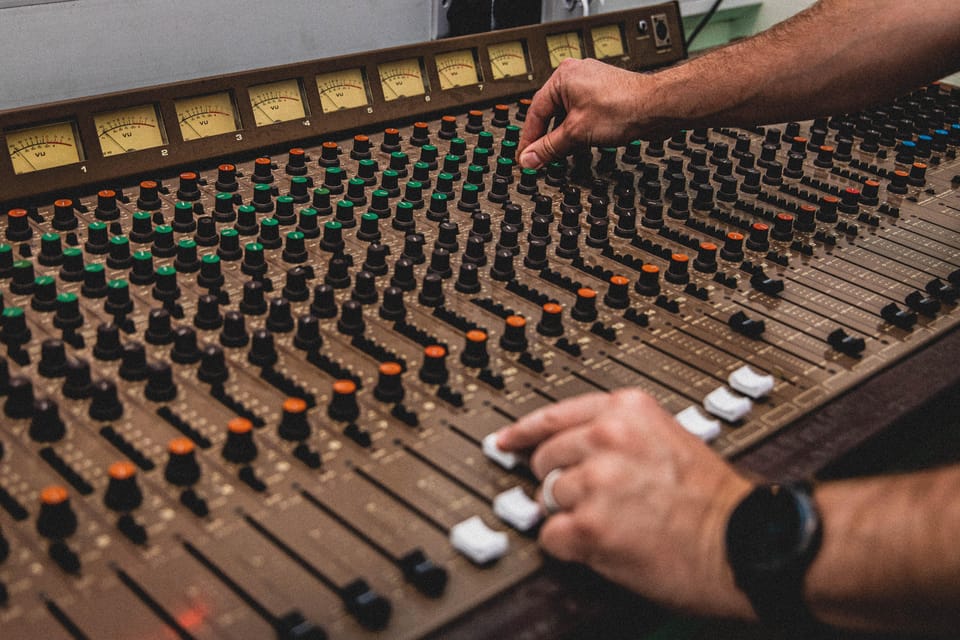
- 75 minutes is long enough for real problem-solving, short enough to keep energy high.
- 2 to 5 players means you can either split tasks or work as a tight unit.
- The storyline is a private detective hunt tied to Blade Heart’s studio death.
- Expect a Brain Bruiser level, with hints when you need them.
- The theme leans hard into 1990s pop culture so the music angle feels meaningful.
- The staff are tuned for pacing, including Eliska and Edi based on guest feedback.
The 75-minute case: how the escape room flow really feels
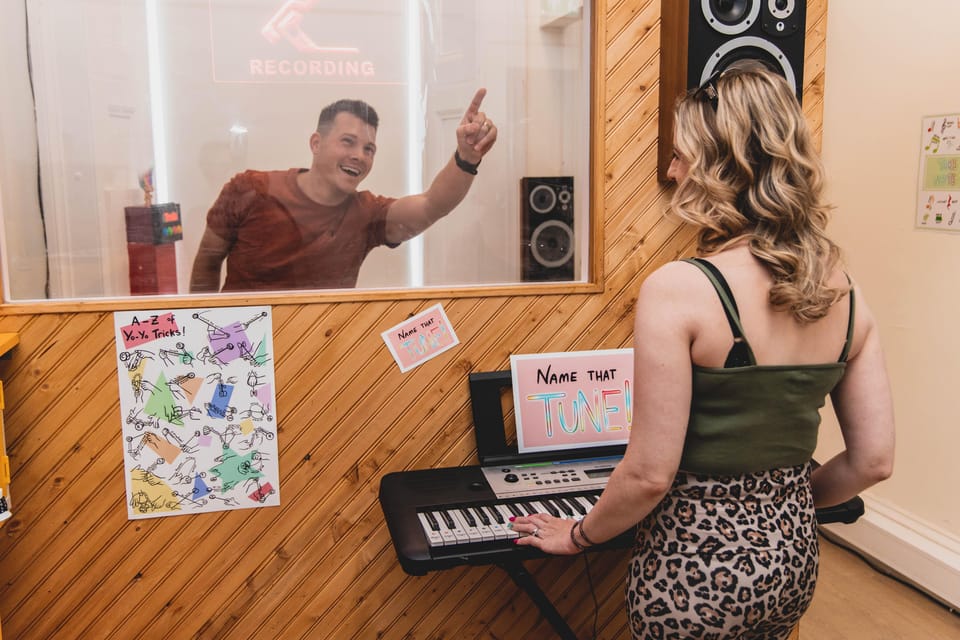
This is not a slow tour. It’s a timed case file you solve while the story presses forward. You start with a clear briefing from the games host, then you move through puzzles designed to get you talking, scanning, and testing ideas as a team.
The biggest practical point: 75 minutes is the sweet spot for most groups. You’re not rushing through “speed-run” puzzles, but you also can’t rely on luck. If you enjoy the process of arguing about logic and then snapping into pattern-finding, you’ll feel right at home.
The murder mystery structure also helps. You’re not just collecting random clues. You’re working toward one job: figuring out who killed Blade Heart, before the truth is revealed to the police. That sense of urgency gives the room momentum without making it chaotic.
You can also read our reviews of more tours and experiences in Glasgow.



Blade Heart’s studio death: the plot that keeps puzzles grounded
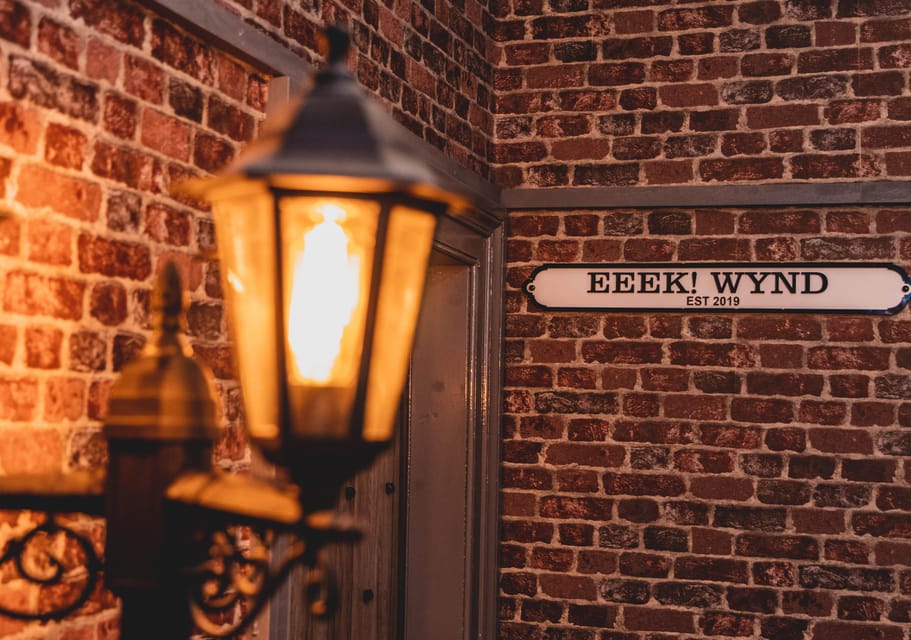
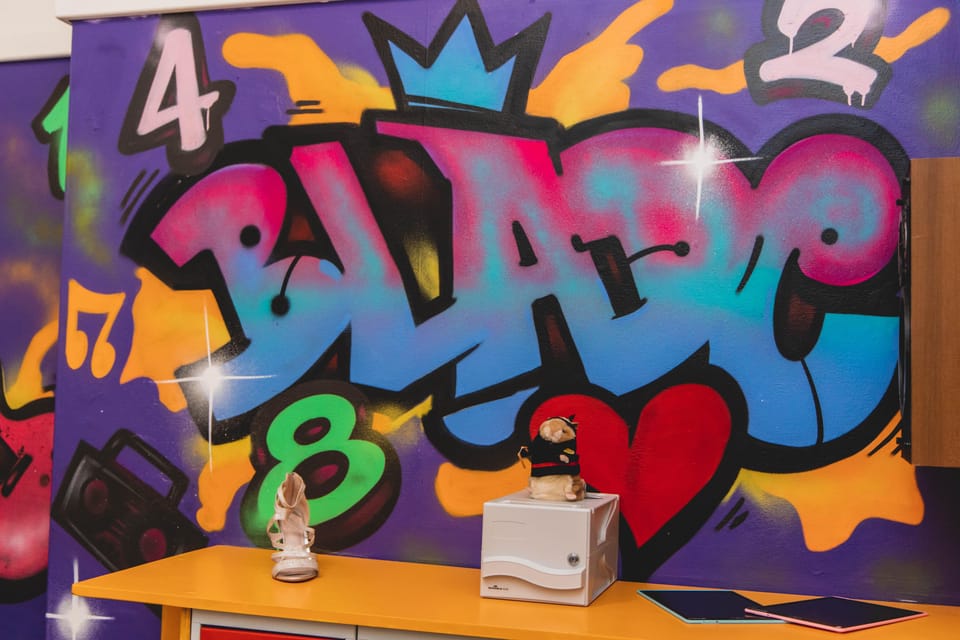
The story kicks off with Lola Chains, Blade Heart’s girlfriend, making a chilling discovery in his studio. The room frames Blade’s life as a kind of time capsule: he’s stuck in the 90s, surrounded by outdated belongings while he chases fame he can’t quite reclaim.
Then the business drama hits. Sleazegenix Music Productions drops Blade from their label, and the fallout turns public. The important part for you is that the rights to his music remain connected to his death, and the owner, Daemon Powell, is worried he’s the prime suspect.
From there, your role is simple: you’re a private detective agency hired by Daemon Powell to uncover how Blade died. And you’re up against a lineup of enemies Blade collected over his career, including ex boyband mate Steel, rapper Big EZ, and Ibiza DJ VanDer Bass. That suspect list matters because it turns your puzzle-solving into a truth-finding mission, not just code cracking.
I like this approach because it gives you a reason to care about every clue. Even if you’re not a hardcore 90s pop buff, the plot makes the logic feel human: motive, opportunity, and the story you can prove.
Puzzles and “Brain Bruiser” difficulty: challenging, but not hopeless
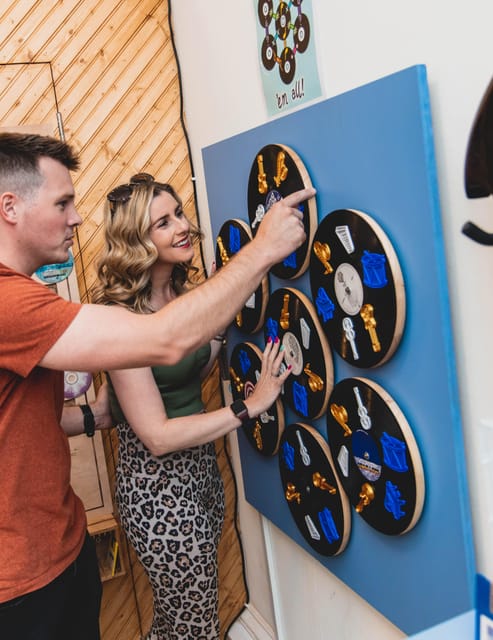
The difficulty rating is listed as Brain Bruiser, and that’s a fair warning. You should expect puzzles that require more than spotting one obvious thing. It’s more like a set of short mental workouts: some tasks will feel lateral, others will click once you connect two pieces of information.
In rooms like this, the difference between fun and frustration is pacing. And that’s where the host support matters. Based on guest feedback, staff like Eliska know when to give an extra clue without wiping out the puzzle for you. The goal is to keep your team in the game, especially if you get stuck in a loop.
Practical advice for your group:
- Split roles, even if it’s informal: one person scans clues, another tests logic, another watches the clock and keeps notes.
- When you hit resistance, don’t keep forcing the same angle for 10 minutes. Ask for help sooner and re-enter with a fresh mindset.
If you’re new to escape rooms, you’re not at a disadvantage here. One of the strongest repeated themes from guests is that instructions were clear and support was genuinely useful.
The 1990s musical twist: why the theme doesn’t feel gimmicky
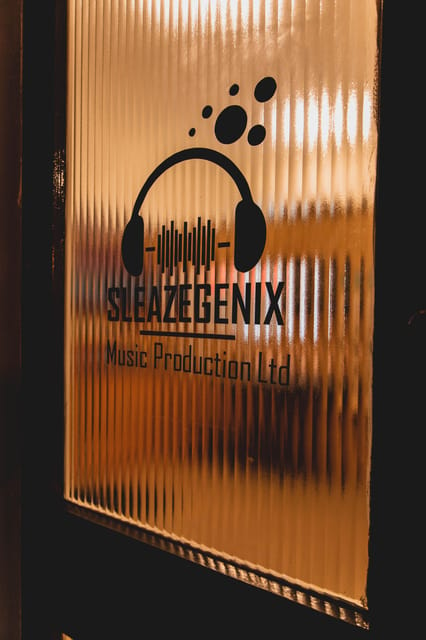
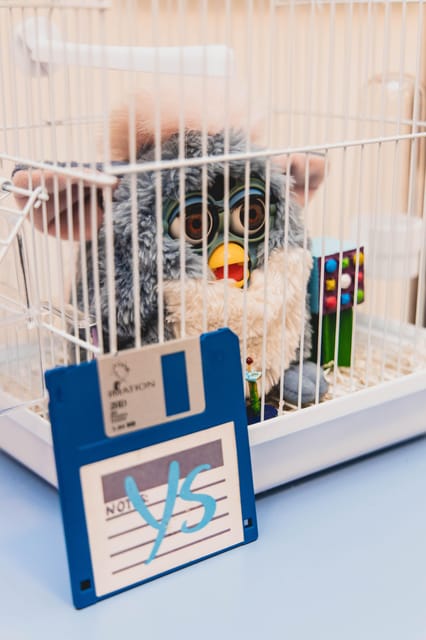
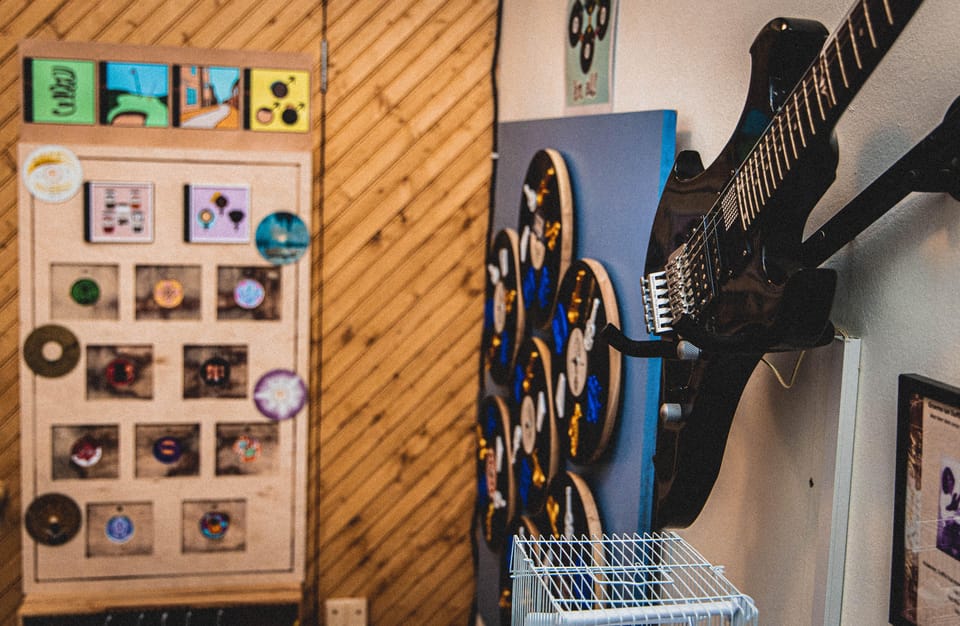
This room leans into 1990s references on purpose. You’ll recognize the era cues: the boyband vibe, the bleached-hair energy, and the whole Kappa tracksuit and Macarena style of nostalgia. But the real value is that the musical element is tied into the experience, not tacked on as decoration.
Guests specifically call out that the music hits the mark and that the musical twist makes the experience better for families and mixed-age groups (for example, a family of four said the kids loved it). That tells me the design treats music as part of the puzzle world, which is exactly what you want.
So if your group likes 90s pop, you’ll get a double payoff:
1) you’ll recognize the references, and
2) those references will help you think through clues faster.
Even if you don’t know the names, the room’s tone still works. It’s playful and playful is important. A murder mystery can go heavy. Here, the humor and pop culture flavor keep the atmosphere light while the puzzles do the real work.
Who this fits best: families, first-timers, and puzzle teams
This is built for groups of 2 to 5 players, which is a great size for escape rooms. With two people, you’ll solve more by collaboration and back-and-forth. With four or five, you get the advantage of more eyes on clues and more ways to interpret them.
Recommended age is 10+, and that’s consistent with the kind of brainwork involved. It’s also consistent with the family feedback: kids can handle it when instructions are clear and when the host support helps keep you from getting stuck too long.
First-timers often worry they’ll feel lost. That’s not the vibe here. Guests highlighted that the setup and guidance are clear before you go in, and the host support helps you keep momentum.
If your group loves:
- team problem-solving,
- logic puzzles,
- and pop culture themes that feel period-accurate rather than cheesy,
then you’ll probably have a great time.
The main mismatch is practical: the experience is not suitable for wheelchair users or people with mobility impairments, and it’s also not listed as suitable for people over 75. Comfortable shoes are required, so plan for a bit of movement and leaning in a contained space.






Value for $37: what you’re really paying for
At $37 per person, the value comes from the combo: time, challenge level, and guided help. You’re not paying for a long spectacle. You’re paying for a focused session where everyone contributes, guided by a host who can step in when you need it.
Because it’s 75 minutes, your group gets enough duration to get invested. And because the puzzle level is more than basic, you won’t feel like the experience is finished in 25 minutes. The best value isn’t just the entertainment. It’s the fact that the “win” requires teamwork and deduction.
If you’re comparing escape rooms, I’d look at three things:
- how well the theme supports the puzzles,
- how helpful the staff are when you’re stuck,
- and whether the time feels right for your group size.
From the feedback and the structure, this checks those boxes. People repeatedly mention great puzzles and solid music, plus clear instructions and friendly, supportive hosts.
Getting there in Glasgow: easy from Charing Cross and Kelvinbridge
The meeting point is at eeek! Escape Rooms Glasgow, about an 8-minute walk from Charing Cross Train Station and roughly 15 minutes from Kelvinbridge Underground Station. That’s a practical setup: you can reach it without planning a bus route or a long trek.
If you’re driving, there are ample parking spaces outside the premises. Some spaces may be metered, but costs are described as low for short parking. Free parking is available evenings and weekends, which can matter a lot if you’re aiming for an after-work time slot.
Because this is a puzzle room, I’d treat travel time like part of your game plan. Show up a few minutes early so your team starts with energy, not stressed about being late.
What the experience includes (and what it doesn’t)
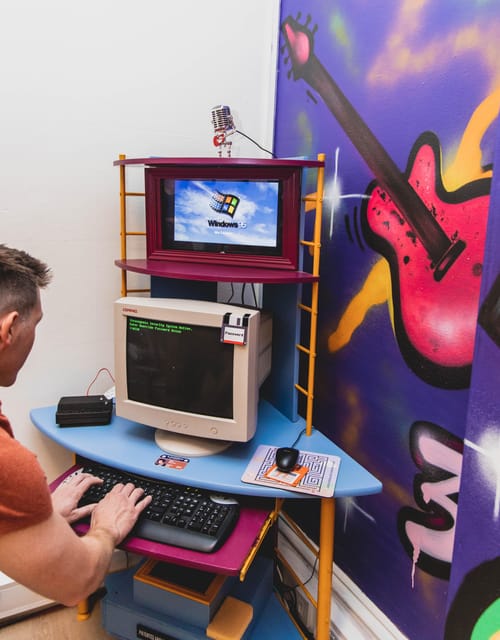
You get a dedicated games host, and the room is designed for a private group. The language is English, and it’s run as a live, guided experience rather than a fully self-directed app game.
What you should plan around:
- Comfortable shoes are recommended.
- No food or drinks are allowed.
- No flash photography.
- No alcohol or drugs.
Those rules make sense for a shared indoor space and for keeping the game materials and lighting consistent. It also means you can focus on the puzzles without the distraction of snacking mid-case.
FAQ
FAQ
How long is Stuck in the 90s in Glasgow?
It lasts 75 minutes.
How many people can play?
It’s designed for 2 to 5 players.
What’s the age recommendation?
It’s recommended for ages 10 years and over and it’s not suitable for children under 5.
Is it okay if we have never done an escape room before?
Yes. The experience is guided with clear instructions before you go in, and the host can help if you’re struggling.
Is the experience in English?
Yes, the live tour guide and game host are English.
Where do we meet?
You meet at eeek! Escape Rooms Glasgow. It’s an 8-minute walk from Charing Cross Train Station and about a 15-minute walk from Kelvinbridge Underground Station.
Can we park nearby?
Yes. There are ample parking spaces outside the premises, with some metered spots and free parking in the evenings and on weekends.
What should we bring?
Bring comfortable shoes.
What is not allowed during the experience?
Food and drinks, flash photography, and alcohol or drugs are not allowed.
Is it accessible for wheelchairs?
No. It’s listed as not suitable for wheelchair users and people with mobility impairments.
How much does it cost and can I cancel?
The price is $37 per person. You can cancel up to 24 hours in advance for a full refund.
Should you book this 90s musical escape room?
If your group likes 90s pop culture and you want a puzzle challenge with enough structure to keep things moving, book it. The combination of a clear murder mystery storyline, music that fits the theme, and real host support (including staff like Eliska and Edi mentioned by guests) makes this a strong pick for both first-timers and seasoned escape room fans.
If anyone in your group needs wheelchair access or has mobility limitations, skip it and look for a more suitable option. And if your team hates puzzle pressure, the Brain Bruiser label is your heads-up: you’ll have fun most if you like thinking as a group, not racing alone.