REVIEW · GLASGOW
Merchant City: Past and Present Music Tour
Book on GetYourGuide →Operated by Glasgow Music City Tours · Bookable on GetYourGuide
Glasgow’s music scene has street-level proof. This 2-hour walk ties together past and present venues, starting in the East End and moving through Merchant City, where the stories are told by people with deep ties to the scene. I especially like how the tour balances big-name landmarks with small, human details that make the music feel local.
Second, I love that you get entry into the Britannia Panopticon, the UK’s oldest surviving music hall, instead of just standing outside for photos. Guides such as Phil and Fiona are known for keeping things funny and warm, not stiff. One thing to consider: if you’re not into the specific bands mentioned, some of the references may feel a bit in-the-weeds—still enjoyable, but less instantly relatable.
If you want your Glasgow to sound like it looks on posters—gritty, creative, and very alive—this is a great use of a couple of hours.
In This Review
- Key takeaways before you go
- Starting at The Clutha: where the tour’s energy begins
- Merchant City and the UNESCO City of Music thread
- The Barrowland Ballroom and the Barrowland Pathway walk
- Britannia Panopticon: Britain’s oldest surviving music hall
- Genre stories: folk, punk, pop, and rock on the same streets
- Visual art and music: why the scene never stayed in one lane
- Finishing at Mono Café Bar: what to do with the momentum
- How much is it, and is $26 value for real?
- Who this tour suits best
- Should you book the Past and Present Music Tour?
- FAQ
- How long is the Past and Present Music Tour?
- How much does the tour cost?
- Where does the tour start?
- What’s included in the tour?
- Is the tour in English?
- Will there be stairs or hills?
- What should I wear?
- What will I see during the tour?
Key takeaways before you go
- Britannia Panopticon entry included so you see a real piece of music infrastructure, not just a facade
- Barrowland Ballroom stories with the kind of venue lore that makes the neighborhood feel bigger
- A mix of genres on the same streets from folk and punk to pop and rock
- Old streets, fewer tourist stops focused on Merchant City and the East End rather than the usual loop
- A guide-led vibe where humor and anecdotes help the facts stick
- Ends at Mono Café Bar so you can keep the night rolling with a nearby stop
Starting at The Clutha: where the tour’s energy begins
The tour’s meeting point is outside The Clutha / Victoria Bar, at 167 Stockwell Street (G1 4SP). That matters because it’s a real live-music pub—so you start with the right atmosphere. You’re not waiting in a blank street corner; you’re stepping into a scene that already runs on gigs, chat, and noise.
From there, the plan is a guided walking loop through Glasgow’s East End and Merchant City. You’ll be on older streets rather than the most obvious tourist route. The walking rhythm also shapes the storytelling: venues and pub corners are treated like chapters, not distant dots on a map.
The tour language is English, and the duration is about 2 hours. That’s a good length if you want something meaningful without turning your day into a long commitment. It’s also long enough for the guide to connect themes—how music, art, and the city’s identity all overlap—without it feeling like a rushed slideshow.
Practical note: you’ll want comfortable, flat shoes. There are stairs and inclines, and since weather in Glasgow can change fast, waterproof clothing helps.
You can also read our reviews of more city tours in Glasgow



Merchant City and the UNESCO City of Music thread
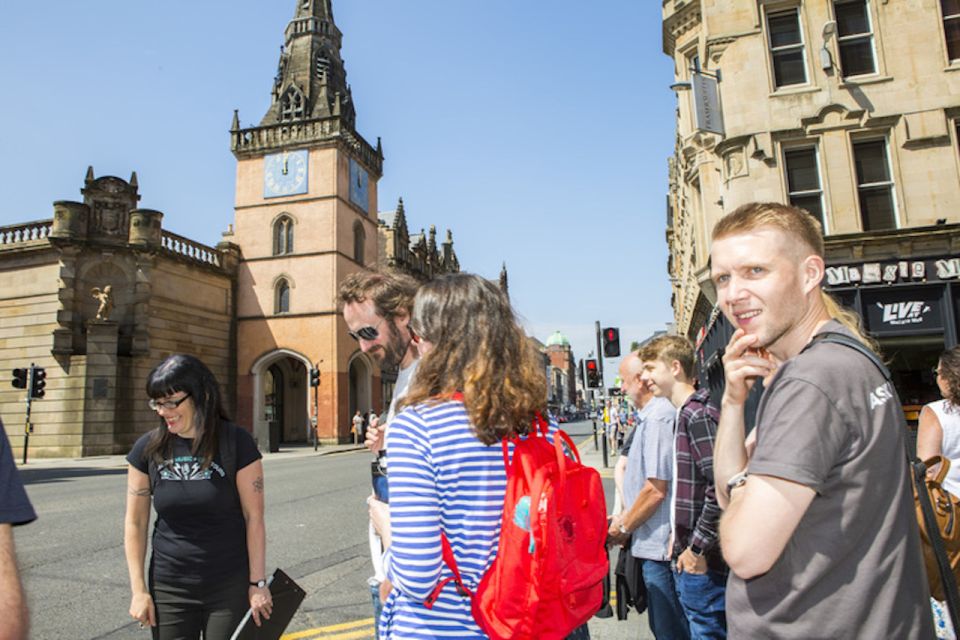
One of the tour’s clever moves is that it doesn’t treat “music history” as something sealed behind museum glass. It frames Glasgow as a place where music is tied to the everyday. You’ll hear why Glasgow was the UK’s first UNESCO City of Music, and—more importantly—what that recognition means in real life: the city has a track record of creative momentum, not just one famous band era.
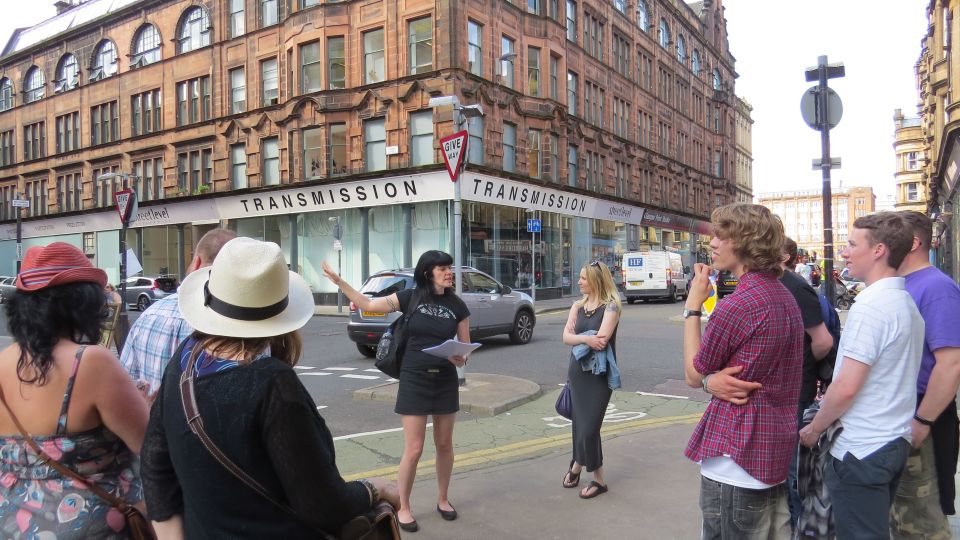
As you move through Merchant City, you’ll also get stories about the relationship between the city’s visual arts community and its musicians. That’s a big part of why the scene has stayed fertile over time. The tour nudges you to look beyond sound and notice the wider ecosystem: posters, artwork, shared spaces, and the fact that creatives often cross paths.
And you’ll hear about both established venues and newer ones that keep the grassroots scene growing. The contrast is important. Older halls and ballrooms are one side of the story; the younger crowd building the next wave is the other side. On a walking tour, you feel that contrast fast because you’re seeing the present streets while the guide talks the past through them.
The Barrowland Ballroom and the Barrowland Pathway walk
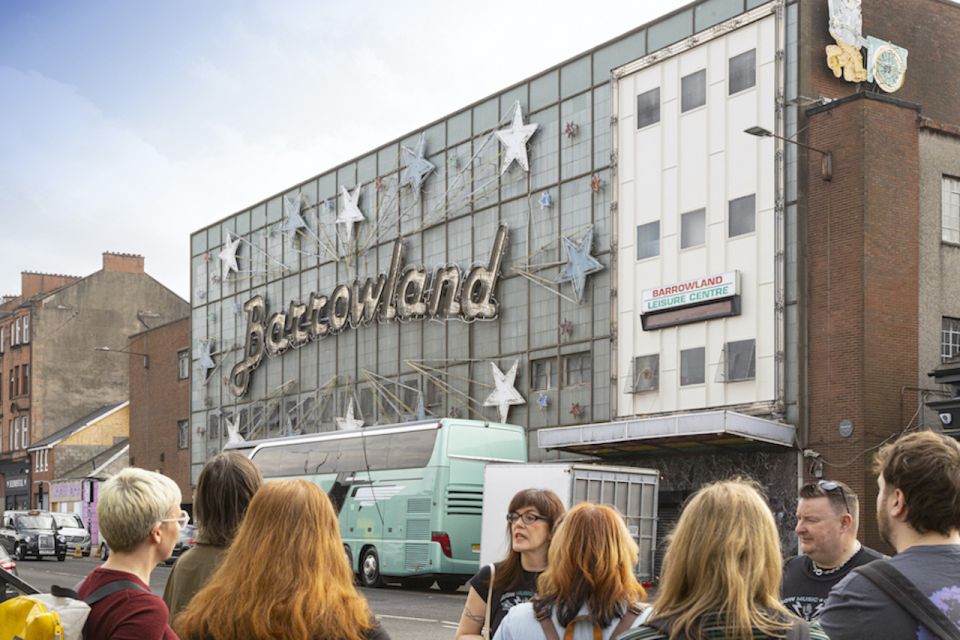
The Barrowland Ballroom is one of those places that people talk about as if it’s a character. On this tour, you get more than location info—you get the sort of tales that make you picture the crowd even if you’ve never been. Expect stories that connect the building to how gigs actually felt: loud, communal, and full of the kind of energy that keeps venues famous.
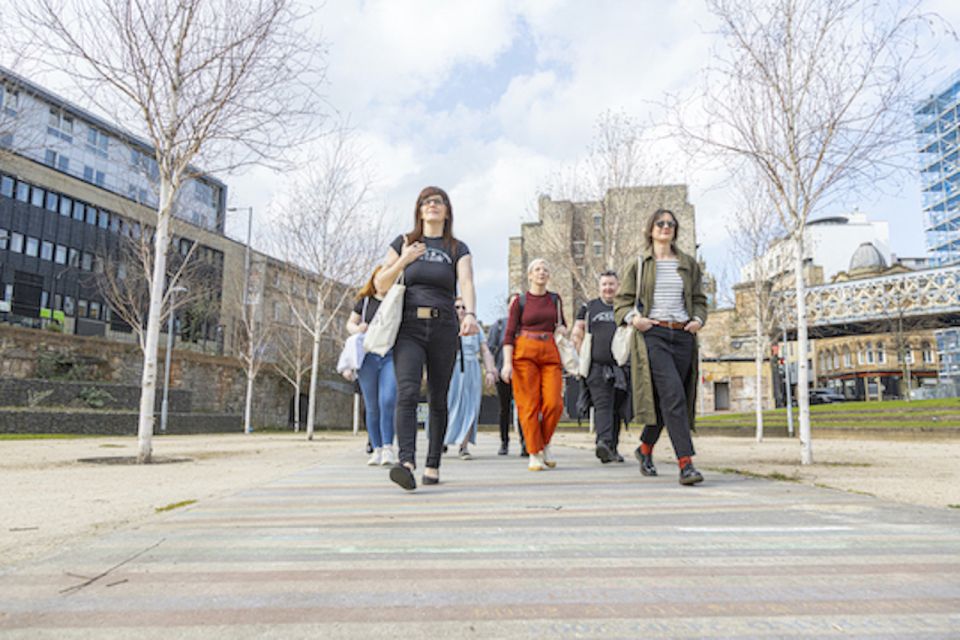
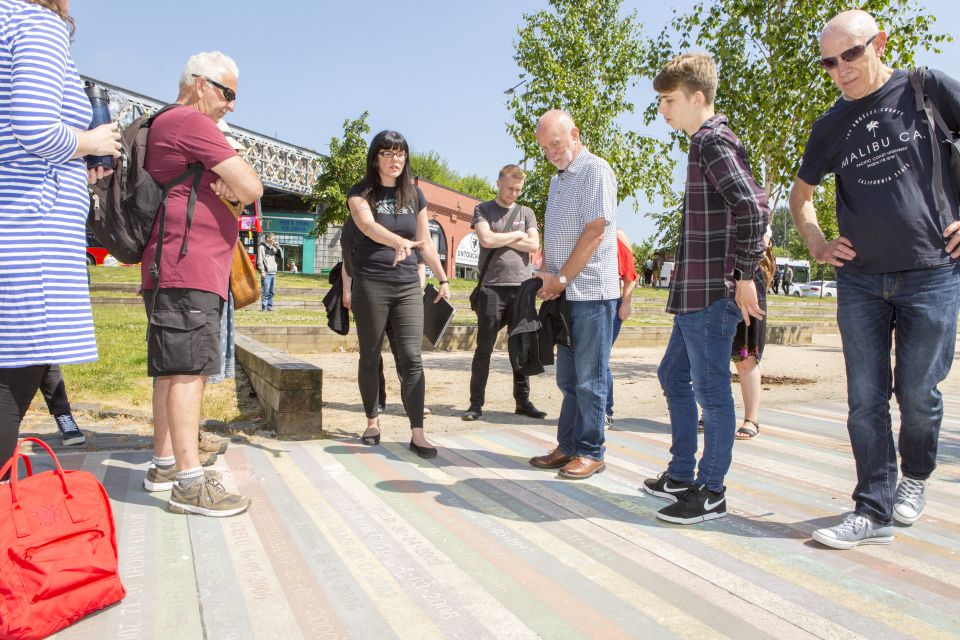
The tour also includes the idea of the Barrowland Pathway, which helps you experience the wider setting around the ballroom rather than treating it like a standalone stop. That’s a smart choice for your understanding. A venue doesn’t live in a vacuum. The pathway concept nudges you to think about approach routes—where people gathered, how the streets shaped the mood, and how the neighborhood flowed into the show.
There’s also genre variety in this section. You don’t just hear one style of music being crowned. You’ll hear stories from different corners—folk, punk, pop, rock—and the point is that Glasgow’s streets have hosted many musical identities. That’s why the Barrowland section works even if your favorite band isn’t the one the guide mentions most often. You start to understand the city as a network, not a museum of one sound.
If you’re the type who likes venue lore—who cares how places got their reputation—this part is usually the highlight. If you’re less into music trivia, you may still enjoy it because the guide keeps the pacing lively and human.
Britannia Panopticon: Britain’s oldest surviving music hall
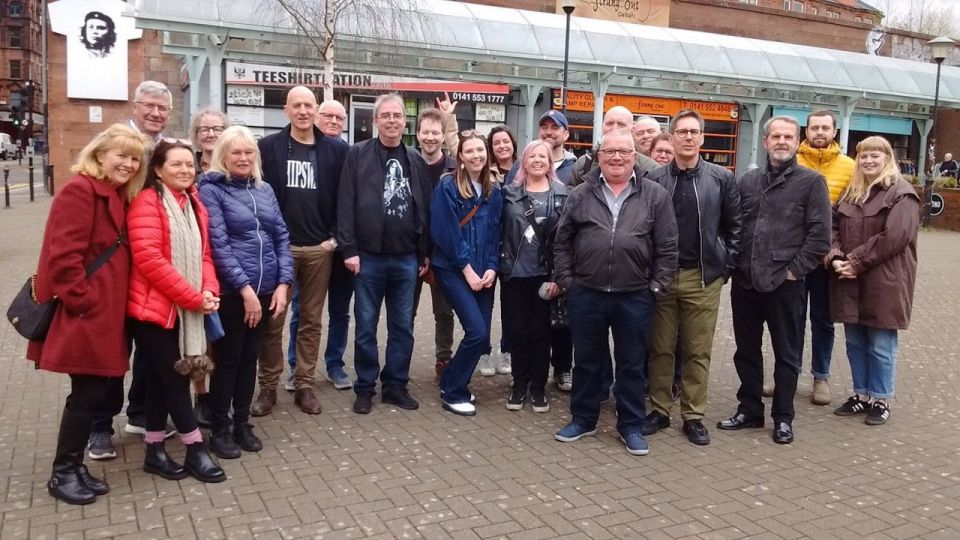
This is the tour stop that gives you the strongest “you are actually here” feeling. The Britannia Panopticon is included with entry, which means your time isn’t wasted on only exterior views. You go inside, and that changes how you experience the building. Music halls are architecture for sound and crowd movement. When you see the layout firsthand, the stories land better.
The tour calls it Britain’s oldest surviving music hall, and you’ll hear context for why that longevity matters. A building like this isn’t only a historical curiosity; it’s a working reminder that Glasgow once treated entertainment as a serious civic space. Even if you don’t know the older acts the guide references, you can still sense the intention built into the venue.
This stop also does something subtle for your trip planning. It helps you understand why people keep returning to specific places. Once you’ve toured the Panopticon interior, you’ll likely think differently about what makes a venue feel special: it’s the way the room holds crowds, and how the venue feels like part of the neighborhood’s identity.
The timing also works within the tour’s 2-hour length. Because entry is included, it’s one of the few stops where your itinerary has a built-in “worth it” factor—you’re not paying for time in transit between photo opportunities.
Genre stories: folk, punk, pop, and rock on the same streets
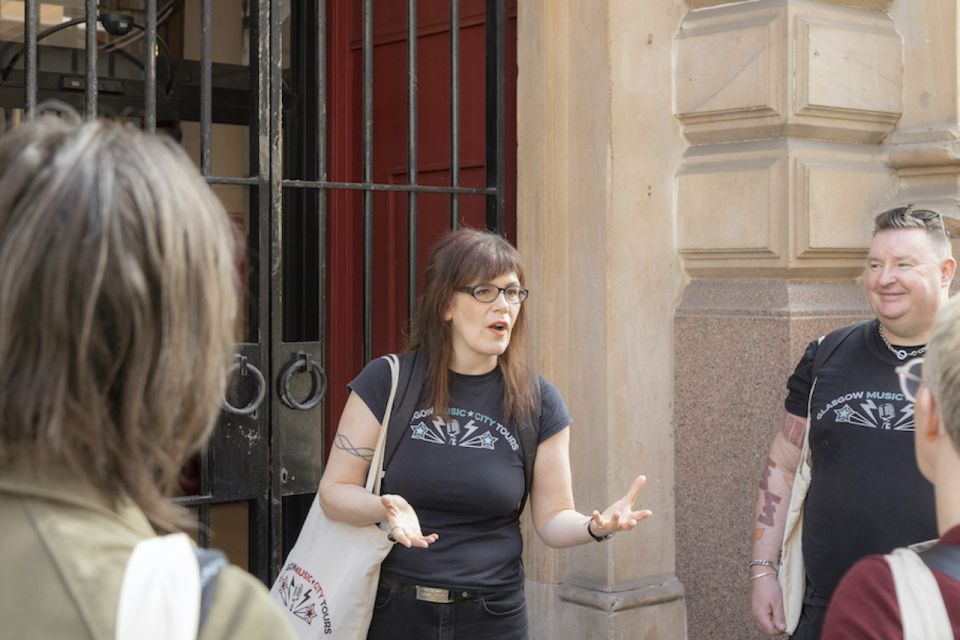
One of the most enjoyable aspects of this walking tour is the genre spread. You’ll hear tales tied to different scenes—folk and punk, pop and rock—plus the way musicians moved between eras. That matters because cities like Glasgow don’t have neat, single-genre timelines. The vibe changes, but the underlying creative engine stays.
You’ll also hear about legendary pubs frequented by folk music giants, and you’ll learn about newer, noisier upstarts keeping the grassroots scene growing. Even without specific names, the contrast helps you picture a living culture rather than a static timeline.
I like that the tour is designed so you don’t need to be a music expert. That said, one reviewer noted that some references felt advanced or hard to connect with if you’re less familiar with the bands being mentioned. That’s your main caution. If you know a few Glasgow-era touchstones, you’ll likely follow everything smoothly. If not, focus on the venue-to-venue stories and the city connections. You’ll still pick up a clear sense of how the scene evolved.
The guide approach makes a difference here. Guides such as Phil have been described as empathetic, witty, and kind, which helps the trivia feel like conversation instead of a lecture. Fiona has also been highlighted for being friendly and informative with lots of laughs. A sense of humor can carry you through the band-name density.



Visual art and music: why the scene never stayed in one lane
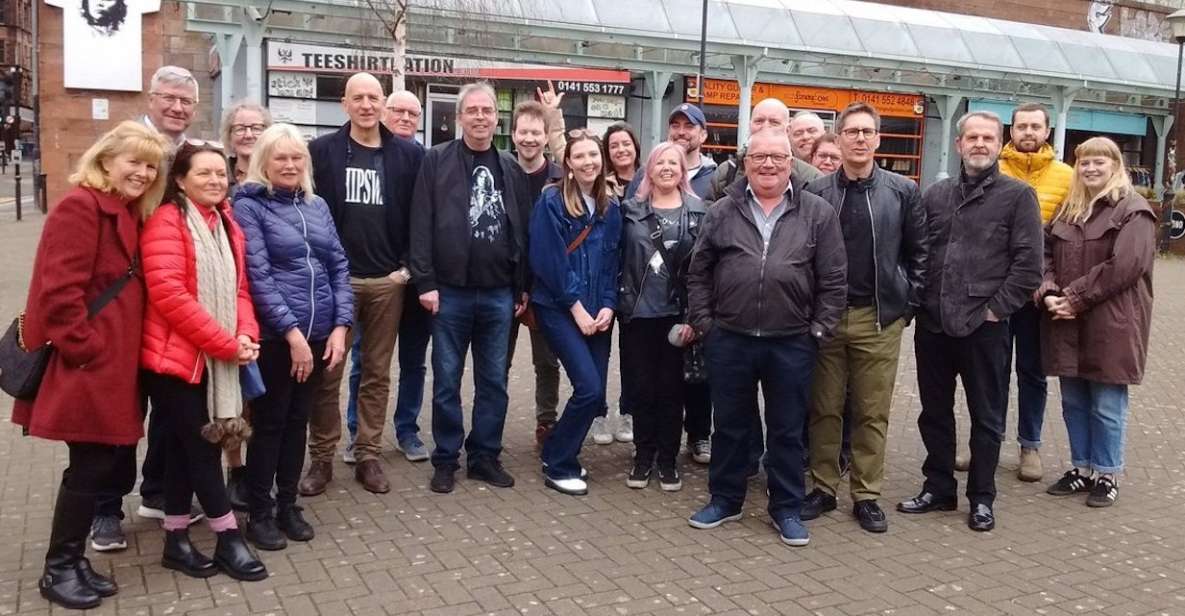
Another theme running through the tour is the overlap between music and visual art. You’ll hear about the fertile relationship between Glasgow’s visual arts community and its musicians. That theme is useful because it gives you a lens for the whole city.
When creative communities share spaces, they tend to share energy. The tour encourages you to notice that music in Glasgow isn’t just about bands. It’s also about artwork, identity, and the people who support scenes behind the scenes—designers, makers, venue regulars, and the broader creative ecosystem.
This kind of context is exactly why I think the tour is valuable even if you don’t consider yourself a “music person.” It helps you understand why certain neighborhoods feel creative, even on days when no show is happening.
Finishing at Mono Café Bar: what to do with the momentum
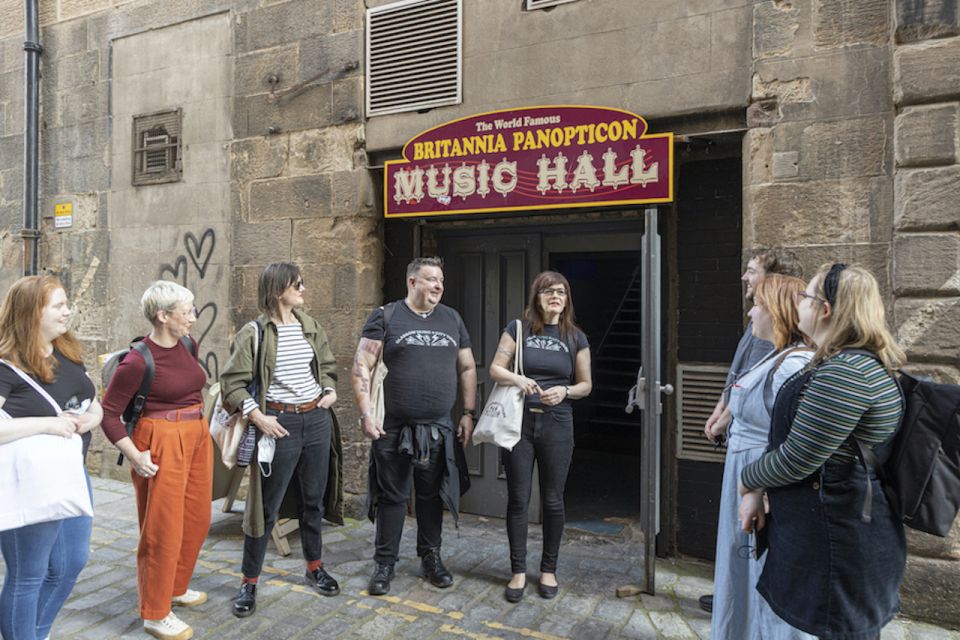
The tour wraps up at Mono Café Bar. That’s a smart ending point because it gives you an easy transition from guided walking to your own plans. After two hours of venue context, you’ll likely want to keep the evening rolling—either with a relaxed drink, a snack, or a nearby music option.
One practical benefit: the guide experience doesn’t stop at the last stop. In at least one case, a guide offered a concert tip for that same evening, and it turned into a fun night with a surprising new band. That’s the kind of add-on value you can actively use: if you want to go further than the tour, ask what’s on nearby while you’re still with the guide.
Since the tour finishes in a place that feels current, it’s also less likely you’ll feel stranded when you’re done. You’re not ending back in a random business district that feels dead after the walk.
How much is it, and is $26 value for real?
The price is $26 per person for a 2-hour walking tour, including entry into the Britannia Panopticon. For me, the value comes down to two things:
1) You’re paying for guide-led context, not just transit between venues. The tour is built around stories and connections—Merchant City and the East End tied together through music culture.
2) You’re getting an included paid entry, which makes the itinerary feel more concrete than a free-form pub crawl.
If you like guided walks where you learn how a place got its reputation, this price feels reasonable. If you’re mainly interested in taking your own photos of famous buildings, you might compare it to cheaper self-guided options. But the moment you factor in the Panopticon entry and the fact that the guide weaves genres and city themes into the walk, it starts to feel like more than a sightseeing package.
Also, the tour is set up to work for both visitors and locals. That’s a good sign: it usually means the storytelling isn’t only trivia for die-hard fans.
Who this tour suits best
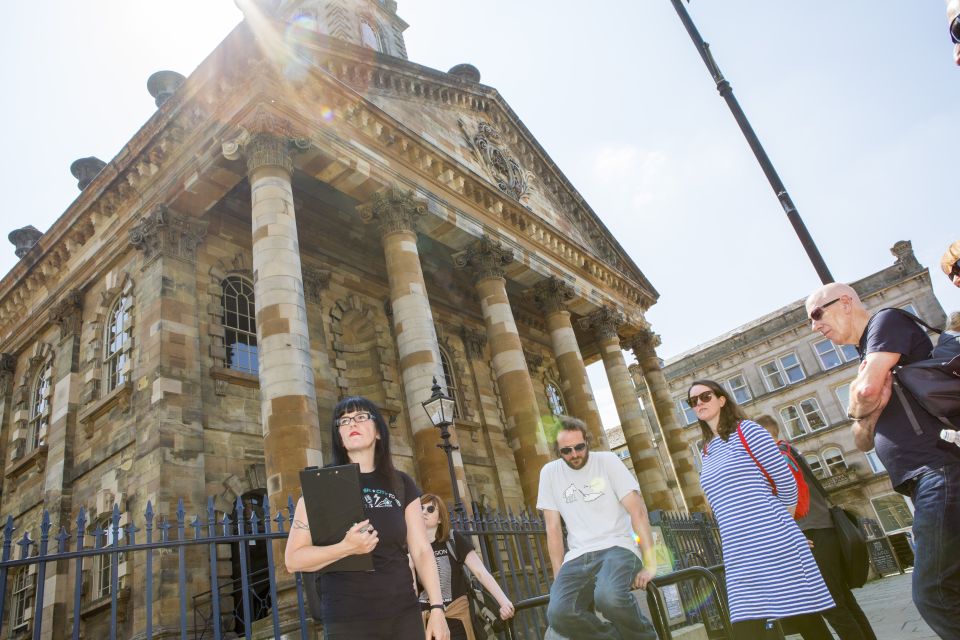
I think this tour is a strong match if you want:
- a 2-hour way to understand Glasgow’s music scene without planning a dozen stops
- a walking route through Merchant City and the East End that avoids the most obvious tourist loop
- venue stories that cover different styles, not just one band category
- a guide who keeps things lively—humor and anecdotes are part of the product
It’s less ideal if:
- you only want stops that are easy for your phone to capture and don’t care about context
- you’re very picky about references to specific bands and scenes. You don’t need to be an expert, but you’ll enjoy it more if you’re open to the names the guide uses.
Should you book the Past and Present Music Tour?
If your Glasgow trip needs a street-level dose of music culture, I’d book it. The combination of a real included venue visit (Britannia Panopticon) plus the story-led walk through Barrowland and the Merchant City/East End route is a solid use of time. For $26 over two hours, you get an easy-to-follow narrative of how Glasgow’s music identity has changed—and why it still matters.
One last tip: wear those flat shoes and bring a rain layer. Then go in curious. If you’d like to maximize enjoyment, ask your guide what’s worth catching later that week. You may leave with more than memories—you may leave with an actual plan.
FAQ
How long is the Past and Present Music Tour?
It lasts about 2 hours.
How much does the tour cost?
The price is listed as $26 per person.
Where does the tour start?
The meeting point is outside The Clutha / Victoria Bar, 167 Stockwell Street, G1 4SP.
What’s included in the tour?
It includes a 2-hour walking tour, an experienced guide, and entry into the Britannia Panopticon.
Is the tour in English?
Yes, the live tour guide offers the tour in English.
Will there be stairs or hills?
Yes. It includes stairs and inclines, so comfortable walking shoes are recommended.
What should I wear?
Wear comfortable, flat shoes and waterproof clothing.
What will I see during the tour?
You’ll visit key music spots including the Barrowland Ballroom, the Britannia Panopticon, and you’ll finish at Mono Café Bar.