REVIEW · GLASGOW
Glasgow: The Magnificent and Mysterious History of Glasgow
Book on GetYourGuide →Operated by Historic Walking Tours of Glasgow · Bookable on GetYourGuide
Glasgow’s past feels close enough to touch. This guided walk threads medieval origins into the city’s 19th-century power and then lands on the arts and oddball street-level sights you’d miss on your own. I especially love how the stories are tied to the architecture on your route, and how the guide makes famous spots like the City Chambers feel connected to real people and real trouble. One drawback to plan for: you’re on your feet for about 2.5 hours, and Glasgow weather can turn fast, so comfortable shoes and rain gear matter.
If you get Bruce, Henry, Ben, or James (I’ve seen these names attached to real tours), you also get a guide who talks like a human, with humor and strong facts. One highlight from past walks: the guide’s attention to group flow through busy streets, plus practical side-notes like where to grab food after. You’ll start just outside Costa Coffee on the north side of George Square, then finish at Glasgow Cathedral, which gives the whole route a satisfying bookend.
In This Review
- Key things I’d put at the top of your list
- Where the walk starts: George Square to City Chambers and the civic backbone
- The first big lesson: how wealth turned Glasgow into a real city
- Merchant City stops that feel like snapshots of real working life
- Old trades and strange landmarks: corsetry, police posts, and named institutions
- The route gets artsy: City Halls, Old Fruitmarket, theaters, and kinetic creativity
- The music-hall moment: Britannia Panopticon and why it matters
- Through the Old Town lanes: Briggait, Saltmarket, Mercat Cross, and bolder street legends
- Finishing at Glasgow Cathedral: the endpoint that makes the whole story click
- Price and pacing: is $18 for 2.5 hours actually a good deal?
- What to bring (and what to avoid) so the walk feels easy
- Who this Glasgow history walk is for (and who should skip it)
- Should you book this Glasgow history walk?
- FAQ
- Where do I meet the guide?
- How long is the walking tour?
- Is the tour rain or shine?
- What should I bring?
- Who is this tour not suitable for?
- Where does the tour end?
Key things I’d put at the top of your list
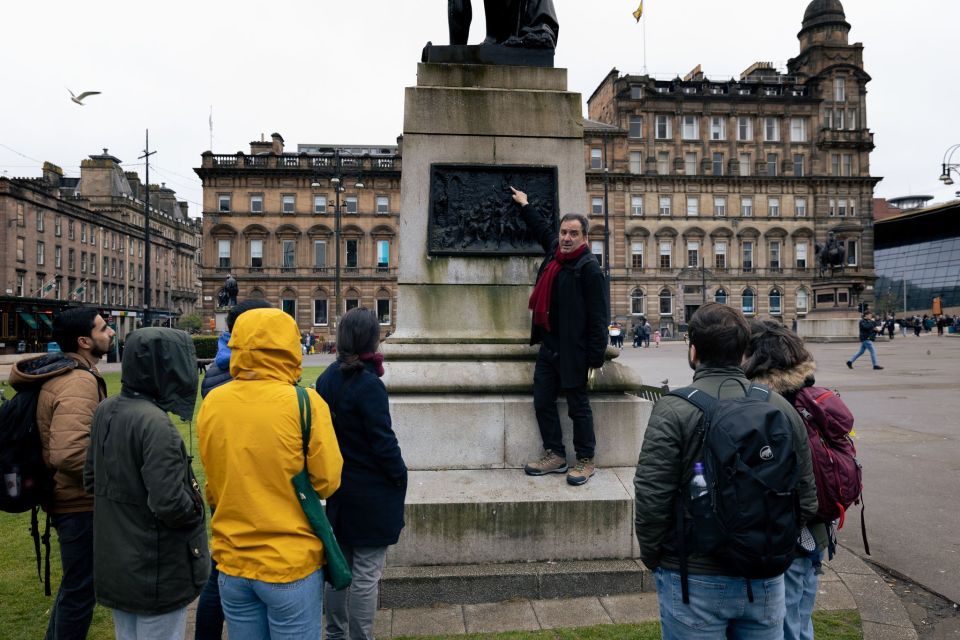
- Sixth-century origins to the empire-era boom, all explained at street level
- Civic landmarks first, so you learn the city’s main logic early
- Merchant-city details, where wealth, trade, and work show up in stone and street names
- Music halls, theaters, and murals, so modern Glasgow feels part of the same story
- Frequent photo stops that keep the pacing easy and the photos worth it
Where the walk starts: George Square to City Chambers and the civic backbone
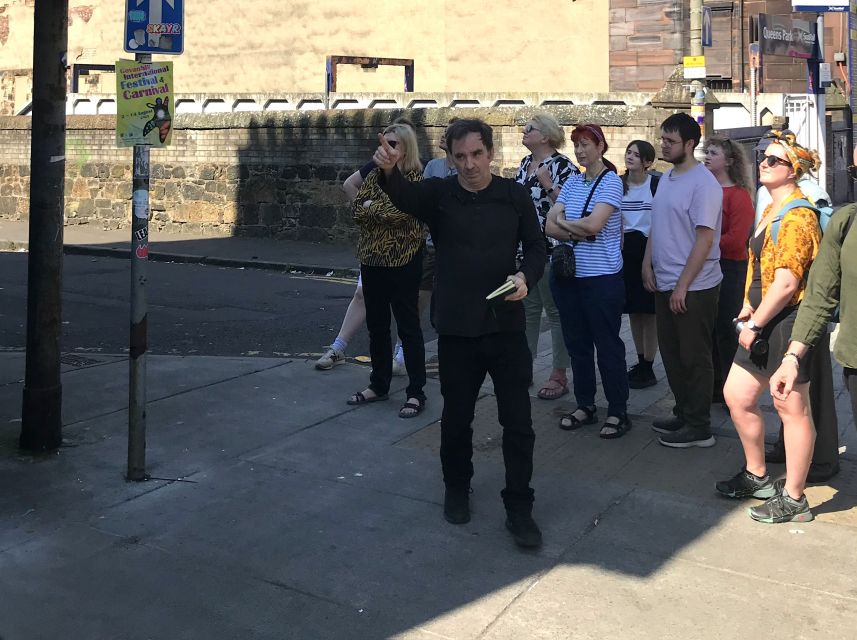
The tour begins just outside Costa Coffee, on the north side of George Square. If you’re arriving by foot, this is one of the easiest places to orient yourself, because George Square sits right in the city-center flow. The first stretch is short and focused: you’re getting oriented before you head into the tighter alley-and-street texture.
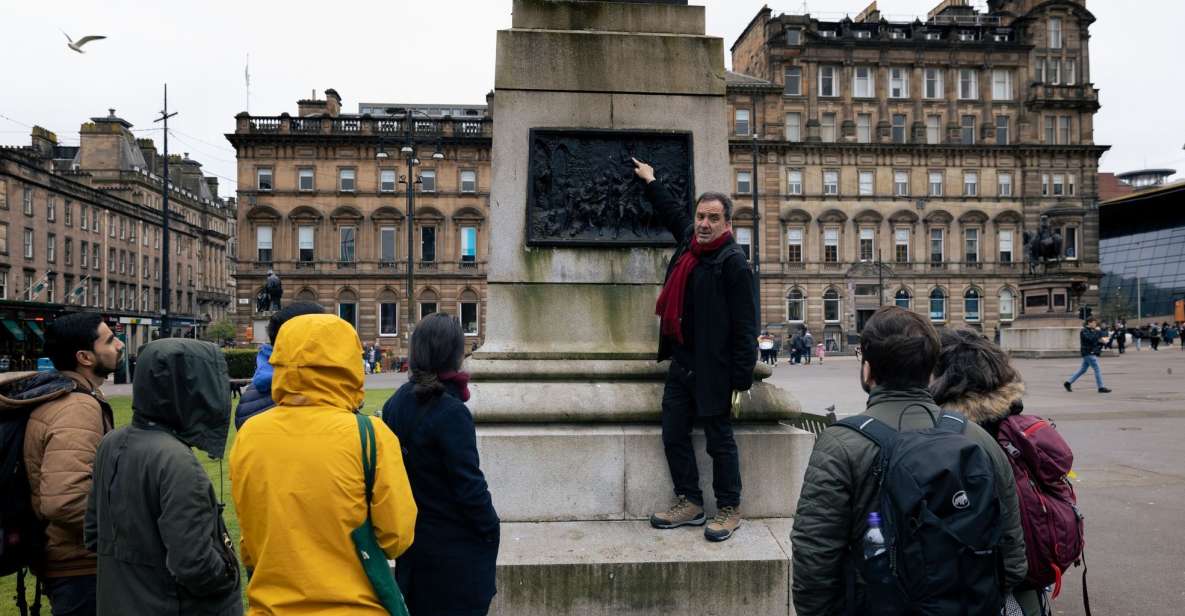
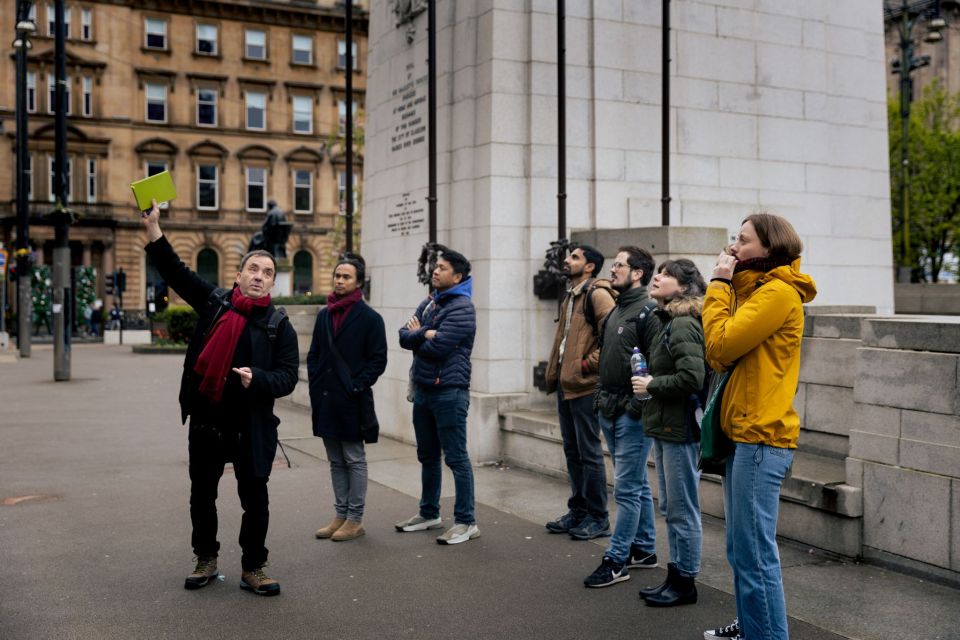
Your early stops include the Glasgow City Chambers, where you get a photo stop plus a guided explanation that helps you understand why civic buildings weren’t just decoration. They were part of Glasgow’s self-image as a serious, self-confident city. Next comes the Cenotaph, a quieter moment that grounds the route in remembrance and public memory.
Then the monuments start stacking up in a way that makes sense when you learn the links. You’ll pause at the Walter Scott Monument and the Monument to Robert Burns, and the guide connects why these figures show up here. The practical payoff is that you start reading Glasgow’s street culture like a timeline, not random statues.
This early section is also a good test-drive of the tour style. If you’re worried the stories might be too academic, the humor and character of the guide tends to show up right away. Even one guide-led outing that lasted through steady rain still kept people engaged, which tells you the format works even when you’re uncomfortable.
You can also read our reviews of more historical tours in Glasgow
The first big lesson: how wealth turned Glasgow into a real city
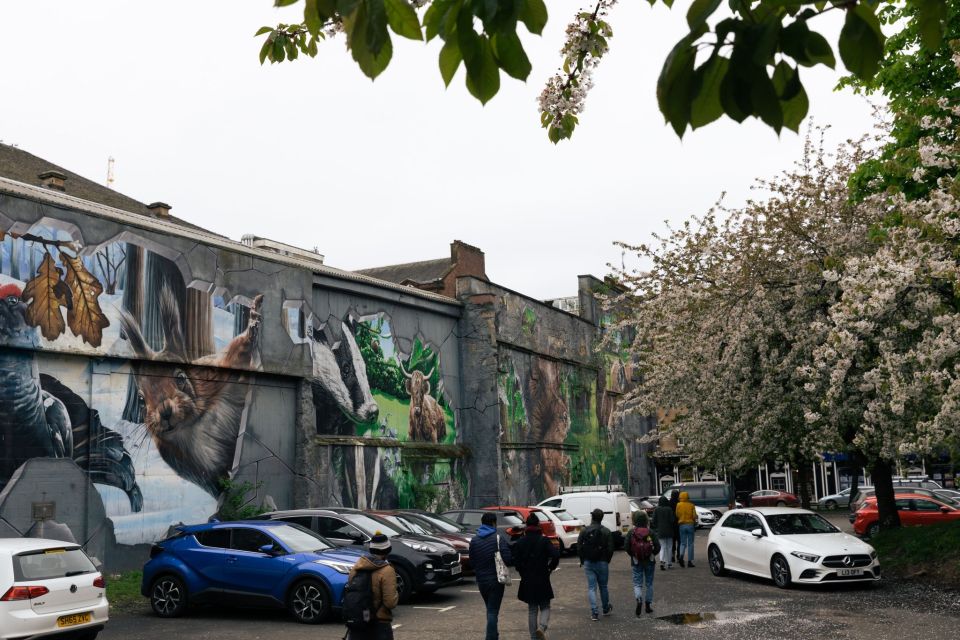
Once you’re past the civic core, the walk shifts into how Glasgow became Glasgow. The tour is built around the idea that modern wealth didn’t appear out of nowhere—it came from merchants, traders, and workers, and it left physical fingerprints across the city.
You’ll move through the Merchant City zone and hit stops that sound like names on a map but actually act like clues. Places like 155 Queen St are the kind of address you’d normally speed past. On this tour, your guide uses them to explain the city’s rise from older roots into the 19th-century era of power and prosperity.
Glasgow is often described as the Second City of the Empire, and the walk helps you see what that means beyond the headline. The “why” is in the streets: where people invested, where they built, and what they wanted the city to say about them. You also get hints of the darker side—scandals and secrets—without turning the tour into a lecture of gloom.
Merchant City stops that feel like snapshots of real working life
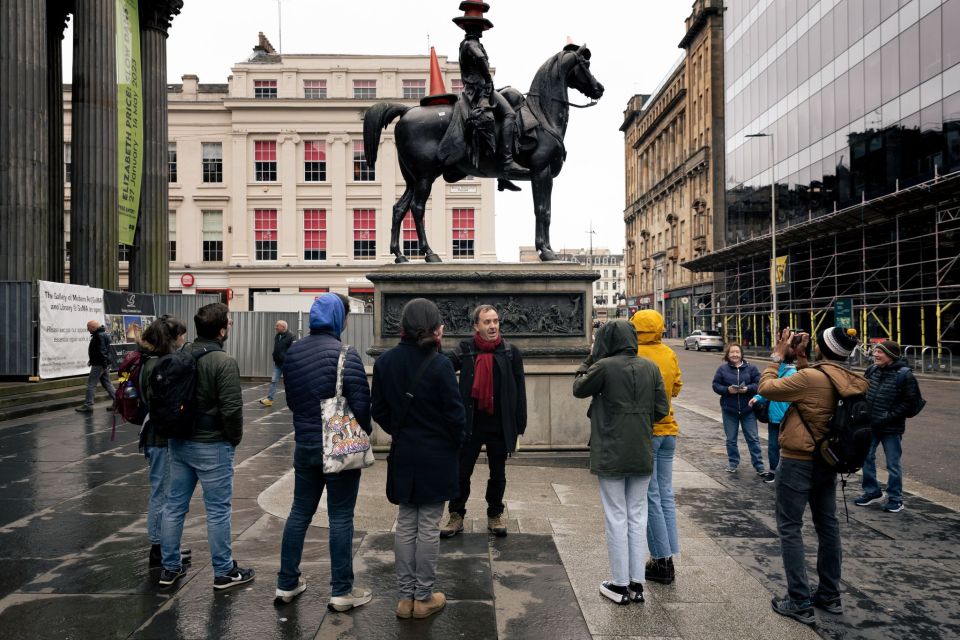
One of my favorite parts of this tour is that it doesn’t only chase the grand buildings. It also shows the everyday commercial structures that helped make the skyline possible.
You’ll stop at Tobacco Merchant’s House, then head through the area around Virginia Court and the Merchant City Inn. The exact stories depend on the guide, but the purpose stays consistent: you’re looking at how trade shaped built space. Tobacco is a great example because it’s easy to understand as an industry. Your guide can connect that industry to the wealth that paid for architecture and the workers who made the system function.
You also pass by Paesano Pizza as part of the route. This isn’t about food as a formal stop, but it’s a practical reminder: you can keep walking and still grab a bite without breaking your day.
Here’s what you’ll likely take away: the Merchant City feels like a place where money and labor lived side-by-side in buildings that still stand. That’s a powerful way to learn history, because you’re not just memorizing dates—you’re seeing the city’s business logic.
Old trades and strange landmarks: corsetry, police posts, and named institutions
As the route presses onward, the tour leans into Glasgow’s character—streets where the past shows up in unexpected labels. Stops like Jacobean corsetry and Old Police Post are the kind of things you might notice and then forget unless someone gives you context.
The tour also includes pauses at Rab Ha’s Hotel and 1802 @ Hutchesons Hall. Each name points to a different layer of Glasgow’s story—everything from long-running local identity to the way institutions and trades clustered in particular corners of the city. Your guide uses these stops to show how Glasgow keeps evolving while still carrying older building stories in plain sight.
If you enjoy architecture, this section can be extra rewarding. The tour emphasizes Georgian, Victorian, and Edwardian streetscapes, and Glasgow’s reputation as one of the most Victorian cities in the UK becomes easier to understand when you see how many detailed buildings still survive downtown.
If you’re not an architecture nerd, don’t worry. The guide keeps it human. Even when buildings are ornate, the talk usually circles back to people: the merchants, the workers, the civic leaders, and the odd characters that make any city feel alive.
The route gets artsy: City Halls, Old Fruitmarket, theaters, and kinetic creativity
After the earlier “wealth and trade” section, the walk turns more openly into culture. You’ll see City Halls & Old Fruitmarket, and this is where the tour’s theme of changing eras really clicks. A place like Old Fruitmarket sounds like it should be only about commerce, but it also tells you how Glasgow functioned day-to-day and how the city repurposes space over time.
Then come the theaters and performance sites. You pause outside Tron Theatre, and later at Sharmanka Kinetic Theatre. The tour doesn’t treat these as separate from history. Instead, it frames them as part of the same city that once built wealth through trade and then started building identity through art and performance.
You’ll also run into street art and mural storytelling along the way. The route includes the mural trail stops like BOW DOWN, HONOUR THE ROOTS (#29 Mural Trail) and Mural Trail #.09 Billy Connolly. You don’t need to be a fan of murals to enjoy this. It works because it’s tied to local pride and local memory—Glasgow’s sense of humor and its habit of telling stories visually.
One practical reason I like this segment: it keeps your eyes moving. You get a break from only staring at stone and statues. And if the day turns grey (it can), the colors, faces, and comic energy of street art help keep the mood up.



The music-hall moment: Britannia Panopticon and why it matters
This is the stop I’d circle if you only cared about one “lesser-known” highlight. The tour includes the Britannia Panopticon Music Hall via a stop connected to the Friends of The Britannia Panopticon Music Hall Trust (SCIO). The key fact you’ll hear is that it’s the world’s oldest surviving music hall.
That detail changes how you see the city. Instead of thinking of Glasgow’s arts as just modern “cool,” you understand there’s been stage culture here for a long time—and that culture has physical roots. Your guide ties this to how Glasgow grew into a more cosmopolitan, creative city in recent years, without pretending the past disappeared.
It’s a smart move to place this music-hall stop in the final stretch. By then, you’ve already learned how the wealth era built the stage, the halls, and the public spaces. The Britannia Panopticon feels like proof that entertainment was part of the city’s original self-definition.
Through the Old Town lanes: Briggait, Saltmarket, Mercat Cross, and bolder street legends
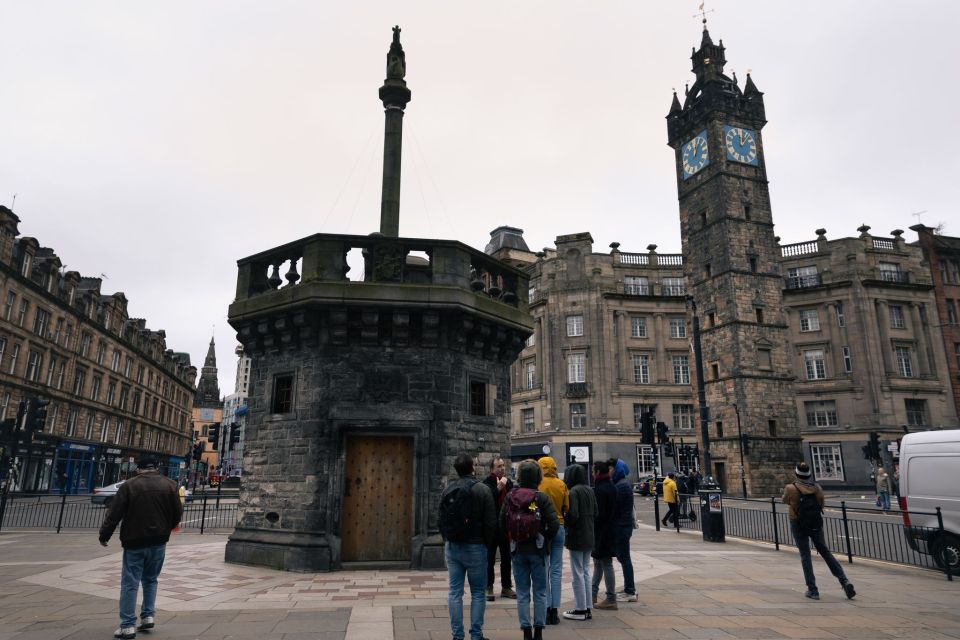
After the Britannia Panopticon, the walk continues with a sequence of streets and markers that show Glasgow’s older street structure and civic wayfinding.
You pause at The Briggait, then move toward Saltmarket. You’ll also stop at Mercat Cross and High Street, and then hit Babbity Bowster—a name that’s playful on the surface, but also a signpost that Glasgow loves local stories and local legends.
The tour also includes the Fellow Glasgow Residents Mural, plus a final lead-in to church architecture with the Ramshorn Church stop. This isn’t just a string of photo ops. The route is designed to take you from commerce and public culture into spiritual and memorial spaces.
If you like when a guide connects odd details to bigger themes, this last chunk is usually where that pays off. Even if you don’t remember every stop, you’ll remember the feeling: Glasgow is a city that keeps narrating itself in signage, murals, and old stone.
Finishing at Glasgow Cathedral: the endpoint that makes the whole story click
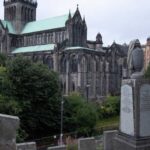
The tour finishes at Glasgow Cathedral. Having the walk end here matters, because your guide has spent the entire time showing how the city’s identity keeps layering itself: older foundations, industrial wealth, cultural institutions, and modern creativity.
This is also where you might hear recurring Glasgow figures and references. In past guide-led tours, the story of Saint Mungo has been a standout theme, and finishing at the cathedral gives those religious roots a clear visual landing spot.
If you’re planning the rest of your day, the cathedral finish is convenient. It’s a strong place to slow down, look back at the streets you just walked, and get your bearings before you head to dinner, museums, or a different part of town.
Price and pacing: is $18 for 2.5 hours actually a good deal?
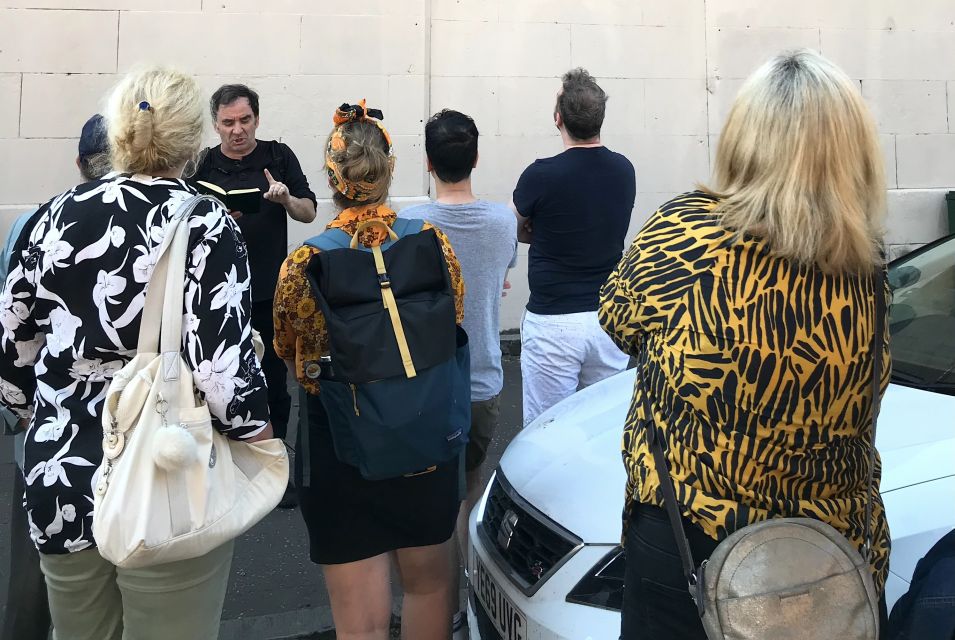
At $18 per person for a 2.5-hour guided walk, this is one of those Glasgow bargains that feels justified by the time and the amount of ground you cover. One review noted walking about 4 km, and the tour pacing makes that feel manageable because you’re not walking nonstop—you’re stopping often for photos and explanations.
The best value angle here is not just time. It’s context. You’re paying for a person to connect buildings to people, and to connect the modern arts scene to older civic and commercial power. When a guide like Bruce brings humor and keeps the group moving safely through traffic, the experience feels less like a lecture and more like a guided conversation across centuries.
You might see a lower UK price mentioned in reviews (for example, one person referenced £13). Even if your exact ticket cost differs, the deal you’re buying is the same: a guided walk through both the big-name landmarks and the odd corners that make Glasgow feel like a real city.
What to bring (and what to avoid) so the walk feels easy
Bring comfortable shoes. You’ll be moving for 2.5 hours, and the tour asks for a reasonable fitness level. A big practical note: the weather in Glasgow changes quickly, and the tour happens rain or shine, so pack rain gear and dress in layers.
Also plan for “light walking” rules. Luggage or large bags aren’t allowed, so travel with a small daypack (or none at all) and keep your hands free for photos.
If you’re sensitive to cold or wet weather, you’ll feel better if you treat the day like a hike, not a stroll. One guide’s route ran in heavy rain, and the fact that the group kept going tells you the tour adapts—but you’ll still want protection.
Who this Glasgow history walk is for (and who should skip it)
This tour is a good fit if you want a fast, street-level way to learn Glasgow’s story without bouncing between venues all day. It also suits you if you like guides who tell stories clearly and with humor, and who can connect contemporary culture to older architecture.
It’s not suitable for children under 10, and it’s not for people with mobility impairments or people with low fitness. If you’re traveling with limited walking stamina, you might find the length and repeated short stops still add up.
Should you book this Glasgow history walk?
Yes—if you’re spending a short amount of time in Glasgow and you want more than a list of sights, book it. This tour does a rare thing well: it treats the city’s 6th-century roots, its 19th-century wealth, and its modern creative energy as one connected story you can follow block by block.
Skip it only if you can’t comfortably handle a long, weather-affected walk. If you can wear layers, bring rain gear, and enjoy a guide-driven route, this is a strong value choice that helps you see Glasgow with sharper eyes the rest of your trip.
FAQ
Where do I meet the guide?
Meet just outside the main entrance to Costa Coffee, on the north side of George Square.
How long is the walking tour?
The tour lasts about 2.5 hours.
Is the tour rain or shine?
Yes. The tour takes place in changing weather conditions, rain or shine.
What should I bring?
Bring comfortable shoes, rain gear, and weather-appropriate clothing.
Who is this tour not suitable for?
It’s not suitable for children under 10, people with mobility impairments, or people with low level of fitness.
Where does the tour end?
The tour ends near Glasgow Cathedral.