REVIEW · GLASGOW
Glasgow: Historical Walking Tour: Guided by a local actor
Book on GetYourGuide →Operated by scotlandtouring · Bookable on GetYourGuide
Glasgow comes to life fast—one street at a time. This 2-hour walking tour uses the trained skills of a local actor to turn central landmarks into stories you can actually picture, from George Square to Glasgow Cathedral and onward toward Glasgow Cross. You’ll walk a flat route through the layers of the city, with stops for photos and short guided segments that keep the pace moving.
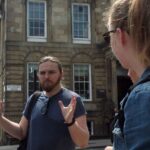
I love the actor-led storytelling—the guides I’ve seen named in reviews (Ian, Martin, Luke, Gordon, and Marty) all sound like performers, mixing humor with memorable facts. I also like that you’re not just staring at buildings: the walk links major themes like empire, trade, socialism, and Irish influence to specific places you can point at as you go.
One thing to consider: the tour is only about 2 hours, and it’s a “see and learn” format. You’ll be shown key museums and galleries, but there’s no time during the tour to go inside, so you’ll want a follow-up visit if you’re the type who likes doors-open exploration.
In This Review
- Key reasons this tour works so well
- Why a local actor tells Glasgow better than a script
- George Square to City Chambers: where you start seeing the big story
- Merchant City lanes: the part most people miss in 10 minutes
- Glasgow’s medieval footprint and early heritage (without the textbook tone)
- Gallery of Modern Art and the “go inside later” strategy
- From trade capitalism to socialism: what the walk connects for you
- Glasgow Cathedral and Glasgow Cross: the closing chapter with an edge
- What to expect on the ground: timing, pace, and comfort
- Value check: why $20 feels fair for a 2-hour story route
- Who should book this tour, and who might skip it
- Should you book this Glasgow historical walking tour?
- FAQ
- How long is the walking tour?
- Where do I meet the guide?
- What if there’s disruption in George Square?
- Is the tour private or group-based?
- Does the tour include museum entry during the 2 hours?
- What language is the tour guide?
- Is the tour wheelchair accessible?
- What should I bring?
- Is the tour canceled for bad weather?
- Is hotel pickup included?
Key reasons this tour works so well
- Trained actor guide: You’re getting performance skills, not just a standard lecture.
- George Square first: Big Victorian set pieces come early, so you get the big picture fast.
- Merchant City lanes: You’ll spend real time with the narrow streets where old commerce still feels close.
- Museums flagged for free later: You’ll be pointed to places like the Gallery of Modern Art and Police Museum.
- Humor plus anecdotes: Expect laughs, sometimes with poetry or theatrical flourishes from the guide.
- Flat, walkable route in rain or shine: Comfortable shoes matter more than heavy layering rules.
Why a local actor tells Glasgow better than a script
On a walking tour like this, your guide isn’t just reading notes. The “local actor” format changes the whole feel. Instead of listing dates, the guide tends to build scenes—who had power, who lost it, and what everyday people did when politics and money squeezed their lives.
That theatrical training shows up in reviews over and over: guides like Ian and Martin are described as engaging, with great voice projection and a knack for keeping a group connected even when they’re larger. Luke and Gordon get praised for being funny without turning the facts into a joke. And yes, a few guides go further—one review mentions poetry, and another mentions ghosty or murder-and-grave-robbing style storytelling. You probably won’t hear the exact same bits every time, but the delivery style is consistent: story first, facts woven in.
For you, the upside is simple. When Glasgow history is told like drama, it sticks. You’ll walk away remembering not just what you saw, but why it mattered.
You can also read our reviews of more walking tours in Glasgow


George Square to City Chambers: where you start seeing the big story
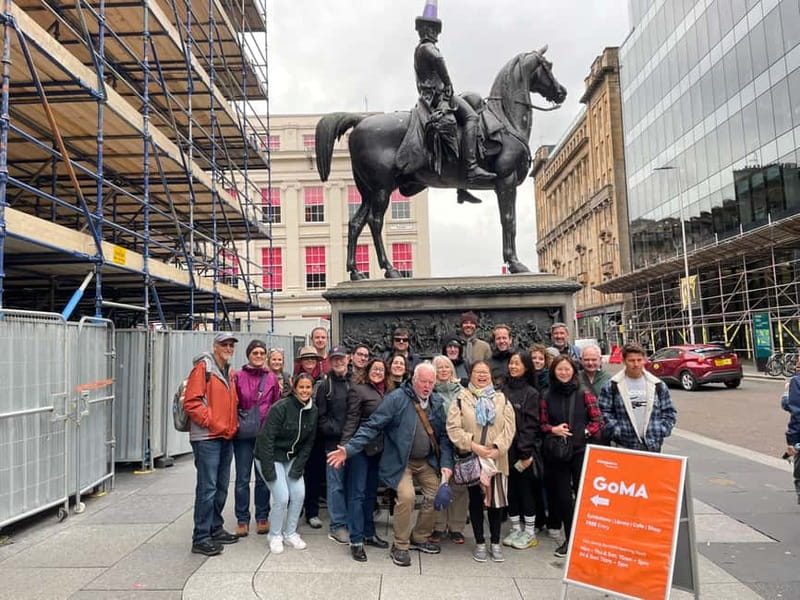
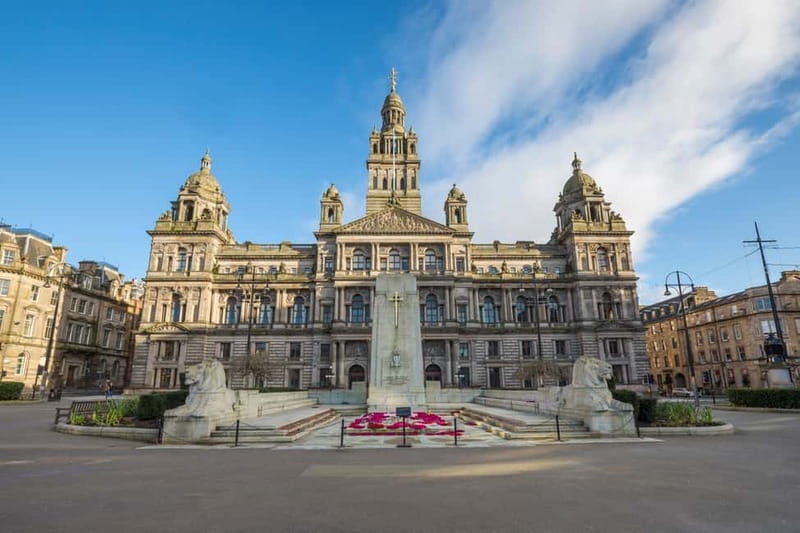
Your tour kicks off at George Square, meeting your guide between the lions behind the White Granite Cenotaph/War Memorial. It’s a great place to begin because the square gives you a “stage” of Victorian civic power: you can look around and feel how the city presented itself.
Early in the tour, you spend time with the architecture and landmarks around George Square—City Chambers, merchants’ buildings, and the headquarters presence you’d expect from a place that grew into major influence. You’ll also talk through why the square is named for an English king. That detail matters more than it sounds, because it points to how Glasgow’s story is tangled with larger British and imperial history.
There are two short George Square segments before the walk really branches out. I like this setup. You get an orientation moment, a chance to ask a question, and a photo stop while the group is still fresh and listening.
Merchant City lanes: the part most people miss in 10 minutes
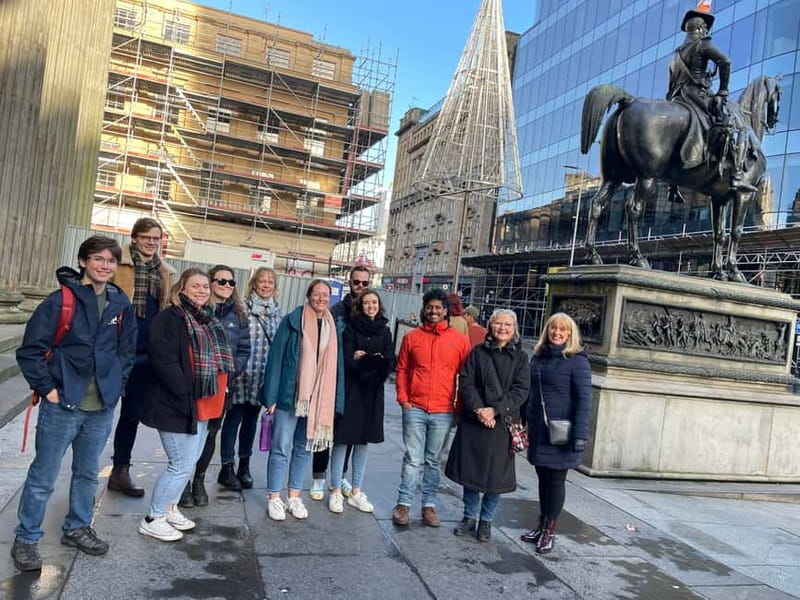
After George Square, you move into the area that rewards walking slowly: the Merchant City. This is where Glasgow’s commercial muscle shows up in street form—hidden alleys, lanes, and the kind of close-up streetscape that makes a city feel older than it looks on a map.
This part of the walk is about texture. You’re not just seeing a view; you’re tracing how a medieval city center shifted into a trading hub, and how fortunes rose and fell with commerce. One of the tour’s recurring themes is that the city grew through trade, and you’ll hear about trading barons—who made fortunes and who lost them. You also get a sense for how major events and tensions could spark across the Atlantic; the walk includes a discussion about how the American War of Independence may have been set alight by Glaswegians.
A practical tip: this is the stretch where you’ll want to keep your eyes up and your head moving. If you pause too long, the guide’s story timing moves on. If you can, step slightly off the sidewalk edge to get a clear look at street fronts, then move again.
Glasgow’s medieval footprint and early heritage (without the textbook tone)
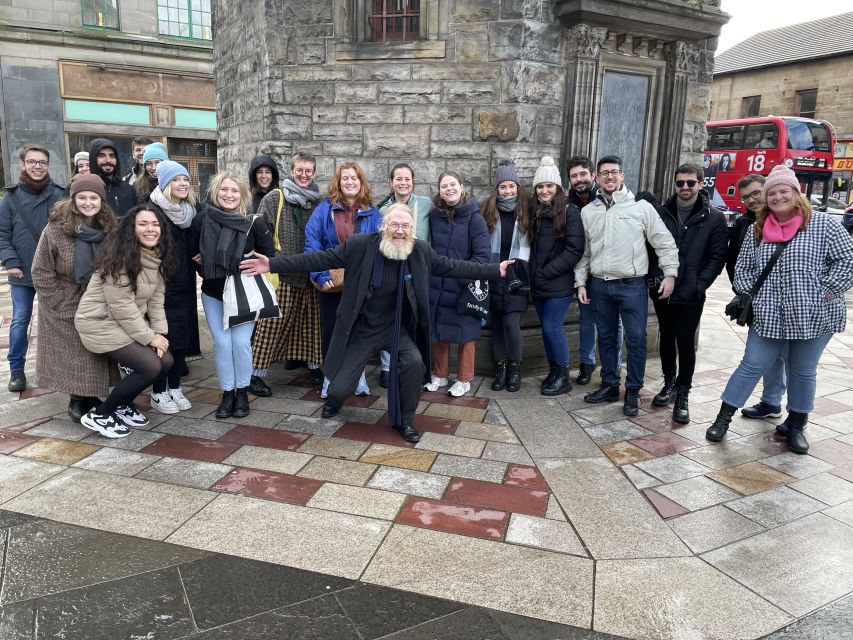
The tour doesn’t only start at Victorian Glasgow. It pushes back into earlier layers—there’s talk of early Christian and Roman heritage and how ancient tribes influenced the area. That kind of context can feel vague on normal tours, but here it’s tied to places you can actually locate in the center.
You’ll also hear about how Glasgow became the second city of the British Empire. That’s a massive claim, and the guide’s job is to translate it into real-world meaning: growth, money, and political influence expressed through buildings and street plans.
And because the guide is performing, you’ll notice something useful: complicated topics get broken into story beats. You’re less likely to mentally switch off. You might still disagree with a point here or there, but you’ll be paying attention.
Gallery of Modern Art and the “go inside later” strategy
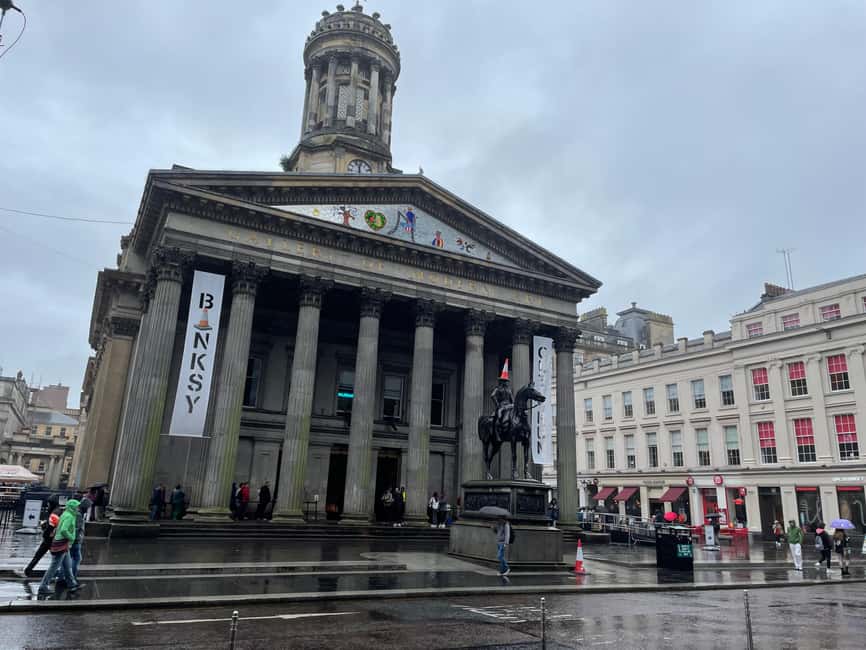
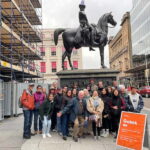
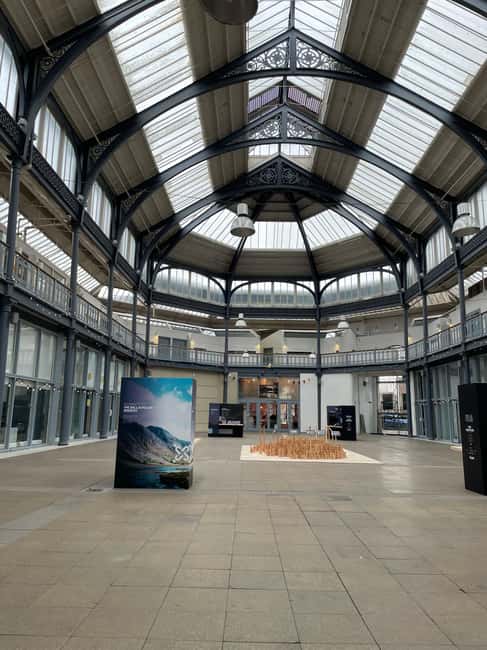
One of the stops is at the Gallery of Modern Art. This is a smart move for a short walking tour. You get an official cultural landmark on the route without turning the tour into a full museum day.
Here’s the value for you: the tour format points you toward museums and galleries and makes them part of your route, but it doesn’t eat up time inside. The tour highlights include major stops like the Gallery of Modern Art and the Police Museum. The good news is that Glasgow museums and galleries are free to visit (and you’ll be pointed to them so you can go when you’re ready).
If you like to travel with flexibility, this is a win. You can treat the tour as the history starter, then build your own plan afterward. If you’re tired, you can skip museum time and still feel like you got the story. If you’re energized, you’ll have a clear list of places to check out next.
You can also read our reviews of more guided tours in Glasgow




From trade capitalism to socialism: what the walk connects for you
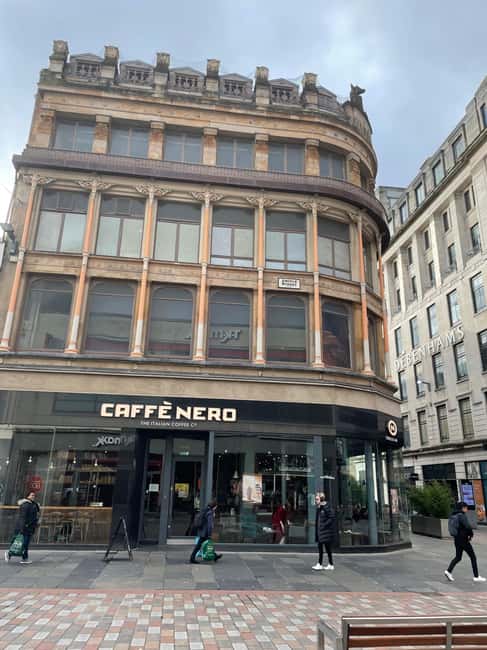
A big part of the tour is political and social, not just architectural. The route is designed to help you understand how modern commercial capitalism took root in Glasgow, and where socialism and the British Labor party began. You’ll hear it as a storyline, tied to the physical movement from shopping streets into older, power-linked areas.
This is where an actor guide helps most. Politics can sound dry when explained like a report. When it’s delivered like a human story—who benefitted, who pushed back—you get something practical: context for what you’ll see later in Glasgow, including murals and civic spaces. Even if you don’t know the names of every movement, you’ll recognize the themes when you walk through the city afterward.
There’s also a focus on immigration, specifically the influence of Irish immigrants on the city’s growth. That topic matters because it connects economic change to everyday community change, and it shows up in Glasgow’s social fabric more than in one building.
Glasgow Cathedral and Glasgow Cross: the closing chapter with an edge
Depending on timing and the exact route flow, you’ll see why Glasgow Cathedral matters and how the city’s spiritual and civic identity sits side-by-side. The tour frames the cathedral within the larger timeline you’re building—early heritage into medieval center into trade and empire.
Then the ending lands at Glasgow Cross, an area tied to public executions in the past. That detail gives the whole walk a darker aftertaste, and it’s not random. It reinforces a point that the guide keeps returning to: power in Glasgow wasn’t only about buildings; it was about control, punishment, and who got to write the rules.
About the ending location: the tour indicates it finishes back at the meeting point, while the route description also calls out Mercat Cross as the finish area. Either way, plan on returning to the George Square area when you’re done so you can keep the day moving without hunting for a new meetup spot.
What to expect on the ground: timing, pace, and comfort
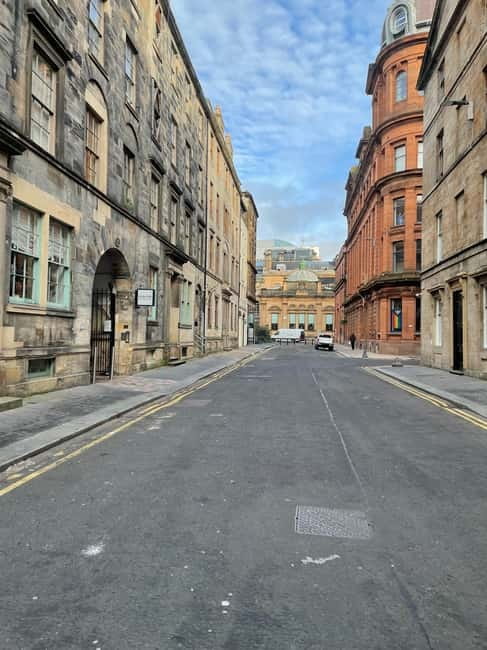
The walk is about 2 hours on flat terrain and runs rain or shine. So dress like you’re living in Britain that day. Bring comfortable shoes first, weather-appropriate clothing second, and a camera if you’re the type who wants street-level photos.
The pacing is built around short guided segments—walk for a stretch, stop for context, take a photo, move again. Reviews often praise how easy it is to hear the guide, which matters in busy city areas. Still, if you want the best sound, stand where you have a clear line of sight to the guide rather than hiding at the back behind taller people.
Value check: why $20 feels fair for a 2-hour story route
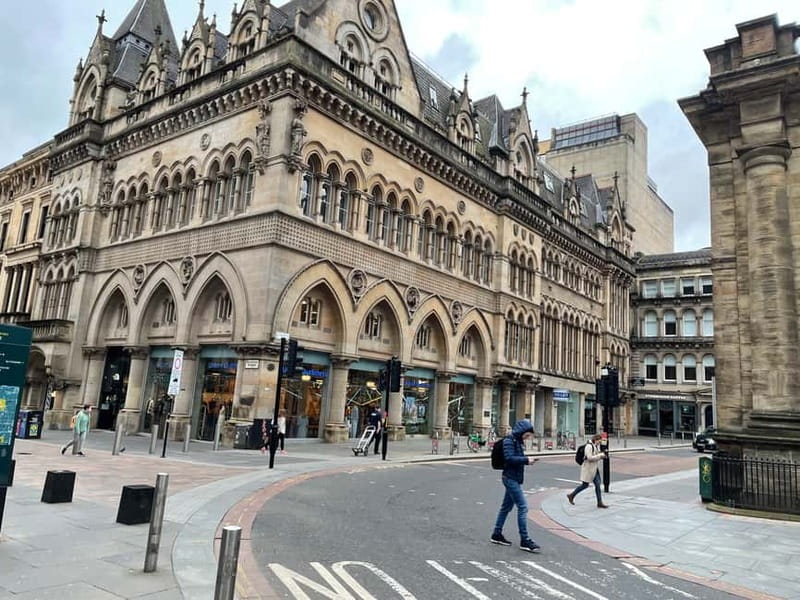
At about $20 per person, this tour offers a strong value if you’re visiting Glasgow for the first time and want an orientation that goes beyond “Here’s a building.” In two hours, you cover major central anchors: George Square, Merchant City streets, and the points of interest that feed into later self-guided visits.
The price also makes sense because what you’re paying for isn’t the buildings—it’s the guide’s performance and interpretation. Reviews repeatedly highlight that the guides bring history to life and keep groups entertained without losing structure. That combination is harder to find than you’d think.
If you already know Glasgow deeply and you’re only looking for a slow “photography walk,” you might not feel maximum value. But for most first-timers, this is exactly the kind of experience that makes the rest of your trip easier.
Who should book this tour, and who might skip it
Book it if:
- You want a first-time orientation of central Glasgow with a clear storyline.
- You like guides who use anecdotes and humor to make history stick.
- You plan to visit museums afterward and want a short list to follow up with.
Consider something else if:
- You prefer silent wandering or don’t want any storytelling.
- You’re hoping for a full museum-and-cathedral entry tour during the same 2 hours.
- You need a super slow pace with long stops at each major site.
Should you book this Glasgow historical walking tour?
Yes, if you want Glasgow to feel human, not just historic. The actor-led format is the differentiator: you’re getting a guided walk that connects political and social change to specific streets and buildings, and you leave with a mental map plus names to chase next.
If you’re on a tight schedule, the short duration is a plus. You’ll still get the key landmarks, and the tour’s free museum strategy means you can choose how deep you want to go afterward. If you’re the kind of traveler who loves a good story with real place names, you’ll probably enjoy this one a lot.
FAQ
How long is the walking tour?
It lasts about 2 hours.
Where do I meet the guide?
Meet your guide between the lions in George Square, behind the White Granite Cenotaph/War Memorial.
What if there’s disruption in George Square?
If there’s a major disruption, the tour meets at the Piper Whisky Bar at the corner of Cochrane Street and George Square.
Is the tour private or group-based?
The tour is described as a private tour led by a professionally trained actor.
Does the tour include museum entry during the 2 hours?
No. Museums and galleries are free to visit, and the guide points them out, but there isn’t time during the tour to go inside.
What language is the tour guide?
The tour is conducted in English.
Is the tour wheelchair accessible?
Yes, it is wheelchair accessible.
What should I bring?
Bring comfortable shoes, a camera, comfortable clothes, and weather-appropriate clothing.
Is the tour canceled for bad weather?
No. The tour takes place rain or shine.
Is hotel pickup included?
No. Hotel pickup and drop-off are not included.