REVIEW · EDINBURGH
Scotland: West Highlands, Mull and Iona 4-Day Tour
Book on GetYourGuide →Operated by Rabbie's Small Group Tours · Bookable on GetYourGuide
Four days, two islands, endless scenery. I really like the Rannoch Moor stretch for that remote, come-down-from-the-world feeling, and I love the Tobermory harbor town base. The main drawback to keep in mind is the trip packs in a lot of driving and walking, and your B&B location can mean a short walk to dinner.
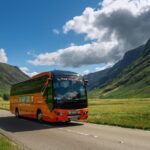
This is built as a small-group experience, using a top-of-the-range 16-seat Mercedes minicoach. With an English-speaking driver/guide, you’re not stuck staring at a seatback all day—you can ask questions and get practical pointers as the scenery changes.
You’ll also want to know the “island day” style: ferries, short boat options, and plenty of time outdoors in changing weather. If you’re planning on the optional Staffa boat trip, be aware it can be affected by conditions, so have a flexible mindset.
In This Review
- Five things that make this tour feel worth it
- Rannoch Moor and Glencoe: the West Highlands at full volume
- Loch Linnhe to Mull: Tobermory as your base
- Iona Abbey, Celtic crosses, and time for beaches
- Staffa’s Fingal’s Cave boat ride, with Plan B
- Dervaig and Calgary Bay: sand, eagles, and whisky stops
- Oban, Inveraray Castle, and Loch Fyne views
- Rest and be Thankful and the return toward Edinburgh
- Price and what you’re really paying for
- Should you book this Mull and Iona small-group tour?
- FAQ
- How long is the Scotland: West Highlands, Mull and Iona tour?
- Where does the tour start?
- How big is the group?
- What kind of transportation is used?
- Is there a guide, and what language do they speak?
- How many nights do you stay in Tobermory?
- Are ferry fares included?
- Is the Staffa boat trip included?
- What about meals and entrance fees?
- How much luggage can I bring?
- Is it suitable for children?
- Is there free cancellation?
Five things that make this tour feel worth it
- Rannoch Moor and Glencoe in the same 4-day rhythm, not as separate bucket-list trips
- Tobermory for 3 nights, so you actually live the island tempo instead of rushing through
- Iona on foot with the Abbey, museum, Celtic crosses, plus sandy beach time
- Staffa optional boat ride to Fingal’s Cave, with a realistic Plan B vibe
- Wildlife chances around Calgary Bay, including a shot at white-tailed eagles
Rannoch Moor and Glencoe: the West Highlands at full volume
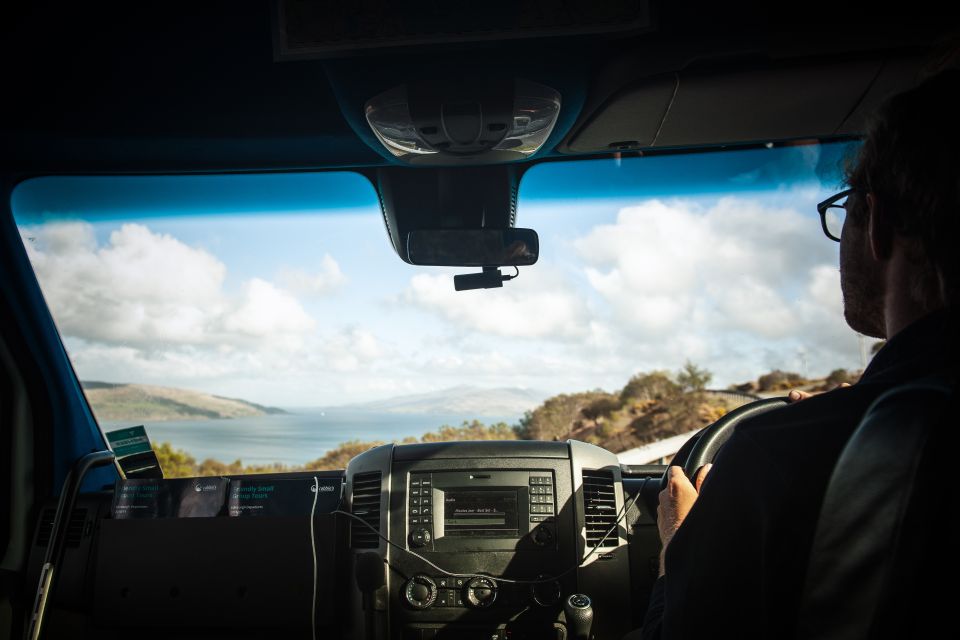
Day 1 starts with an easy move out of Edinburgh, past Stirling Castle, then into the lively town of Callander. From there, you head through the Queen Elizabeth Forest Park and the Trossachs. This is one of those drives that gradually turns from “scenery” into “you understand why people come back.”
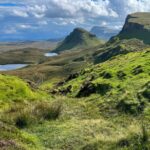
Then comes Rannoch Moor, with its wide open emptiness and that strong sense of remoteness. It’s the kind of place where you stop thinking about a checklist and start paying attention to weather, light, and the way mountains frame the road. You’ll get plenty of photo stops, but the real value is the feeling of space—especially if you’ve only seen Scotland from cities.
Next up is Glencoe. You’ll pass through the area connected to the infamous 1692 massacre of Clan MacDonald. It’s not a long history lecture; it’s more like the road itself gives the context. If you like understanding why a place feels the way it does, this stop works well.
You can also read our reviews of more tours and experiences in Edinburgh
Loch Linnhe to Mull: Tobermory as your base
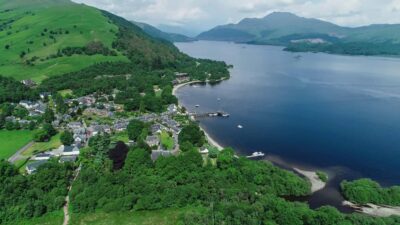
After Glencoe, you take a short ferry across Loch Linnhe, then keep heading north through the Morven mountains toward Lochaline. Another ferry gets you over to Mull. That sea crossing matters more than you’d think—it turns the trip from land sightseeing into island travel, with a different pace and different light on the water.
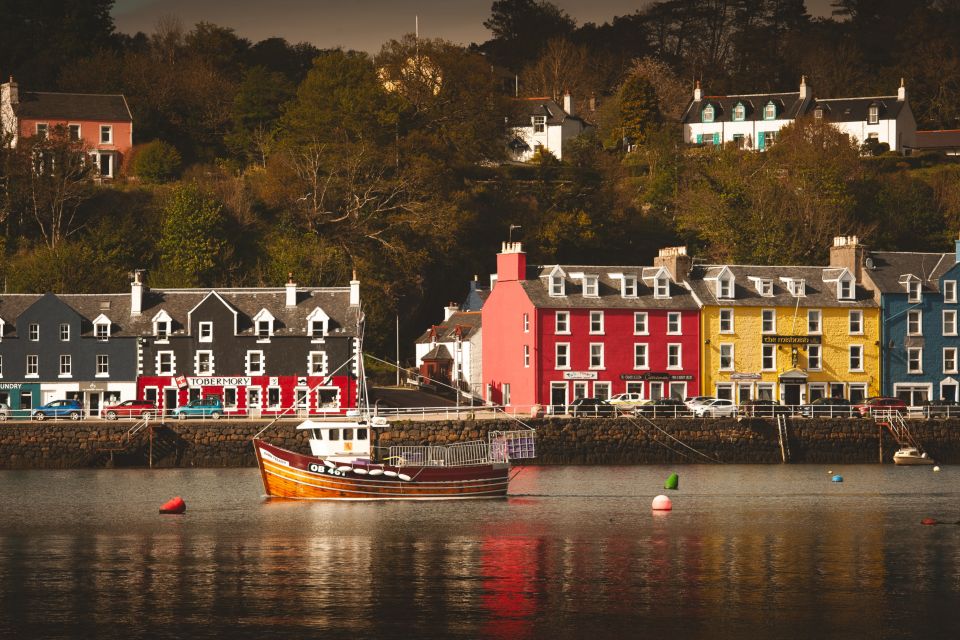
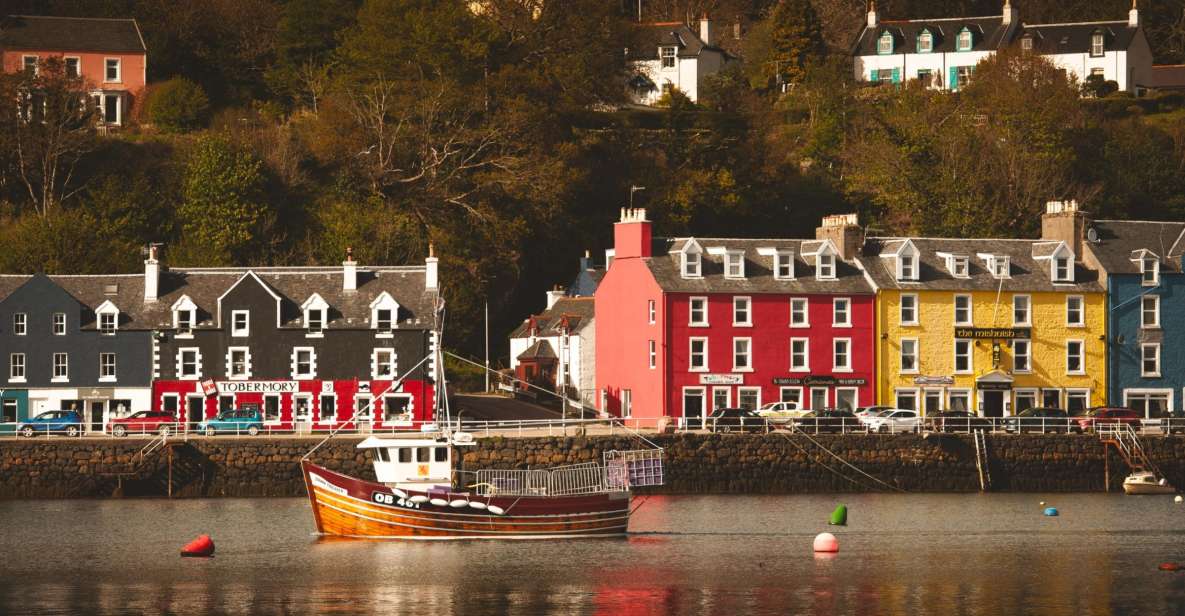
Then you arrive in Tobermory, Mull’s capital. I like Tobermory because it gives you a real base: brightly colored houses facing the sea, a walkable harbor mood, and enough small-town rhythm to reset after long driving days. You also get the meaning behind the name—Well of Mary—which gives the town an extra layer beyond postcard views.
You’ll stay in Tobermory for 3 nights in small locally owned guesthouses or B&Bs, with en suite rooms. One practical thing to plan for: B&Bs are often on the outskirts, so you might walk 20–30 minutes to reach pubs and restaurants. There are no lifts, so if stairs are an issue, tell the company ahead of time.
Iona Abbey, Celtic crosses, and time for beaches
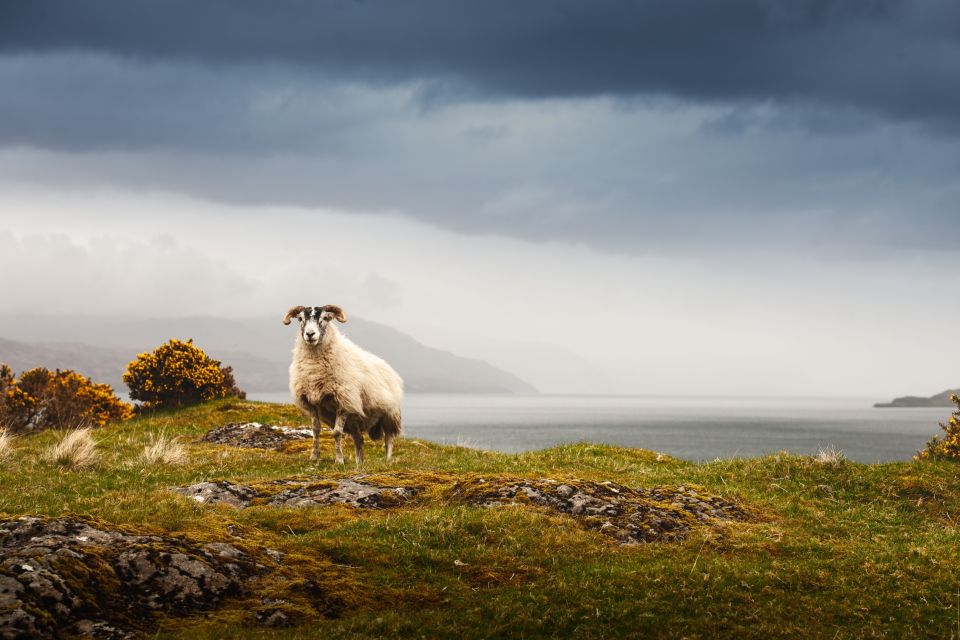
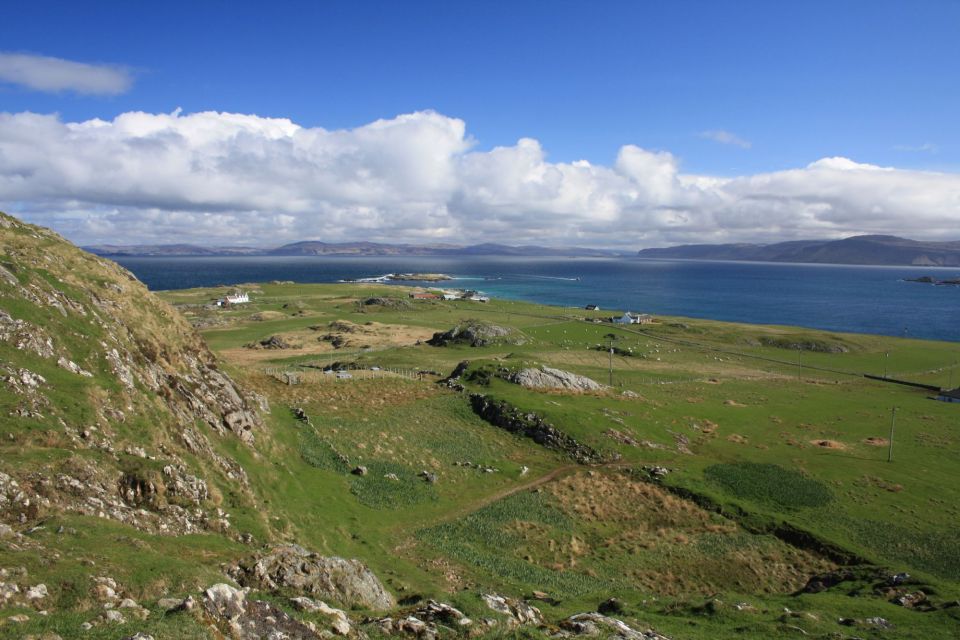
Day 2 is the classic Iona rhythm: head to Fionnphort and take a passenger ferry to the small island of Iona. Iona is known as the cradle of Celtic Christianity, and it shows in how the island feels—quiet, focused, and made for walking.
You get time to explore the Abbey and the museum of history and Celtic heritage. Look for the Celtic crosses and headstones, because those details are what turn it from “a church site” into a place that explains how faith and culture took root here. If you like slow travel, you’ll appreciate that you’re not forced to sprint through it.
You also have a choice to spend time on the peaceful sandy beaches. This is a smart balance: one structured chunk for heritage, then open time for your own pace. In weather like Scotland often brings, sandy shore time can turn into storm-watching too, which is its own kind of memory.
In the afternoon, you can take an optional small boat trip to Staffa. Then you return to Tobermory for the night.
Staffa’s Fingal’s Cave boat ride, with Plan B
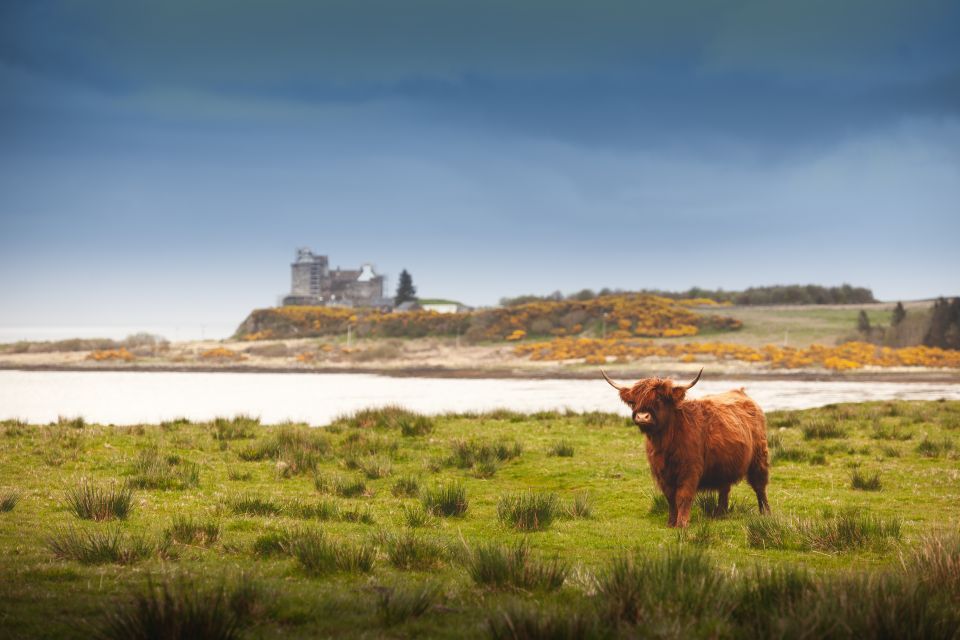
Staffa is optional, but it’s one of the big reasons people book this trip. If you go, you’re aiming for Fingal’s Cave, described as Nature’s cathedral—plus plenty of marine life opportunities. Even if you’re not a “geology person,” the cave is the kind of natural feature that makes you stop talking and start looking.
Here’s the practical catch: optional trips can change. One past guest described a cancellation of the Staffa visit, which was the main reason they booked. That doesn’t mean it will happen to you, but it does mean you should treat Staffa as a bonus, not as a guaranteed checkbox.
If Staffa is canceled, you’ll still be on Iona with time to explore Abbey areas and beach time. I’d plan your day mentally around Iona first, and treat Staffa as the extra spark if it works out.
Dervaig and Calgary Bay: sand, eagles, and whisky stops

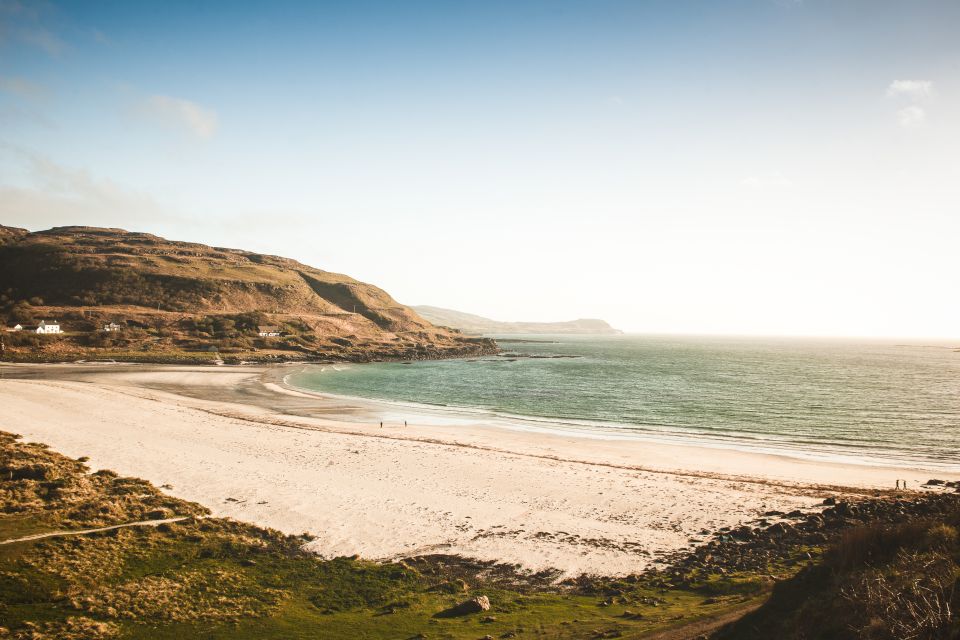
Day 3 stays on Mull, but turns wilder. You drive to remote areas of the island, stopping in the pretty settlement of Dervaig. From there, you go to Calgary Bay, with its wild, thrashing sandy shores. This isn’t a manicured view point stop. It’s more like an outdoor moment where you feel the wind and judge the coastline for yourself.
If conditions are right, Calgary Bay can be a good place for white-tailed eagles. There’s no promise—this is Scotland, and nature runs the schedule—but the area is known for these birds, so bring your patience and your eyes.
In the early afternoon, you head back to Tobermory. You’ll have time to soak up the town atmosphere and also peruse the small shops. Tobermory’s whisky distillery is there for anyone who wants to trade sea air for a bit of malt history.


Oban, Inveraray Castle, and Loch Fyne views
On Day 4, you leave Tobermory and go to Craignure for a short crossing to Oban. Oban is the biggest town in Argyll, so it feels like the trip shifts gears from island quiet to a more active hub. Even a brief stop here helps you reset after a few days of smaller island roads and slower rhythms.
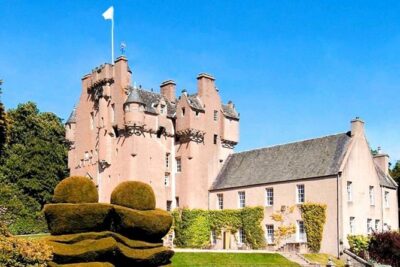
Then you continue west to Inveraray, a whitewashed 18th-century town on the shores of Loch Fyne. Inveraray Castle is the star. It mixes Scots Baronial and Neo-Gothic architecture, and it’s the seat of Clan Campbell. If you like castles more for their setting than just their walls, Loch Fyne helps a lot—the water brings scale to the whole scene.
After leaving Inveraray, you head toward the Loch Lomond National Park. You’ll travel up more than 800 feet to the Rest and be Thankful viewpoint. The value here is simple: you get one more dramatic perspective before the long return drive.
Rest and be Thankful and the return toward Edinburgh
That final loop matters because it’s where your brain starts sorting memories. You drive east toward Stirling, with opportunities for photos of the castle, before returning to Edinburgh in the early evening.
This is also where you’ll appreciate why the tour is structured as a 4-day trip rather than a longer slog. You get the West Highlands, then Mull, then Iona, then a final mix of Oban, Inveraray, and viewpoint time. It’s a full map of Scotland’s west without turning your holiday into a continuous pack-and-go.
Just remember the weather reality. Scotland can be wet, and you’ll want suitable clothing and footwear for country walks. Pack layers and a rain shell, not just a jacket you hope will work.
Price and what you’re really paying for
At $975 per person for 4 days, the big question is value. Here’s what you’re getting that’s often expensive or annoying to handle on your own: transportation, a driver/guide, 3 nights of bed and breakfast, and all ferry fares (with the Staffa boat ride excluded).
The small-group part also matters. This tour uses a 16-seat Mercedes minicoach and the company limits bookings to a maximum of 8 passengers per group for the best experience. That typically means less crowding and more flexibility for photo stops and timing needs.
What’s not included is also clear: meals and refreshments, and entrance fees. That means if you want to pay for castle interiors, museum exhibits, or anything beyond what the tour time covers, you’ll need extra budget. It’s not a deal-breaker—just plan for it so it doesn’t surprise you.
You also need to travel light. Luggage is limited to 14 kilograms (31 lbs) per person, ideally one piece like an airline carry-on plus a small onboard personal item.
Should you book this Mull and Iona small-group tour?

I’d book it if you want a guided West Highlands journey that gives you time on Mull and real breathing space on Iona. It’s especially strong for people who like mixing dramatic scenery with cultural stops—Abbey grounds and Celtic crosses in the middle of sea air is a good combo.
I would pause and think twice if you dislike packed days, or if you’re sensitive to walking distances. B&Bs on the outskirts can mean a 20–30 minute walk to meals, and there are no lifts. Also, if Staffa is your top priority, remember it’s optional and can change with conditions.
If you match the style—flexible, outdoorsy, and okay with Scotland weather—this is a smart way to see the West Highlands, Mull, and Iona without the hassle of managing ferries and driving all day yourself.
FAQ
How long is the Scotland: West Highlands, Mull and Iona tour?
It’s a 4-day tour.
Where does the tour start?
You leave Edinburgh. The exact meeting point may vary depending on the option booked.
How big is the group?
It’s a small group. The tour is limited to a maximum of 16 participants, and bookings are restricted to a maximum of 8 passengers per group.
What kind of transportation is used?
Transportation is by a 16-seat Mercedes minicoach.
Is there a guide, and what language do they speak?
Yes. There is a live driver/guide speaking English.
How many nights do you stay in Tobermory?
You stay for 3 nights in Tobermory.
Are ferry fares included?
All ferry fares are included, except for the optional trip to Staffa.
Is the Staffa boat trip included?
The Staffa boat ride is optional, and it’s not included in the tour price.
What about meals and entrance fees?
Meals and refreshments are not included, and entrance fees are also not included.
How much luggage can I bring?
You’re restricted to 14 kilograms (31 lbs) of luggage per person.
Is it suitable for children?
The minimum age to participate is 5 years.
Is there free cancellation?
Yes. You can cancel up to 14 days in advance for a full refund.