REVIEW · EDINBURGH
From Edinburgh: Outlander Experience 2-Day Tour
Book on GetYourGuide →Operated by Highland Experience Tours · Bookable on GetYourGuide
Outlander fans, this turns scenes into stone and wind. This 33-hour small-group trip strings together major filming locations and heavyweight Scottish history, with an overnight in Inverness and time set aside for places like Culloden and Clava Cairns. You’re moving fast, but the stops have a clear storyline: from Jamie and Claire’s world to the real Jacobite-era backdrop.
I especially like the guide-led storytelling—many groups end up with a stand-out driver/guide like Ben, Kenny, Rob, Chloë, Hugh, Graham, Steven, or Moray, and the common thread is humor plus Outlander-to-history connections (and often music along the road). I also like that key admissions are built in, with Midhope Castle (subject to availability) and Doune Castle entrance fees included, so you’re not constantly doing math or ticket-hunting.
One thing to think about: the pace is tight, and Midhope Castle can close at short notice for filming, which can change how much time you get there. Also, meals aren’t included, so you’ll need a dinner plan for Inverness after a long day.
In This Review
- Key highlights worth planning for
- The rhythm of this 33-hour Outlander route
- Midhope Castle (Lallybroch) and the reality check inside the walls
- Doune Castle as Castle Leoch
- Blackness Castle and the “Fort William” connection over the Firth
- Glen Coe and a quick Loch Ness break
- Inverness overnight: why the hotel night matters
- Clava Cairns to Craigh na Dun inspiration (and the 4000-year shock)
- Culloden Battlefield: last battle fought on British soil
- Highland Folk Museum, Falkland, and Culross for living history moments
- Guide-driven storytelling: the real engine of the day
- Price and value: what $312 buys you in practice
- What to pack and how to avoid small trip annoyances
- Should you book the Outlander Experience 2-Day Tour?
- FAQ
- How long is the Outlander Experience 2-Day Tour?
- What group size is this tour limited to?
- What language is the live tour guide?
- What’s included in the price?
- Are meals included?
- What Outlander-related sites are visited?
- Is there an age limit for children?
- Are there luggage limits?
- Can Midhope Castle close before we arrive?
- Is free cancellation available, and how far in advance?
Key highlights worth planning for
- Midhope Castle and Doune Castle entries included (Midhope is subject to availability)
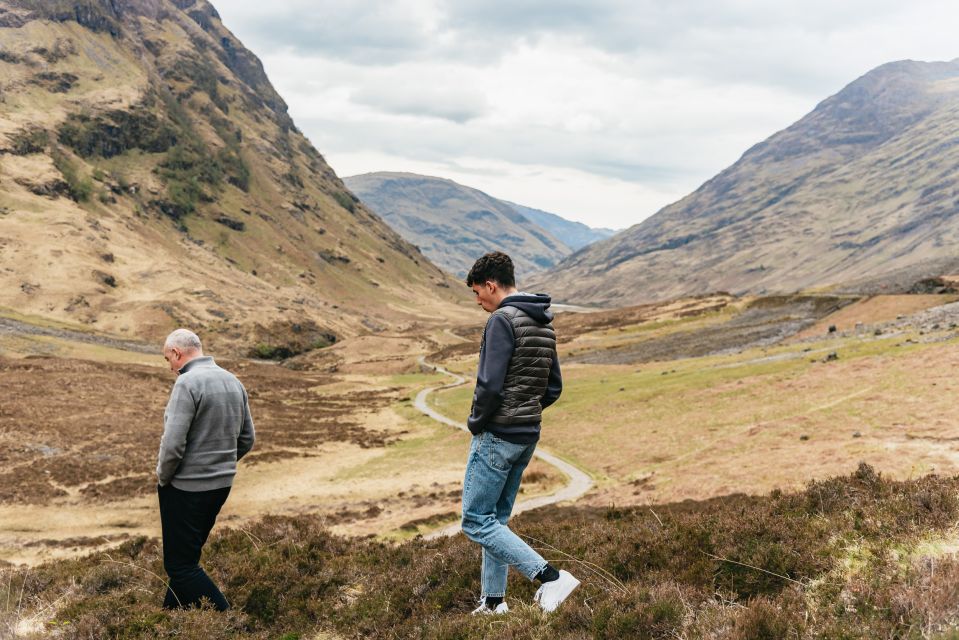
- Glen Coe to Loch Ness for a quick taste of the famous routes
- Clava Cairns and Culloden Battlefield for the big time jumps (4000 years and 1746)
- Highland Folk Museum with living history scenes
- Falkland Village and Culross as Outlander locations, including a one-hour walk in Culross
- Small group limit of 16 for easier photos and a more human feel
The rhythm of this 33-hour Outlander route
This tour is designed as a two-day sprint: you start in the Edinburgh area and spend two long travel days across West Lothian and into the Highlands, sleeping once in Inverness. Transportation and a driver/guide are included, and the group is capped at 16, which matters because you’re hopping between outdoor viewpoints, castle exteriors, and museum interiors.
What this means for you: you’ll get a lot of “signature” sites without needing your own car, but you should expect shorter stop times—especially at places that are weather-dependent or require walking across uneven ground. Think of it as an efficient best-of package, not a slow ramble.
Pack for variable conditions: cool mornings, wind near the coasts and open battlefields, and wet-weather chances that can make stone sites feel colder than they look from a bus window. Comfortable shoes are not optional on this kind of route.
You can also read our reviews of more tours and experiences in Edinburgh
Midhope Castle (Lallybroch) and the reality check inside the walls
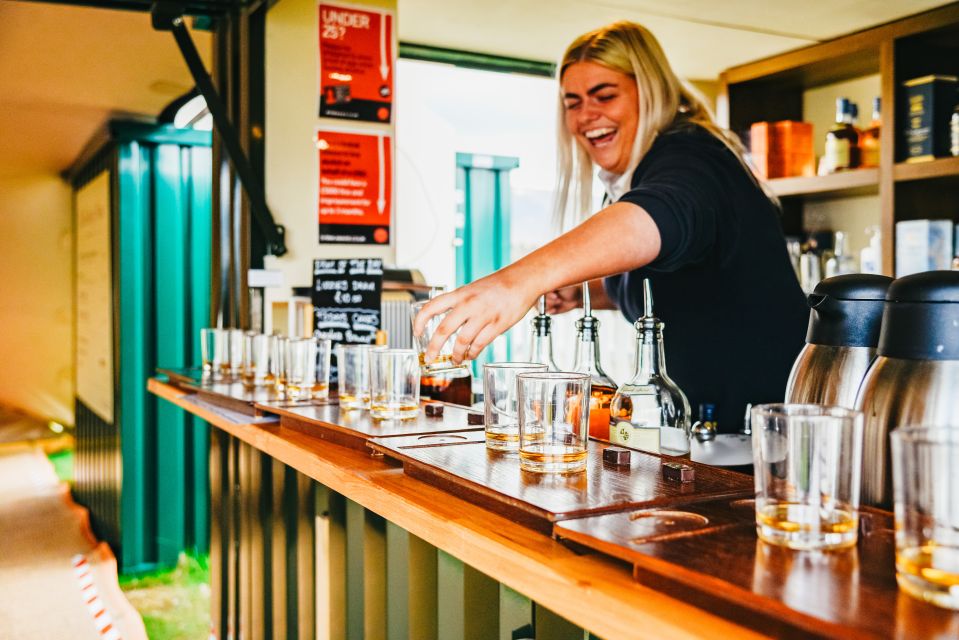
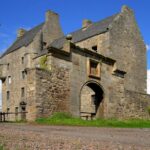
Midhope Castle is your first big Outlander hit. It’s used as an external location for Lallybroch, Jamie Fraser’s family home, and the structure is largely intact outside. The catch: the inside is derelict, so your visit is mostly about the atmosphere and the look from the right angles—very much a “stand here, picture the scene” moment.
Midhope entrance is included, but subject to availability, and it may close at short notice for filming. That’s the one stop you should treat as slightly uncertain. If it’s open, you’ll likely feel the emotional payoff early, because this is the visit that most clearly says: you’ve arrived in Jamie’s world, even if you’re seeing it through the lens of a show.
Practical tip: if you’re a photography-first person, aim to get your shots quickly and then slow down for the “why this place matters” part of the visit. The emotional impact tends to land after you stop rushing.
Doune Castle as Castle Leoch
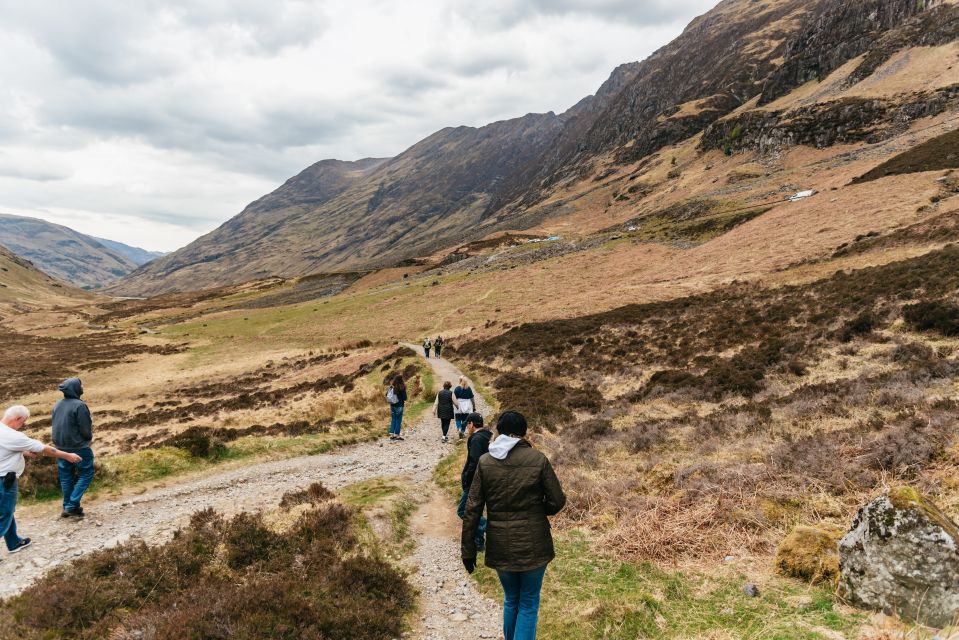
Next comes Doune Castle, better known on-screen as Castle Leoch, home to Colum Mackenzie. Doune’s entrance fee is included, so once you’re there, you can spend your time on the stone, the views, and the story beats instead of worrying about ticket timing.
Doune also has pop-culture extra life: it appeared in Monty Python and the Holy Grail. That can sound like trivia, but it actually helps you understand why the castle feels cinematic—it’s built for big frames and dramatic angles.
One useful detail for Outlander fans: one recent traveler noted that the visit included a guided audio narrated by Sam Heughan. You should check what’s offered on your departure, but if audio options are available, they’re a great way to connect the filming location to the characters in a way that feels less rushed.
Blackness Castle and the “Fort William” connection over the Firth
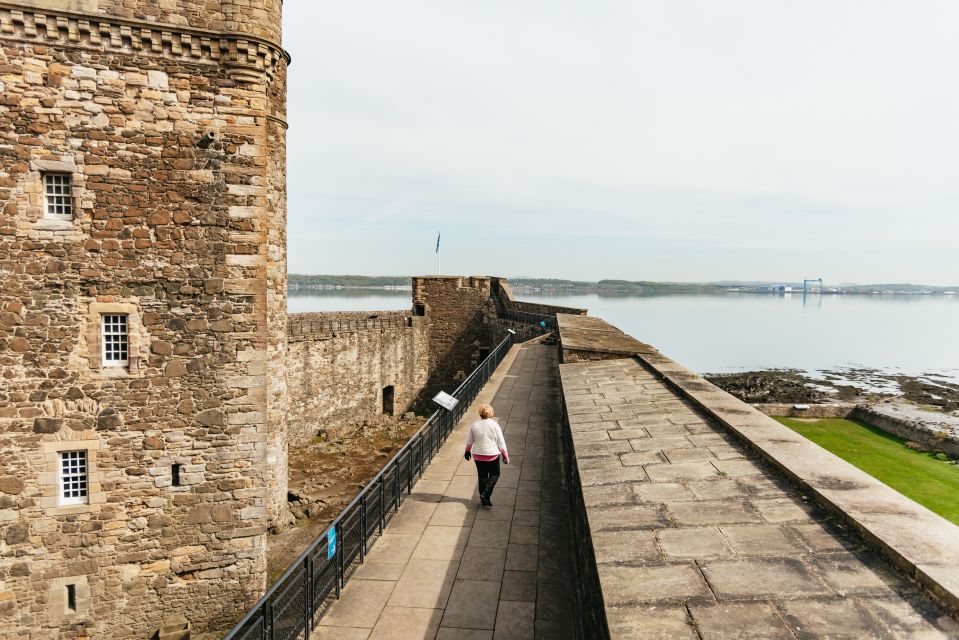
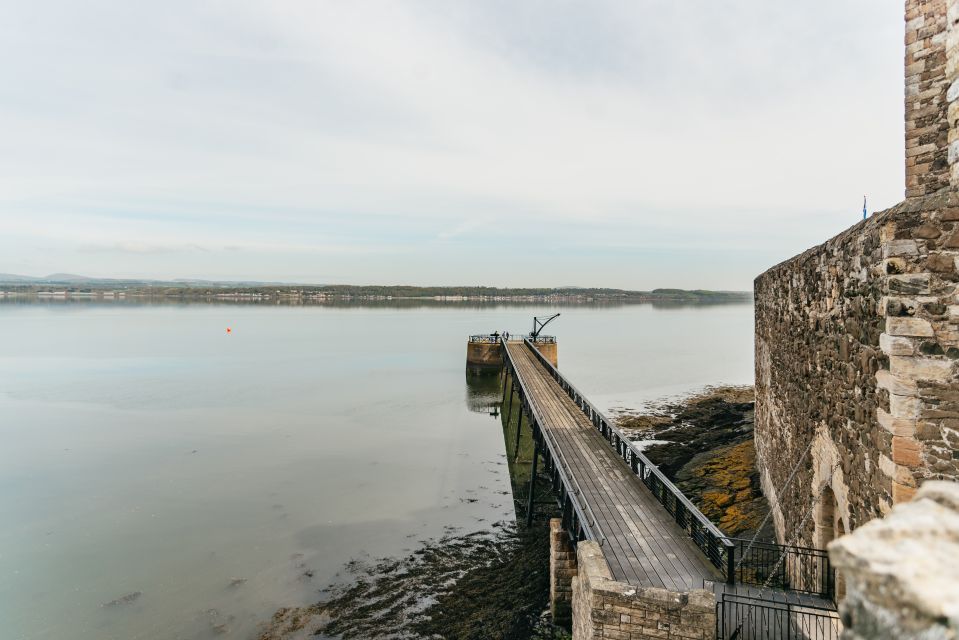
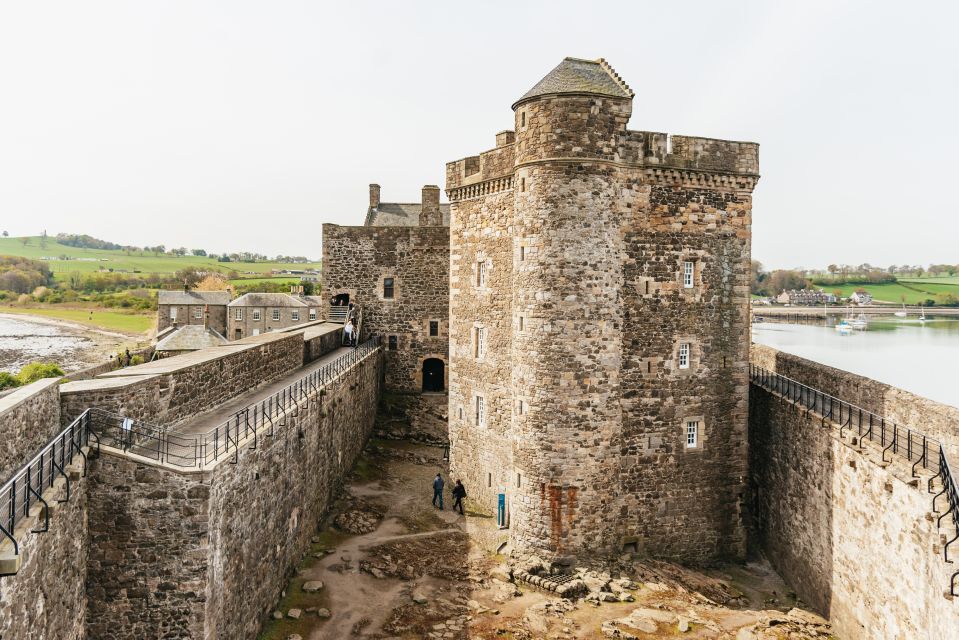
Blackness Castle sits overlooking the Firth of Forth, and it was used as a backdrop for Fort William. You’re not just getting another castle exterior—you’re getting a location that teaches you how Scotland’s coastline can double for different settings depending on camera position, weather, and light.
This stop is also a good place to reset your expectations. Castles and filming locations don’t automatically come with full guided tours at every location, so your best experience often comes from listening actively to your driver/guide as you stand where scenes were shaped.
Bring a lens hood or just keep an eye on wind-driven spray if the weather turns. The salt air plus coastal light can make your photos look stunning or oddly hazy depending on timing.
Glen Coe and a quick Loch Ness break
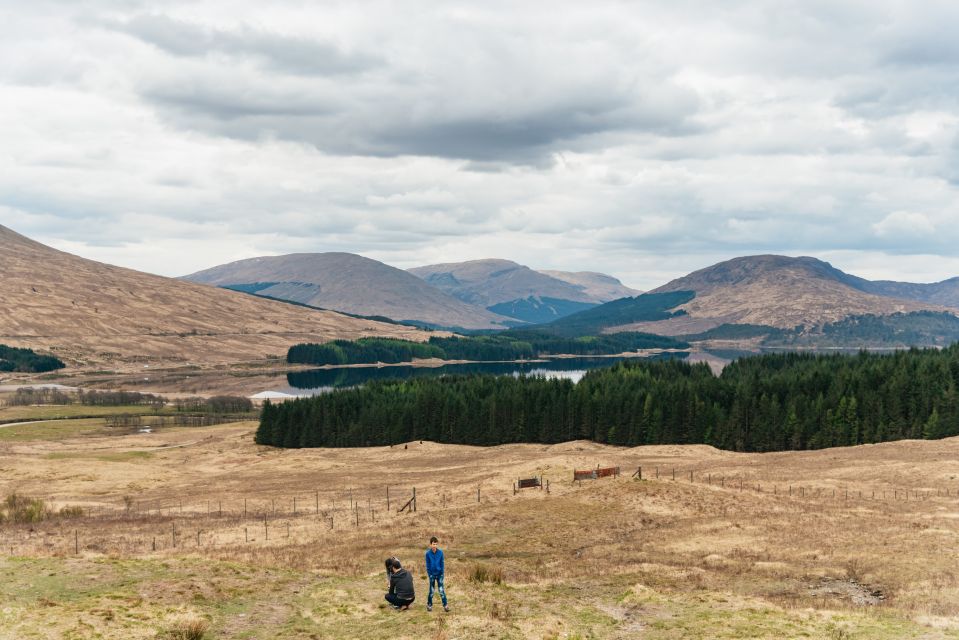
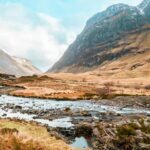
After the castle-heavy start, you roll into the Highlands and through Glen Coe. This section is about travel scenery, with your guide layering context as you go. You’ll also get a quick stop at Loch Ness before heading to Inverness.
Here’s the trade-off: Loch Ness is famous, but a quick stop is still a quick stop. You’re likely to get a chance for photos, a breath of air, and a snapshot of the lake and surrounding terrain—not a full day excursion. If you want more time on the water or a longer walk, you’ll need to plan that separately.
Still, this part of the tour is valuable because it breaks the day into two moods: castles and history early, then wider Highland space before your overnight base. That rhythm helps you absorb the sites instead of burning through them back-to-back.
Inverness overnight: why the hotel night matters
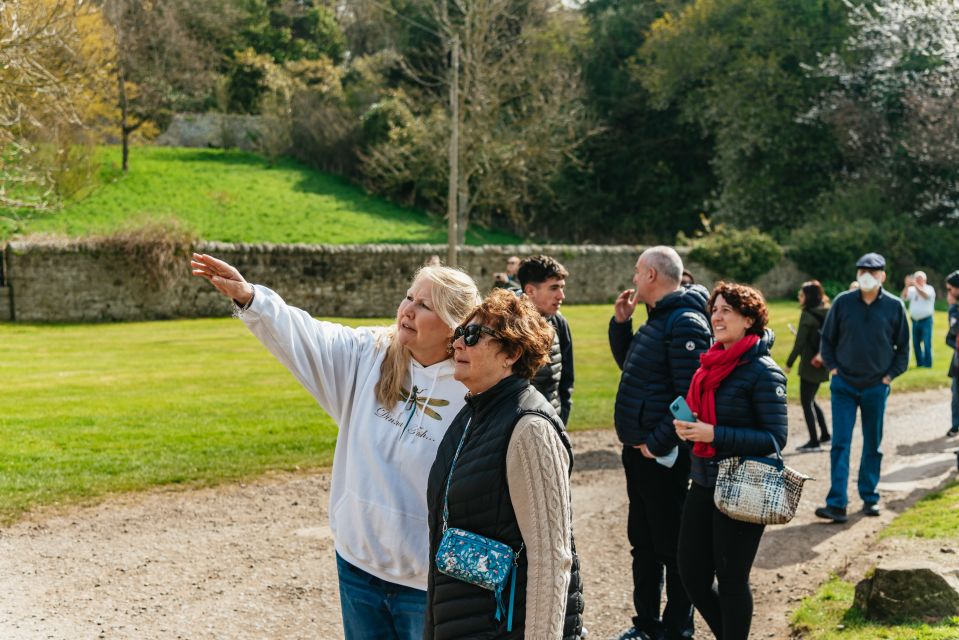
Your first day ends with an overnight in Inverness, and breakfast is included. This is more than convenience. After a long day of driving and site-watching, it’s a built-in recovery block, and it also prevents you from having to hunt for food at the end of the day when most places get picky.
You should still budget for dinner, since meals aren’t included. If your arrival time is late on your departure, it’s smart to know that restaurant hours can be tight in the city center.
Also, with luggage restrictions in play (15kg max per person and a maximum size of 55cm x 40cm x 20cm, plus a small carry on), your packing strategy should be about moving quickly between bus and sites. This isn’t a “bring everything” trip.
Clava Cairns to Craigh na Dun inspiration (and the 4000-year shock)
Day two starts with Clava Cairns, where you step back around 4000 years. This is tied to Craigh na Dun, which is one reason Outlander fans love it. But even without show memory, it works as a real sense of time travel: stone circles and burial structures that existed long before the characters ever became stories.
This stop is great for slowing down just enough to feel scale. Stone doesn’t care about your schedule, so you’ll likely get more meaning by standing and looking than by rushing to tick a box.
If you’re someone who likes history with atmosphere, this is one of the more satisfying moments on the route. You get the Outlander connection, but you also get a genuine sense of age and place.
Culloden Battlefield: last battle fought on British soil
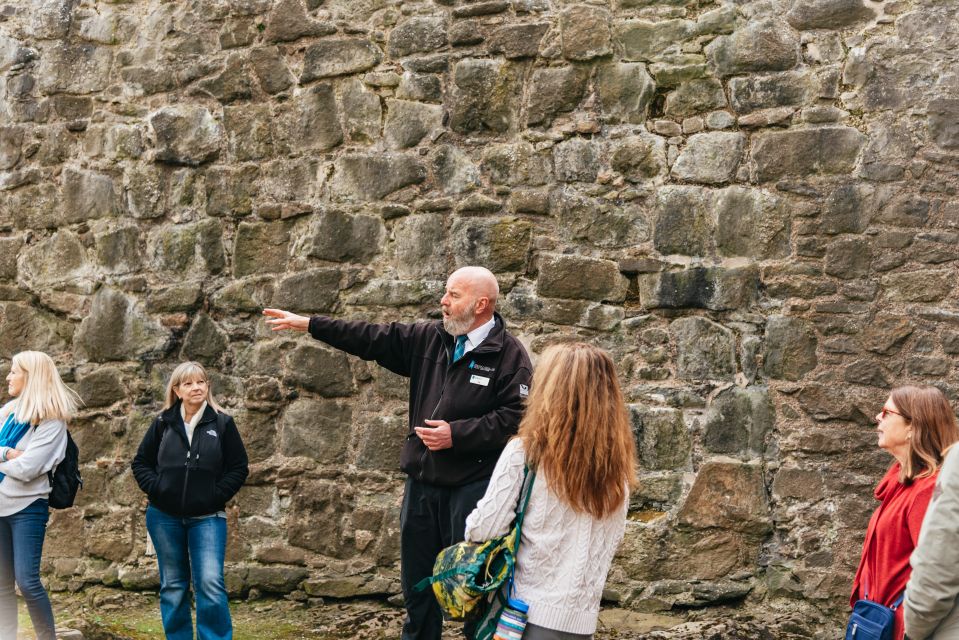
Culloden Battlefield is the emotional center of the second day. This is where the last battle fought on British soil took place. Outlander fans often come here with heavy expectations, but even if you’re not chasing the show, Culloden hits because the story is tied to real political trauma and real loss.
It’s also a stop where time limits can frustrate you. One traveler noted they would have liked more time at Culloden Moor. That’s worth listening to as you plan your mindset: you’ll get the key moments, but you may not get the deep wandering time you’d choose if you had a car and a full day.
If you want the strongest experience here, go in ready to be still for a few minutes. Let the ground and the memorial details do their work. A quick photo and moving on makes Culloden feel like a stop. Pausing makes it feel like a place.
Highland Folk Museum, Falkland, and Culross for living history moments
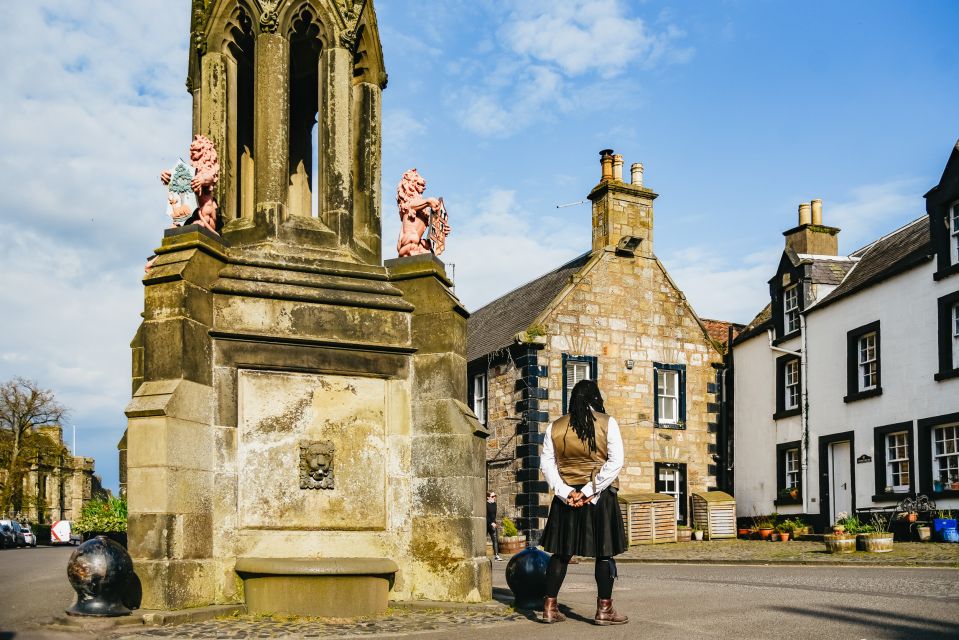
After Culloden, the tour shifts into living history mode at the Highland Folk Museum. This isn’t just a display—it’s set up with different time period scenes, which helps you connect Scottish life across eras. For Outlander fans, it also makes the broader show timeline feel more grounded, because the museum gives you a sense of daily life, not just famous events.
Then you head to Falkland Village, tied to one of the show’s Inverness moments—specifically the scene where Jamie’s ghost looks up in Claire’s room. Even if you’ve only seen that scene once, the village setting helps you remember the feeling of the episode instead of treating it like a single camera angle.
Your final stop is Culross. You get about an hour to explore the streets, and you may recognize it as Cranesmuir from the first season. One hour is tight, but it’s long enough to walk, find a few angles, and soak up the street-level character without feeling like you’re being rushed through shops.
Practical advice: choose footwear that can handle walking on uneven old-stone surfaces. You’re not just standing still at these locations; you’re moving through them.
Guide-driven storytelling: the real engine of the day
On this tour, the difference between a good day and a great day is often the guide. Across departures, you’ll hear consistent praise for how the driver/guide connects locations to stories, and the best ones do it with humor, pacing, and smart timing.
Some guides named by guests include Ben and Kenny, with praise for humor, music, and thoughtful storytelling. Others like Rob and Chloë get credit for turning the drive into part of the experience, with lively fact-sharing and even extra stops when it makes sense. Hugh and Graham are singled out for being accommodating and answering questions, while Steven and Moray are praised for balancing Scottish history with Outlander connections.
A few specific touches you might experience on your departure:
- Music timed to the route, which helps you remember what you learned
- Extra patience for photos, especially at photo-heavy castles and viewpoints
- Small surprises, like the occasional added stop idea
- Quick question handling, which keeps the group moving without losing interest
If you’re the kind of traveler who likes to talk with your guide, you’ll likely enjoy this format. It’s also a good fit if you’re going with family or friends who don’t all watch Outlander—your guide can connect the show to the real Scottish story, not just character names.
Price and value: what $312 buys you in practice
At $312 per person, you’re paying for more than “entry tickets.” This price includes transportation, a driver/guide, one night accommodation with breakfast, plus Midhope Castle (subject to availability) and Doune Castle entrance fees.
That mix matters. If you tried to cover these places on your own—especially without a car—costs add up quickly: driving time, fuel, parking, and then the admissions. The tour price also buys you someone who knows how to sequence stops and when to stop, which is a big deal over two long days.
What’s not included: meals, and admissions not listed in inclusions. That means you should plan on buying lunch and dinner. If you’re prone to getting hangry (fair), bring snacks in your carry on so you’re not stuck searching when a stop timing gets tight.
Two other value notes:
- Small group size (up to 16) can make the tour feel less crowded and more flexible for photos.
- The overnight in Inverness reduces stress on your schedule.
If you hate fixed schedules and love long stays at a single site, this cost may not feel “worth it” because the stops are frequent. If you want a structured highlight path with guided context, it’s strong value.
What to pack and how to avoid small trip annoyances
This isn’t an international backpacking route, but the logistics still matter. You’ve got luggage limits: 15kg max, with size limits of 55cm x 40cm x 20cm per person plus a small carry on. If your bag is larger, you may struggle to fit into the vehicle setup.
For comfort, I’d pack:
- Layers for wind and sudden cool changes
- Rain gear, since Scotland weather doesn’t negotiate
- Comfortable shoes for walking around castles, museum spaces, and village streets
- A camera battery and charging solution, since you’ll want photos at most major sites
If you’re sensitive to noise, remember that some guests complained about the bus being loud during gear shifts and braking. Earplugs are a simple fix if you want quieter focus for your guide stories or music.
Finally: children under 3 aren’t permitted. If you’re traveling with kids, double-check the age range early.
Should you book the Outlander Experience 2-Day Tour?
Book it if you want an efficient, guide-led way to see Outlander filming locations across castles, villages, and Highlands scenery—without renting a car. It’s also a strong choice if you care about the historical events behind the show, especially with Culloden and the time-sense at Clava Cairns and the Highland Folk Museum.
Skip (or adjust expectations) if you want lots of free time to linger at a single site. The pace is built for coverage. Also, be aware that Midhope Castle may close at short notice for filming, and that means your experience could shift.
One smart strategy: go in knowing what you most want—Jamie-and-Claire sites, Jacobite history, or the living history vibe. This tour gives you all three, but your best day happens when you decide what to prioritize before you arrive.
FAQ
How long is the Outlander Experience 2-Day Tour?
The total duration is listed as 33 hours.
What group size is this tour limited to?
It’s a small group limited to 16 participants.
What language is the live tour guide?
The live tour guide speaks English.
What’s included in the price?
Transportation is included, along with one night accommodation and breakfast, the driver/guide, Midhope Castle (subject to availability), and Doune Castle entrance.
Are meals included?
Meals are not included.
What Outlander-related sites are visited?
You’ll visit Midhope Castle (Outlander’s Lallybroch external location), Blackness Castle, Doune Castle (Castle Leoch), Clava Cairns, Culloden Battlefield, the Highland Folk Museum, Falkland Village, and Culross.
Is there an age limit for children?
Yes. Children under 3 years old are not permitted.
Are there luggage limits?
Yes. The maximum weight is 15kg, and the maximum size is 55cm x 40cm x 20cm per person, plus a small carry on.
Can Midhope Castle close before we arrive?
Yes. Midhope Castle may close at short notice for filming.
Is free cancellation available, and how far in advance?
Free cancellation is available up to 14 days in advance for a full refund.