
REVIEW · EDINBURGH
Edinburgh: Discover Edinburgh’s Old Town Walking Tour
Book on GetYourGuide →Operated by EDI Tours · Bookable on GetYourGuide
That first stretch along the Royal Mile sets the tone fast. This Old Town walking tour strings together the big sights, from St Giles’ Cathedral to Edinburgh Castle, with a guide who makes the story stick. I especially like how John (one of the EDI Tours guides) keeps things organized and easy to follow, and how the walk connects royalty, religion, politics, and everyday life. The main drawback to plan for is simple: it’s a 2-hour walk in all kinds of Scottish weather, so wear proper shoes and bring a rain layer.
You also get a practical “how to read the city” lesson. You’ll hear why the Old Town is a UNESCO World Heritage Site, how places like Grassmarket and Greyfriar’s Kirkyard fit into Edinburgh’s turning points, and which corners locals use for food and drinks. Still, if you need a lot of mobility support beyond a wheelchair, this tour may be a mismatch, since it’s also listed as not suitable for people with mobility impairments.
By the time you reach the end point back near where you started, you’re not just tired—you’re oriented. You’ll stand on the street said to have inspired Diagon Alley and walk away knowing where to go next on your own.
In This Review
- Key highlights worth showing up for
- Royal Mile to Edinburgh Castle: why this 2-hour Old Town walk works
- Starting at David Hume’s Statue on the Royal Mile
- St Giles’ Cathedral and the Writers Museum: where faith meets words
- Grassmarket and the Scott Monument: power in public spaces
- Greyfriar’s Kirkyard and the street said to inspire Diagon Alley
- Edinburgh Castle: how the guide makes the stones meaningful
- The guide’s storytelling style: patient, organized, and clear
- What it costs and why it feels like good value
- How to dress and plan for rain or shine
- Who this Old Town walking tour is best for
- Should you book Edinburgh’s Old Town Walking Tour?
- FAQ
- How long is the Edinburgh Old Town walking tour?
- Where does the tour start?
- Where does the tour end?
- What is included in the price?
- Is food or drink included?
- What language is the tour in?
- What should I bring?
- What rules should I know before going?
Key highlights worth showing up for
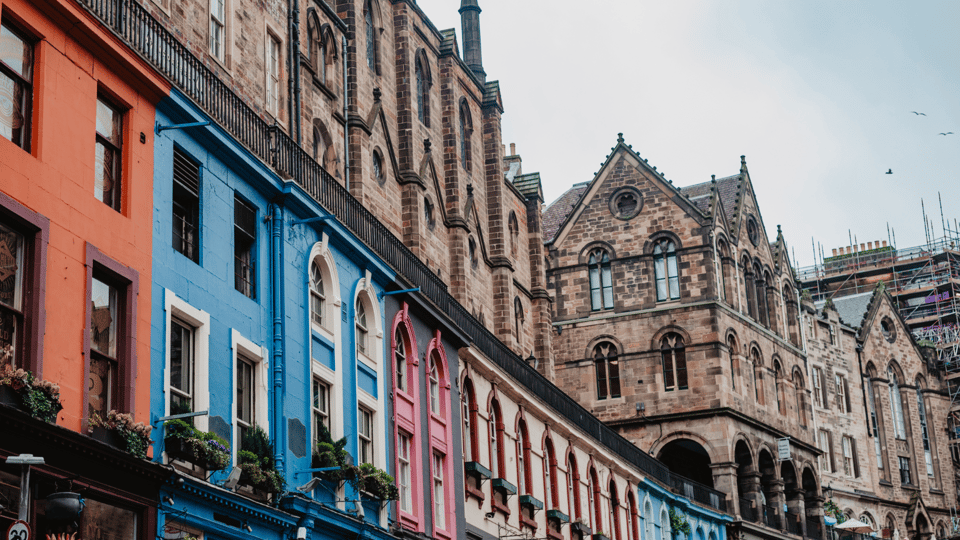
- Royal Mile to Edinburgh Castle focus with stops that match the Old Town’s best-known landmarks
- UNESCO Old Town setting that helps you understand why this area matters
- Storytelling built around key themes like reformations, rebellions, enlightenment, and 21st-century Edinburgh
- Local eating and drinking spots so you’re not stuck with tourist-only options
- Diagon Alley inspiration via the street connected to popular culture
- John’s teaching style noted for being patient and clear
Royal Mile to Edinburgh Castle: why this 2-hour Old Town walk works
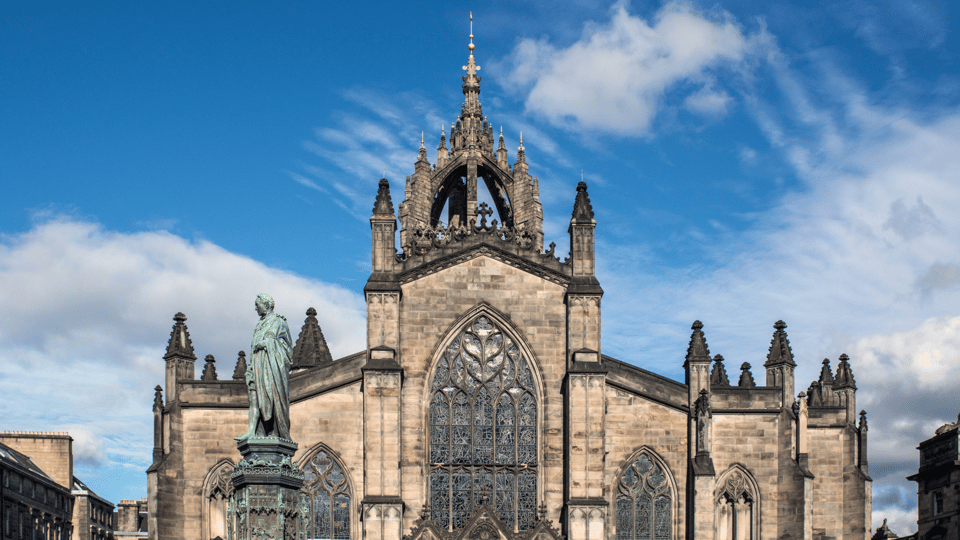
Edinburgh rewards people who slow down and look closely. This tour is built for exactly that: a short, timed walk that hits the Old Town’s most recognizable landmarks while giving you the “what/why” behind them. For about two hours, you get a city orientation you can actually use the rest of your trip.
The big value is the storytelling structure. Instead of random facts, the guide weaves themes—royalty, religion, politics, art, and culture—across the places you see. You’ll also hear how Edinburgh’s story stretches back to a Bronze Age settlement and then moves forward to the festival city it is today. That timeline matters because it turns famous buildings into evidence of real change: who had power, what people believed, and how the city shaped daily life.
The other practical win: you don’t have to plan a complicated route in advance. You start at a spot on the Royal Mile that’s easy to find, then you follow the Old Town in a way that naturally threads major sites together. By the end, you’re placed back in a central location, so you can continue at your own pace—grab a snack, browse shops, or aim yourself at the next landmark on your list.
You can also read our reviews of more walking tours in Edinburgh


Starting at David Hume’s Statue on the Royal Mile
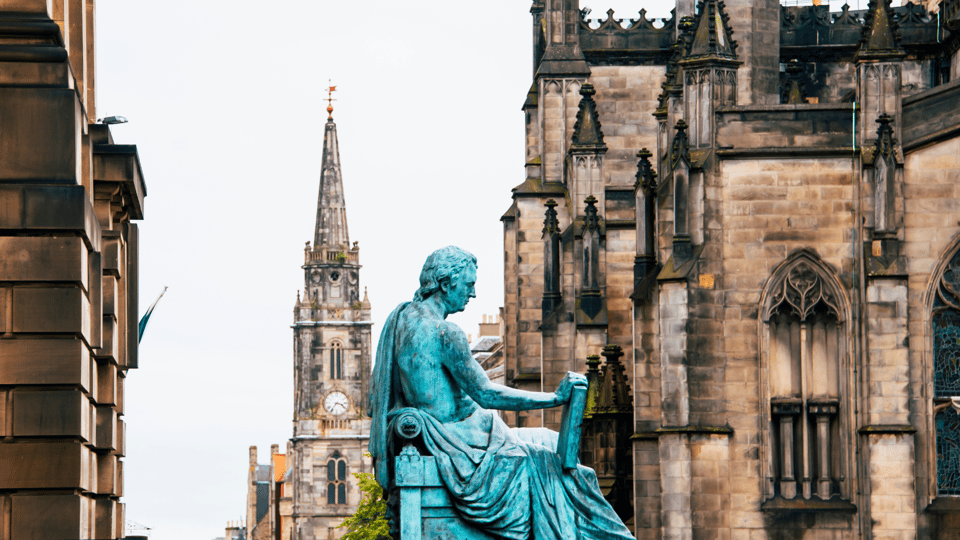
Your tour meets at the Statue of David Hume on the Royal Mile. That’s a smart choice because the Royal Mile is the city’s main spine: it’s where you get the strongest sense of how the Old Town grew and how visitors and locals move through it.
Look for your guide holding the Black & White Meeting Point Umbrella with the EDI Tours logo. It’s a small detail, but it’s the difference between arriving stressed and feeling like you’re immediately “in” the plan.
This start also helps with pacing. The Royal Mile can feel like one long postcard if you wander alone. With a guide, you learn how to read what you’re seeing: architectural choices, the city’s political and religious shifts, and why certain blocks are tied to major names. Once you understand what to notice, you’ll spot more even when the tour ends.
One note for your comfort: the walking is steady. The tour is designed to cover major sights, so bring comfortable shoes and weather-appropriate clothing. Scotland doesn’t negotiate with plans.
St Giles’ Cathedral and the Writers Museum: where faith meets words
Among the stops, St Giles’ Cathedral is a key anchor. It’s not just an impressive building—it’s part of Edinburgh’s long relationship with religious power and public life. When you stand there with a guide explaining the connections, you can feel how religion shaped laws, education, and community identity.
Then there’s the Writers Museum, which adds a different layer to the same theme: how culture and literature became part of Edinburgh’s reputation. When the guide ties the writers to the city’s changes—politics, social movements, and the ideas of enlightenment—you start to understand why Edinburgh produces thinkers and why the Old Town itself feels like a stage for ideas.
This combo is worth it because it gives you a balanced mental map. If your only focus is castles and kings, you miss the way ideas spread through people and institutions. And if you only focus on literature, you miss the larger forces that shaped the writers’ world.
Grassmarket and the Scott Monument: power in public spaces
Grassmarket is one of those places you feel instantly. It’s a real part of the city, not a museum hallway. In this tour, it becomes a lesson in how the Old Town’s major spaces connect to history beyond the official story. You’ll learn how power and conflict played out in streets and public areas, not just in grand palaces.
From there, the Scott Monument brings the spotlight back to named influence—especially Sir Walter Scott. Monuments can feel like simple photo stops, but with context you start seeing them as signals of what a city chooses to remember. The guide’s narration helps you connect Scott’s legacy to the broader sweep of Edinburgh’s political and cultural life.
What I like about including both Grassmarket and the Scott Monument is the contrast. Grassmarket reminds you that history includes ordinary streets and real tension. The Scott Monument reminds you that history also includes commemoration—turning people and events into landmarks the city can keep talking about for generations.
Greyfriar’s Kirkyard and the street said to inspire Diagon Alley

Greyfriar’s Kirkyard is one of the most memorable stops on the tour because it’s both historic and emotional. It’s the kind of place where the guide can explain why Edinburgh became known for certain stories, and how the city’s religious shifts and social conflicts echo in its landscapes of memory.
Then comes a very fun pivot: the tour includes standing on the street described as having inspired Diagon Alley. Even if you’re not deep into popular culture, it’s still a useful moment. It shows how Edinburgh’s Old Town look—tight lanes, dramatic facades, and layered architecture—translates into global imagination.
I like this mix because it keeps you moving between two ways of appreciating a city:
- historical meaning (why people built and preserved what they did)
- modern connections (why these streets keep showing up in stories)
That’s how you end up with both knowledge and good energy, not just a list of facts.




Edinburgh Castle: how the guide makes the stones meaningful
No Old Town walk in Edinburgh is complete without Edinburgh Castle. Even if you’ve seen pictures, a guided approach helps you interpret what you’re looking at. Castles can feel like big, dramatic backdrops from afar. With a guide, you understand what mattered to the people who lived in the city—control, defense, and legitimacy.
The best part is how the guide ties the castle to larger themes. You’ll hear about major figures like Mary, Queen of Scots, and how royalty and power shaped what Edinburgh became. You’ll also hear about political and religious shifts—how conflict and reform changed daily life, not just charts in history books.
A practical tip: if you’re planning to visit more sites after the tour, the castle stop is a good reference point for your timing. Since the tour is only two hours, it can’t cover everything in one visit. But it gives you the big context so you can choose what to revisit later with more intention.
The guide’s storytelling style: patient, organized, and clear
One of the standout strengths here is the guide quality. John is specifically praised for being patient and for describing history in a way that’s easy to follow. That matters more than people think.
When a tour guide is clear and organized, you spend less mental effort trying to connect one stop to another. You’re free to enjoy the architecture, the streets, and the little details you would otherwise miss. It also makes the tour work well for groups with different interests—someone can be there for the castle, another person for literature, and another for the political story, and the guide still keeps everyone oriented.
If you’re traveling with friends who usually bounce off “lecture-style history,” this kind of guide helps. The narration is meant to feel like a conversation on the street, not a textbook you have to survive.
What it costs and why it feels like good value
The price is $20 per person for a 2-hour English-speaking walking tour. At that cost, you’re paying for something you can’t easily replicate on your own unless you already know what to look for: a guided structure that connects major sights to key themes.
The inclusion is simple and useful:
- English speaking tour guide
What’s not included:
- Food and drink
That means you should budget a little extra for snacks or a drink afterward. But that’s not a deal-breaker—food is usually better when you choose it intentionally based on what you learned on the walk. The tour even points you toward places where the locals eat and drink, which helps you spend your money where you actually want to be.
Also, the “central location” finish is part of the value. You’re not pushed out to the edge of town. You end back at the meeting point, so you can keep exploring nearby without losing time backtracking.
How to dress and plan for rain or shine
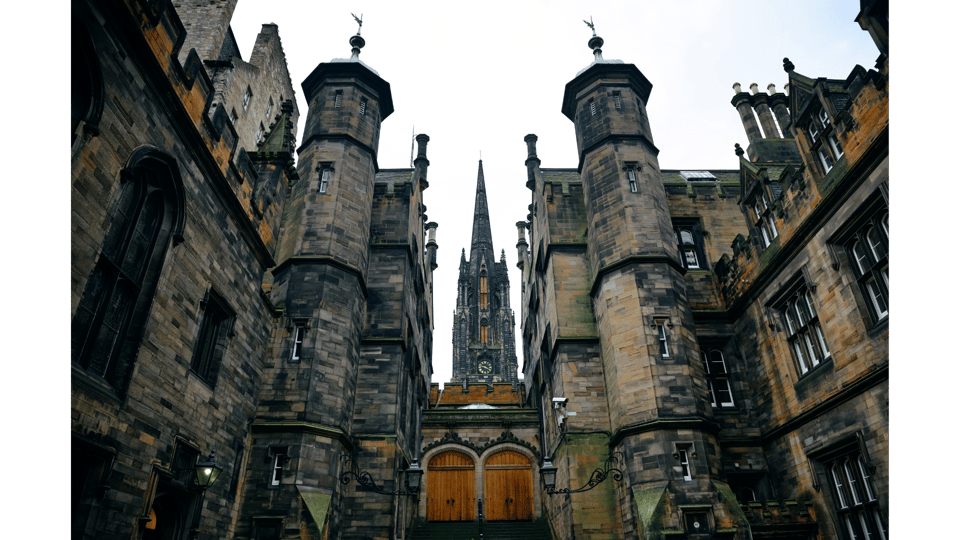
This tour takes place rain or shine. That’s common in Scotland, but it affects your enjoyment. If you dress like it’s a mild day, you’ll feel it. If you dress for wind and rain, the tour becomes comfortable and even fun.
Bring:
- Comfortable shoes (you’re walking between multiple Old Town sights)
- Weather-appropriate clothing
- A rain layer you don’t mind getting splashed on
Also remember:
- Smoking isn’t allowed
- Unaccompanied minors aren’t allowed, and children 15 and under must be with a responsible adult
Who this Old Town walking tour is best for
This tour fits best if you want a fast, structured way to understand Edinburgh’s Old Town. You’ll enjoy it most if you’re:
- visiting for a short time and want major sights tied together by story
- the type who likes when a guide explains why buildings and streets matter
- interested in connections—royalty to religion, politics to culture, and past events to Edinburgh’s modern festival identity
It’s also a good “first day in Edinburgh” move. Getting the bigger story early makes later self-guided wandering feel more rewarding.
One group to think about carefully: it’s listed as wheelchair accessible, but also listed as not suitable for people with mobility impairments. If that applies to you, double-check fit before booking so you’re not stuck with a route that’s harder than expected.
Should you book Edinburgh’s Old Town Walking Tour?
Yes, if you want a guided overview that turns famous places into a connected story. For $20 and two hours, it’s a solid value because you get major Old Town landmarks, UNESCO context, and a guide who keeps the narrative clear. John’s style—patient and organized—is a big plus if you learn better when someone slows things down and explains in plain language.
Skip it (or at least think twice) if you’re looking for a relaxed stroll with long breaks, or if you have strong mobility limitations that go beyond the tour’s listed accessibility. Also plan on spending a little extra on snacks since food and drink aren’t included.
If your goal is to get your bearings fast and leave with names, themes, and smart next steps, this tour is a great choice.
FAQ
How long is the Edinburgh Old Town walking tour?
The tour lasts 2 hours.
Where does the tour start?
It meets at the Statue of David Hume on the Royal Mile. Your guide will be holding the Black & White Meeting Point Umbrella with the EDI Tours logo.
Where does the tour end?
The tour ends back at the meeting point.
What is included in the price?
The tour includes an English-speaking tour guide.
Is food or drink included?
No. Food and drink are not included.
What language is the tour in?
The tour is English.
What should I bring?
Bring comfortable shoes and comfortable clothes, plus weather-appropriate clothing. The tour runs rain or shine.
What rules should I know before going?
Smoking isn’t allowed. Unaccompanied minors aren’t allowed, and children aged 15 and under must be accompanied by a responsible adult for the full duration of the tour.