REVIEW · EDINBURGH
Edinburgh: Small-Group History of Whisky Tour with Tasting
Book on GetYourGuide →Operated by Mercat Tours · Bookable on GetYourGuide
Whisky tastes better with a story. This Edinburgh history of whisky tour pairs a guided walk on the Royal Mile and Old Town wynds with a candlelit tasting in Megget’s Cellar, where you learn how your dram is made and why it tastes the way it does. I especially like the blend of street-level history (King James IV, smugglers, and surgeon-barbers) with a proper tasting masterclass, and I like that the guides I’ve heard praised—like Jared, Charles, Fred, and Nora—focus on making the science feel easy. One heads-up: if weather turns nasty, you’ll be outside for part of the experience, and a couple of reviews suggest the walking time can feel long when it’s cold.
You’re not just ticking off a whisky stop. You’re learning what Scotland meant by the “water of life,” and then you’re putting that knowledge to work with your nose and taste buds. It’s a great fit if you like stories with sensory payoff: smells, flavors, and a sense that the city itself helped shape the drink.
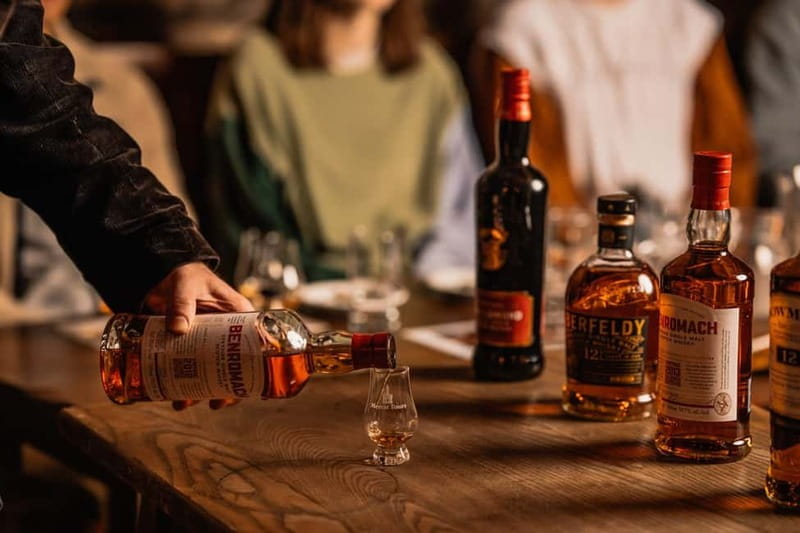
The tasting is the real centerpiece. Expect four single malts from different regions (Speyside, Highland, Islay, and Lowland), plus a souvenir Glencairn tasting glass and guidance on what to notice while you drink.
In This Review
- Quick hits I’d plan around
- Where the Tour Starts on Edinburgh’s Royal Mile
- Old Town Whisky Stories: water of life, King James IV, and the Surgeon Barbers
- George Ballantine and Andrew Usher Jr: how Edinburgh home-brewers became export brands
- Wynds, closes, and those quick guided stops you’ll actually remember
- Candlelit tasting in Megget’s Cellar: the part that makes it worth it
- The masterclass part: how water, barley, peat, and the cask change the flavor
- What you taste: Speyside, Highland, Islay, and Lowland
- Price and value: what $54 buys you in real terms
- Comfort, timing, and who should come (and who should skip)
- Should you book this Edinburgh whisky tour?
- FAQ
- Where does the tour start?
- How long is the experience?
- What is included in the tasting?
- Do I receive a tasting glass?
- Is the tour suitable for children or teens?
- Is it wheelchair accessible or suitable for mobility impairments?
- Can I get a refund if my plans change?
Quick hits I’d plan around
- Megget’s Cellar: candlelit underground vaults make the tasting feel special
- Four single malts: samples are spread across major whisky regions
- Old Town context: water-of-life history tied to specific places in Edinburgh
- Ingredient lessons: water, barley, peat, and cask influences explained in plain language
- Hands-on tasting approach: nose and taste guidance for beginners and curious drinkers
- Glencairn souvenir: you leave with a proper tasting glass, not just a sip and a stamp
Where the Tour Starts on Edinburgh’s Royal Mile
You meet at Mercat Cross on the Royal Mile (High Street). Plan to arrive about 15 minutes early so you can check in with the on-street representative from Mercat Tours without rushing.
This matters more than you might think. Starting right on the Royal Mile means you begin with context—Edinburgh’s Old Town isn’t a museum setting. It’s a real neighborhood of closes and wynds, and the guide can point out how the whisky story connects to everyday street patterns and older buildings.
From there, the tour moves through a sequence of short guided stops—Bellovisto, Argos, and then another marked guided point at Mercat Tours—before you head for the tasting in the underground cellars. If you’re sensitive to cold or have trouble walking on slick pavement, this is the moment to decide how you’ll pace yourself. You’re on your feet for the opening portion, and at 2 hours total, there’s no huge buffer.
You can also read our reviews of more food & drink experiences in Edinburgh

Old Town Whisky Stories: water of life, King James IV, and the Surgeon Barbers
The walking part of the tour is built around a single thread: how Edinburgh became tied to whisky production and tradition long before modern distilleries put their names on bottles.
You’ll hear about the “water of life,” or aqua vitae, and how early production and belief systems helped the drink take root socially and commercially. A big highlight is the 15th-century role of King James IV of Scotland, who is described as a major influence because of his belief in whisky’s medicinal properties.
That belief led to an unusual twist: the Guild of Surgeon Barbers being tasked with manufacturing it. It’s one of those details that makes the history feel less like dates on a page and more like how people actually thought about health and trade at the time. If you’ve ever wondered how something becomes both a local habit and a legacy brand, this kind of story is exactly the kind of bridge that helps.
The tour also connects whisky to the underbelly side of Old Town life. You’ll hear about smugglers, bootleggers, and other characters who helped push whisky into the shadows—and then back into the wider economy. That seedier angle is part of the fun, but it also gives you a more realistic picture: whisky wasn’t only respectability and monks. It was improvisation, risk, and supply.
George Ballantine and Andrew Usher Jr: how Edinburgh home-brewers became export brands
You don’t just stay in the medieval era. The guide brings the story forward to the 19th century with Edinburgh locals like George Ballantine and Andrew Usher Jr.
Here’s what I like about including these names: it turns whisky history from a myth into something traceable. You can understand how homemade whisky traditions could evolve into bigger production and eventually export worldwide. It’s the part of the tour that makes modern Scotch feel like a natural outcome rather than a sudden invention.
In practical terms, those stories also set you up for the tasting. When you hear about pioneers and trade changing over time, you’ll be more alert to what changes a whisky region-wide: raw materials, production methods, and the cask. The guide doesn’t just say the flavors come from nowhere. The story gives you a reason to care.
Wynds, closes, and those quick guided stops you’ll actually remember
During the walk, you move through the kind of narrow streets Edinburgh does best: wynds and closes—the tight lanes that feel like secret corridors. The guide uses these spaces to anchor the story in place, so it’s not just, here’s a fact, now move on.
You’ll also hit the tour’s staged stops, including Bellovisto and Argos. You don’t need to know what each name looks like on a map. The point is that each stop is a short guided moment: a chance to re-orient, hear a specific chapter, and then get back moving.
That said, this is also the trade-off. At 2 hours total, the walk portion can feel like it has to “fit in” while you’re still getting your bearings. Some reviews suggest time on the streets can feel long—especially if it’s very cold or raining—because the tasting is the part you really want to settle into.
If you’re the type who hates waiting out weather, bring layers and wear shoes you can trust. You’ll be happier when you arrive at the cellar ready to breathe in the aroma and slow down.
Candlelit tasting in Megget’s Cellar: the part that makes it worth it
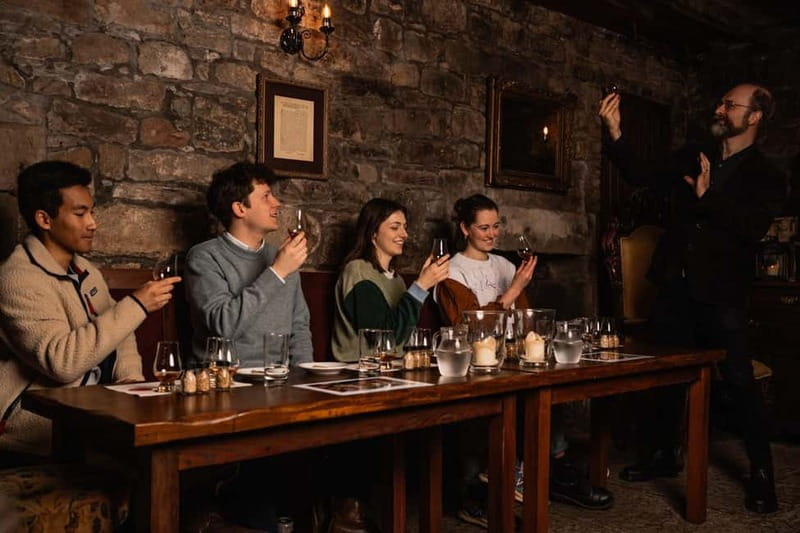
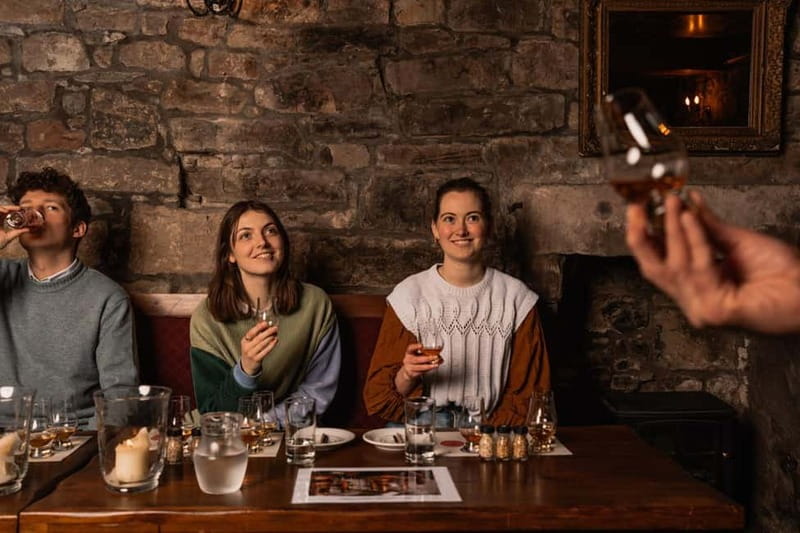
After the Old Town portion, the vibe shifts fast—street noise fades, and you move into Megget’s Cellar, described as candlelit underground vaults.
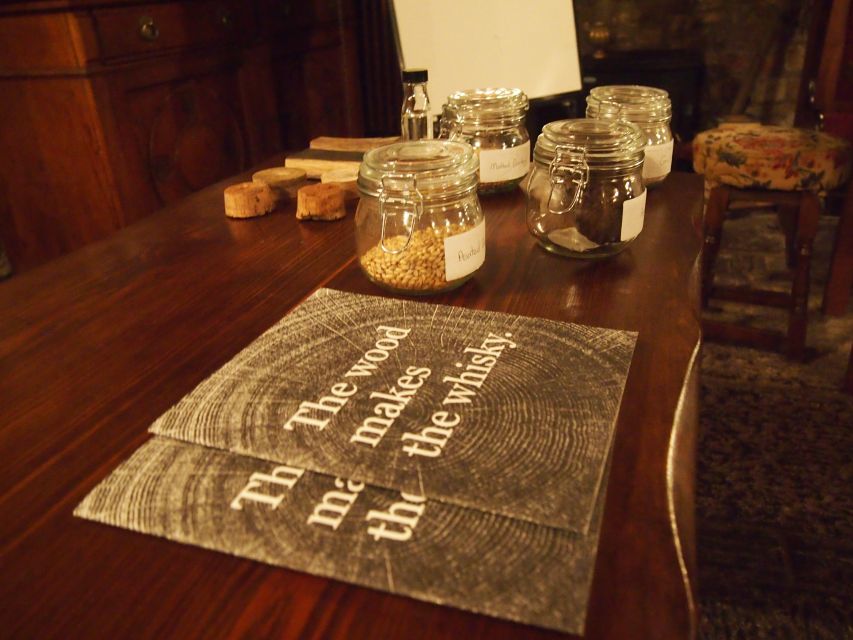
This is where I think the tour earns its price. Whisky tasting is sensory, and an underground setting is perfect for that. You’re in a warmer room, and the guide can talk without you competing with wind and traffic. It also helps that you’re not staring at a poster of whisky—you’re smelling and tasting the real thing, right where the atmosphere supports the mood.
You’ll hear captivating stories as you taste, and you’ll follow guidance from a whisky specialist on how to notice what’s in your glass. Reviews highlight that the tasting is informal and comfortable, including for beginners, while still being engaging if you already know your way around a dram.
The tasting format includes four samples, so you’re not stuck with one whisky and forced to make it do everything. You get a small flight that lets you compare regions and draw your own conclusions.
You can also read our reviews of more historical tours in Edinburgh






The masterclass part: how water, barley, peat, and the cask change the flavor
The guide’s main teaching goal is simple: help you connect ingredients and process to what you sense in the glass.
You’ll learn the basics of how whisky is made, then focus on how different elements can steer the final character. The tour specifically calls out fundamental factors like:
- water
- barley
- peat
- the cask
Even if you don’t go home suddenly speaking distillery-speak, the lesson gives you a framework. Next time you taste something smoky, you can ask whether peat is part of the story. Next time you taste something smooth or structured, you can think about the cask’s role and how it carries flavors forward.
This is where the guide style matters. In the reviews, guides such as Charles, Fred, Jared, and Nora are praised for storytelling and for making the nuances feel approachable. That lines up with what you want on a tasting tour: not a lecture, but a guided set of prompts that helps you taste on purpose.
What you taste: Speyside, Highland, Islay, and Lowland
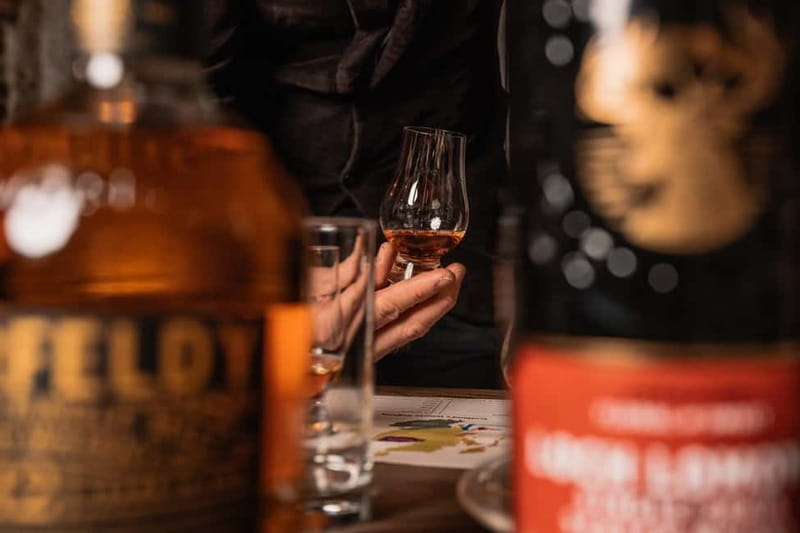
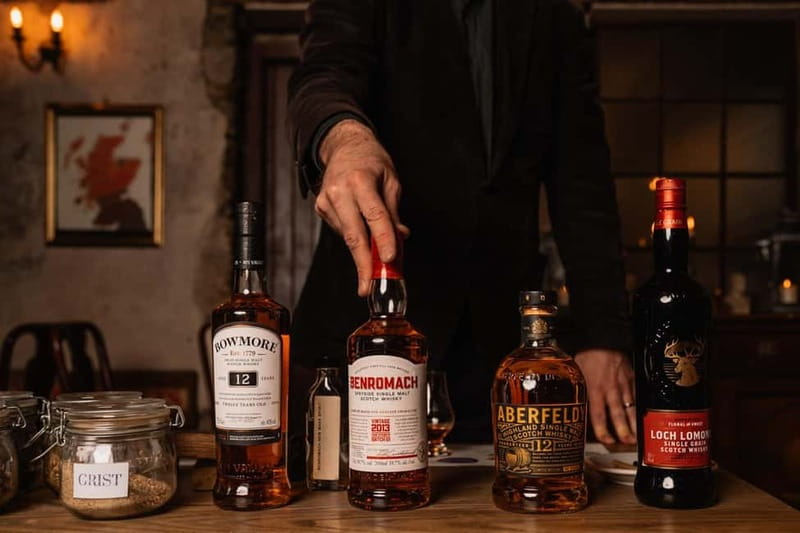
The tasting includes sample whiskies from major whisky regions: Speyside, Highland, Islay, and Lowland. That set is smart because it covers a range of styles, giving you a quick mental map of how Scotch can differ.
I’d plan to spend your time tasting like this:
- Start by nosing first, then sip.
- Compare each sample before you start judging the last one.
- Pay attention to smoke, sweetness, dryness, and any shift in texture.
Because the tour uses a specialist and keeps the format structured (four samples), you’re less likely to leave with the vague feeling of I drank whisky and it was fine. You should leave with at least a few clear takeaways about what you liked and what surprised you.
And yes, you get a Glencairn whisky tasting glass as a souvenir. That’s a practical win: it’s designed for tasting, so it’s not just a cute prop. If you buy whisky later, you can actually use the glass the way you were taught to smell and sip.
Price and value: what $54 buys you in real terms
At around $54 per person for a 2-hour small-group tour, the math works best if you care about two things: guided context and guided tasting.
If you were to do only the walking tour, you might find other Edinburgh history walks for less. If you were to do only tasting at a bar, you’d likely pay for drinks without getting the kind of ingredient-based explanations you hear here. This experience combines both into one compact package.
Here’s what’s included that adds value:
- a guided walking history of Edinburgh’s whisky roots
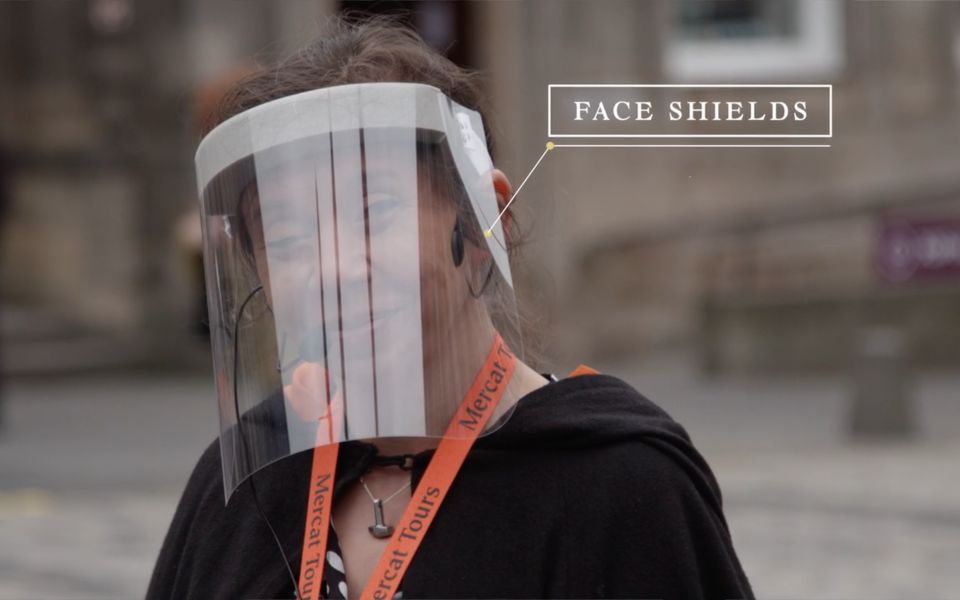
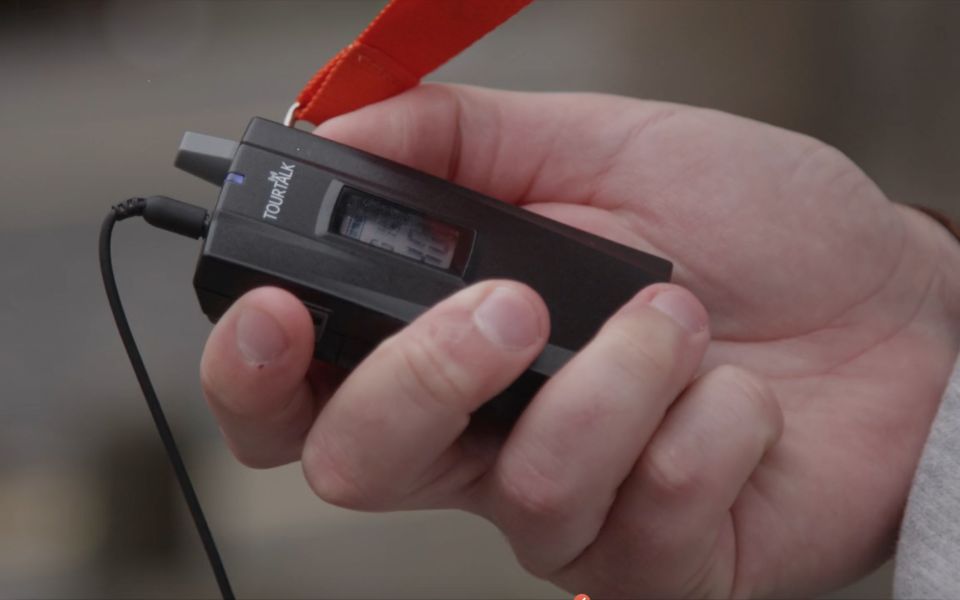
- audio devices so you can clearly hear the guide
- four samples across whisky regions
- a specialist-led tasting
- a souvenir Glencairn glass
The result is a format that’s especially good for first-timers. You get just enough structure to learn, but not so much structure that you feel trapped. For seasoned whisky drinkers, it can still be worthwhile because the tour focuses on tasting methodology (nose/taste guidance) and ingredients like water, barley, peat, and cask.
Comfort, timing, and who should come (and who should skip)
This tour runs about 2 hours, and it ends back at the starting point. That makes it easy to slot into a day that already includes Old Town wandering, museum time, or a pub stop later.
A few practical points from what you’re told you should bring:
- wear comfortable shoes
- dress for weather (you’ll be outside during the walking portion)
- bring passport or ID
- it’s not suitable for anyone under 18
It’s also noted as not suitable for people with mobility impairments. That makes sense given the walking segments and the change to underground spaces.
Who will love this most:
- you want whisky history without turning it into a full-day commitment
- you’re curious about how whisky styles differ by region
- you like guided tasting with prompts, not a free-for-all
Who might find it less ideal:
- you hate cold street walking and prefer experiences that are fully indoors
- you want a “party” drinking session rather than a learning-focused tasting
One more timing note: if you’re visiting in wet weather, arrive with a plan to keep warm during the outside portion. A couple of reviews mention rain and cold nights, and the tasting is the moment you’ll enjoy the most once you’re safely in the cellar.
Should you book this Edinburgh whisky tour?
Book it if you want a compact evening where the guide explains how Edinburgh shaped whisky culture and then helps you taste the results—four single malts with a specialist, in Megget’s Cellar, plus a Glencairn glass you can use later.
Skip it if your top priority is an extended lounge-style whisky tasting with minimal walking. This is a history-and-tasting experience with a clear teaching rhythm, and that means the streets portion is part of the deal.
If you’re aiming to learn something real in 2 hours, this is a strong choice. You’ll leave with stories that make the flavors make sense—and with the glass in your hand that reminds you to taste deliberately the next time you pour.
FAQ
Where does the tour start?
The tour starts at Mercat Cross on the Royal Mile (High Street). You should arrive 15 minutes before the start time and check in with the on-street representative from Mercat Tours.
How long is the experience?
The tour is 2 hours long.
What is included in the tasting?
You get 4 samples of Scottish whiskies during the underground tasting.
Do I receive a tasting glass?
Yes. You receive a souvenir Glencairn whisky tasting glass.
Is the tour suitable for children or teens?
No. The tour is not suitable for anyone under 18.
Is it wheelchair accessible or suitable for mobility impairments?
No. The tour is not suitable for people with mobility impairments.
Can I get a refund if my plans change?
Yes. You can cancel up to 24 hours in advance for a full refund.