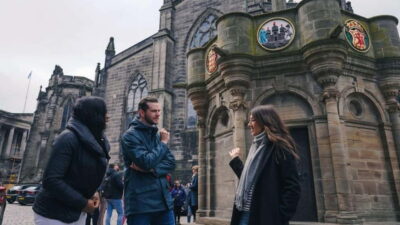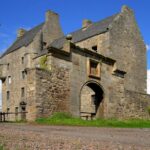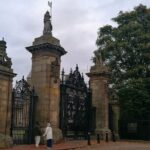
Edinburgh gets darker after sunset. This small group tour moves fast from Greyfriars Graveyard to scenes tied to criminals, witches, and public executions. I like how the stories stay grounded in real streets and specific places, not vague spooky talk, with a written guide handed to you for key stops. One catch: it’s a walking-heavy route with no public toilets along the way.
You’ll meet your guide at the National Museum of Scotland area, and the energy is built for an easy flow even when the topics get grim. The tour runs entirely in English and includes printed point-by-point supplements in English, French, Italian, or Spanish, so you can follow along even if your spoken English is solid-but-not-perfect. Bring warm layers and comfortable shoes—some ground is uneven, and parts feel like they’re made for feet, not wheelchairs.
In This Review
- Key highlights you’ll actually feel on the street
- A 110-minute walk with real pressure points
- Meeting at the National Museum of Scotland: get your bearings fast
- Greyfriars Graveyard: where the tour starts telling the city’s rules
- Covenanters’ Prison: the city as a machine
- Grassmarket and the execution-era streets
- Edinburgh Castle, the Royal Mile edges, and the Witchery stop
- Advocate’s Close and Real Mary King’s Close: the tight passage that changes everything
- Old Fishmarket Close and Deacon Brodie’s Close: crime with a local face
- Vaults and Niddry Street Vaults: when the city feels underfoot
- John Knox House, World’s End Close, Canongate Kirkyard: the tour widens again
- Cowgate finish: the final walk that ties it together
- Price and what you actually get for $23
- Language, walking comfort, and who should plan around the route
- Should you book this Dark and Hidden History tour?
- FAQ
- How long is Edinburgh’s Dark and Hidden History Walking Tour?
- Where do I meet the guide?
- Is the tour entirely in English?
- What places does the tour include?
- Are there public toilets during the walk?
- What should I wear or bring?
Key highlights you’ll actually feel on the street
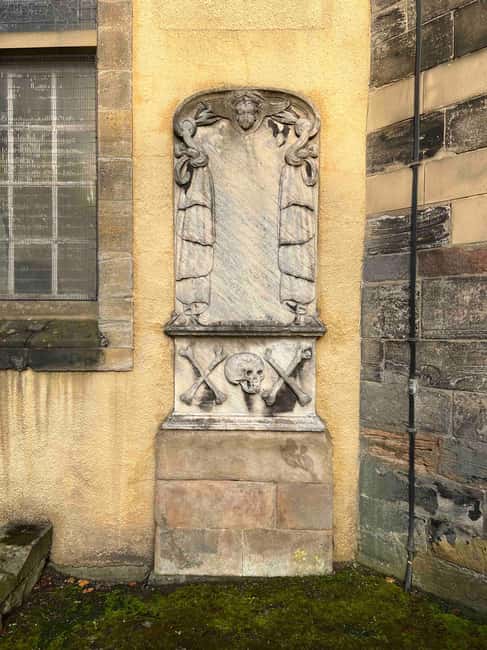
- Greyfriars Graveyard as the opening scene for witch trials, punishment, and local legend tied to real stones and paths
- Covenanters’ Prison stop that reframes Edinburgh as a place of control and consequence, not postcards
- Grassmarket + execution-era anecdotes that explain why this area became the city’s stage for public punishment
- Close and vaults route that threads the Old Town’s tight passages, stairs, and hidden courtyards into one clear walk
- A guide who keeps it moving with an engaging, witty style that helps heavy material land without dragging
- Printed guide supplement (in several languages) so you can keep up during the 110-minute walk
A 110-minute walk with real pressure points
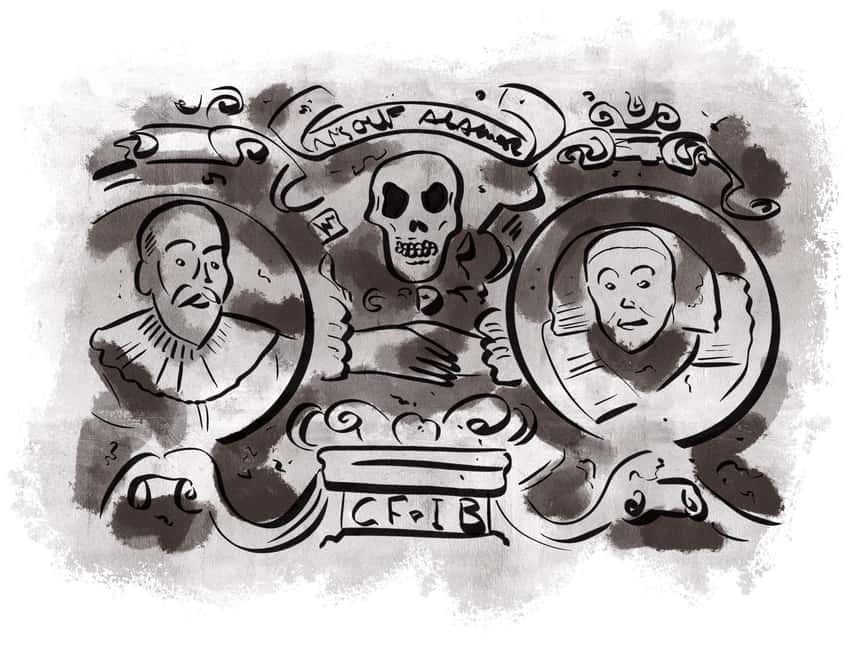
This tour is designed for a specific Edinburgh feeling: the Old Town after work hours, when the lighting shifts and narrow streets look like they mean something. Even if you love spooky vibes, the real value here is that the darker themes are anchored to places you can point at—cemeteries, prisons, closes, vault entrances, and the famous run of the Royal Mile edges.
The timing is short enough that you won’t be frozen in place, but long enough to connect the dots between different eras. Expect a solid 1.5 hours of walking with stops built around stories, not just sightseeing. The pacing is also small-group friendly, capped at 10 participants, which matters in Edinburgh because the Old Town has lots of awkward corners where you want room to move.
If you’re the type who likes to understand why a city looks the way it does, you’ll probably enjoy how the route turns into a map of punishment, belief, and local survival. You come out seeing the same streets with new context.
You can also read our reviews of more walking tours in Edinburgh


Meeting at the National Museum of Scotland: get your bearings fast
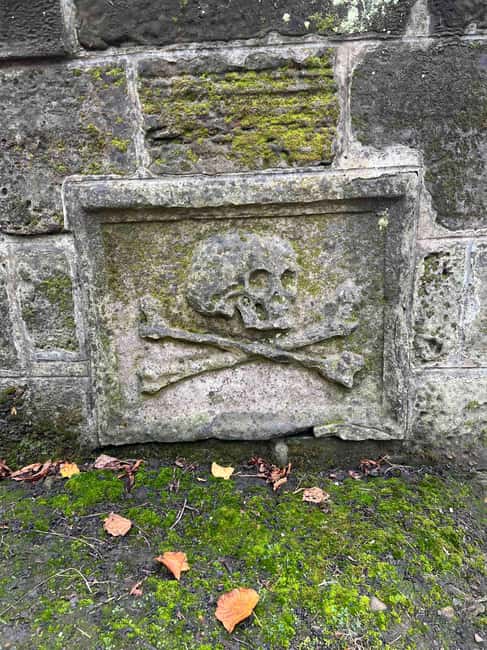
You start at Chambers Street, outside the Museum of Scotland. The meeting spot is by the stairs between the two purple Entrance banners. It’s a good start point because it’s easy to find and close enough to the Old Town core that you’re not spending your tour time traveling.
From there, the walk sets up its rhythm: first the emotional weight, then the physical neighborhoods, then the tight lanes and underground-feeling spaces. You’ll loop back to the same meeting spot when it’s done, which is handy if you plan to grab dinner afterward.
Practical tip: wear layers. This is best experienced as the sun goes down, but that doesn’t mean you should dress for summer. Cold air makes cobblestones feel louder and those shadowed closes feel colder too. You’ll want to stay comfortable so the stories land instead of your feet taking over the experience.
Greyfriars Graveyard: where the tour starts telling the city’s rules
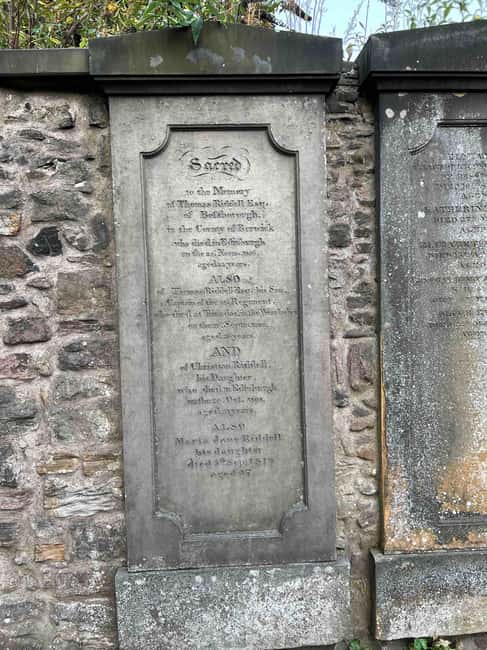
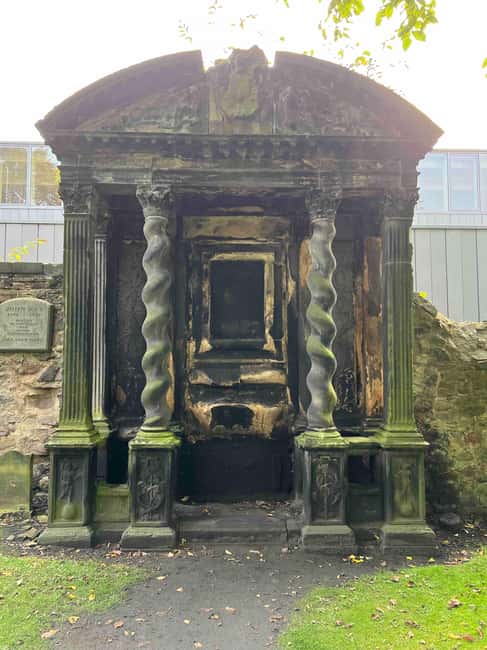
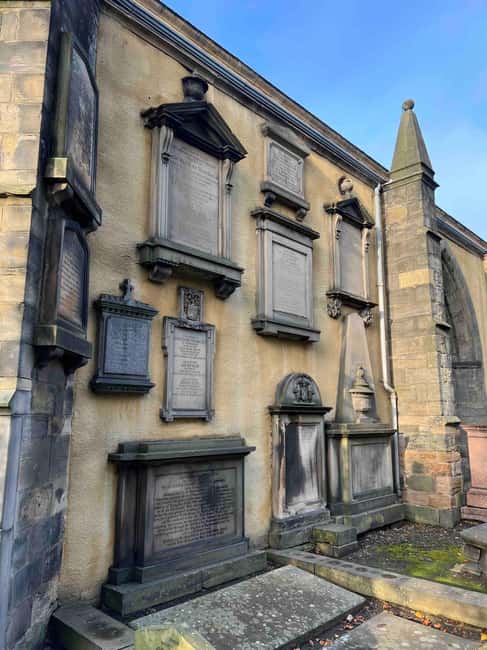
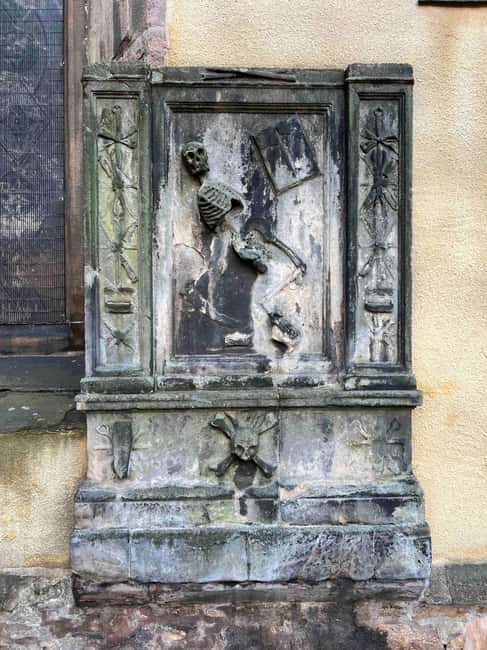
The walk kicks off at Greyfriars Graveyard, and it’s the right choice for a dark history tour. A cemetery does two things at once: it grounds the topic in real loss, and it creates a quiet contrast right away. Instead of leaping straight to tales of crime, you get context for how communities lived with fear, punishment, and belief.
This stop sets up the theme that Edinburgh wasn’t only a place of architecture and royalty. It was also a place where people were judged, contained, and publicly taught lessons. You’ll hear stories that connect the cemetery to the city’s blood-soaked past, and the guide’s job is to keep it human and local rather than just theatrical.
What to watch for here: don’t rush your photos. The point isn’t to collect a quick image—it’s to look at the stone-and-path layout and how you move through the grounds. That mental map helps when you later walk the streets linked to the same people and events.
Covenanters’ Prison: the city as a machine
Next comes Covenanters’ Prison, and the tone shifts from mourning to consequence. The Covenanters’ story is tied to religious conflict, and in Edinburgh that conflict turns into very real punishment. This is where the tour explains how the city used detention and threat as social control.
The value of this stop is clarity. You learn what these terms meant locally and why certain locations became symbols. It also helps you understand why later stops—like the Grassmarket—feel less like random dark corners and more like part of a system.
A consideration: topics here can be intense. The tour isn’t positioned for kids under 12, and even if you’re an adult who can handle it, you should be ready for grim historical themes. If you’re sensitive to prison and execution talk, you’ll still be fine, but pace yourself and listen with care.
Grassmarket and the execution-era streets
Then you move into the Grassmarket, the area many people associate with Edinburgh’s public punishment era. This is one of the tour’s key emotional payoff moments because the guide ties specific anecdotes to what you can see around you.
You’ll learn about public executions through the streets and landmarks that framed that reality, including passes by places like the White Hart Inn and West Bow as you travel through the Old Town spine. The tour keeps steering you back to how crowds, spectacle, and punishment shaped daily life—not just what happened once.
Why this part works: Grassmarket isn’t hidden. It’s a known neighborhood, yet the tour reframes it. You stop seeing it only as a nightlife lane and start seeing it as a historical stage. That’s the kind of perspective shift that makes a walking tour worth doing, even if you’ve been to Edinburgh before.
You can also read our reviews of more historical tours in Edinburgh





Edinburgh Castle, the Royal Mile edges, and the Witchery stop
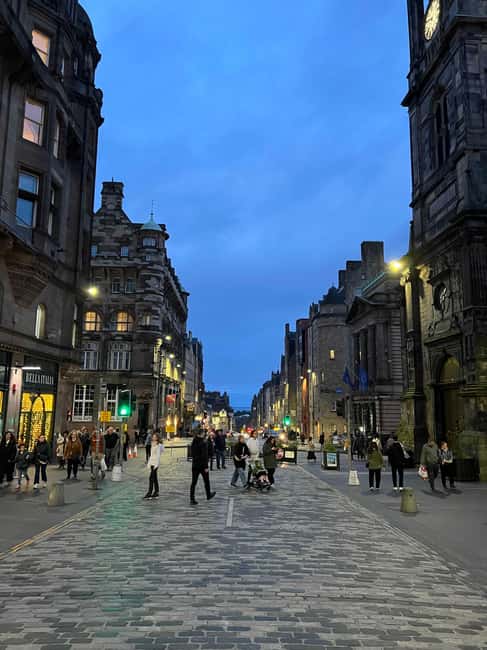
As you continue, the route pulls you toward the Royal Mile and points around Edinburgh Castle. You also pass by the Witchery, which gives the tour a chance to connect modern branding with older myths people attached to these streets.
At this stage, you’ll likely feel the tour doing something subtle: it’s balancing big, famous landmarks with smaller closes. That keeps you from only getting the famous-photo version of Edinburgh. Instead, you get the in-between spaces where stories get stranger and more personal.
A small watch-out: since you’re walking through the most touristed core areas, expect crowds nearby. The tour stays small, so your guide can still manage your movement, but you may need to accept brief slowdowns at busier sections.
Advocate’s Close and Real Mary King’s Close: the tight passage that changes everything
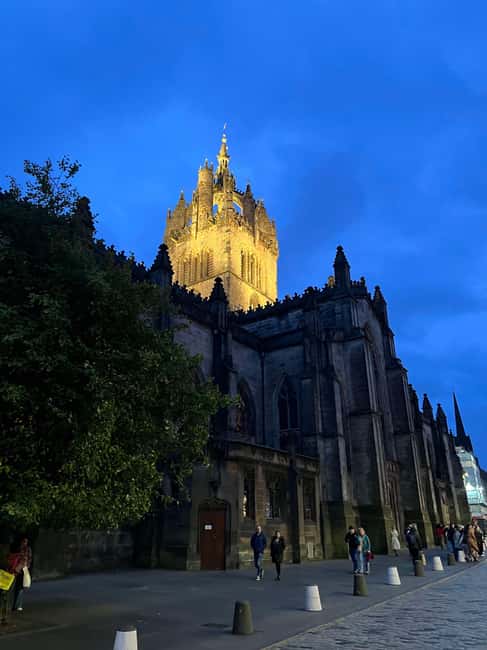
Now the walk becomes more claustrophobic—in the best way. You’ll pass through Advocate’s Close and the Real Mary Kings Close, which are the kind of Old Town spaces where the scale feels different. These closes are narrow, and that physical closeness supports the stories the guide tells.
This is also where you may feel the “hidden history” part become literal. When streets compress into passageways, you start to understand how people could be overlooked, how rumors could spread, and how buildings could preserve older layers under newer life.
For practical value, pay attention to how the guide cues you through these areas. You’re not just walking for a view. You’re walking to learn the geography of the city—where people could disappear, where they could be cornered, and where the city kept its secrets.
Old Fishmarket Close and Deacon Brodie’s Close: crime with a local face
The tour continues through Old Fishmarket Close and Deacon Brodie’s Close, and this is another strong storytelling phase. These locations help you see how crime in Edinburgh wasn’t abstract. It was tied to recognized neighborhoods and characters people remembered.
Even if you’ve heard the broad name before, the point here is the street-level connection. You’re learning how the city’s layout and daily commerce created opportunities—and how that fed local fear and fascination.
Consideration: if you dislike crime stories, this part might feel like the tour shifts darker faster than you expect. On the flip side, if you’re into history that explains human behavior—why people do what they do—this is where the tour gets satisfying.
Vaults and Niddry Street Vaults: when the city feels underfoot
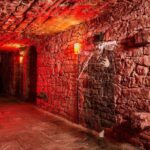
Next comes the Vaults and Niddry Street Vaults, including passing by the Banshee Labyrinth and Paisley Close along the way. Underground or semi-underground spaces change how you experience a story. Sound travels differently, the air feels cooler, and you get a sense of separation from the street above.
This section is valuable because it explains how Edinburgh could hide activity out of plain sight. Even when you’re walking, the guide’s stories make you think about what it meant for people to live close to walls that contained different realities.
If you’re camera-ready, you’ll find spots where the architecture reads well in photos. Just remember that flash photography isn’t allowed. And yes, warm clothing matters here too. Cold air in stone passages can sneak up on you.
John Knox House, World’s End Close, Canongate Kirkyard: the tour widens again
After the tighter spaces, the route expands toward John Knox House and World’s End Close. You start getting broader views of the Old Town’s edges and how the city connected religious and civic power.
Then you reach St Mary’s Street and Canongate Kirkyard, which bring you back into the cemetery-and-faith theme—but from a different angle. It’s not just one grim location repeated. The guide keeps showing how belief, conflict, and authority show up across Edinburgh in different forms.
This segment can be especially good if you like context. It helps you stop thinking of dark history as only crime and ghosts. It becomes about social structure: who held power, who was targeted, and what happened when communities clashed.
Cowgate finish: the final walk that ties it together
You finish by walking through the Cowgate back to where you started. This ending matters because it’s a reset. After the grim stops and underground feel, you land back in more open street rhythm and get closure without needing to navigate back on your own.
If you’re planning dinner, this is a smart moment. Your brain will still be processing the stories, and you’ll be more aware of what each street corner is trying to communicate. That’s when the tour pays off: you leave with a new way to look at the same Old Town blocks.
Price and what you actually get for $23
At $23 per person for about 110 minutes, this is strong value if you want a guided, structured walk rather than wandering on your own. The big reason is the combination of:
- A small group (max 10)
- A tight loop through multiple high-impact Old Town locations
- Greyfriars Graveyard as a real centerpiece
- A written guide of the main points, available in several languages
You’re not paying for a museum ticket or transportation. You’re paying for someone to connect the dots between places that look similar at first glance. In a city like Edinburgh, that interpretation is often what makes the walking tour worth it.
Also, the tour is English only, but you can choose a written supplement in English, French, Italian, or Spanish. That’s helpful if your group includes different language comfort levels, as long as spoken English participation works for you.
Language, walking comfort, and who should plan around the route
This tour is not suitable for wheelchair users, and it isn’t aimed at people with heart problems. The walking involves uneven ground at times, plus older-street surfaces that can be slippery if weather turns.
The route also has a clear practical downside: no public toilets. So plan for that before you meet at Chambers Street, and don’t assume there’s an easy stop along the way.
What to bring is simple but important:
- Comfortable shoes
- Warm clothing
- Camera (but skip flash)
You also need to follow the basic rules: no smoking and no flash photography. If you’re traveling with kids, note that it’s not suitable for children under 12, mainly because some topics may be too intense.
If you can handle darker themes and you’re ready for a decent walking pace, this tour is a great fit.
Should you book this Dark and Hidden History tour?
I’d book it if you want Edinburgh in a different key—less brochure, more street-level story—and you like your history tied to exact places. It’s especially worth it if you plan to visit the Old Town anyway, because the route groups the best-known “dark corners” into one organized loop.
Skip it if you’re looking for a gentle overview or if you strongly prefer accessible, low-impact walking. With uneven ground, no toilet stops, and themes that can be difficult, it’s not the right choice for everyone.
FAQ
How long is Edinburgh’s Dark and Hidden History Walking Tour?
The tour runs for about 110 minutes.
Where do I meet the guide?
You meet on Chambers Street outside the National Museum of Scotland, by the stairs between the two purple Entrance banners.
Is the tour entirely in English?
Yes. The live tour guide speaks English, and you also receive a written guide of the main points in English, French, Italian, or Spanish.
What places does the tour include?
It includes visits related to Greyfriars Graveyard and the Covenanters’ Prison, and it walks through areas such as the Grassmarket, Advocate’s Close, Real Mary Kings Close, Old Fishmarket Close, Deacon Brodie’s Close, Vaults and Niddry Street Vaults, and finishes back near the start via the Cowgate.
Are there public toilets during the walk?
No. There are no public toilets on the route.
What should I wear or bring?
Wear comfortable shoes, bring warm clothing, and a camera if you like. Flash photography isn’t allowed.