REVIEW · EDINBURGH
From Edinburgh: Orkney, Skye and the Far North 8 Day Tour
Book on GetYourGuide →Operated by Highland Experience Tours · Bookable on GetYourGuide
Eight days, three Scottish moods.
This tour is interesting because it strings together Skye’s dramatic scenery with Orkney’s ice-cold history, then adds Loch Ness and Culloden for balance. I love how much you actually see in a single trip without renting a car, and I really like that the itinerary centers on hands-on, famous places like Skara Brae and Maes Howe. The main drawback to weigh is lodging: some stays can feel remote, and a couple of accommodations aren’t what you’d call first-rate.
One of the best parts is the people factor. The group vibe tends to be international, and the guides I’ve seen praised most are the ones who keep things moving while still explaining what you’re looking at. Names that have come up again and again include Kenny, Brodie, Alex and Andy, Gram, and Tommy (with Catherine also mentioned for extra help when someone needed warmth).
Pace is the trade-off. This is a bus-and-ferry route over big distances, so you’ll spend plenty of time traveling between stops, even though you do get real time off the vehicle. Also, a few headline sites are optional add-ons, so you’ll want to decide early if you want the extra costs for things like Urquhart Castle, a Loch Ness cruise, and the Culloden Visitor Centre.
In This Review
- Key highlights worth your attention
- Big picture: Edinburgh to Skye, then up to Orkney’s far north feel
- Days 1 and 2: Trossachs and Kilmartin Glen to Oban, then Glen Coe and Glenfinnan to Skye
- Day 3 on Skye: Cuillin, Quiraing, and the Trotternish peninsula in one full day
- Day 4: Eilean Donan Castle, Loch Ness nights, and optional Urquhart Castle
- Days 5 and 6: Ferry to Orkney, then Maes Howe, Skara Brae, and the Ring o’Brodgar
- Day 7 and 8: Back to the mainland, possible Dunrobin, then Culloden and Pitlochry
- Value for the price: what $2,136 buys you, and what it doesn’t
- Comfort, luggage limits, and the reality of changing conditions
- Should you book it? My honest take
- FAQ
- Where do I check in for this tour?
- What’s included in the tour price?
- Which attractions are optional extras?
- How long is the tour?
- What luggage can I bring?
- Is the tour suitable for young children?
Key highlights worth your attention
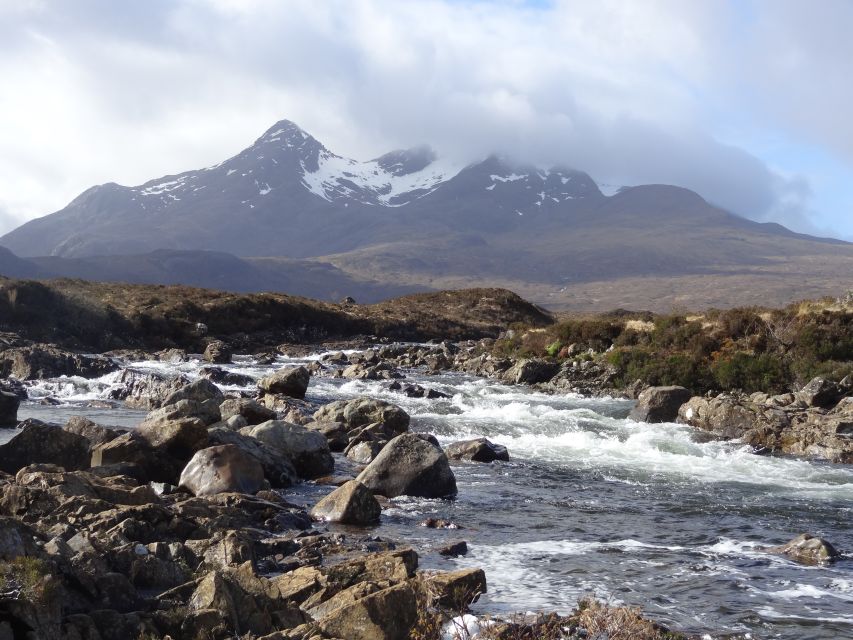
- A full day on Skye focused on Cuillin views, Quiraing, and Trotternish peninsula photo stops
- Skara Brae and Maes Howe with included entrance, plus the Orkney stone-ring sites Stenness and Ring o’Brodgar
- Loch Ness overnight in Inverness, with optional Urquhart Castle and a loch cruise
- Orkney history by ferry, including the Italian Chapel and Churchill Barriers
- Culloden to close the loop, tying the Highlands story together before heading south
- Guides who explain while they drive, with multiple mentions of upbeat energy and practical help
Big picture: Edinburgh to Skye, then up to Orkney’s far north feel
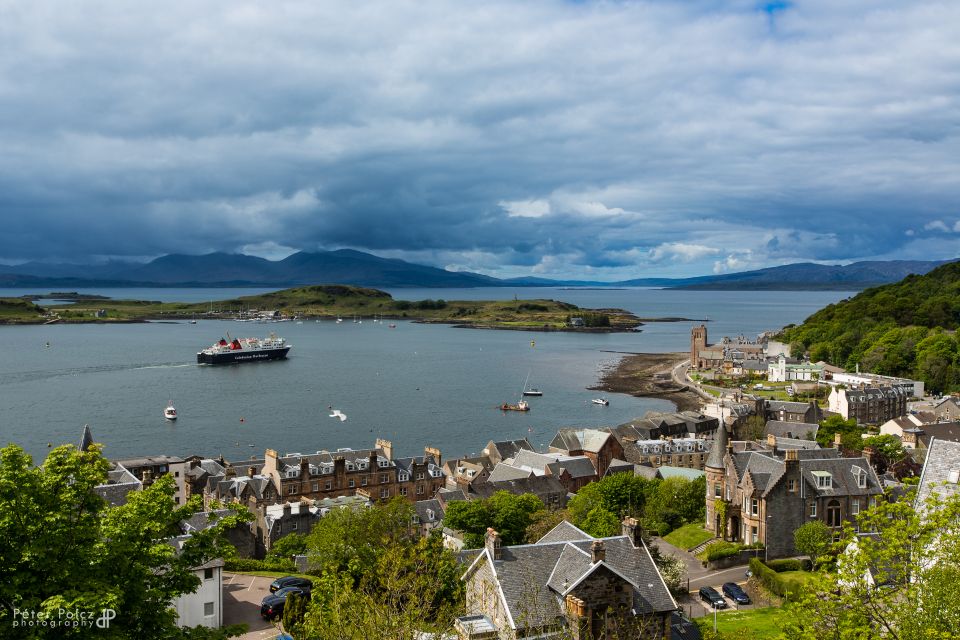
If you want Scotland in one organized hit, this route makes sense. You start in the central Highlands, swing west into Skye, then keep going north until Orkney starts to feel like its own separate planet. The mix matters: Skye brings sharp viewpoints and coastal drama, while Orkney gives you stone-age sites you can walk through and military history you can trace with your own eyes.
The “value” of this trip isn’t just the big-name locations. It’s that transportation is handled end to end, including the ferry crossing to Orkney. That’s a big deal in Scotland, where distances are real and weather can turn a simple drive into a slow crawl. Having an English-speaking driver/guide also means the stops aren’t just photo ops. You get context as you go, and the tour has a reputation for guides sharing information in a way that keeps it practical rather than lecture-heavy.
The other big thing to know is that meals aren’t included. That sounds minor until you’re on day five or six and you’re hungry after a long day outside. The good news: you’re free to choose where to eat and what you actually feel like trying. Just budget for it, and don’t count on every stop having a meal plan ready-made.
You can also read our reviews of more tours and experiences in Edinburgh.
Days 1 and 2: Trossachs and Kilmartin Glen to Oban, then Glen Coe and Glenfinnan to Skye
You kick off day 1 by traveling west through the Trossachs toward Oban. This first stretch is more than a warm-up drive. You pass through scenic countryside and then hit Kilmartin Glen, a place known for Scotland’s ancient past. The tour includes time to walk around early sites such as Dunadd Hill Fort and the Temple Wood Stone Circle. This is the kind of start that helps you understand what you’ll see later on: Scotland’s stone circles, cairns, and forts aren’t random—they’re connected by long human stories.
Overnight in Oban is a smart pivot. It gives you a base where you can reset before the tougher Highlands scenery days. Oban also sets you up for day 2, which leans hard into dramatic views.
Day 2 runs through Glen Coe and down the Fort William corridor. You’ll pass the area around Ben Nevis (Britain’s tallest peak) and stop in Fort William, then work in the Glenfinnan Viaduct viewpoint made famous through the Harry Potter films. From there, it’s onward to the ferry crossing to Skye.
This day can feel full, in a good way. But if you’re sensitive to long coach days, keep expectations realistic. You’re not going to have time to wander for hours in every stop. The trick is to treat stops as “arrive, see, walk a bit, take a few deep breaths, move on.”
Day 3 on Skye: Cuillin, Quiraing, and the Trotternish peninsula in one full day
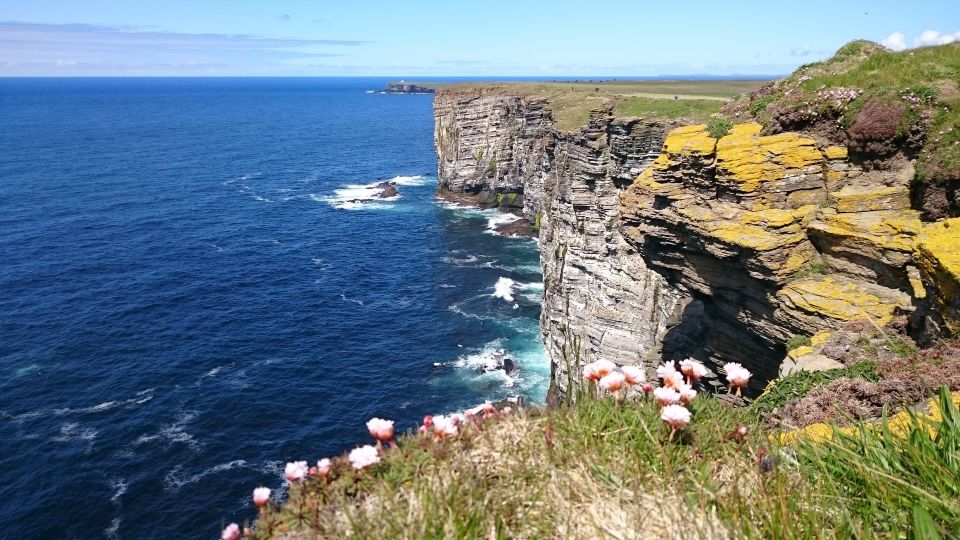
Skye gets the kind of attention most tours only give to a single highlight. You have a whole day here, which changes everything. Instead of rushing between viewpoints, you can actually move at the pace of the scenery and your own comfort level.
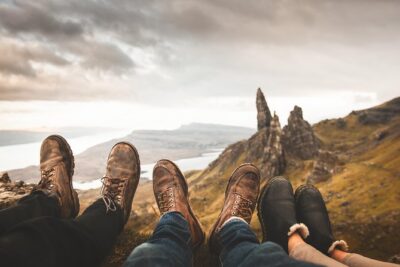
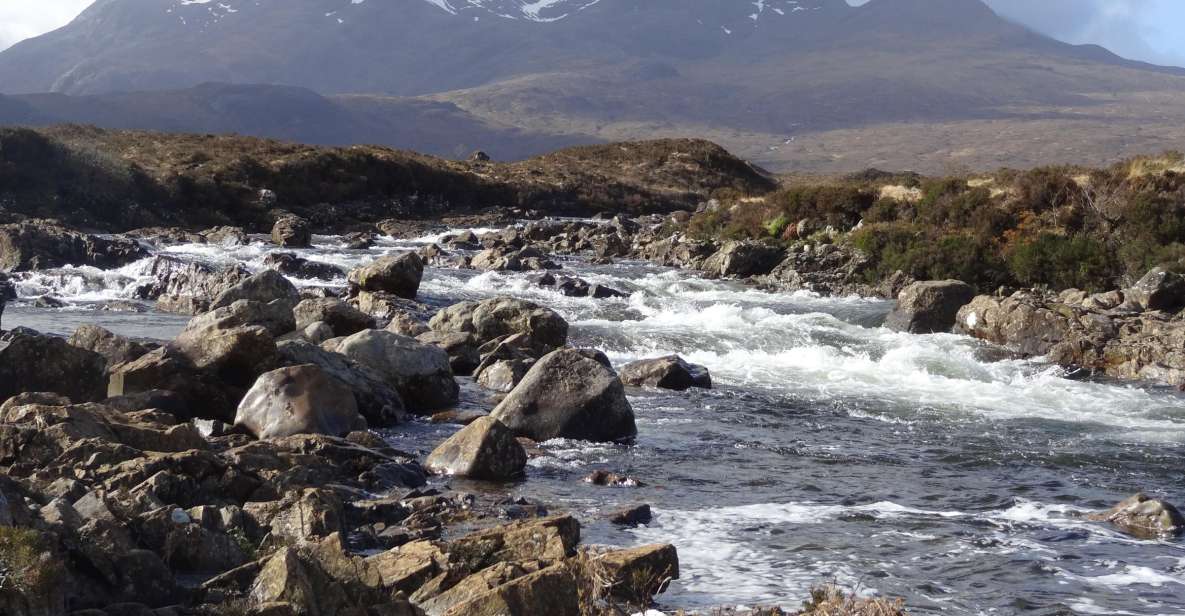
Expect stops around the Cuillin Mountains, the Quiraing area, and the Trotternish peninsula. This is the day you’ll likely want to dress in layers more than once. Skye weather can shift quickly, and wind off the coast can make a short walk feel longer than you’d planned.
I like how Skye is framed here: it’s not just castles and coastlines. You’re given terrain—slanting hills and rugged formations—that helps you understand why artists and photographers keep coming back. If you’re the type who enjoys looking more than ticking boxes, this day is a strong match.
The main consideration is simple: you’ll be outside and walking at points, so bring footwear that works on uneven ground. Nothing extreme is stated in the tour data, but the Skye stops do require decent mobility.
Day 4: Eilean Donan Castle, Loch Ness nights, and optional Urquhart Castle
Leaving Skye, the tour starts with a stop at Eilean Donan Castle. It’s one of those places where the photo is good, but the feeling is better. Even if you’ve seen pictures before, the setting is the real draw: stone, water, and sky working together.
After that, you continue toward Loch Ness and the Inverness area for an overnight. You get flexible options once you’re near Loch Ness. Urquhart Castle and a Loch Ness cruise are available as optional extras at an additional cost. The Culloden Visitor Centre is also listed as an optional extra later, which matters because it means you can shape how “history-focused” you want the end of the trip to feel.
If you care about Loch Ness lore, you’ll likely add at least one of these options. If you prefer quieter sightseeing, you might skip them and just use the time to enjoy Inverness and reset. Either way, the overnight in this area is useful. You’re not trying to jam Loch Ness into a single drive-by moment.
Days 5 and 6: Ferry to Orkney, then Maes Howe, Skara Brae, and the Ring o’Brodgar
Day 5 is where the trip turns north. You travel via Inverness and through the Moray and Cromarty Firths, then board the ferry to Orkney. That ferry ride matters more than it sounds. It’s part transport, part transition, and it helps you feel that you’re leaving mainland rhythms behind.
Once you arrive, you base in Kirkwall. Kirkwall is practical: craft and gift shops are mentioned, so you can pick up small supplies and souvenirs without needing a second plan. The included Orkney attractions add depth quickly. You’ll visit the Italian Chapel, built by Italian prisoners of war, and you’ll also see the Churchill Barriers—causeways constructed to protect the British naval fleet from submarines.
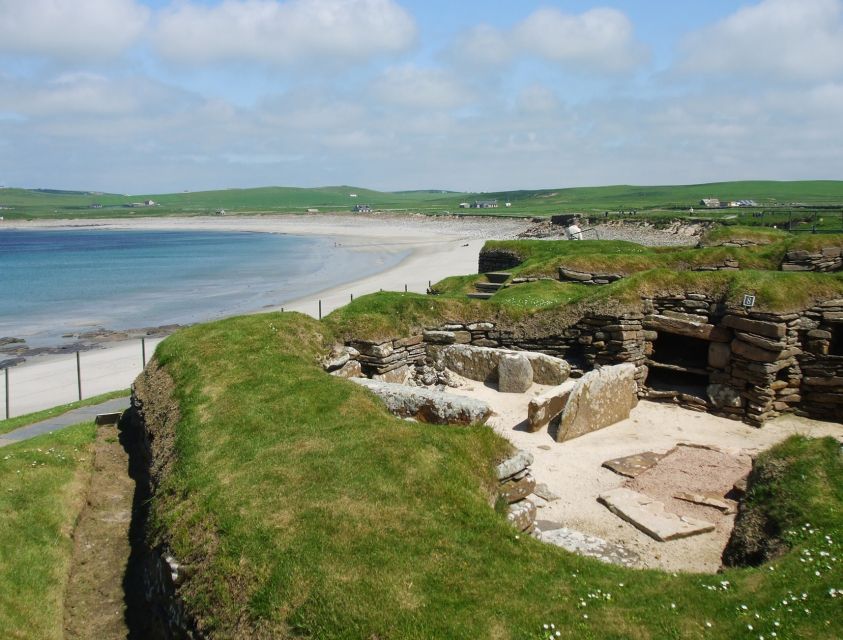
Then day 6 is your big ancient-history day. From Kirkwall, you spend the day exploring Orkney’s prehistoric highlights: Maes Howe (a chambered cairn), the world-famous Neolithic village of Skara Brae, and also the stone circles at Stenness and the Ring o’Brodgar. The tour includes entrances for Maes Howe, Skara Brae, and the Italian Chapel, so you’re not constantly checking which sites will charge extra.
Finally, you end with St Magnus Cathedral. That closing stop is a nice reminder that Orkney’s story doesn’t stop at the Neolithic. Stone keeps showing up, but the meaning changes across eras.
A practical note: these are places where time inside can feel different depending on your tolerance for cold or narrow interiors. Orkney is famous for wind and weather swings, and the tour doesn’t promise anything about clothing. I’d plan for it like a real weather destination, not a quick sightseeing stop.
Day 7 and 8: Back to the mainland, possible Dunrobin, then Culloden and Pitlochry
On day 7 you head back toward the mainland and start the journey south. You’ll pass through fantastic scenery and may have a chance to visit Dunrobin Castle as you make your way toward Inverness. Since that visit is phrased as a chance, it’s a clue that day timing can shift due to conditions and routing.
Day 8 brings you to Culloden, the battlefield where Jacobite forces were defeated. It’s a heavy site, but it’s also one of the best ways to understand the modern political history of the Highlands without getting lost in dates. Then you continue toward home with passes through the Cairngorm mountains and a stop to explore Pitlochry.
Pitlochry is a gentle final act compared to the raw emotional weight of Culloden. It’s a good place to stretch your legs, grab a warm drink, and land back in everyday life after days of dramatic terrain and ancient sites.
Value for the price: what $2,136 buys you, and what it doesn’t
At $2,136 per person, this isn’t a budget tour. But it’s also not just a “ride to photos” deal. The price includes transportation, an English-speaking driver/guide, 7 nights with breakfast, and entrance tickets for Orkney’s included attractions: Maes Howe, Skara Brae, and the Italian Chapel.
What’s not included is just as important: meals are not included, and admissions for attractions not listed as included are extra. Optional add-ons are also explicitly mentioned for Eilean Donan Castle, Urquhart Castle, the Loch Ness cruise, and the Culloden Visitor Centre. So if you add all extras, your total spend will rise fast.
Where this tour tends to deliver good value is when you want a guided route that covers huge distances with minimal planning stress. You’re also getting a well-known “arc”: ancient past in Scotland, then Skye, then Orkney’s prehistoric core, finishing with Culloden.
Where it can fall short is lodging quality. One booking called out accommodations that were sometimes mediocre and too remote. That’s not something you can avoid with a tour like this; it’s often baked into where the nights land. The practical fix is to treat the trip as mostly about the days outside and the sites, and view your room as a base—not a spa.
Comfort, luggage limits, and the reality of changing conditions
This tour has a few constraints you should take seriously.
First, luggage: max 15 kg, plus one small carry on per person sized 55cm x 40cm x 20cm. If you travel heavy, you’ll feel it during boarding and transfers. Pack tight.
Second, the itinerary can change due to weather, acts of God, and events outside control. Scotland can do that. You’ll be happier if you keep your plans flexible and treat optional sites as bonuses, not obligations.
Third, group experience depends on the actual run. One past booking noted that when sign-ups were low, the group switched after five days and the last part of the trip ran with a different continuing group and guide. It was handled well, but it’s a reminder that you may not always stay with the exact same team for all eight days.
The overall message: this is a structured tour, but it’s still Scotland. When you expect changes, you enjoy the surprises instead of worrying about them.
Should you book it? My honest take
Book this tour if you want the Highlands-to-Skye-to-Orkney arc in one go and you’ll enjoy learning as you walk through major historical sites. The included Orkney tickets and the full day on Skye are the standout reasons to choose it, and the guides getting praised for good mood and explanation are a big plus.
Reconsider if you’re picky about hotel quality or you hate long coach travel between stops. Remote lodging and the rhythm of “see, walk, move” isn’t for everyone, and meals not being included means you’ll want to budget and decide where you eat each day.
If you’re excited by Skara Brae, Maes Howe, and the idea of finishing at Culloden after a Loch Ness night, this route is a strong fit. If your dream vacation is slow mornings and zero driving, skip it.
FAQ
Where do I check in for this tour?
Check-in is inside Caffe Nero.
What’s included in the tour price?
Transportation, an English-speaking driver/guide, 7 nights’ accommodation with breakfast, and Orkney attraction entrances for Maes Howe, Skara Brae, and the Italian Chapel are included.
Which attractions are optional extras?
Eilean Donan Castle, Urquhart Castle, a Loch Ness cruise, and the Culloden Visitor Centre are listed as optional extras.
How long is the tour?
It runs for 8 days (7 nights), starting time varies by availability.
What luggage can I bring?
Maximum luggage weight is 15 kg, with a max size of 55cm x 40cm x 20cm. You may also bring one small carry on per person.
Is the tour suitable for young children?
Children under 3 years old are not allowed on this tour.