REVIEW · EDINBURGH
2-Day Inverness and the Highlands Very Small Group Tour from Edinburgh
Book on Viator →Operated by Heart of Scotland Tours Ltd · Bookable on Viator
The Highlands in two days? It works. I love the small-group size and the live guide storytelling that makes each stop feel connected, not random. One thing to note: the schedule moves fast, so a couple of sights are mainly quick photo breaks.
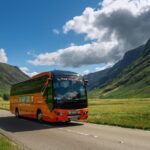
You ride in an air-conditioned Mercedes minicoach, with a guide doing the driving-and-explaining job. That means you skip the stress of rental cars or figuring out bus connections, especially once you get past Edinburgh’s traffic.
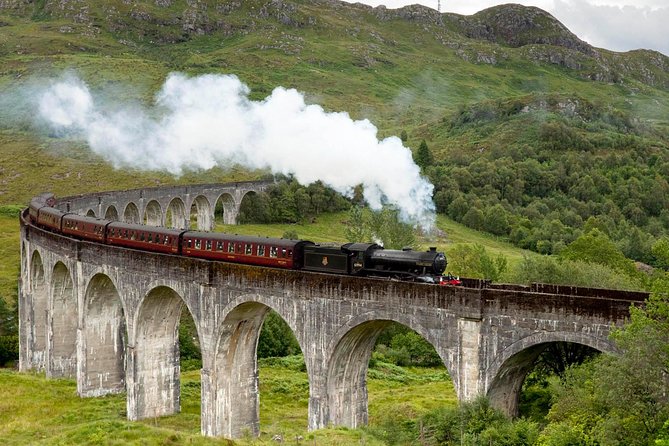
A big seasonal variable is the Glenfinnan Viaduct stop, which only runs April through October. If you’re traveling outside that window, the day still hits the core Highlands sites, just without that specific Hogwarts-style moment.
In This Review
- Key highlights worth planning for
- The big idea: a Highlands sampler that actually fits two days
- Morning start in Edinburgh: 8:15 and a clean launch
- Stirling and Wallace: the Scotland story before the Highlands mood
- Glencoe National Nature Reserve: the valley that still feels heavy
- Glenfinnan Viaduct (Apr–Oct only): Hogwarts views with real history nearby
- Ben Nevis photo break and Fort Augustus: short stops, big outputs
- Loch Ness and Urquhart Castle: water views with a realistic time limit
- Inverness overnight: your base for a proper Highlands evening
- Culloden Moor: a short walk with a heavy emotional payoff
- Clava Cairns: prehistoric stones that feel closer than you expect
- Cairngorms National Park drive and Pitlochry: nature talk, town stop, and whisky option
- Dunkeld and the Hermitage walk: finishing gently before the return
- Is $248.63 good value for two Highlands days?
- Who this tour fits best (and who should reconsider)
- Should you book 2-Day Inverness and the Highlands Small Group Tour from Edinburgh?
- FAQ
- What time and where does the tour start in Edinburgh?
- How big is the group?
- What’s included in the price?
- Are meals and attraction tickets included?
- Is the Glenfinnan Viaduct stop always part of the tour?
- What happens if the weather is bad, or I need to cancel?
Key highlights worth planning for
- Small-group comfort with an average of ~12 people and a max of 16
- History you can stand on at Culloden Moor and the Clava Cairns stone circles
- Big-scenery stops without driving: Glen Coe, Ben Nevis photo stop, and the Loch Ness run
- Seasonal Glenfinnan Viaduct (Apr–Oct only) for film-famous views
- Inverness overnight so you actually sleep in the Highlands, not just pass through
- Flexible overnight style (hostel, B&B, or hotel—your choice)
The big idea: a Highlands sampler that actually fits two days
If you’ve only got 48-ish hours in this part of Scotland, you’re forced to choose between seeing a lot or seeing it well. This tour tries to do both by clustering the must-sees into a tight loop: Edinburgh out to Inverness, then back via Culloden, Cairngorms, Pitlochry, and Dunkeld.
The value here isn’t just the route. It’s the way the live commentary turns famous names into something you can picture. I like tours where the guide treats the ride as part of the experience, not dead time. On this one, the driver-guide role matters because they can connect what you just saw to what’s coming next—fast.
You’re also paying for convenience. You get picked up in Edinburgh, sit back on the Mercedes mini coach, and let someone else handle turn-offs, parking, and the timing. It’s especially helpful on winding Highland roads where “we’ll just figure it out” can quickly become “why are we still here?”
One caution: because it’s designed for two days, the tour doesn’t pretend you’ll do everything slowly. A few locations are more photo + stretch-your-legs than “linger for hours.” If you’re the type who hates feeling rushed, you’ll want to manage expectations before Day 1 even starts.
You can also read our reviews of more tours and experiences in Edinburgh
Morning start in Edinburgh: 8:15 and a clean launch
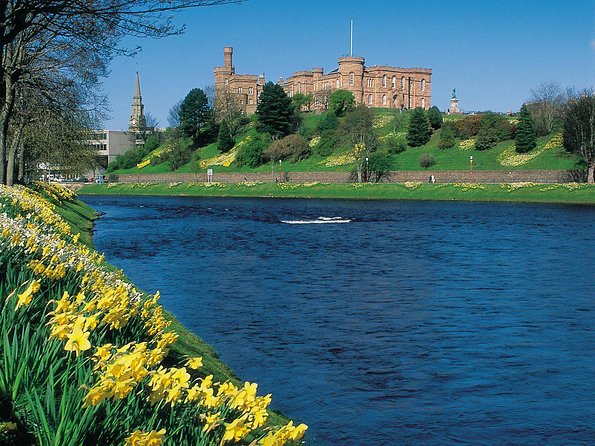
The day begins with a morning pickup from Waterloo Place, Edinburgh (EH1 3BQ) at 8:15am. It’s early enough to feel like you’re making a real dent in your time, not wasting half a day getting out of town.
Because the meeting point is near public transportation, it’s one less hassle if you’re already using transit in Edinburgh. You’ll also get a mobile ticket, which is nice when you’re juggling maps, rain jackets, and the last thing you packed.
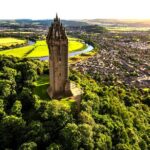
Then comes the first payoff: you’re not just driving through scenery—you’re getting history on the way. You pass by Stirling Castle and the National Wallace Monument, which helps set the Scottish story context before you hit the darker, more intense Highlands chapters later.
If you like tours where you can nap but still feel you’re learning, this one fits. There’s enough time to relax, yet the guide stays active with commentary throughout the drive.
Stirling and Wallace: the Scotland story before the Highlands mood
Stirling is a good “prequel stop” because it grounds you in Scotland’s national identity before you move into clan conflict and Jacobite rebellions.
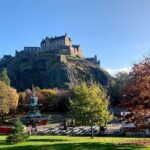
You’ll pass by Stirling Castle on its dramatic rocky crags. Even if you don’t get out there, just seeing that fortress scale helps you understand why this region mattered for centuries.
Then there’s the National Wallace Monument, built to honor William Wallace. This isn’t just a name-drop. The tour uses it as a handoff: from Scotland’s long fight for identity, you start transitioning toward the later events that split Highland life and shaped Britain’s rule.
For many first-timers, this “story in motion” approach is a big part of why this trip gets strong ratings. When the guide ties the route to cause-and-effect, it feels less like a checklist and more like a narrative.
Glencoe National Nature Reserve: the valley that still feels heavy
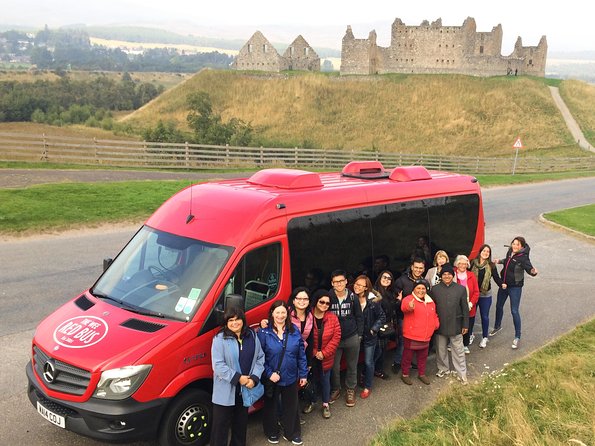
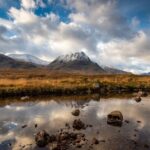
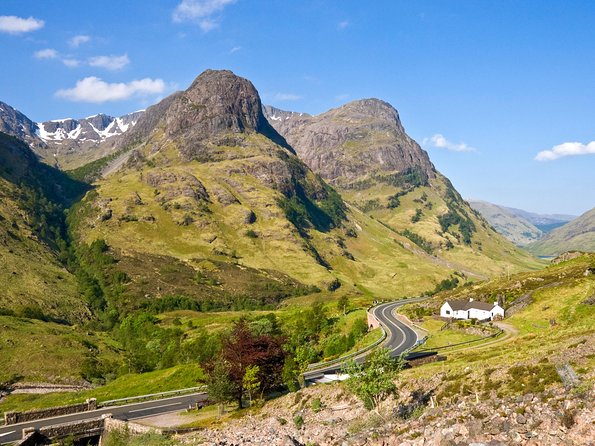
Glen Coe is famous because it’s stunning. It’s also famous because it has a painful edge that doesn’t go away once you’re there.
You’ll stop near Glencoe National Nature Reserve with time set aside for lunch nearby (at your own expense). This stop is placed right because Glen Coe is one of those places where the scenery and the story lock together. The tour focuses on the 1692 massacre involving Clan MacDonald. The valley’s narrow shape and dramatic walls make it easier to imagine the fear and confusion of that era—even if you only walk around briefly.
Practical tip: dress for weather changes. Glen Coe can look theatrical in rain and fog, but you’ll be happier with layers and a rain layer than with good intentions.
One drawback here is that lunch is on your own clock. If you arrive hungry and pick wrong, you’ll burn time. I’d either plan a simple meal strategy (snacks you don’t mind eating in the car later) or be ready to keep moving.
Glenfinnan Viaduct (Apr–Oct only): Hogwarts views with real history nearby
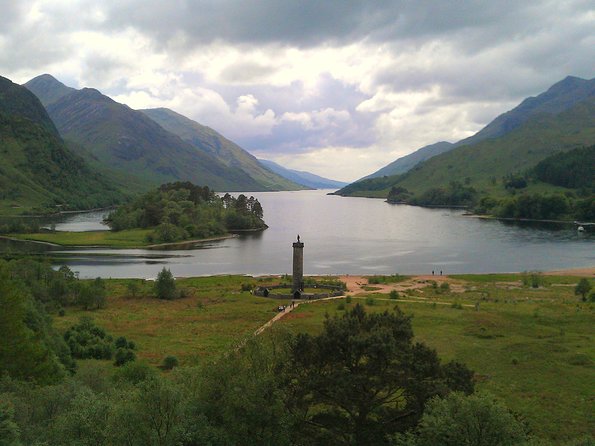
Next up is Glenfinnan Viaduct, which is available April through October only. That matters. If you’re visiting in winter or shoulder season and you were hoping for the film-famous Hogwarts Express crossing, this stop may not be included the same way.
When it is on, it’s one of the easiest “wow” moments of the trip. You get time for photos while the guide points out what you’re looking at: the viaduct overlooks the area where the 1745 Jacobite Rebellion began.
This is one of my favorite kinds of stops: a pop-culture landmark that’s also tied to a real turning point. It gives you a memorable photo, but it also lets you connect the location to the bigger story of the Jacobites.
Then you’ll move on quickly, because time is tight and the Highlands keep demanding attention.

Ben Nevis photo break and Fort Augustus: short stops, big outputs
You’ll get a quick photo stop of Ben Nevis, Britain’s tallest mountain. The stop itself is brief, but it’s a classic “I can’t skip this” moment. Ben Nevis also acts like a transition point—moving you from the western Highlands atmosphere toward the water-and-fog feeling of Loch Ness.
After that, there’s a stop in Fort Augustus, where you can grab photos and souvenir browsing. Fort Augustus works well as a reset. It’s not a deep-dive museum stop; it’s more about letting your eyes enjoy the setting and letting the schedule breathe a bit.
That matters because the rest of Day 1 is about moving from landmark to landmark.
Loch Ness and Urquhart Castle: water views with a realistic time limit
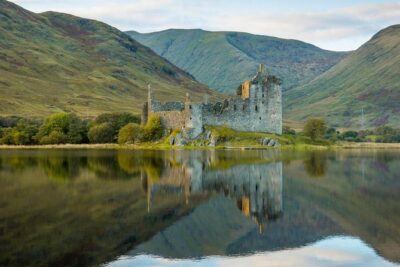
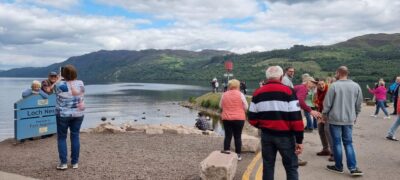
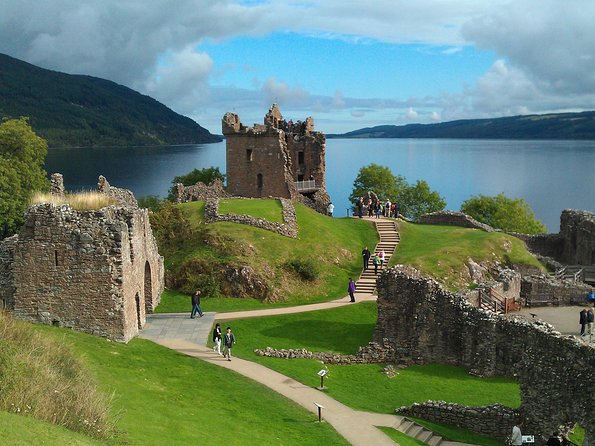
As you continue, you’ll travel along the length of Loch Ness, with an invitation to keep your eyes open for any signs of the Loch Ness Monster. Whether you believe or not, the real point is the scale and atmosphere of the loch.
You’ll also stop at Urquhart Castle for a photo opportunity and to stretch your legs. Admission isn’t included, so if you want to go inside or do a fuller self-guided visit, you’ll need to budget time and money separately.
If you want the castle views, bring your walking shoes and be ready for a quick decision. If you want maximum photos and minimum effort, the provided photo stop style is fine. But if your ideal trip is “one site, slow and deep,” you might wish Urquhart had more time in the schedule.
Still, for two days, the tour hits the main Ness highlights without wasting hours on detours.
Inverness overnight: your base for a proper Highlands evening
By evening, you reach Inverness, described as the northernmost city in the UK and a Highlands hub. You stay overnight and then continue the story on Day 2.
Here’s the practical reason Inverness is a smart base: instead of rushing straight back to Edinburgh, you get an actual evening. That matters for energy. Even one good dinner and a relaxed post-taxi walk can keep the whole trip from feeling like a marathon.
One on-the-ground tip: Inverness restaurants can book up fast. If you want a specific place, plan ahead and reserve a spot.
Accommodation is not included in the base tour price, but you’re offered choices. You can pick hostel, B&B, or hotel types (with different nightly price ranges depending on what you select). This gives you a chance to match your comfort level to your budget without losing the tour’s structure.
Culloden Moor: a short walk with a heavy emotional payoff
Day 2 starts with pickup from your accommodation and a drive to Culloden Battlefield (Culloden Moor). The tour emphasizes that this is where Jacobites were finally defeated by British government soldiers in 1746, noted as the last battle fought on British soil.
You’ll have time to walk and learn more about what happened there—around 700 Highland clansmen died in three minutes. That line isn’t there to scare you. It’s there to explain why this place feels so stark and why the ground still matters.
The stop is about learning through a brief on-site experience, not turning it into a long museum day. If you’re sensitive to battlefield themes, know that this is the emotional center of the trip.
For me, the value is that it gives you a real-world sense of stakes—then you keep driving south, which shows how quickly the Highlands history connects to the rest of Scotland.
Clava Cairns: prehistoric stones that feel closer than you expect
After Culloden, you go to Clava Cairns, a sacred prehistoric site with 4000-year-old stone circles and burial mounds. The stop is shorter, but it’s one of those moments where your brain slows down for a minute.
This is a different time scale than the Jacobite story. That variety is a strength. The Highlands aren’t just castles and rebellions. They’re also ancient landscapes shaped by communities far older than any clan system you’ll hear about on Day 1.
If you get any fog or light rain, Clava Cairns can look almost cinematic. Bring the same rain-ready mindset you used for Glen Coe.
Cairngorms National Park drive and Pitlochry: nature talk, town stop, and whisky option
Next comes the long drive through Cairngorms National Park. You’re told about the flora and fauna and about how the park was officially protected in 2003. You also get a lunch break in a village inside the park (again, at your own expense).
This part of the itinerary works best if you’re okay with driving time. The guide uses the road as a classroom, and you get intermittent moments to look out and absorb scale. There’s also a specific “spot it if you can” detail: Ruthven Barracks, built in 1719 after the 1715 Jacobite rising.
Then you reach Pitlochry, a Highlands town with a main street full of shops and restaurants. You get free time, plus an option to visit Blair Athol Distillery on your own dime. If you take the distillery tour, you’ll learn more about the process and sample the local “water of life.”
Even if you skip the distillery, Pitlochry is a nice place to reset with a snack, a coffee, and a bit of wandering. It’s also where you can shop for small Scottish items without needing a full detour.
Dunkeld and the Hermitage walk: finishing gently before the return
Your last major stop is Dunkeld, specifically a gentle riverside walk through Big Tree Country at The Hermitage. This is a softer ending than the battlefield sites, and it’s a smart choice for closing Day 2.
You get about 45 minutes—enough time to walk, breathe, and put the last two days’ stories into a calmer frame. It also works in every season (as long as weather conditions are safe).
Before you head back to Edinburgh, you also pass over the Forth Road Bridge and have a short chance for a photo stop in South Queensferry to capture the Forth Rail Bridge, built in 1890. Then you return around 7pm.
Is $248.63 good value for two Highlands days?
It can be, if you understand what you’re buying.
This price covers:
- Transport in an air-conditioned Mercedes mini coach
- Live commentary during the ride
- A 5-star reviewed driver/guide
- A small group format (avg ~12, max 16)
- Mobile ticket convenience
It does not include:
- Food and drinks
- Attraction entrance fees (for example, Urquhart Castle and potentially other paid stops)
- Accommodation (you choose hostel/B&B/hotel options for an additional per-person cost range)
So the real comparison isn’t just the $248.63. It’s $248.63 plus your accommodation choice plus meals plus any entrances.
Where you win is in not having to pay for driving yourself (car rental, fuel, parking stress) and in getting a guide to interpret the sites. Guides are often the make-or-break factor in these trips, and this one has a strong reputation for storytelling and pacing. Names that come up again and again in the guide experiences shared include Callum, Roddy, James, Euan, Howard, Angela, Keith, Eddie Boyle, Paul MacIntosh, George, Andy, and Allen—all praised for combining history, humor, and care.
What I like most is that the tour isn’t just “look at the view.” It’s “here’s why this place matters,” told in a way you can remember when you’re back home.
Who this tour fits best (and who should reconsider)
This tour is a great match if:
- You want a structured route through core Highlands sights in just two days
- You’d rather spend your energy on photos, short walks, and good meals than on navigation
- You like history tied to real places, especially Jacobite-era stops like Culloden
It might be less ideal if:
- You hate short stops and prefer slow travel with longer time at fewer sites
- You want meals included or you don’t like planning around lunch being on your own
Should you book 2-Day Inverness and the Highlands Small Group Tour from Edinburgh?
I’d book it if you want an efficient first taste of the Highlands with strong guide-led context and a calm small-group feel. Two days is short, but the route is built around major story anchors: Glen Coe, the Jacobite rebellion lead-in at Glenfinnan, the Loch Ness run, and the emotional center at Culloden.
Book it especially if you’re the kind of traveler who values not just scenery, but meaning. And pick your accommodation style early based on your budget and comfort level—you’ll sleep in Inverness, so your choice affects your whole trip.
If you do book, come prepared for weather shifts, bring a layer you can’t regret, and accept that a couple of iconic stops are quick. Done right, that’s not a compromise—it’s how you get the full Highlands hit in 48 hours.
FAQ
What time and where does the tour start in Edinburgh?
The tour starts at 8:15am at Waterloo Place, Edinburgh (EH1 3BQ). It ends back at the same meeting point.
How big is the group?
It’s a small group tour with an average group size of around 12 passengers, with a maximum of 16 travelers.
What’s included in the price?
Transport is included via an air-conditioned Mercedes mini coach, along with live commentary on board and a 5-star reviewed driver/guide.
Are meals and attraction tickets included?
No. Food and drinks are not included, and attraction entrance fees are also not included. Some stops are free for photos, but paid sites like Urquhart Castle are not included.
Is the Glenfinnan Viaduct stop always part of the tour?
No. The Glenfinnan Viaduct stop runs April through October only.
What happens if the weather is bad, or I need to cancel?
The tour operates in all weather conditions unless it is unsafe to do so. If the experience is canceled due to poor weather, you’ll be offered a different date or a full refund. You can cancel up to 3 days in advance for a full refund.