
REVIEW · EDINBURGH
Edimbourg : Visite guidée privée en français avec Clémentine
Book on GetYourGuide →Operated by Clémentine d'Edimbourg · Bookable on GetYourGuide
Great stories start on the Royal Mile. This private French walk with Clémentine is a fast way to understand Edinburgh, not just see it.
What I like most is the mix of Old Town icons and the feeling that someone who lives here for 20+ years is showing you their city, at your pace. You get expert, friendly explanations plus practical after-tour help (restaurant and pub/bar ideas, and a map). The only drawback to consider: it’s a set route with lots of walking, so if you want long indoor stops or very slow, stop-and-chat sightseeing, you’ll likely want to add extra time.
In This Review
- Key points at a glance
- First steps at Adam Smith: a smart start on the Royal Mile
- St. Giles’ Cathedral and Gladstone’s Land: where the Old Town story gets real
- The Writers’ Museum area: literature energy without the lecture
- Edinburgh Castle viewpoints: the skyline moment you’ll remember later
- Grassmarket and Greyfriars Kirkyard: atmosphere, not just monuments
- National Museum of Scotland: easy way to add the modern layer
- Old College (University of Edinburgh): a stop that sharpens your perspective
- What makes Clémentine’s private format a real value
- Price and what you’re really paying for
- Walking comfort: the small details that matter
- Who should book this French private tour?
- Should you book it or not?
- FAQ
- Is the tour guided in French?
- How long is the private tour?
- Is this tour private?
- Where do we meet, and where do we end?
- Are young children included?
- Can I request a different start time?
- Can I extend the tour duration?
- Is the tour wheelchair accessible?
- Is free cancellation available?
Key points at a glance
- French private guide: Clémentine speaks French and tailors the pace and focus to you
- Old Town to viewpoints vibe: you walk the Royal Mile area and go up to take in the New Town from above
- The “why” behind landmarks: monuments, legends, and funny anecdotes tied to specific places
- Family-friendly adjustments: she adapts for kids (she has raised her own in Edinburgh and worked as a teacher)
- You leave with a plan: recommendations for more activities, restaurants, and pubs/bars in the rest of your trip
- Comfort matters: bring comfy shoes and water, because it’s a 2-hour on-foot experience
First steps at Adam Smith: a smart start on the Royal Mile

The tour meets at the statue of Adam Smith, right in the middle of the Royal Mile, near the Mercat Cross. That location is a big deal, because you’re starting at the spine of Edinburgh: easy to orient yourself fast, and perfect for building a mental map you’ll keep using later.
Clémentine’s style is the part that makes this more than a checklist. You’ll feel that she’s not reciting facts at you. She connects stories to what’s in front of you—so the streets, stone buildings, and viewpoints stop being random and start making sense. And since the group is private, you can ask questions as you go, without worrying about holding anyone else up.
Two hours is a sweet spot: long enough to cross key neighborhoods and short enough that you don’t feel wiped out before dinner plans. If you’re the type who wants to spend your next day wandering confidently, this start helps a lot.
You can also read our reviews of more tours and experiences in Edinburgh.



St. Giles’ Cathedral and Gladstone’s Land: where the Old Town story gets real

Your route passes St. Giles’ Cathedral early on. Even if you don’t go inside, you’ll get a feel for why this place matters in Edinburgh’s identity—how religious life, public life, and the city’s power dynamics shaped what you see today.
Right after, you’ll pass Gladstone’s Land, another stop that’s excellent for learning how Edinburgh’s buildings reflect everyday life. This is the kind of site that can look “just historic” from the outside—until a guide explains what you’re looking at and why the structure and location were so important.
What I like here is that these moments ground the tour. The cathedral and nearby architectural stories set up the rest of the walk, including the darker, wilder, more character-driven edges of the city.
Possible consideration: if you’re hoping for lots of time inside major sights, this tour is built as a walking experience with pass-by moments. You’ll enjoy the context and direction, but you may still want separate time later for anything you want to explore slowly on your own.
The Writers’ Museum area: literature energy without the lecture
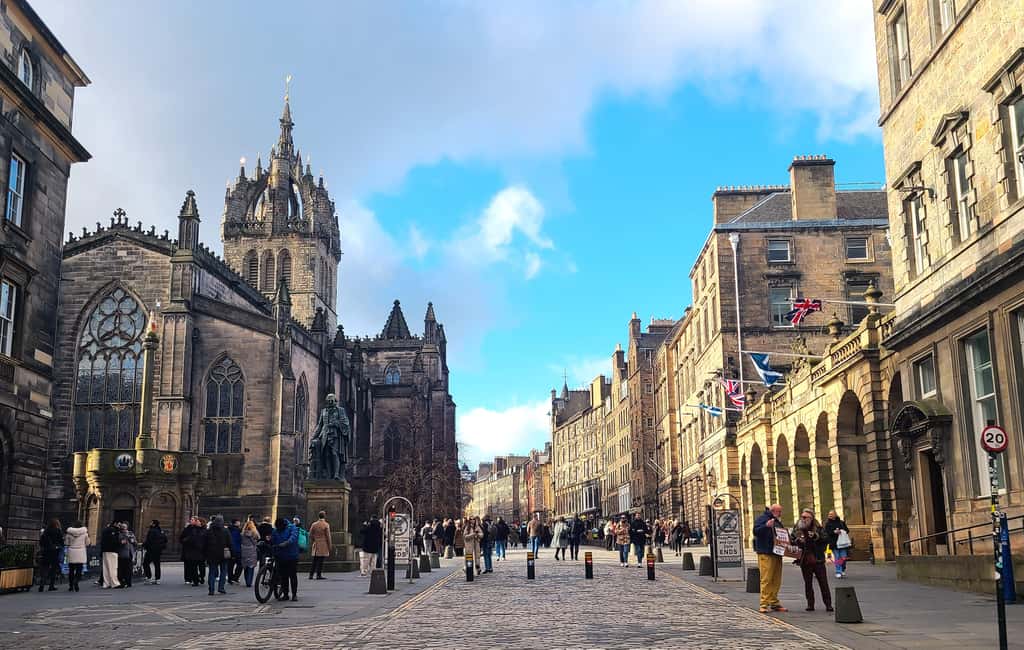
As you continue, you pass near the Writers’ Museum. Edinburgh’s connection to writers and storytelling is one of its strongest assets, and this part of the route helps you feel that link without turning the tour into a school class.
The benefit for you is practical: once you understand the literary “why,” you’ll spot cultural references more easily later while you’re walking, reading signage, or planning museum time. Clémentine’s explanations also tend to be tied to place—so a building or street corner turns into an anchor for an anecdote you can remember.
If you like cities where art and history overlap, you’ll probably enjoy this section more than you expect. It adds personality to the medieval-to-contemporary mix.
Edinburgh Castle viewpoints: the skyline moment you’ll remember later

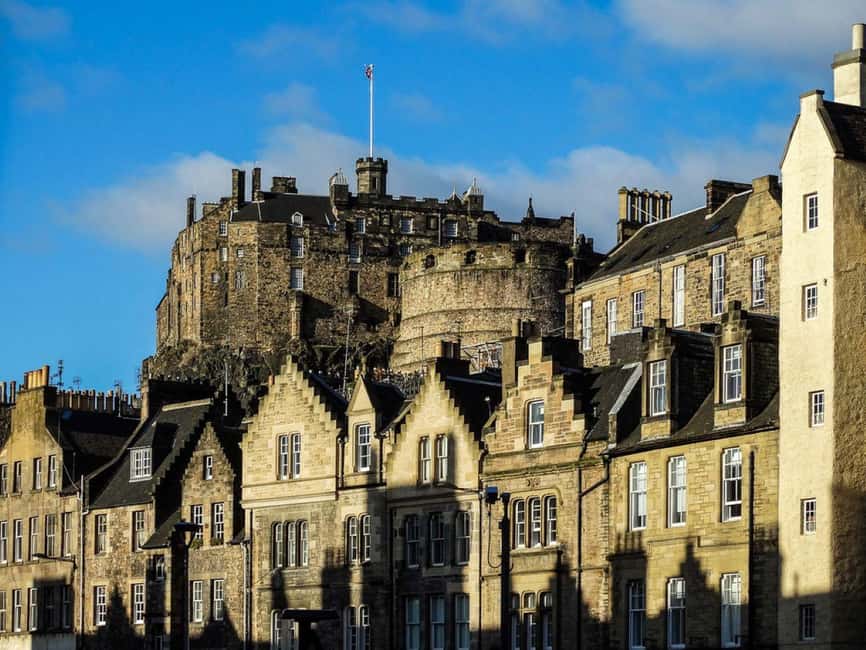
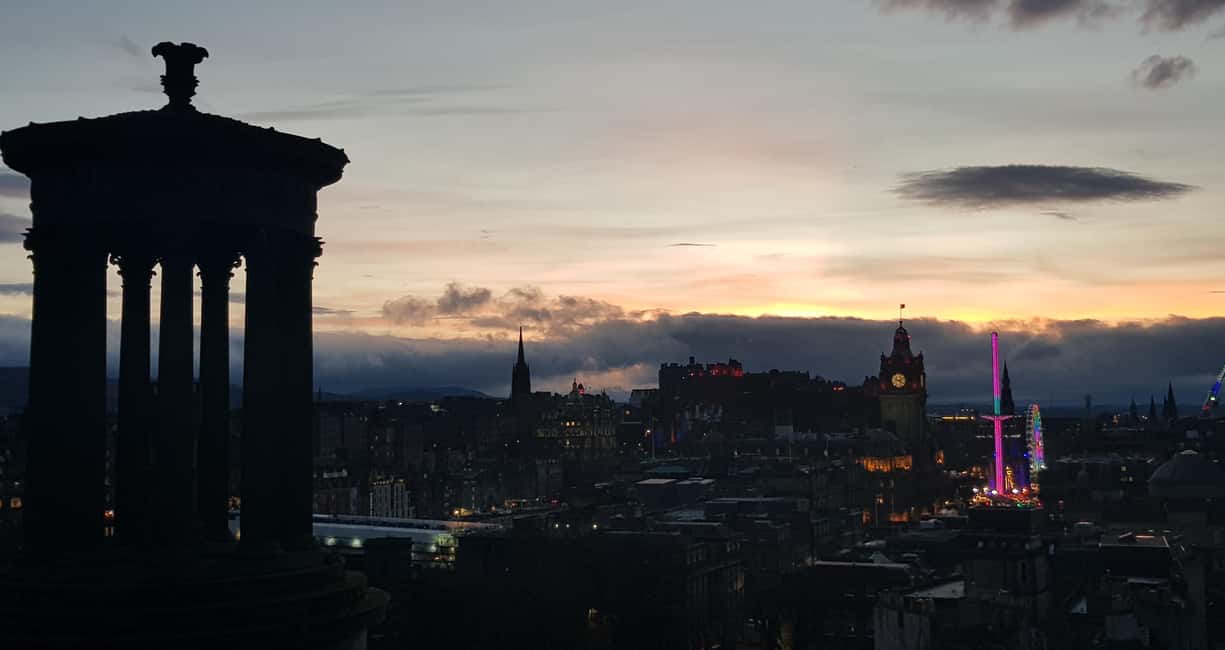
Even if you’ve seen photos, Edinburgh Castle is a different experience in person. In this walk, you won’t just pass it as a background view—you’ll get the sense of how it dominates the city’s geography and why it keeps pulling people back in.
This stop is especially valuable for first-time visitors. It’s where your brain starts understanding the layout: the slopes, the angles, and how Edinburgh’s topography shapes the feeling of the place. You’ll also likely understand why people talk about Edinburgh as a city of viewpoints and drama.
Clémentine’s gift seems to be turning that dramatic scenery into stories you can connect to other parts of your route. That’s what makes your later exploring feel easier—you’re not just walking. You’re following a thread.
Grassmarket and Greyfriars Kirkyard: atmosphere, not just monuments
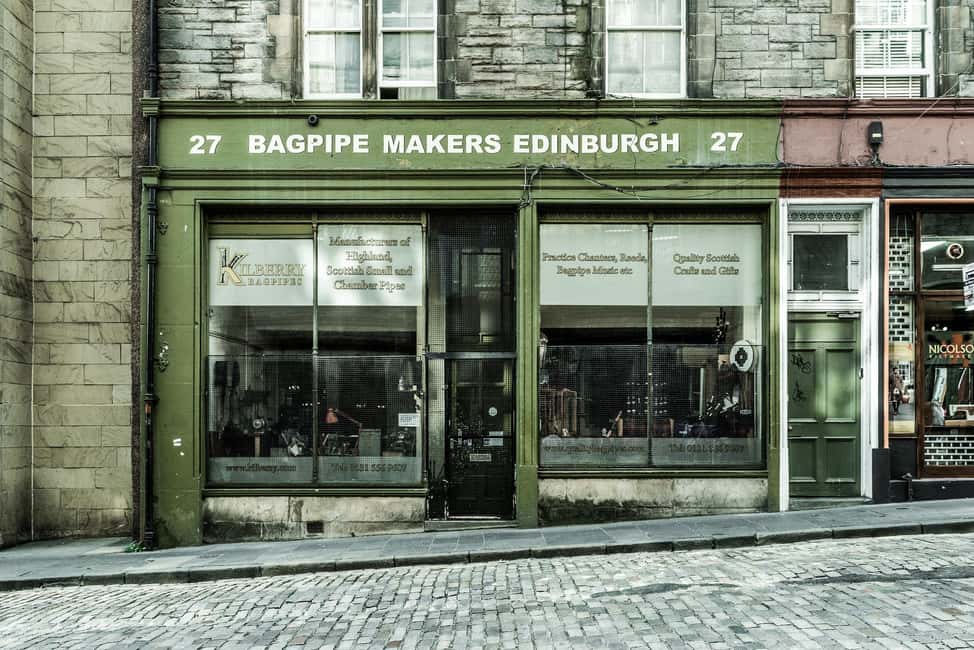
After the castle area, the walk shifts toward Grassmarket. This is one of those Edinburgh zones with a strong “mood,” and a good guide helps you read it correctly. You’re not only looking at architecture; you’re noticing the street’s personality and how public spaces worked historically.
Then comes Greyfriars Kirkyard. Cemeteries can feel quiet and abstract if you don’t know where to look. But with a story-focused guide, you can turn a gloomy setting into a meaningful part of the city’s narrative. You’ll also get a better sense of why Edinburgh’s legends stick around—because they’re tied to real locations you can stand on.
For me, this section is the tour’s secret strength. It’s where you stop thinking of Edinburgh as a postcard and start experiencing it as a place with character, contradictions, and memory.
If you’re visiting with kids, this is also where a guide’s adaptability matters. Clémentine is used to adjusting explanations by age, so you won’t just get long, heavy stories that lose their audience.



National Museum of Scotland: easy way to add the modern layer
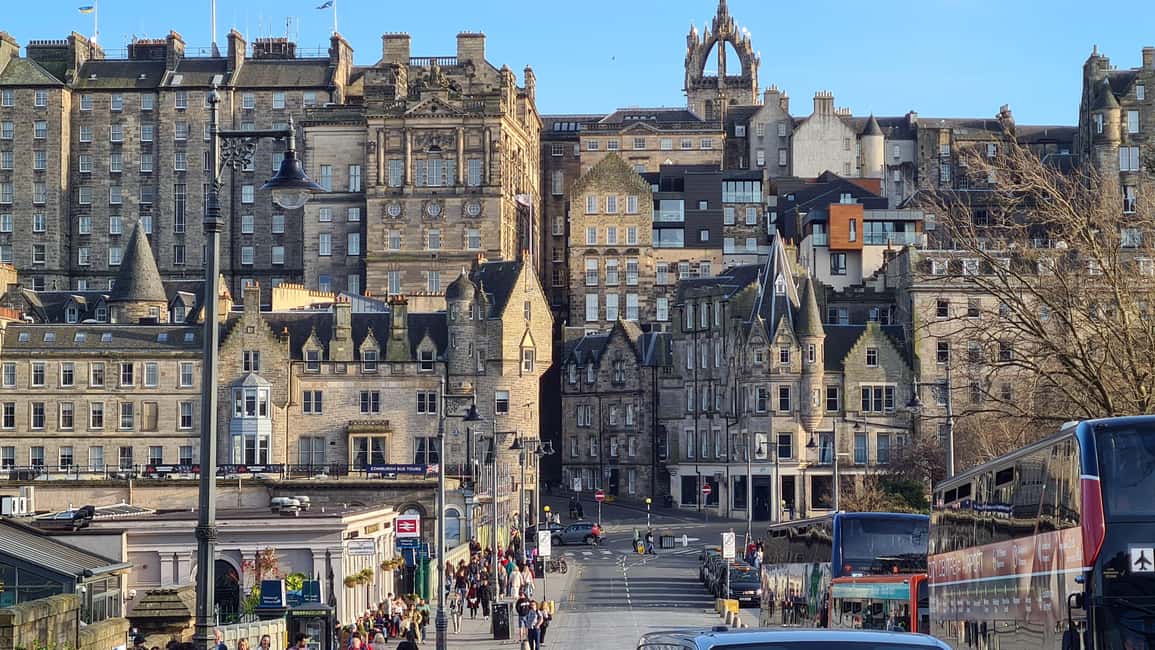
You’ll then pass by the National Museum of Scotland. Even without a big museum commitment during this 2-hour walk, this stop adds a useful contrast: it reminds you that Edinburgh isn’t only medieval streets and castle views. The city keeps evolving, and its museums reflect that.
This is a smart pivot for you because it gives you a clear hint about what to do later. If you want one “indoors on a rainy day” option, the museum becomes an obvious choice. And if you like how history and science sit side by side, you’ll already be primed to enjoy what’s inside later.
Old College (University of Edinburgh): a stop that sharpens your perspective
Near the end, the route passes Old College, part of the University of Edinburgh. University buildings often look impressive, but with the right context they also become a window into why Edinburgh has long attracted thinkers, scholars, and big ideas.
This is a great closing note, because it rounds out the tour’s full arc: medieval city life, cultural storytelling, royal power and skyline drama, then education and modern identity. When you return to the meeting point at Adam Smith, you’re not just back where you started—you’re back with a clearer mental map.
What makes Clémentine’s private format a real value
A lot of tours promise personalization. This one actually uses it in practical ways.
Clémentine is local and lives in Edinburgh for more than 20 years, so her recommendations feel anchored in daily reality, not just generic travel guide pages. The tour also includes a hand-off of sorts: you’ll get valuable advice on other activities and places to visit for the rest of your stay. You’ll also receive a map of recommended restaurants and pubs/bars, which is the kind of small thing that saves you time later.
Another strong point is the Q&A vibe. When you’re on a private walk, it’s natural to ask questions about the stuff that genuinely catches your attention—why a street looks the way it does, what a building’s purpose might have been, how legends connect to real events. Clémentine answers with clarity, and the anecdotes are linked to a monument, an event, or a character rather than floating around randomly.
Price and what you’re really paying for
At about $81 per person for 2 hours, this isn’t the cheapest way to “check Edinburgh’s big names.” But it’s also not aiming to be a generic group tour you forget in a day.
You’re paying for:
- a private guide instead of sharing attention with a larger group
- a French-speaking specialist who can adapt the experience for families
- a route that covers major landmarks while still feeling guided and story-driven
- extra support afterward with personalized recommendations and a restaurant/pub map
For a short trip, this kind of upfront orientation can pay off quickly. You’ll likely plan the rest of your days with more confidence.
Walking comfort: the small details that matter
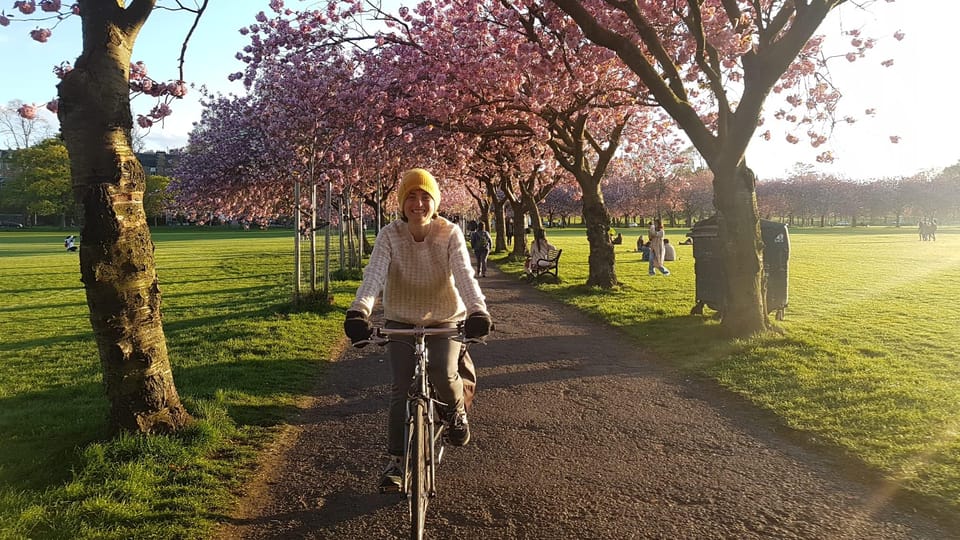
This is a walking tour. So your “bring list” is not decoration. Plan for comfortable shoes and weather-appropriate clothing. Bring water and a camera—because Edinburgh is the kind of city where you’ll want to take photos at multiple angles, especially around the castle and viewpoints.
Also, you can ask for a different departure time, and you can request to add one or two extra hours after confirmation (and possibly the same day). That flexibility is helpful if your day needs to fit museums, a performance, or a meal plan.
Who should book this French private tour?
You’ll be happiest with this tour if you:
- want a French guide and prefer your history with a human voice
- like getting your bearings early so the rest of your trip feels easier
- enjoy stories tied to specific places (not just facts in sequence)
- are traveling as a private group, including couples, friends, or families
- want a guide who adjusts explanations for kids
If you’re the type who already knows Edinburgh well and wants mostly free time at each major site, you might find a 2-hour guided walk a bit limiting. In that case, use it as your orientation, then go deeper on the places that grabbed you most.
Should you book it or not?
Yes, if you’re doing Edinburgh for the first time or you want a confident start. The biggest reason to book is that Clémentine turns landmarks into meaning, and you leave with practical ideas for what to do next—so the tour doesn’t end when you finish walking.
Don’t book it if your priority is long indoor time at major attractions during the same visit. This experience is designed to keep moving and explaining, not to replace a full museum day. For most people, though, it’s one of the best ways to understand Edinburgh without wasting hours trying to figure things out on your own.
FAQ
Is the tour guided in French?
Yes. The live tour guide speaks French.
How long is the private tour?
The duration is 2 hours (starting times vary based on availability).
Is this tour private?
Yes. It’s a private group tour, just for you, with your friends or family.
Where do we meet, and where do we end?
You meet at the statue of Adam Smith in the middle of the Royal Mile, near the Mercat Cross. The tour ends back at the same meeting point.
Are young children included?
Children under 3 years old are free.
Can I request a different start time?
Yes, you can ask for a different departure hour.
Can I extend the tour duration?
You can request adding one or two extra hours after confirmation, and it may be possible on the day of the visit depending on circumstances.
Is the tour wheelchair accessible?
Yes, the experience is listed as wheelchair accessible.
Is free cancellation available?
Yes. You can cancel up to 24 hours in advance for a full refund.