REVIEW · EDINBURGH
Edinburgh Castle: 120-Minute In-Depth Tour with Expert Guide
Book on GetYourGuide →Operated by EDI Tours · Bookable on GetYourGuide
Edinburgh Castle is where Scotland’s power shows up in stone. This 120-minute, expert-led tour helps you connect the dots across royal drama, military strongholds, and the big skyline views.
I love that the ticket is included and you get a real guide, not just a quick walk-by. You’ll also hit the big-ticket sights like St Margaret’s Chapel and the Scottish Crown Jewels (when on display), while still getting time to understand what you’re looking at.
One thing to plan for: this is a mostly outdoor castle-complex walk with hills and steps, and it’s not suitable for wheelchair users or limited mobility.
In This Review
- Key highlights you’ll actually feel on the ground
- Why this 120-minute format makes Edinburgh Castle easier to enjoy
- Meeting at the High Court near David Hume statue
- Castlehill and the Esplanade: start with orientation, not overload
- The Gatehouse and batteries: see the fortress as a machine
- Mons Meg and the military story that makes other stops click
- St Margaret’s Chapel and the Crown Jewels: what to see, and what might be closed in 2026
- Royal palace spaces: connect Mary, Queen of Scots to the castle grounds
- Western Panorama and Hospital Square: take the views seriously
- One O’Clock Gun and the timing feel of the route
- After the guided portion: use your entry ticket wisely
- Price and value: is $49 a fair deal for a castle tour?
- Who this tour suits best (and who should reconsider)
- What to bring so you enjoy the ramparts, not suffer on them
- Should you book this Edinburgh Castle guided tour?
- FAQ
- Where do I meet the guide?
- Is the Edinburgh Castle ticket included?
- How long is the tour?
- Is the tour in English?
- Does this tour skip the ticket line?
- Will I see the Crown Jewels during 2026 refurbishment?
- Is this tour indoors or outdoors?
- Is it suitable for wheelchair users or mobility impairments?
- Can I bring luggage or big bags?
- What should I wear or bring?
Key highlights you’ll actually feel on the ground
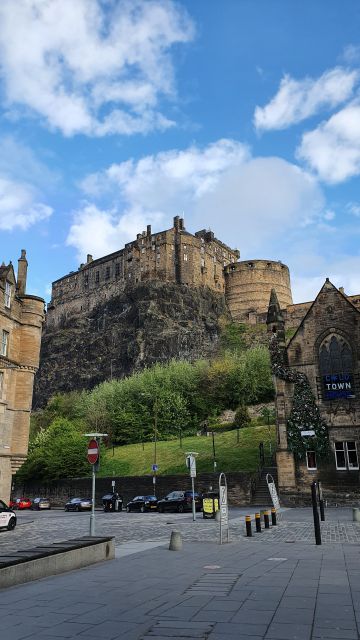
- Expert storytelling at a 2-hour pace, so you don’t feel rushed through the castle complex
- Scottish Crown Jewels + St Margaret’s Chapel as anchor stops (with a key 2026 closure note)
- Guns and military sites like Mons Meg and the National War Museum context
- The views from the ramparts, including spots tied to Edinburgh’s famous walls and lines of sight
- Stories that link royals and soldiers, from royal births to raids and bans
Why this 120-minute format makes Edinburgh Castle easier to enjoy
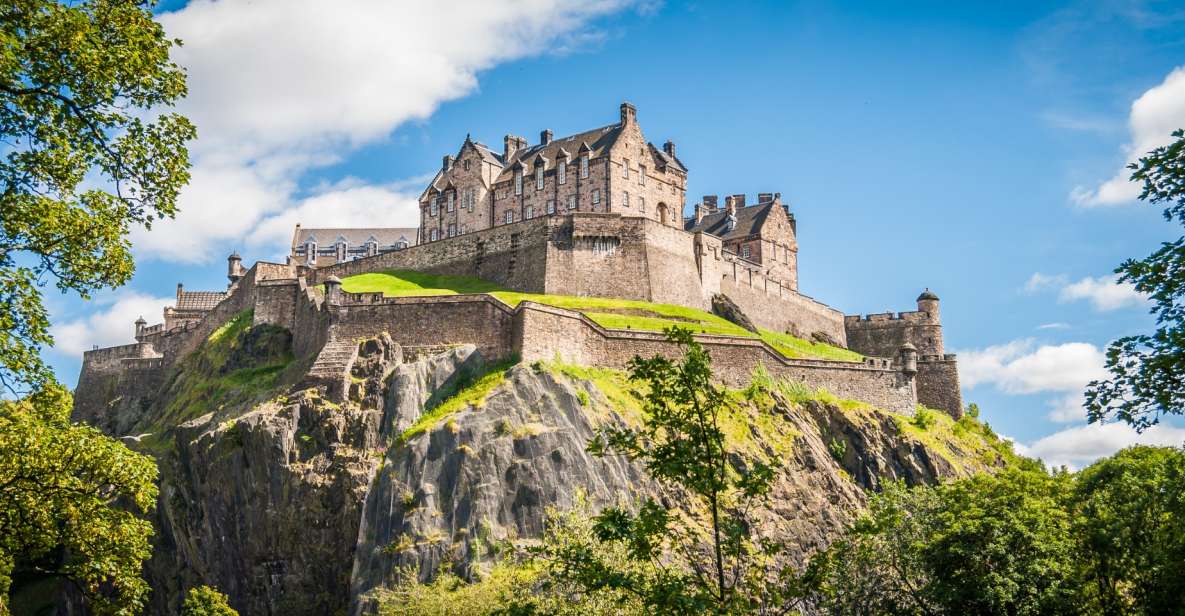
Edinburgh Castle can feel like a lot. You arrive, you see dramatic buildings, you take photos, and then you’re stuck trying to remember what everything is. The 120-minute format solves that problem by slowing the visit down just enough for meaning to catch up with your eyes.
You’ll move through the castle complex with an expert guide who explains how the fortress worked—politically and militarily—not just what the walls look like. The time matters. A shorter tour can leave you with a hit-list and no story thread. Here, you get multiple “why it mattered” moments: why this chapel sits where it does, why the guns were placed here, and why royal figures ended up connected to the same stone grounds.
This tour also gives you a concrete payoff: you’ll leave knowing which spaces are ceremonial (palace and great hall), which are defensive (batteries and the ramparts), and which are commemorative (war memorial and related sites). That means your self-guided time afterward tends to go faster, because you know what to look for.
You can also read our reviews of more guided tours in Edinburgh



Meeting at the High Court near David Hume statue
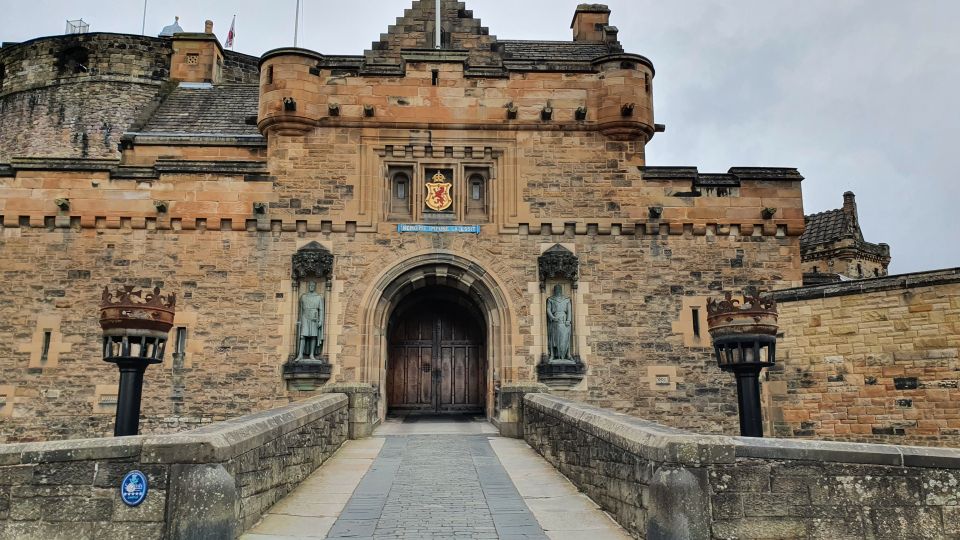
This tour doesn’t start inside the castle. You meet your guide in front of the High Court next to the statue of David Hume, with the guide holding a black-and-white umbrella with the EDI Tours logo.
That meeting point is useful because it gets you off to a focused start. You’ll begin with orientation before you reach the castle hill, which helps if you’ve never walked up to the fortress before. It also reduces the “where is everyone” stress that hits popular castle attractions.
Practical tip: wear shoes you trust. Even when the route looks short on a map, Edinburgh’s terrain tends to add uneven footing, stair stretches, and steep angles.
Castlehill and the Esplanade: start with orientation, not overload

Early on, you’ll walk the approach areas around the castle. You begin at Castlehill (a short guided segment), then move toward the Esplanade with extra explanation time. This section is about setting context.
Why it helps: before you’re buried in chapels and crown rooms, you get a mental framework for the fortress layout. You learn what the space is designed to do—control movement, protect key points, and project authority. It’s much easier to follow later stops when you already understand how the grounds connect.
The Gatehouse and batteries: see the fortress as a machine
Once you’re inside the castle complex, you’ll pass through key defensive features, including the Gatehouse and the Mill’s Mount Battery area. The guide also brings in the National War Museum context as you move through.
This is where Edinburgh Castle stops being just architecture and starts behaving like a story about strategy. You’ll hear why people cared about controlling entry points. You’ll also get a clearer sense of how the fortress’s role evolved over time—from earlier defensive needs into later military significance.
You’ll also encounter stops tied to the sound and spectacle of military tradition. The route includes the One O’Clock Gun, with guided context around it as you pass by. Even if you’re visiting outside any special moments, the explanation makes the gun feel less like a quirky tourist tradition and more like a functioning signal system with real historical roots.
Mons Meg and the military story that makes other stops click
You’ll also see Mons Meg on the tour route, plus you’ll pass by the Royal Scots Dragoon Guards Regimental Museum.
This cluster matters because it gives you a “through-line.” It’s easy to treat each attraction as separate. Guns and military collections help connect the dots: these aren’t random displays. They’re reminders of how the castle served as a center of power and readiness.
When the guide ties military assets to key historical figures, the later royal spaces make more sense. You’re not just learning dates. You’re learning why certain people mattered and why certain places became symbolic.




St Margaret’s Chapel and the Crown Jewels: what to see, and what might be closed in 2026
Two of the biggest draws on any Edinburgh Castle list are St Margaret’s Chapel and the Scottish Crown Jewels. This tour explicitly includes both in its highlights.
St Margaret’s Chapel is described as about 900 years old, and that age alone makes it feel like more than a stop. In practice, it’s a chance to see how faith, monarchy, and stone craftsmanship overlap in one place. The guide’s storytelling helps you notice details you’d otherwise miss.
For the Crown Jewels: there’s a major scheduling note you should not ignore. Between January 12th, 2026 and April 2026, the Crown Room will be closed for refurbishment, and the Crown Jewels will not be on public display. The rest of the tour still runs, but your experience around that specific highlight will change. If your trip falls in those dates, I’d treat this tour as a broader fortress history visit, not a guaranteed Crown Jewels viewing.
Royal palace spaces: connect Mary, Queen of Scots to the castle grounds
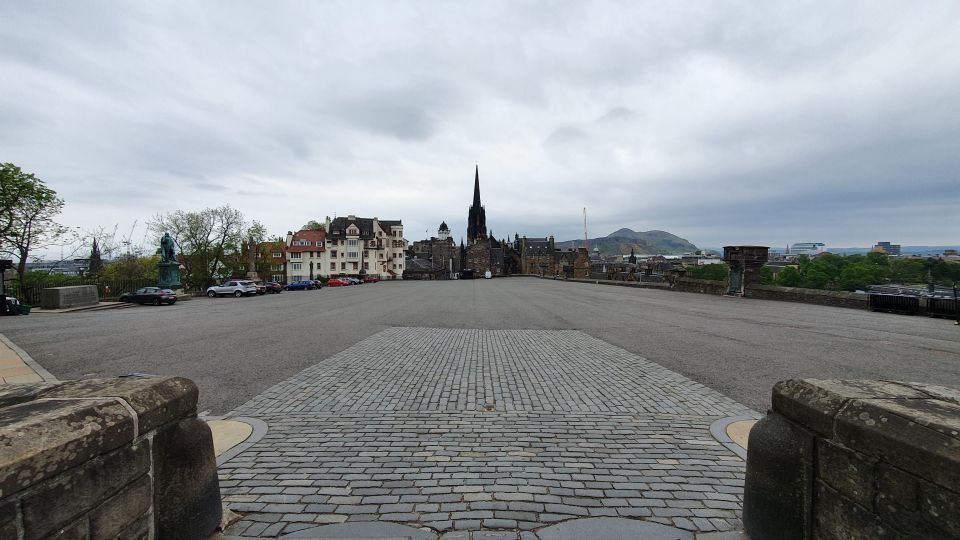
Your guided route also includes royal-related stops such as the Great Hall and the Royal Palace (you’ll also finish the tour at the Great Hall).
The tour highlights include Mary, Queen of Scots’ birthing chamber, plus other royal and military figures’ hidden histories. That combination is exactly what makes the castle feel alive. Edinburgh Castle isn’t only about crowns and ceremonies; it’s also about the power struggles that forced people to live and rule under pressure.
If you like monarchy stories, this part of the visit is where the tour earns its keep. A guide can explain why these spaces were built for rulers to gather, how public ceremony reinforced authority, and why certain rooms became tied to major turning points.
Western Panorama and Hospital Square: take the views seriously
The tour includes time at lesser-known areas too, including Hospital Square and the Western Panorama. You’ll also see more famous spaces like Crown Square and the castle esplanade area.
This is where you stop being a student and start being a spectator. The ramparts and panorama points let you look outward and understand the fortress’s advantage. You see why the castle was able to dominate the city and why controlling the high ground mattered.
If the weather is good, treat this portion as your best photo window. If the weather is rough, it’s still worth it, just plan for wind and cold, and keep moving at a careful pace on stone surfaces.
One O’Clock Gun and the timing feel of the route

Even though the tour includes the One O’Clock Gun as a pass-by guided point, it adds a special kind of timing to your day. It’s a reminder that Edinburgh Castle has moments where the fortress affects the city beyond its walls.
If you’re the type who likes sensory history—hearing, seeing, timing—this stop helps you connect the written story of the castle to real daily life patterns. Even if you’re not there at the exact moment, the guide’s explanation is what turns it from trivia into context.
After the guided portion: use your entry ticket wisely
You’ll get an Edinburgh Castle entry ticket included with the tour, and you’ll have time afterward to keep exploring museums and exhibitions that are not accessible during the guided time.
That matters because it gives you a smarter second phase. The guide helps you prioritize the big story. Then you can choose where you want to spend extra time: exhibitions, displays, or any details you want to revisit without the clock ticking.
I also like that the tour includes a map. That tiny detail turns into real value once you’re inside—because you can trace where you’ve been and decide where to go next.
Price and value: is $49 a fair deal for a castle tour?
At $49 per person for 2 hours, the value comes from two things: time and guidance.
Edinburgh Castle can be overwhelming if you go it alone. For $49, you pay for an expert to help you interpret what you’re seeing across multiple sites, including royal, military, and commemorative spaces. Plus, your ticket is included, and you get the practical benefit of skipping the ticket line.
If you only have a day or two in Edinburgh and you want your time to count, this hits a good balance. You’re not paying for transport; you’re paying for orientation, pacing, and context. For most visitors, that makes the money feel less like a fee and more like a tool.
Who this tour suits best (and who should reconsider)
This is a great fit if you:
- Want a guided overview that doesn’t feel rushed
- Like stories that mix royalty and warfare
- Are happy walking around an active historic site with uneven stone and stairs
It’s not suitable for people with mobility impairments or wheelchair users. That’s important, because the route covers an entire complex and includes lots of outdoor movement.
It’s also a poor match if you’re looking for a mostly indoor, low-walking experience. The tour is explicitly described as completely outdoor.
What to bring so you enjoy the ramparts, not suffer on them
You’ll be outside, so pack for Scottish weather. Bring:
- Comfortable shoes (really)
- Weather-appropriate clothing
- Warm clothing
Also note the rules: no smoking, vaping, drones, or pets (assistance dogs allowed). Don’t plan to bring luggage in either. Luggage over 30L and suitcases aren’t permitted, and there’s no left-luggage nearby—so travel light if you can.
Should you book this Edinburgh Castle guided tour?
Yes, if your goal is to understand the castle, not just tick off buildings. The 120-minute time window plus the included ticket makes it a solid use of a limited day. I’d especially book it if you care about how royal power and military function overlap in this fortress.
If you’re traveling between January 12th and April 2026, go in with the right expectation about the Crown Jewels viewing—the Crown Room will be closed. You can still get a strong castle experience, but the best jewel-room moment won’t be on display during that window.
If you have mobility limitations, I’d skip this version and look for an option designed for accessibility needs. The walking and steps are part of what makes the tour work, and it won’t be kind if you can’t manage that.
FAQ
Where do I meet the guide?
You meet your guide in front of the High Court next to the statue of David Hume. The guide will be holding a black and white umbrella with the EDI Tours logo.
Is the Edinburgh Castle ticket included?
Yes. Your Edinburgh Castle entry ticket is included, along with an Edinburgh Castle map.
How long is the tour?
The tour runs for 2 hours.
Is the tour in English?
Yes. The live tour guide provides the tour in English only.
Does this tour skip the ticket line?
Yes. It includes skip-the-ticket-line entry.
Will I see the Crown Jewels during 2026 refurbishment?
Between January 12th, 2026 and April 2026, the Crown Room is closed and the Crown Jewels will not be on public display. Outside those dates, the Crown Jewels are presented as part of the tour highlights.
Is this tour indoors or outdoors?
It’s described as completely outdoor, so you should dress for Scottish weather.
Is it suitable for wheelchair users or mobility impairments?
No. It’s not suitable for people with mobility impairments or wheelchair users.
Can I bring luggage or big bags?
No large bags are allowed. Luggage over 30L and suitcases are not permitted, and there are no left luggage facilities nearby.
What should I wear or bring?
Wear comfortable shoes and bring weather-appropriate, warm clothing. The walk is outdoors.