REVIEW · EDINBURGH
Highlights from the Royal Mile: A Self-Guided Audio Tour
Book on Viator →Operated by VoiceMap Audio Tours · Bookable on Viator
The Royal Mile never stops talking. This self-guided audio tour turns Edinburgh’s most famous stretch of street into a story trail, with crime, royal drama, and 1600s punishments woven into your walk along the Royal Mile. I like that it’s self-paced, so you can pause for a shop window, a quick photo, or just to catch your breath on the cobbles.
You’ll also get a tidy route plan that covers the Old Town spine from Castlehill down through the High Street and into Canongate, with stops at major landmarks and a few darker side stories. The main drawback is practical: you need your own smartphone and headphones, and it does not guide you inside museums or ticketed attractions along the way.
In This Review
- Key Highlights Worth Your Time
- Royal Mile on Your Schedule: Price, Timing, and VoiceMap Basics
- From the Witches Well to Edinburgh Castle’s Early Days
- The Royal Mile Walk Itself: Castlehill, Lawnmarket, High Street, Canongate
- Deacon Brodie’s Trail and Old Tolbooth Wynd
- St Giles Cathedral: Old Tolbooth, the Heart of Midlothian, and Charles II
- Mercat Cross Shadows and Tron Kirk Stories
- 1600s Punishments, Paisley Close, and a Real Sense of Consequences
- John Knox to Mary Queen of Scots: Reformation and Royal Tragedy
- Netherbow Port and Canongate Kirk: Leaving the High Street Spine
- Finishing at Holyroodhouse: Your Royal Mile Story Closes at Canongate
- How to Get the Most Out of the Walk (Without Losing the Thread)
- Should You Book This Self-Guided Royal Mile Audio Walk?
- FAQ
- How long is the Royal Mile audio tour?
- Where does the tour start and end?
- What language is the audio in?
- What do I need to bring to listen?
- Are museum visits included?
- Is this tour refundable if I cancel?
Key Highlights Worth Your Time

- Witches Well to Holyroodhouse finish: a clear start and end across the Old Town core.
- Offline VoiceMap audio and maps: you can keep moving even if your signal is spotty.
- Real pacing control: slow down for shop stops or scenery without a group schedule.
- Stories you can’t miss on this street: witches, executions, and public justice tied to visible spots.
- Literary London-to-Edinburgh link: Deacon Brodie as the inspiration behind Dr Jekyll and Mr Hyde.
- Big names, big places: John Knox and Mary Queen of Scots are part of what you’ll hear.
Royal Mile on Your Schedule: Price, Timing, and VoiceMap Basics
This is a $19.99 per person self-guided audio experience that’s designed for a focused walking window. The tour time is listed as about 1 hour to 1 hour 15 minutes, with the overall walk described as a 45-minute stroll through the Old Town heart. Translation: plan for roughly that hour range for the full route, and add extra time if you stop to browse or want lingering photos.
You access it through the VoiceMap app on Android and iOS, with offline access to audio, maps, and geodata. That matters in Edinburgh’s Old Town, where you can hop between tight streets and stone-lined areas that don’t always love mobile data. Before you start, download the audio and maps while you have a solid connection, then keep your phone on the whole time.
Here’s what you should understand about value. You’re not paying for a guide standing beside you with a scripted lecture. You’re paying for a curated route of stories that run as you walk past places like St Giles Cathedral, the Mercat Cross area, and the Tron Kirk. If you like history but hate feeling rushed—or you don’t want to wait for a group to squeeze forward—this kind of audio pacing fits well.
Two practical notes before you go:
- You must bring your smartphone and headphones. Nothing is included for listening.
- If you decide to enter any museums or attractions you pass, you pay separately. The audio keeps you outdoors and moving through the street sights.
You can also read our reviews of more guided tours in Edinburgh



From the Witches Well to Edinburgh Castle’s Early Days

Your walk starts at The Witches Well (Edinburgh EH1 2ND) at the top of Castlehill. Even before you reach Edinburgh Castle’s main areas, the audio sets the tone: this stretch is tied to some of the city’s most infamous witch-burning stories. It’s a sharp way to kick things off because the Royal Mile isn’t just about pretty views—it’s about how people once lived, feared, and blamed.
From a practical standpoint, starting here helps you orient fast. You know you’re at the top of the famous spine, which makes the rest of the route easier to picture: down the hill, through the city’s historic blocks, and eventually toward Holyroodhouse.
One consideration: this is the kind of history that doesn’t shy away from the ugly parts. If you prefer lighter themes, you can still use the audio like a menu—pause when you want detail, skip forward if you’re not in the mood, and keep the walk moving.
The Royal Mile Walk Itself: Castlehill, Lawnmarket, High Street, Canongate
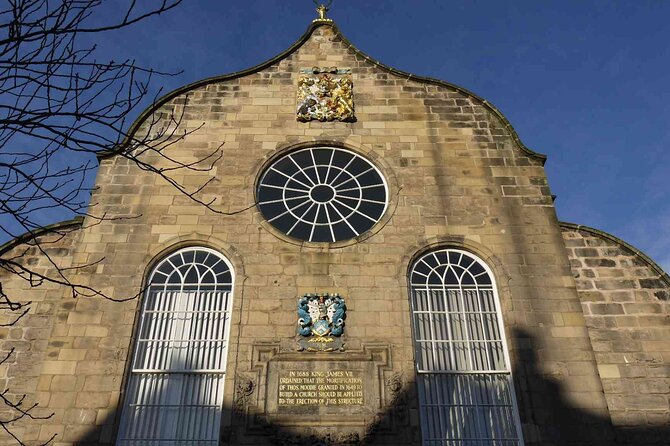
What makes the Royal Mile work as a self-guided route is that it’s naturally broken into four recognizable sections: Castlehill, Lawnmarket, the High Street, and the old burgh of Canongate. The audio takes you down all four, so you don’t get stuck with a route that jumps around.
As you move section to section, you’ll hear stories anchored to the street itself. That’s the key difference between wandering and learning. You’re not just passing storefronts and streets. You’re walking a timeline—at your own pace—where the narration keeps reconnecting the landmarks to the people and events behind them.
This also helps if you’re mixing the walk with shopping. The Old Town has plenty of tempting distractions, and a rigid group tour can make you feel like you’re always behind. With this format, you can stop when you want, then restart when you’re ready. The street stays your guide.
Deacon Brodie’s Trail and Old Tolbooth Wynd
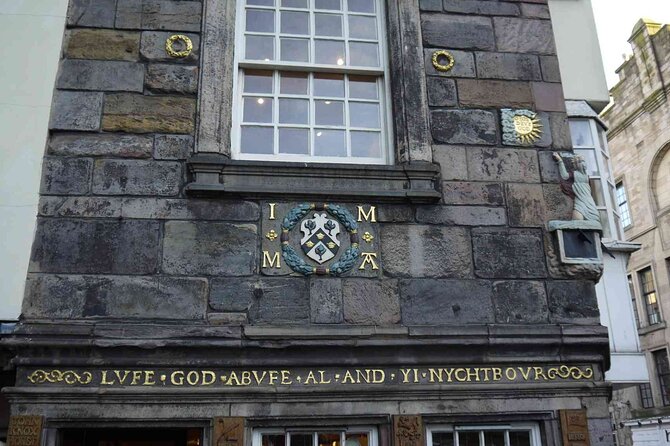
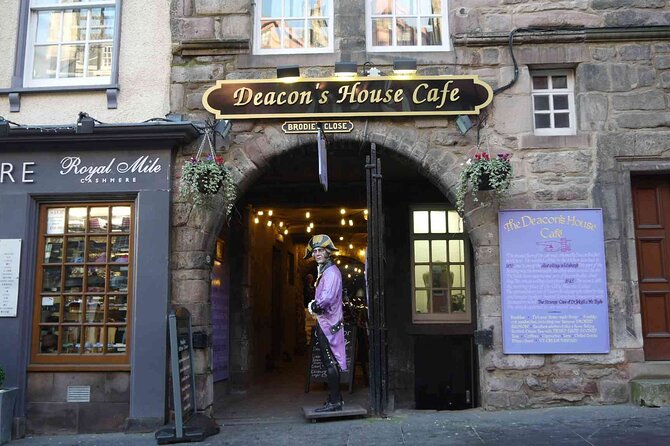
One of the most fun stops on the route is Deacon Brodie’s former residence, the inspiration behind Robert Louis Stevenson’s Dr Jekyll and Mr Hyde. If you like that sort of twist—literary connections to real people—this part is a strong reason to do the audio at all. You’re hearing history, but through a story lens that makes it stick.
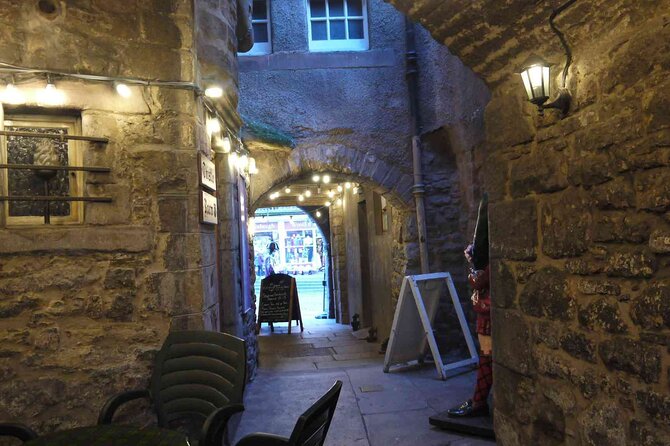
Close by in your walking flow is Old Tolbooth Wynd, where the audio shares its history while you pass through. The “why it matters” here is simple: Edinburgh’s justice and power were often concentrated in small street corners, not just in big monuments. When you hear the context, the architecture and the street layout start feeling less random.
A small drawback to keep in mind: because this is self-guided, you need to pay attention to where you are as you switch between story points. If you constantly stop, turn around, or wander down side streets, you can drift off the audio path. A quick habit—look up, confirm you’re on the main spine, then let the narration resume—keeps things smooth.
St Giles Cathedral: Old Tolbooth, the Heart of Midlothian, and Charles II
You’ll also get a guided-feeling pause around St Giles Cathedral, a hub where multiple layers of Edinburgh life overlap. The audio points out:
- the Old Tolbooth
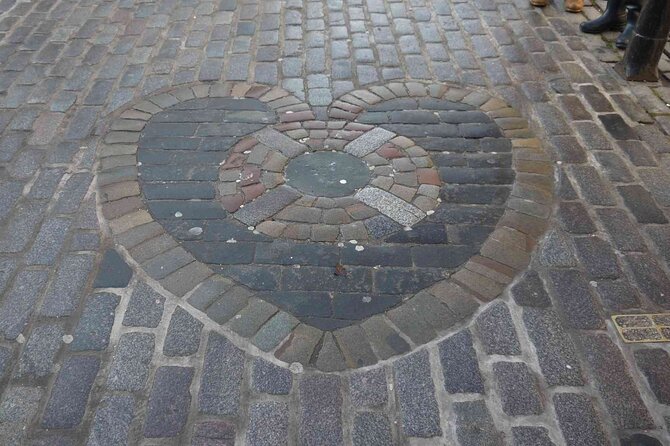
- the Heart of Midlothian mosaic
- a statue of Charles II
This is one of those spots where the street is the stage. Even if you don’t go inside, the area around St Giles gives you anchors: you can look around and connect the physical landmarks to the stories you’re hearing.
Why this is valuable on a self-guided tour: it gives you “anchors” you can revisit with your eyes. Group tours can move fast and you lose the mental map. With an audio tour, you can take a minute to find each listed feature, then keep walking with a clearer sense of where you are in the Old Town.
You can also read our reviews of more tours and experiences in Edinburgh






Mercat Cross Shadows and Tron Kirk Stories
As you continue, the audio shifts into harsher territory. Near the Mercat Cross, you’ll hear about a priest who was pelted to death by an angry mob, along with other terrible deeds carried out in that public space.
The key idea for you here: the Royal Mile’s public squares weren’t just for ceremonies. They were where communities enforced rules, punished dissent, and made examples. Walking through the area while listening helps you understand the street not as scenery, but as a stage for conflict.
Then the audio takes you past the Tron Kirk, where it shares local history as you walk. Even if you don’t stop for a long visit, hearing about the church in context makes the building feel less like background and more like part of how the city worked.
1600s Punishments, Paisley Close, and a Real Sense of Consequences

The narration also includes stories about barbaric punishments meted out to criminals in the 1600s, which gives you a fuller picture of how law and order were enforced. This isn’t the sanitized postcard version of Old Town Edinburgh. It’s the version that explains why people feared public judgment.
At the same time, the audio balances darkness with a human moment: the heartwarming story of a young lad pulled from the rubble of the Paisley Close disaster. That shift matters. It keeps the tour from being only grim spectacle and reminds you that tragedies were also met with courage and community response.
If you’re deciding whether to do the walk now, this balance is a big reason it scores well with people who want both story and pace. You can choose how long you sit with a tough scene, then move on before the emotional weight stacks up.
John Knox to Mary Queen of Scots: Reformation and Royal Tragedy
As you keep moving, the audio includes religious figures and royal events you’ll recognize from Scottish history, including:
- John Knox, a leading figure in the Scottish Protestant Reformation
- the execution of Mary Queen of Scots
This is where the Royal Mile works as an education tool. Instead of reading names out of a book and hoping you connect them to real places, you hear the names while you’re physically walking through the streets where those stories became part of Edinburgh’s identity.
One small caution: because the narration covers heavy topics, this is best when you’re emotionally ready for it. If you want a lighter day, you might choose to speed through the most intense segments and save the details for later when you’re calmer.
Netherbow Port and Canongate Kirk: Leaving the High Street Spine
The audio brings you past Netherbow Port, once a main gate between Edinburgh and Canongate. Gates like this are a useful concept because they explain why cities looked the way they did. They were control points—entry, exit, and boundary—all rolled into a visible structure you can still imagine in place.
Then you’ll hear Canongate Kirk history while you stroll nearby. This part rounds out the experience by shifting away from the tight “main corridor” feeling of the High Street and into the Canongate area, where the Old Town still has a lived-in sense of time layered over daily life.
By the time you’re nearing the finish, you’re not just collecting sights. You’re finishing the story arc that started near Castlehill.
Finishing at Holyroodhouse: Your Royal Mile Story Closes at Canongate
The tour ends at the end of Canongate, in front of the Palace of Holyroodhouse. That’s a strong finish because it makes the walk feel like a complete line: you started at a point tied to Edinburgh’s early, dramatic era, and you end at the seat of royal power.
From a logistics angle, ending near Holyroodhouse is also handy. It gives you options right after the walk—either keep exploring the palace area on your own terms or simply take a break and reset before your next plan.
How to Get the Most Out of the Walk (Without Losing the Thread)
This is built for flexibility, but flexibility requires a little discipline. Here’s how to keep it enjoyable:
- Download offline audio and maps first. Once you’re on the street, you want zero friction.
- Use headphones at a comfortable volume. The Old Town has noise, but you should still catch the story beats.
- Don’t zigzag too far off route. The audio is tied to the walking line through major points.
- Treat shops as scheduled pauses, not detours. If you stop to browse, take a breath, then rejoin when you’re ready.
- Wear shoes you can trust on stone. The Royal Mile is famous for a reason, and cobbles can be a test.
If you want a tour format that lets you set the tempo—move quickly between highlights, slow down for a single landmark, or pause to scan street-level details—this self-guided approach is a good match. If you want a live guide correcting you, pointing out things that aren’t obvious, or organizing museum entries, then you’ll miss that human layer.
Should You Book This Self-Guided Royal Mile Audio Walk?
Book it if you want an independent, story-led way to experience the Royal Mile, with offline VoiceMap support, a route that covers Castlehill to Canongate, and history that includes both famous names and darker street-corner events. It’s also a solid pick if you dislike long group schedules and want room to shop or look around at your own pace.
Skip it if you’re hoping for museum-style guidance or included ticketed entry. You’ll need your own smartphone and headphones, and the audio keeps things outdoors—so you should plan any inside visits separately. If that fits your style, this is a great way to turn a walk into a real sense of place.
FAQ
How long is the Royal Mile audio tour?
The tour is listed as about 1 hour to 1 hour 15 minutes, with the overall walk described as a 45-minute stroll through the Old Town heart.
Where does the tour start and end?
It starts at The Witches Well in Edinburgh (EH1 2ND) and ends at the Palace of Holyroodhouse in Canongate (EH8 8DX).
What language is the audio in?
The tour is offered in English.
What do I need to bring to listen?
You need your own smartphone and headphones. The VoiceMap app provides the audio, and you have offline access to audio, maps, and geodata.
Are museum visits included?
No. The tour does not guide you through museums or other attractions mentioned en route. If you enter places you see, you’ll need to pay independently.
Is this tour refundable if I cancel?
No. It is non-refundable and cannot be changed for any reason.