REVIEW · EDINBURGH
3-Day Speyside Whisky Tour from Edinburgh Including Admissions
Book on Viator →Operated by Rabbies Trail Burners · Bookable on Viator
A good dram, a scenic drive, repeat.
This 3-day Speyside whisky tour is interesting because you’re not just visiting distilleries—you’re also traveling through the Cairngorms and the Spey Valley with a guide who ties whisky to Scottish places and history. I like the 16-seat Mercedes mini-coach, which keeps the group close and the days moving without feeling chaotic. I also like that you stay in Grantown-on-Spey for two nights, so the experience feels like a real base, not nonstop bus time.
There’s one drawback to plan for: your pace can be whisky-heavy. After a few distillery tastings, you may find you’re more interested in the setting and stories than in adding yet another round of samples—so go in ready to take it slow between stops.
In This Review
- Key highlights to look for
- Why Speyside works so well in three days
- Getting rolling from Edinburgh: coach comfort and what to expect
- Day 1: Lindores Abbey, Braemar reset, and the Whisky Castle sampler
- Day 2: Glenlivet originals, Aberlour lunch, Cooperage craft, and Cardhu’s challenge
- Day 3: Dalwhinnie masterclass with chocolate, plus Pitlochry and two riverside town stops
- Grantown-on-Spey basecamp: B&B rhythm, stairs, and your evening plan
- Tastings, admissions, and what to budget beyond the included parts
- Small-group energy: guides, flexibility, and the value of comfort
- Who this tour is for (and who might want a different pace)
- Should you book the 3-Day Speyside Whisky Tour from Edinburgh?
- FAQ
- Where does the tour start and end?
- What time does the tour depart?
- How long is the tour and what’s the overnight setup?
- Are distillery admissions included?
- What’s included in the Glenlivet stop?
- What’s included in the Cardhu experience?
- Is food and drink included?
Key highlights to look for
- Cairngorms scenery with real Speyside timing: Spey River views, lochs, forests, and classic Highands photo stops built into the schedule.
- Five included distillery experiences: Lindores Abbey, Glenlivet, Speyside Cooperage, Cardhu, and Dalwhinnie are part of the package.
- Tastings with structure: Glenlivet’s core range plus site special editions, and Cardhu’s mystery challenge with five whiskies.
- Cooperage as a process stop: Speyside Cooperage shows barrel-making steps that many whisky fans never get to see.
- Comfort + small group: Maximum 16 passengers and a driver-guide approach, so questions don’t get lost.
- Two-night stay in Grantown-on-Spey: easy walking to town, but expect the B&B to be a short walk (and stairs may be part of the deal).
Why Speyside works so well in three days

Speyside is whisky country, but it’s also a pretty specific geography: the Spey River and its valleys, with distilleries spread across small towns and working farmland. In three days, you get the sense of how whisky sits inside everyday Scotland—not just in museums, but in places you can drive past while the guide explains what makes the region tick.
I like that this trip mixes “big-name” stops with craft and production stops. You’re not only tasting; you’re also learning where flavor comes from—especially when the itinerary shifts from distilleries to the Speyside Cooperage, where barrels are still shaped and charred the traditional way. That kind of process stop helps the tastings make more sense, because you can connect what you’re smelling in your glass to what happened earlier in the pipeline.
You can also read our reviews of more tours and experiences in Edinburgh
- 3-Day Isle of Skye Inverness Highlands and Glenfinnan Viaduct Tour from Edinburgh
★ 5.0 · 1,351 reviews
Getting rolling from Edinburgh: coach comfort and what to expect
The tour starts at Edinburgh Bus Station (EH1 3AY) with an 8:45 am departure. Meeting there is convenient if you’re already in central Edinburgh and don’t want to deal with hotel pickup.
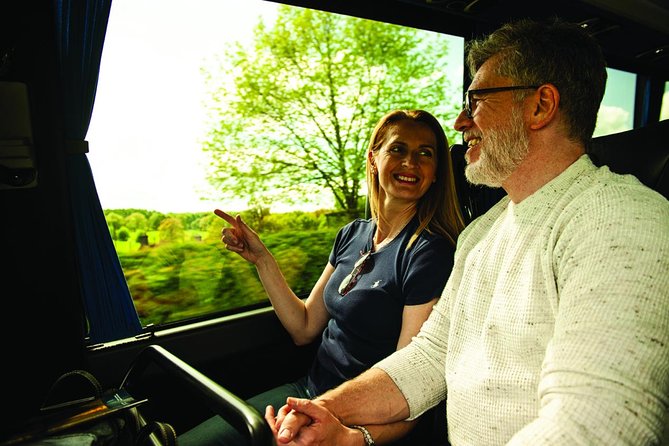
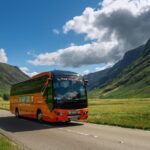
You’ll ride in a 16-seat Mercedes mini-coach, which is a sweet spot: large enough to feel comfortable, small enough that people actually talk to each other during breaks. The coach doesn’t have a restroom on board, so you’ll do roadside stops for that purpose. In practice, this usually means you’re never stuck for hours without breaks—just don’t assume you can wait until the last minute.
Timing matters on tours like this. You’ll be out early, and each day has a mix of driving, scheduled admissions, and short scenic walks. Keep your daypack light and easy to grab. Also, bring what you need for changeable weather—Highlands weather can flip quickly, even when the day looks calm at first.
Day 1: Lindores Abbey, Braemar reset, and the Whisky Castle sampler
Day 1 opens with Lindores Abbey Distillery, and it’s a neat choice because it ties whisky to a very old written mention of the region. You’ll get a modern distillery visit plus a chance to sample there, and the value is that you’re starting with a story-anchor—whisky’s roots, not just the present-day production.
After that, the itinerary moves north toward the Cairngorms National Park with a stop in Braemar. This is your lunch-and-stretch moment. Braemar is also one of those places where you feel the scale of Scotland’s rural roads: you’re driving into something wilder, with big sky and mountain contours showing up more clearly. It’s the right kind of “pause” before the day’s second tastings.
The afternoon stop is The Whisky Castle, a whisky emporium that’s been around for a long time and carries hundreds of malts. Here’s the practical point: this is not included, so it’s more of a pay-as-you-go tasting and browsing stop. If you love wandering and comparing labels, it can be fun. If you’re already full on tastings by the time you get there, treat it as a chance to pick your one or two favorites rather than trying to sample everything.
Possible drawback for Day 1: if you’re the type who gets overwhelmed by crowds inside retail-style whisky stops, the Whisky Castle may feel more like shopping than “touring.” I’d go in with a plan: ask what samples are offered, then choose one tasting experience you truly want.
Day 2: Glenlivet originals, Aberlour lunch, Cooperage craft, and Cardhu’s challenge
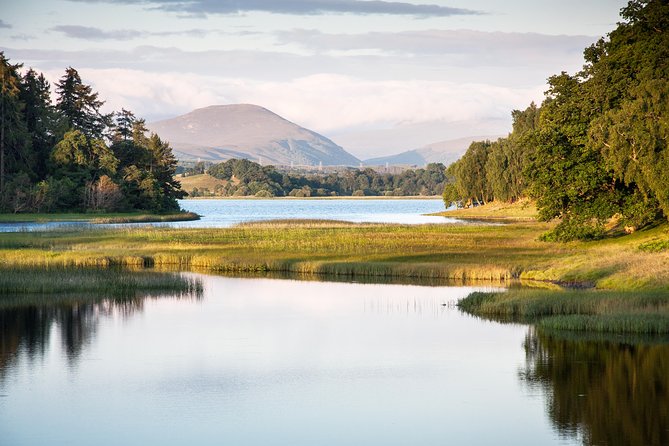
Day 2 is where the tour really proves it understands whisky fans. It starts at Glenlivet Distillery, with the tour and tasting included. You’ll do the Process Room experience and sample three whiskies from the core range plus special editions available on site. That included structure is valuable because it’s not just a generic tasting platter—you get a more guided sense of what Glenlivet does across styles.
Then comes Aberlour for lunch, followed by the Speyside Cooperage Visitor Centre in Craigellachie. I love that this stop shifts your attention from distilling to barrels. Cooperage isn’t the first thing most first-timers think about, but it’s one of the biggest drivers of how whisky changes in the years after distillation. You’ll learn barrel craft steps—from shaping and charring to the working rhythm of cooperage—using traditional methods.
Next is Cardhu Distillery, another strong pick because it brings personality to the brand story. You’ll hear about Helen Cumming and how Cardhu became important in blends. Then you get their mystery whisky challenge, with a distillery tour and a tasting of five whiskies, which is a lot of sampling but also a fun format. The “mystery” part makes you pay attention in a way a basic tasting can’t.
A small reality check for Day 2: you will taste. Plan to hydrate and slow down your sipping. Also, remember that some of the “learning” on whisky tours can happen faster than your palate can process. If you’re the kind of person who takes notes, this is the day to do it.
Possible drawback for Day 2: five whiskies at Cardhu plus the earlier Glenlivet tastings can leave you thinking mostly about flavor rather than details by late afternoon. If you’re not a heavy taster, you might want to pace yourself and ask your guide about which pours are best for beginners.
Day 3: Dalwhinnie masterclass with chocolate, plus Pitlochry and two riverside town stops
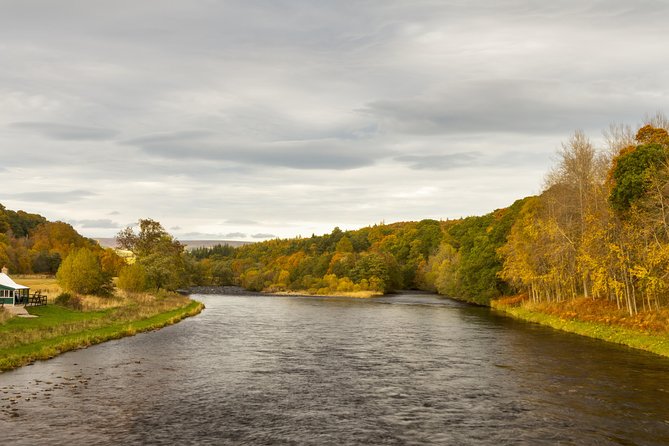
By Day 3, you’re past the beginner stage and into “now I’m noticing differences” territory. The itinerary leans into that with Dalwhinnie Distillery, where you get a special masterclass-style experience: whisky and chocolate tasting, plus a souvenir glass. This is smart value because it’s not just another distillery tour—it’s a pairing that trains your nose and taste buds to connect flavors.
Then the day turns scenic and Victorian for a bit. You drive to Pitlochry for lunch in Perthshire—often called Big Tree Country. It’s a good chance to stop tasting for a moment and reset in a lively small town setting.
After lunch, you head to The Hermitage, where a woodland walk leads to Black Linn Falls. The value here is variety. After two full days of whisky-centered stops, you want fresh air and a walk where your eyes aren’t only scanning labels. Even if you’re not a big walker, this is the kind of stretch that helps you enjoy the rest of the day.
The final town stop is Dunkeld, on the River Tay, with time to explore the cathedral or wander the streets. It’s a pleasant closer because Dunkeld feels different from both Grantown-on-Spey and the distillery towns. You’re thinking about Scotland again, not just whisky.
At the end of the trip, you return to Edinburgh, with Cairngorm Mountains and a view of Balmoral Castle mentioned as part of the drive. That’s the kind of “last wow” that makes the whole arc feel complete: mountains, then whisky country, then back to the city.


Grantown-on-Spey basecamp: B&B rhythm, stairs, and your evening plan

Your base is Grantown-on-Spey, a quaint village along the Speyside malt trail, with two nights of B&B accommodation including breakfast. The key practical benefit is that you’re not bouncing hotels every night. You’ll wake up in the same place, walk into town, and then head out on the coach.
Location-wise, you’ll be walking distance to pubs, cafes, and restaurants. Still, the tour notes that B&Bs are often a 20–30 minute walk from the most convenient dining spots, and lifts won’t be available in these types of properties. If stairs are an issue for you, make that clear when you book so the operator can try to place you in a ground-floor room or a property with lift access.
As for evenings: Grantown is small. That can be perfect if you want quiet nights and an easy stroll back after dinner. But if you’re expecting big nightlife, you may find options limited—especially on quieter days or outside peak season. I’d treat the evenings as relaxed recovery time: a good dinner, maybe one pub stop, then an early bedtime so you can enjoy the next distillery.
One more tip: pack your “town outfit” separately. Distillery days are often damp-cold and full of movement; for dinner, you’ll want something comfortable and warm.
Tastings, admissions, and what to budget beyond the included parts
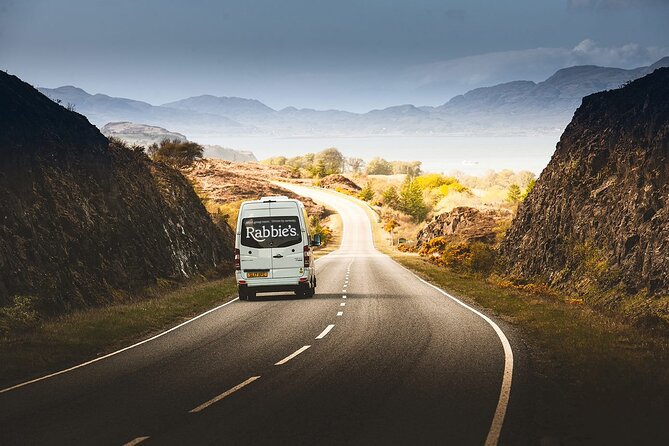
This tour price includes admissions to five distilleries, plus the two-night stay with breakfast, and the coach and guide. That matters because distillery tickets and guided tastings aren’t free, and they’re often timed to the tour schedule. In other words, you’re paying for a planned flow rather than trying to figure out what’s open, what requires booking, and how far apart everything is.
What’s included is clearly part of the “core experience”:
- Lindores Abbey admission and sampling
- Glenlivet original tour and tasting (including core range and special editions)
- Speyside Cooperage visitor centre admission
- Cardhu tour + mystery whisky challenge tasting of five whiskies
- Dalwhinnie whisky and chocolate tasting masterclass + souvenir glass
Not included is food and drinks unless explicitly specified, and the itinerary includes at least one extra-cost stop at The Whisky Castle.
Here’s my straightforward budgeting advice: bring money for lunch and for any optional tastings or add-ons that appear at the stops. Also, if you decide to purchase additional tours or paid experiences on the spot, plan to have UK cash available, because some add-ons may not accept credit cards. Don’t assume payment methods will match what you’re used to in big cities.
And one more sensible move: decide ahead of time what you want from the experience—
- If you want lots of sampling, you’re in the right place.
- If you want deeper attention to fewer whiskies, pace your pours and save your best tasting notes for the included structured experiences.
Small-group energy: guides, flexibility, and the value of comfort
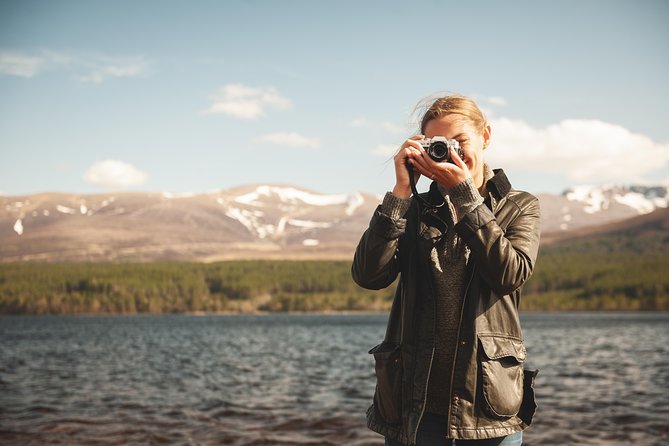
A maximum of 16 passengers keeps this tour from feeling like a cattle call. You’ll get enough time at stops to enjoy the experience, and the coach size helps the guide manage the schedule without losing the group at every turn.
One of the biggest reasons people enjoy Rabbies-style tours is the guide approach. In this kind of operation, different driver-guides bring different flavors of storytelling and humor—names that show up include Keith, Stevie, Dan Young, Barney, and Party Pete—and the theme is consistent: Scottish history comes through during the drives, and the commentary isn’t just facts read off a card. That helps when you’re moving between rural towns and distilleries and the landscape is changing constantly.
Flexibility is also part of the appeal. Some guides have been willing to adjust with extra scenic stops when it fits the schedule, especially when the group is enthusiastic and the timing works. I like this because Scotland rewards good timing: a viewpoint you didn’t plan on can turn into one of your best memories.
Who this tour is for (and who might want a different pace)
This tour fits you best if:
- You love Speyside whisky and want a tight set of distilleries in a short time.
- You like learning how whisky is made, not just collecting bottles. The cooperage stop is a big deal.
- You want scenery in the mix: Spey River valley drives, woodland walks, and river towns.
It may be less ideal if:
- You’re very sensitive to a packed tasting schedule. By Day 2 and especially after Cardhu, you may feel like you’ve hit the limit for sampling.
- You want lots of late-night city energy. Grantown is walkable and charming, but it’s not Edinburgh.
Also, if you’re someone who gets picky about lodge quality, double-check what kind of B&B room you’re booked into and whether stairs are involved. The tour notes that B&Bs often sit on the outskirts of town and lifts may not be available, so plan with that in mind.
Should you book the 3-Day Speyside Whisky Tour from Edinburgh?
Book it if you want a well-paced introduction to Speyside with five included distillery admissions, structured tastings, and a real base in Grantown-on-Spey. I think the best value is the combination: transportation + guide + accommodation + tastings that actually follow a logic from distilling to barrels to flavor.
Hold off or ask extra questions before booking if you:
- Prefer fewer tastings and more time between distilleries
- Have trouble with stairs or need a ground-floor setup
- Want lots of evening entertainment right outside your door
If you’re happy to travel with a small group, sip thoughtfully, and enjoy the countryside as much as the whisky, this is a strong way to experience Scotland’s malt heartland without turning the trip into a logistics project.
FAQ
Where does the tour start and end?
The tour starts at Edinburgh Bus Station (EH1 3AY, UK). It ends back at the meeting point.
What time does the tour depart?
The start time is 8:45 am.
How long is the tour and what’s the overnight setup?
It’s a 3-day tour with two nights’ accommodation in Grantown-on-Spey, including breakfast.
Are distillery admissions included?
Yes. Entry to 5 distilleries is included in the tour price.
What’s included in the Glenlivet stop?
Glenlivet includes an original tour and tasting with three whiskies from the core range plus special editions.
What’s included in the Cardhu experience?
Cardhu includes a mystery whisky challenge experience with a distillery tour and a tasting of five whiskies.
Is food and drink included?
Food and drinks are not included, unless specified as part of an included tasting experience.
You Might Also Enjoy
More 3-Day Experiences in Edinburgh
- 3-Day Isle of Skye Inverness Highlands and Glenfinnan Viaduct Tour from Edinburgh
★ 5.0 · 1,351 reviews