REVIEW · EDINBURGH
From Edinburgh: Isle of Skye & Highlands 3-Day Guided Tour
Book on GetYourGuide →Operated by Highland Experience Tours · Bookable on GetYourGuide
Highlands magic, minus the rental car. Over 3 days, you’ll crisscross Scotland for Eilean Donan Castle and a Loch Ness cruise, plus the big hits around Skye, Culloden, and Urquhart Castle. I also like the small-group feel on many departures, which makes it easier to actually follow your guide’s stories—whether you get someone like Louise or Brodie. One consideration: Skye time is packed, so expect lots of photo stops rather than long, slow wandering.
By the end, you’re not just sightseeing. You’ve got context for what you’re seeing, and a B&B in the Inverness area to reset after long drives. The whole thing feels like a fast, well-run intro to the Scottish Highlands—weather permitting, of course.
In This Review
- Key highlights you’ll actually feel on the trip
- A smooth route from Edinburgh to Skye, Ness, and Inverness
- Day 1: Loch Lomond and the Trossachs before the wild west starts
- Day 2: Rannoch Moor, Glen Coe, and Fort William on the road to Skye
- Isle of Skye time: Eilean Donan, Duntulm ruins, and the hairy coo moment
- Day 3: Loch Ness cruise, Urquhart Castle, Culloden, and Pitlochry
- Loch Ness monster spotting (and the cruise itself)
- Urquhart Castle and the extra boat add-on question
- Culloden Battlefield: the history stop that actually lands
- Pitlochry: the charming counterbalance
- Price and value: what $538 covers, and what you’ll still pay
- Guide quality and small-group energy (Louise, Brodie, Graham, and more)
- Transport comfort, motion sickness, and what to pack for Highland roads
- Inverness B&B stay: breakfast included, and a good place to land
- Weather reality check: winter cruise issues and flexible itinerary days
- Should you book this Skye and Highlands tour?
- FAQ
- How long is the tour?
- Where does the tour start and end?
- What’s included in the price?
- What’s not included?
- Does the tour include a Loch Ness cruise?
- What time does the tour start?
- Is this tour suitable for kids?
- What luggage can I bring?
- Is the tour conducted in English?
- Are there restrooms on the vehicle?
Key highlights you’ll actually feel on the trip
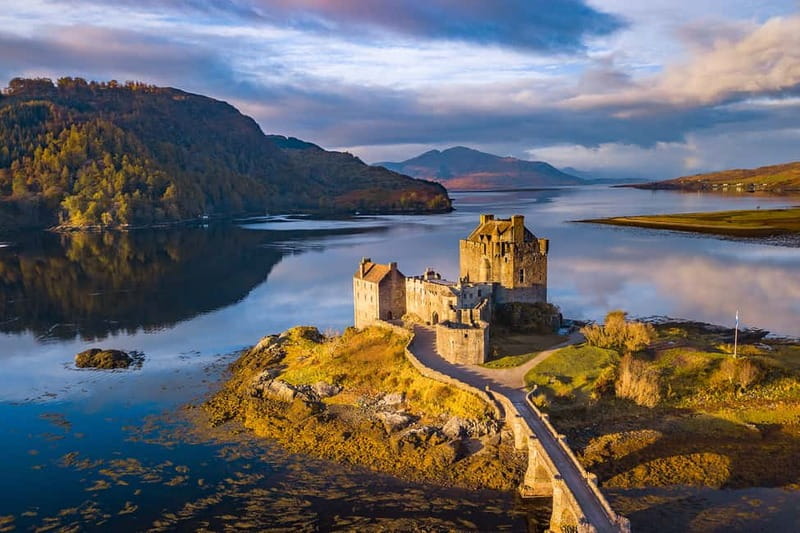
- Eilean Donan Castle: a proper stop with Highland film fame (Highlander) and dramatic water-and-stone views
- Loch Ness cruise time: your chance to scan the water for Nessie and get out on the loch itself
- Isle of Skye day with weather flexibility: guides adjust plans and give you options when clouds roll in
- Culloden Battlefield + Urquhart Castle: history paired with big-location viewpoints
- Rannoch Moor and Glen Coe drive: the long-road Highlands feel that makes the whole week make sense
- Inverness B&B base: breakfast included, plus a real place to decompress at night
A smooth route from Edinburgh to Skye, Ness, and Inverness
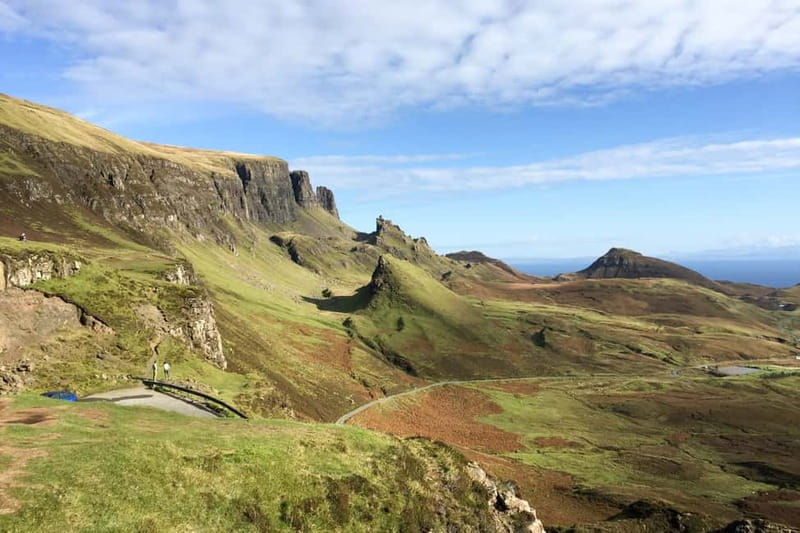
This 3-day guided tour is built for people who want the Highlands without renting a car or wrestling with directions on narrow roads. You’re in transportation for the big stretches, and your English-speaking guide handles the rhythm—where you stop, how long you stay, and what to notice when the scenery changes every few minutes.
The best part is the mix. You get dramatic natural sights (Moorland, glens, the loch), major history stops (Culloden), and the “movie-location” style wow moments (Eilean Donan). It’s not a slow travel plan. It’s a maximum Scotland, guided plan—and it works best if you’re happy to move with the day.
Price-wise, $538 per person can feel like a lot until you break down what’s included. You’re paying for transportation, an English guide, and B&B accommodation with breakfast. You still budget for entrance fees and lunch, but you’re buying convenience and organization, not just a seat on a coach.
You can also read our reviews of more guided tours in Edinburgh
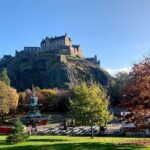
Day 1: Loch Lomond and the Trossachs before the wild west starts
Your first leg takes you into Loch Lomond and the Trossachs National Park. This is a smart warm-up day because it eases you into Highland travel before the sharper drama of Glen Coe and the route west.
What you can expect here is the “classic Scotland” feeling: layered hills, shoreline views, and plenty of chances to step out and reset your legs between drive segments. It’s also the day when you’ll start learning the local connections—why the region looks the way it does, and how the Highlands became the Highlands in stories and history.
If you’re the type who likes a little explanation with your photos, this is where you’ll feel it. A good guide turns roadside stops into something you can remember.
Day 2: Rannoch Moor, Glen Coe, and Fort William on the road to Skye
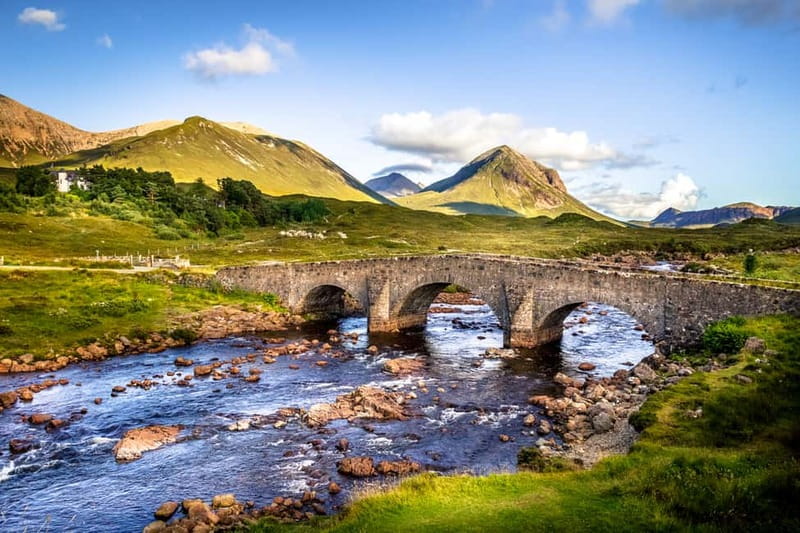
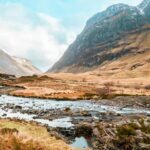
Next, you journey across Rannoch Moor and through Glen Coe. If you’ve seen Highlands photos before, this is where many of them come from. The moor and the glen are the kind of places that look different every few minutes—fog one moment, bright clarity the next—and they’re famous because the land really does deliver.
From there, you reach Fort William and you’ll spend the overnight period in the Inverness area (the plan includes staying overnight in Inverness). Fort William is a useful waypoint city: it gives you a sense of scale and “where you are” while you’re traveling deeper into Highland territory.
This is also where you’ll want to be honest about your comfort. Glen Coe roads can be curvy, and one rider noted motion sickness concerns even when they were prepared. If you’re sensitive, sit toward the front when you can, bring any medication you use, and plan for breaks.
Isle of Skye time: Eilean Donan, Duntulm ruins, and the hairy coo moment
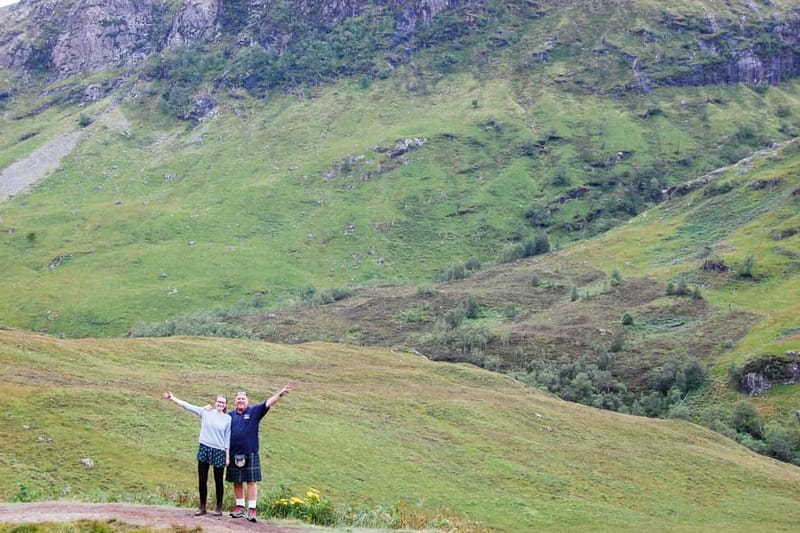
Your Skye day is the day most people remember later. The tour includes major stops that make Skye feel like Skye: Eilean Donan Castle for those instantly recognizable waterside views, plus time to explore around Duntulm and the kind of weather that turns every photo into a mood.
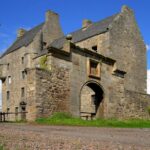
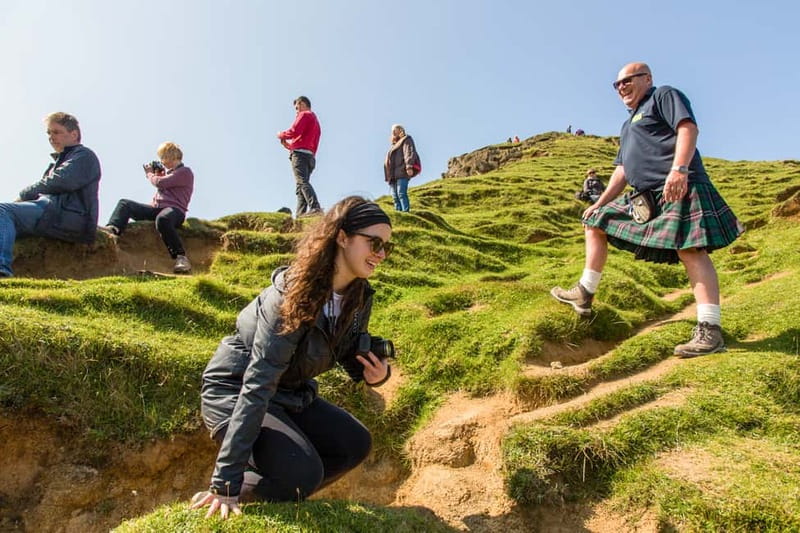
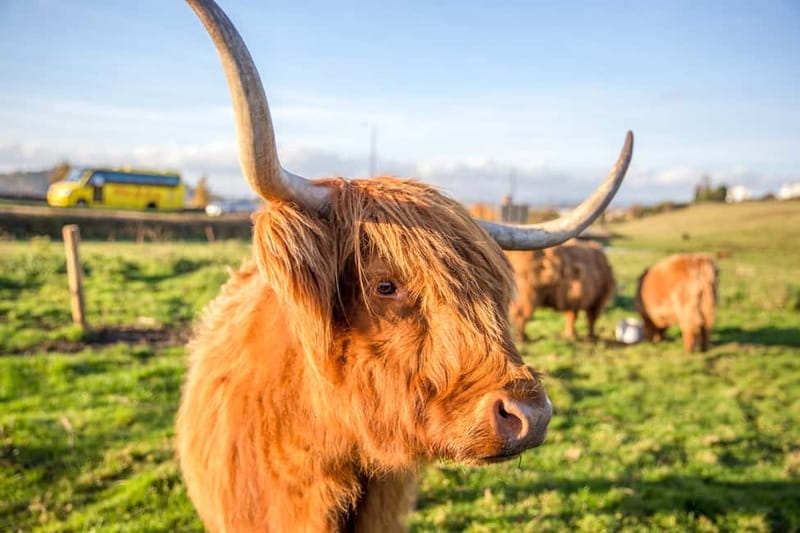
One of the most praised moments in the experience is the Duntulm castle ruins stop, paired with the chance to see and even feed the local hairy coos. It’s playful, a little unexpected, and very Skye—small, hands-on, and memorable in a way that a roadside viewpoint alone can’t do.
You’ll also want to keep an eye out for waterfalls and the standard Skye food stop. A guide-led pause for something as simple as fish and chips can become the “vacation marker” that tells your brain the day is real and you can relax.
A practical note: roads on Skye can be single-lane with small passing pullouts. That doesn’t mean it’s hard—just slower than you might expect. The guide’s job is to keep timing on track so the day still fits.
Day 3: Loch Ness cruise, Urquhart Castle, Culloden, and Pitlochry
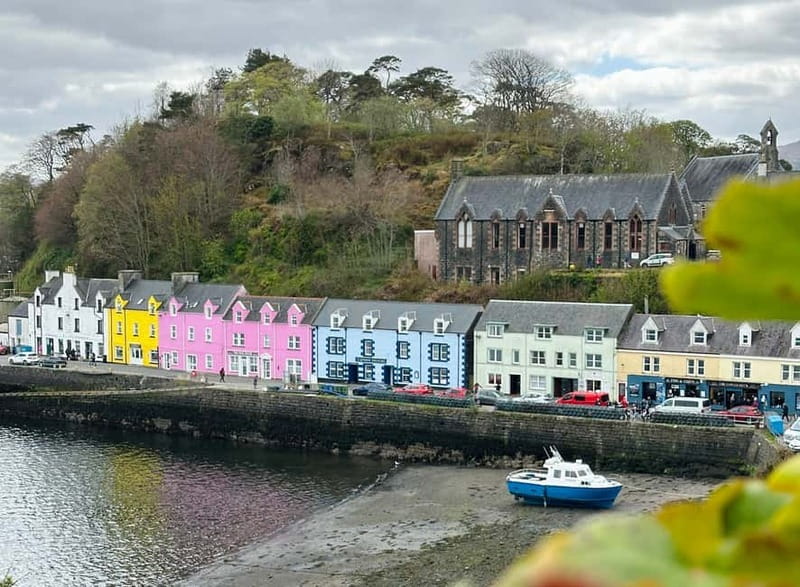
Day three leans heavy on two things: the Loch Ness experience and Scotland’s history.
You can also read our reviews of more tours and experiences in Edinburgh
- 3-Day Isle of Skye Inverness Highlands and Glenfinnan Viaduct Tour from Edinburgh
★ 5.0 · 1,351 reviews
Loch Ness monster spotting (and the cruise itself)
You get a Loch Ness cruise, which is the difference-maker. Looking from the shore is one thing; being out on the loch gives you a better sense of scale and distance, plus more time to scan the water like a proper Nessie detective.
There’s also an important seasonal reality: during winter months, it may not be possible to take the cruise and visit the castle. If that happens, you’ll still get loch views—so you aren’t stuck with nothing. The tour can also adjust the itinerary due to weather or other conditions outside anyone’s control.
Urquhart Castle and the extra boat add-on question
Urquhart Castle is part of the plan, often paired with viewing from the loch. One rider paid for an extra boat excursion to Urquhart Castle and felt it was worthwhile, but not included in the base price. That’s your cue to check what’s included for your specific departure and what might be an optional upgrade.
Culloden Battlefield: the history stop that actually lands
You visit Culloden Battlefield, plus there are standing stones included in the broader sightseeing mix. Even if you’re not a history nerd, Culloden is one of those stops where your guide’s framing matters. The battlefield becomes more than a location—it becomes a story you understand in your body, not just in your head.
Pitlochry: the charming counterbalance
Finally, the day includes time to explore Pitlochry, praised as one of the nicer, more quintessentially Scottish towns on the route. This is the kind of stop that gives you breathing room—shops, streets, and a chance to feel like you’re part of normal life instead of just passing through stops.
Price and value: what $538 covers, and what you’ll still pay
Here’s the value breakdown in plain terms:
Included
- Transportation for the tour route
- Bed and Breakfast accommodation
- English-speaking guide
Not included
- Entrance fees
- Lunch
That matters because several of the headline locations (especially castles and battlefield-related stops) can have ticket costs. If you add entrance fees for multiple attractions plus a couple of lunches, your final day spending can climb quickly.
It can also help to plan for optional add-ons. One rider noted paying extra for a boat excursion to Urquhart Castle. If you love boats and want maximum time at the water, look at the options presented during the tour and decide based on your budget and weather.
Bottom line: $538 is best value when you want the guidance and transportation more than you want to control every detail yourself. If you’re comfortable driving, booking tickets, and building your own route, you might compare costs. But if you’d rather focus on scenery and stories, this is priced like a convenience package with major sights stacked in.
Guide quality and small-group energy (Louise, Brodie, Graham, and more)
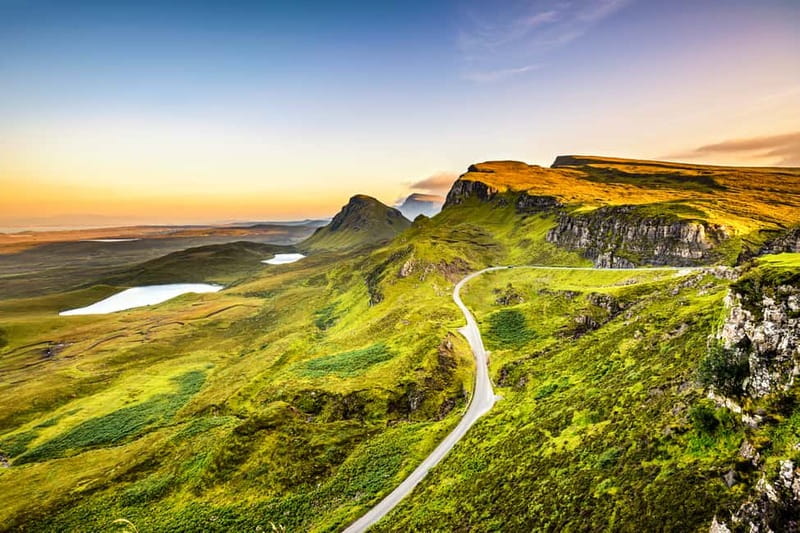
The guide can make or break a tour, and this one draws strong feedback. I’ve seen how much the experience depends on the guide’s tone: keeping the day moving, but also giving you context so the stops feel purposeful.
For example:
- Louise is praised for adjusting well when weather shifts and for offering options about what people want to do.
- Brodie is noted for being personable and for covering a lot of ground with clear explanations.
- Graham gets credit for passion for Scottish history and a sense of humor that keeps the day light, even during the longer driving stretches.
- Jamie is mentioned for pairing sites and stories with related music, which helps your brain remember what you just saw.
Even in a packed schedule, a guide’s storytelling turns a photo stop into a scene. You’re not just collecting locations; you’re building a mental map of how the Highlands fit together.
Transport comfort, motion sickness, and what to pack for Highland roads
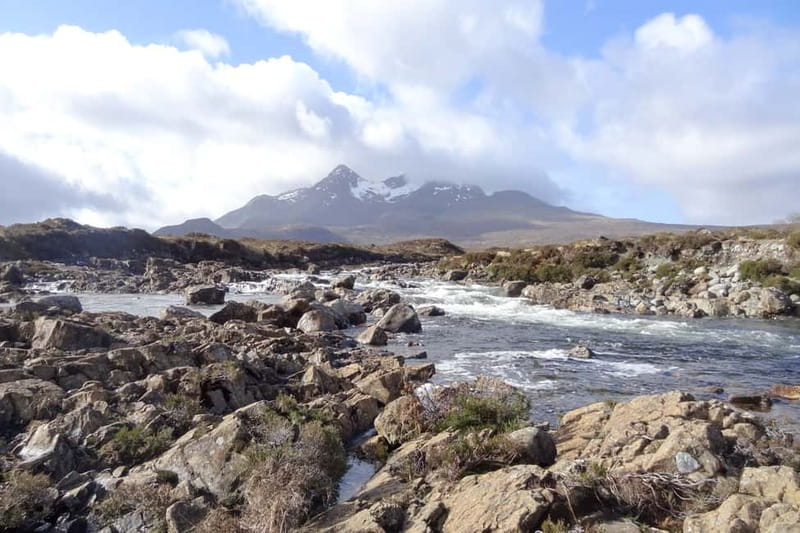
You’ll spend real time in the vehicle, and comfort is worth planning for.
Some practical points from the experience:
- There’s no bathroom on board, but there are many stops along the way.
- Curvy driving (especially around Glen Coe) can trigger motion sickness for some people, even if you’re usually fine.
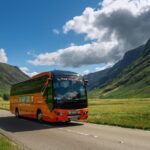
- Many departures feel like a smaller group. One sprinter-bus group was described as about eight people, which often means you hear the guide better and settle into conversations faster.
What I’d pack:
- A rain jacket or waterproof layer. Weather can change quickly.
- A warm layer even when it looks decent outside.
- A hat for wind and sudden drizzle.
- Motion sickness support if you need it (especially if you know this kind of road affects you).
Also double-check luggage. You’re limited to:
- Maximum 15kg
- Max size 55cm x 40cm x 20cm per person
- Plus a small carry on
And if you’re traveling alone, choose the Single Room option, because the tour notes that single travelers may not be accepted without it.
Inverness B&B stay: breakfast included, and a good place to land
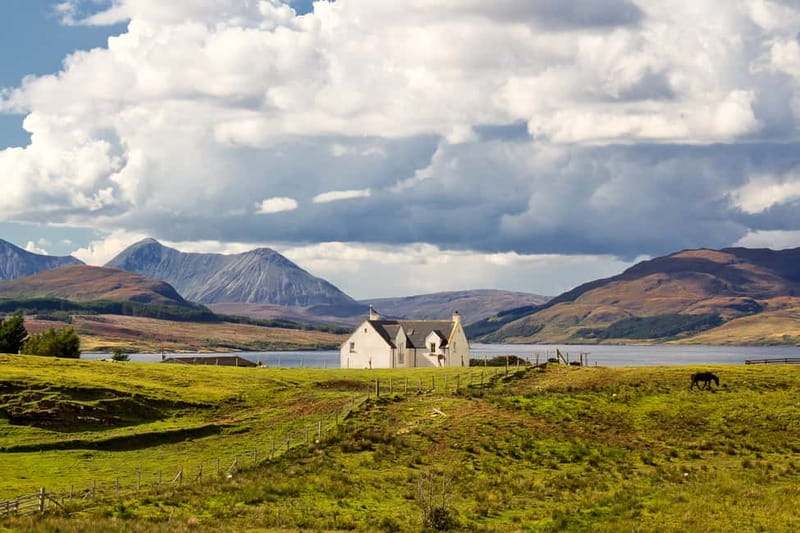
Your accommodation is B&B style, with breakfast included. Inverness is a good base city for this kind of route because it’s a workable “home base” between the dramatic days and the final sightseeing push.
You may stay in different B&Bs depending on the departure, and names mentioned in past stays include places like Andross and Cairn, Ardross, and Bannerman Bed and Breakfast. Across those mentions, the common theme is clean, comfortable rooms and hearty breakfast.
One practical tip from an Inverness dinner experience: book dinner ahead. One rider specifically recommended reservations around 7pm or later.
Weather reality check: winter cruise issues and flexible itinerary days
This tour is designed to handle the Highlands in their actual mood—cloud, mist, wind, and sudden changes in visibility.
Important winter note: during winter months, it may not be possible to take the cruise and visit the castle as planned. Instead, you’ll still take in loch views. Your itinerary can also change due to weather, acts of God, and events out of anyone’s control.
So if your dream photo is dependent on bright sunshine, temper expectations. On the flip side, overcast Skye and moody Loch Ness vibes can be exactly what makes this trip feel legendary.
Should you book this Skye and Highlands tour?
Book it if:
- You want a guided Highlands intro with major sights stacked into 3 days
- You don’t want the hassle of driving and ticket planning
- You enjoy history stops like Culloden alongside the big scenic hits
- You’re okay with a schedule that prioritizes seeing a lot over slow hiking
Skip it (or choose a longer trip) if:
- You want lots of uninterrupted time for long walks and deeper hikes on Skye
- You get motion sickness easily and don’t want curvy-road risk
- You prefer to control every stop and how long you stay at each one
If you fit the first group, this is a strong value way to see the Highlands without turning your trip into a logistics project. Just pack for rain, keep your schedule flexible, and enjoy the fact that someone else is doing the hard work of stitching the day together.
FAQ
How long is the tour?
It runs for 3 days.
Where does the tour start and end?
It starts at a meeting point that may vary by the option booked and ends back at the same meeting point.
What’s included in the price?
The tour includes transportation, bed and breakfast accommodation, and an English-speaking guide.
What’s not included?
Entrance fees and lunch are not included.
Does the tour include a Loch Ness cruise?
It includes a Loch Ness cruise when conditions allow. During winter months, it may not be possible, and you’ll still get loch views.
What time does the tour start?
Starting times can vary, depending on availability and the option booked.
Is this tour suitable for kids?
The tour does not accept children under age 3. Children age 3 and above are accepted with valid proof of age.
What luggage can I bring?
Maximum weight is 15kg, and the max size is 55cm x 40cm x 20cm per person, plus a small carry on.
Is the tour conducted in English?
Yes, the guide is English-speaking.
Are there restrooms on the vehicle?
One review notes there are no bathrooms on board, but there are many stops during the day.