REVIEW · GLASGOW
Glasgow: City, Green spaces and Clyde Bridges Bike Tour
Book on GetYourGuide →Operated by Glasgow Bike Tours · Bookable on GetYourGuide
Glasgow looks better from a bike seat. I love how this ride strings together green space, River Clyde landmarks, and West End streets in one smooth loop. The big downside: it’s a real cycling tour, so if you’re not comfortable riding for the full stretch, it won’t feel relaxing.
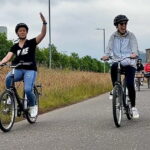
I also like the small-group feel, limited to 10 people, which means the guide can answer questions while you move. You’re on a refurbished Postie bike with a helmet, and you get a local guide who keeps things practical as well as scenic. Still, weather can change fast here, so plan on dressing for wind and rain instead of hoping for a perfect day.
If you want a quick hit of classic Glasgow—parks, bridges, and grand buildings—this is a strong match. You’ll start and finish at Drygate, where you can grab a drink or bite before you head back out.
In This Review
- Key highlights and what makes them worth your time
- Glasgow Bike Tour Basics: Postie Bikes, Helmets, and a 10-Person Group
- Starting at Drygate: Brewery Energy and a Glasgow Treat
- Glasgow Green Stops: People’s Palace and the Doulton Fountain
- Along the River Clyde: Squiggly and Squinty Bridge Photos
- Post-Industrial River Highlights: Armadillo, Riverside Museum, Distillery, Glenlee
- West End Flow: Kelvingrove Park and Glasgow University Quadrangle
- Returning Through Canal Paths to Glasgow Cathedral and Necropolis
- Price and Value for a 3-Hour Guided Ride
- Who Should Ride This Glasgow Route (and Who Should Skip It)
- Should You Book This Glasgow Bike Tour?
- FAQ
- How long is the Glasgow City, Green spaces and Clyde Bridges Bike Tour?
- Where does the tour start and end?
- Is a bike and helmet included?
- What is the group size?
- Does the tour include electric bikes?
- What languages is the tour guide available in?
- Is this tour suitable for children?
- What should I bring for the tour?
Key highlights and what makes them worth your time
- Drygate start with a local micro-brewery vibe and a included Glasgow treat
- Glasgow Green stops, including People’s Palace and the Doulton Fountain
- River Clyde bridge views along the waterfront, including the Squiggly and Squinty bridges
- Big cultural stops in the West End: Kelvingrove Park and Glasgow University grounds
- Photo-and-history payoff at Glasgow Cathedral and the Necropolis near the end of the ride
- All the gear handled: bike, helmet, and free secure parking included
Glasgow Bike Tour Basics: Postie Bikes, Helmets, and a 10-Person Group
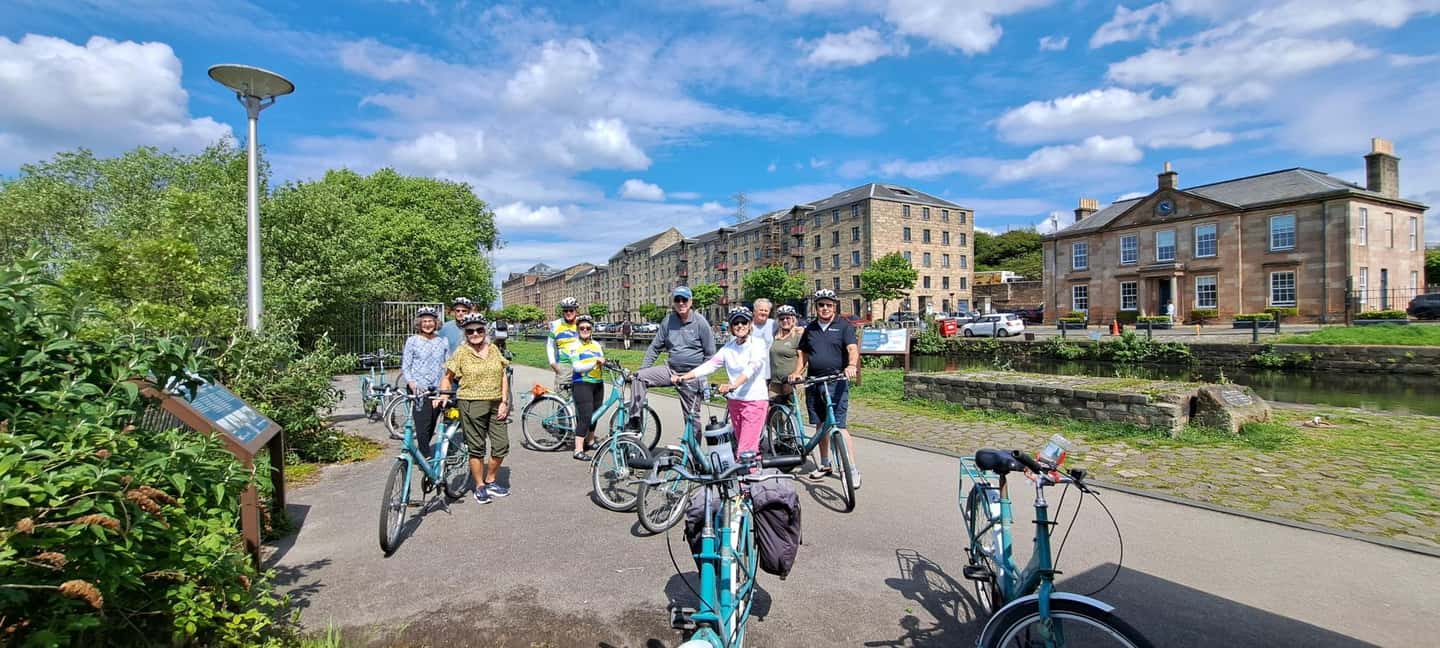
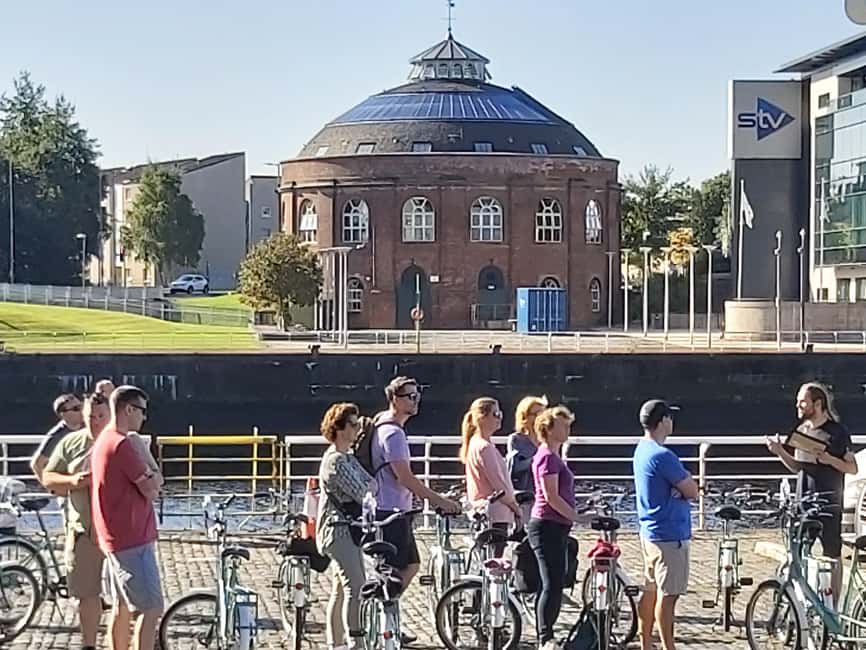
This is built for people who want to see more than they can cover on foot, without turning the day into a sprint. You ride a refurbished Postie bike, wear a helmet (included), and follow a live guide who keeps the pace friendly for a group of up to 10. For a 3-hour tour, that small size matters. You can actually hear the explanations, and you’re not dodging a long conga line of strangers every time you stop.
The cycling level is “comfortable with cycling,” not “race fit.” If you can ride a bike without fighting for balance, you’ll be fine. Just don’t expect electric-bike help, because electric bikes aren’t included. That’s the one line you should read twice if you’re unsure about hills, stamina, or stopping often.
Because the route mixes parks, riverfront sections, and city streets, your legs get a bit of everything. I like that variety. It keeps the ride from feeling like one long stretch of pavement, and it also means you’ll see Glasgow’s main faces: the greenery, the waterfront industry, and the grand institutions.
You can also read our reviews of more cycling tours in Glasgow
Starting at Drygate: Brewery Energy and a Glasgow Treat
Your day begins at Drygate, right as you walk through the large gates into Drygate’s outdoor eating area. It’s a smart way to start, because Drygate feels like a living part of modern Glasgow, not just a stop on the way to the “real sights.” You’ll meet your guide there, get set up, and then roll out with the group.
One of the included perks is a famous Glasgow treat. Even if you’re not the type to chase snacks, it’s a nice break-in-the-ride moment. It also helps that the tour ends back at the same place, so you can wrap up with something familiar and easy to find after you’re done pedaling.
Don’t underestimate the value of free secure parking either. Even if you’re not driving, it’s a sign the operator is thinking about logistics and keeping the start/finish area organized. In a city where plans can shift quickly, that kind of simplicity is reassuring.
Glasgow Green Stops: People’s Palace and the Doulton Fountain
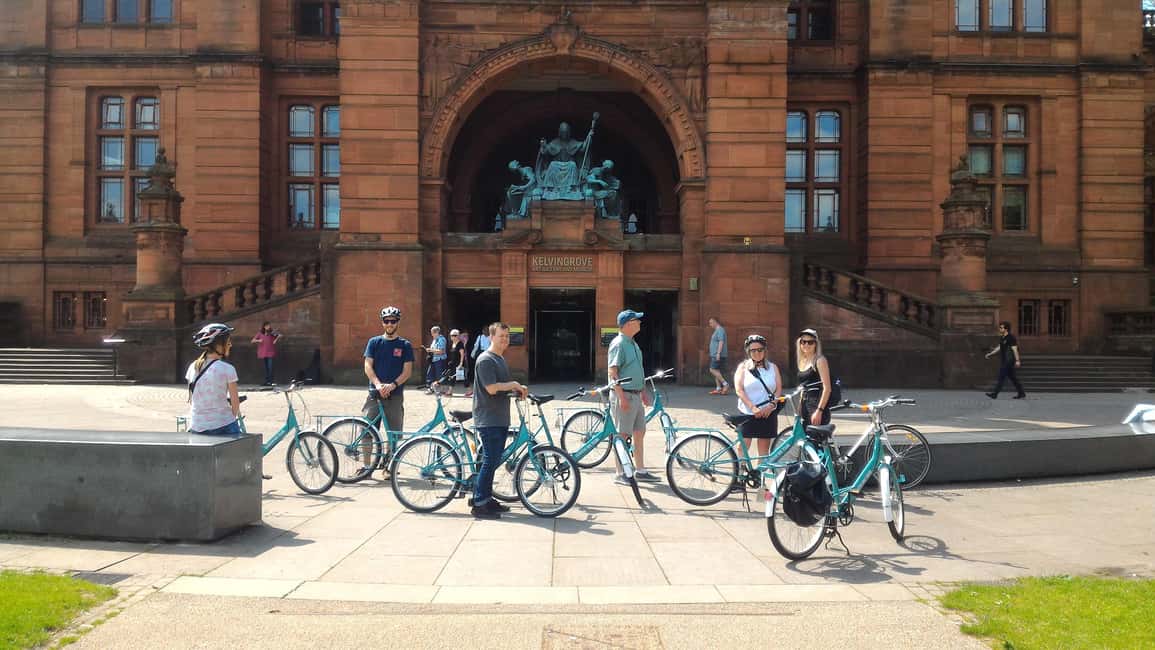
The early rhythm of the tour is all about getting your bearings and easing into the city’s character. You pedal through Glasgow Green, and it’s a great first chunk because it’s open, leafy, and a little less hectic than the street grid.
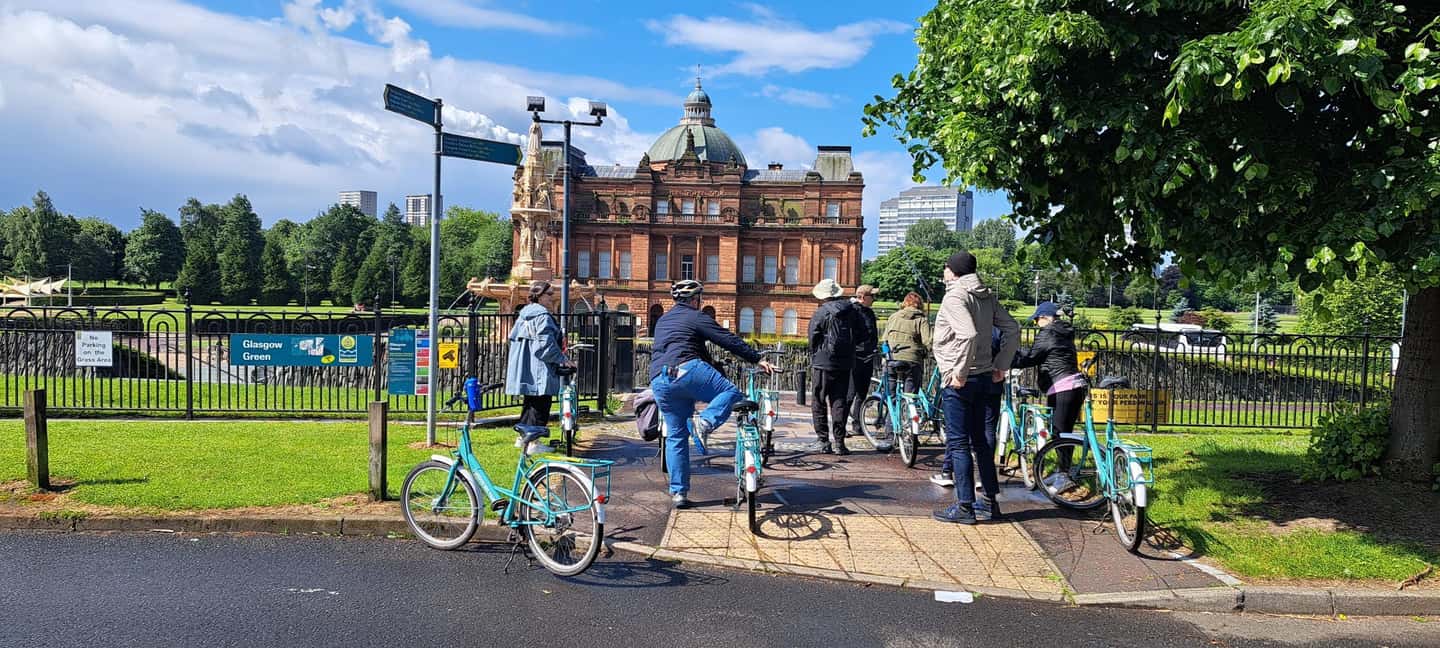
A highlight here is the People’s Palace. It’s the kind of stop that works well on a bike tour because you get a sense of the place without turning your ride into a museum marathon. Next comes the Doulton Fountain. This is the sort of detail you might miss if you were just passing through. A guide helps you notice what matters, and you also learn how these features fit into the broader Glasgow story of public spaces and civic pride.
One thing I appreciate: the tour doesn’t just drop landmarks in front of you. It connects them. Glasgow Green sets a tone of public space, and then you move onward toward the river and the city’s big architectural contrasts.
If you like photographing details—stonework, fountains, and building edges—this section gives you plenty to shoot without feeling like you’re stopping every ten minutes.
Along the River Clyde: Squiggly and Squinty Bridge Photos
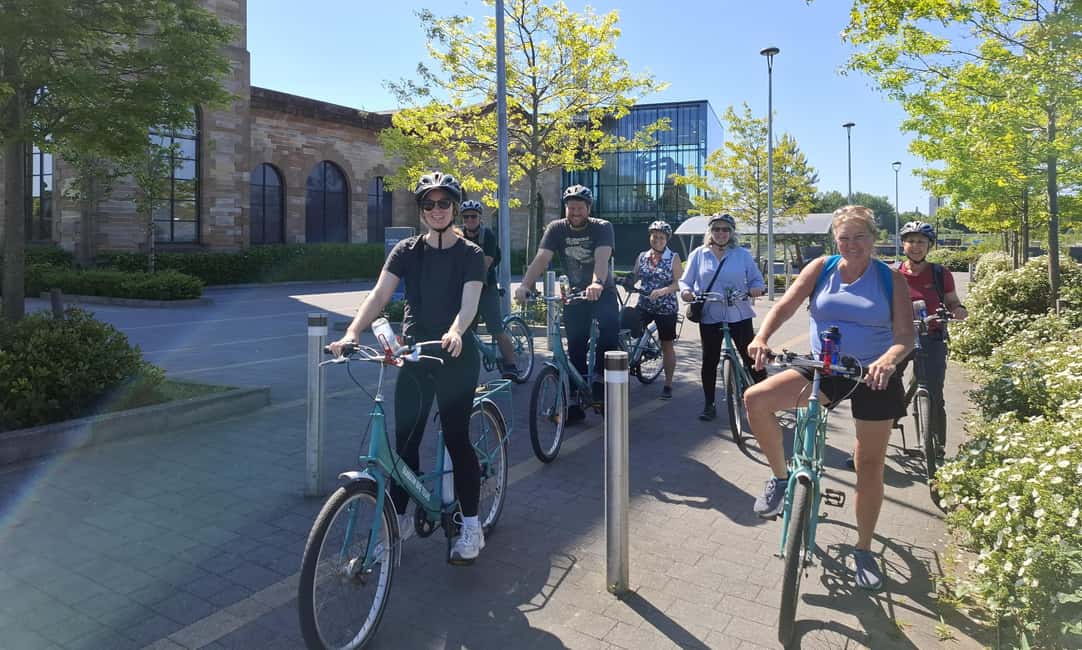
Then you shift gears. You cycle along the river Clyde waterfront, and the views start doing the heavy lifting. This is where Glasgow changes from “parks and people” to “industry and architecture,” with post-industrial buildings and striking Victorian sandstone along the way.
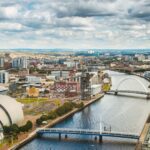
The standout visual moment is the sequence of iconic bridges. You’ll pass the Squiggly and Squinty bridges, which are famous for their distinct shapes. Even if you’ve only seen pictures, being there in person is different. From the bike, you get a moving perspective—one that feels natural for catching the full effect.
You also cross some of the bridges as part of the route, so you get that “on both sides of the river” feeling. For me, that’s one of the smartest ways to understand a waterfront city quickly. You don’t just look at the river; you travel with it.
In this stretch, the guide’s job is especially useful. These structures are visually bold, but their context helps them click. You’ll get cultural highlights tied to what you’re seeing, so the ride feels like more than sightseeing.
Practical note: keep your camera ready, but don’t hold it up while you’re pedaling hard. Take the shot when you’re stopped or moving slowly. The ride is scenic, not a highway.
Post-Industrial River Highlights: Armadillo, Riverside Museum, Distillery, Glenlee
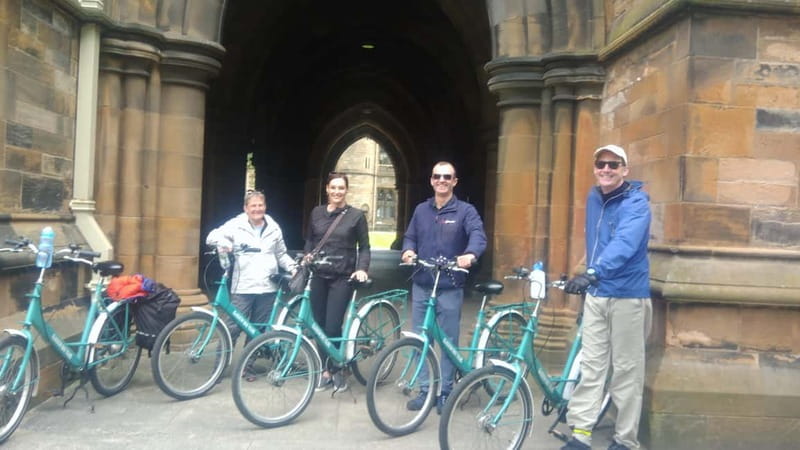
After the bridge views, you move through a run of major waterfront culture stops. The Armadillo and the Rotundas are part of this area, and they add a contemporary, playful contrast to the older stone buildings you saw earlier. This is Glasgow showing off its mix of eras instead of smoothing them into one uniform style.
Next up, you get to the Riverside Museum. It’s a natural highlight on a bike tour because it’s built into the waterfront flow. You don’t have to guess where to look; the guide brings you through the right streets and positions you near key vantage points.
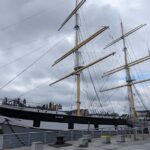
The tour also includes the Clydeside Distillery and the Glenlee Tall Ship. This pairing is great because it covers both “making” and “maritime identity.” If you like the idea of understanding a city’s work as part of its culture, this stretch is for you. Tall ship presence brings a sense of scale, while the distillery connects Glasgow to craft and production.
You’ll feel a shift in the ride here. It gets more visual and a touch more “stop-and-look.” That’s normal, and it’s why this tour works well as a 3-hour experience. You’re not meant to rush through every stop. You’re meant to see enough, learn enough, and leave with a clearer mental map.
If the day is windy, this river section can feel cooler. Dress accordingly, and bring water even if you’re not thirsty yet.
You can also read our reviews of more city tours in Glasgow

West End Flow: Kelvingrove Park and Glasgow University Quadrangle
Once you turn toward the West End, Glasgow turns more leafy and polished. This is where the tour earns its “city and green spaces” label in a big way. You pedal through Kelvingrove Park, and it’s the kind of area where the city feels like it can breathe. It also gives you a breather from waterfront wind.
Kelvingrove Art Gallery is included here, and it fits the flow perfectly. On a bike tour, you don’t want to spend hours inside unless you’re already planning a museum day. This stop works because you get the sense of the place and the surrounding setting without turning your ride into a ticket line.
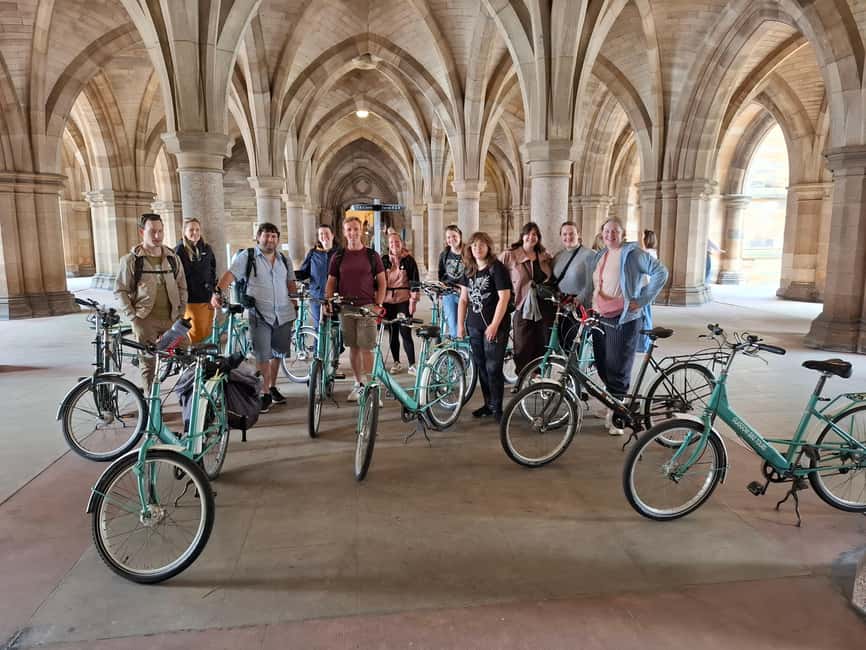
Then comes Glasgow University. You’ll head through the Glasgow University Quadrangle and Cloisters. These spaces tend to feel dramatic even from the outside, and on a bike tour you get a nice sense of how the institution anchors the neighborhood. The guide’s explanations help you connect architectural style to place and purpose, instead of just naming buildings.
I like this part of the tour because it shows a different side of Glasgow. The city isn’t only bridges and rivers. It also has a scholarly, formal side—clear in how the University grounds are laid out and how the buildings frame walkways and courtyards.
If you want your photos to include both greenery and grand stone, this is your biggest photo payoff window.
Returning Through Canal Paths to Glasgow Cathedral and Necropolis
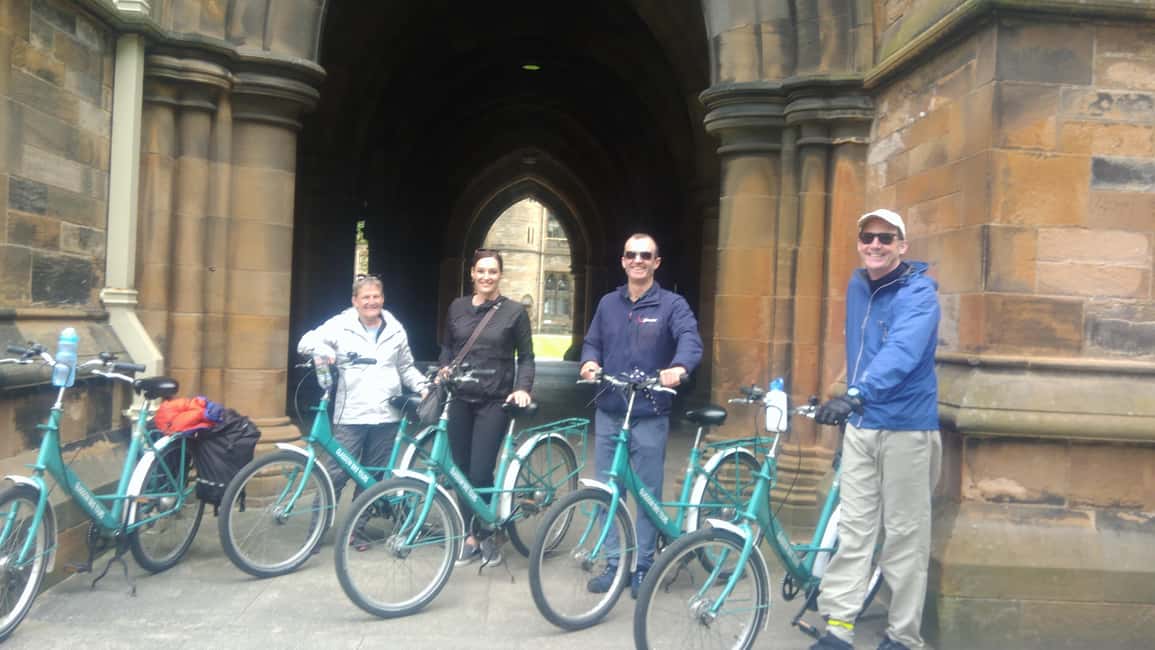
On the return, the route shifts again. You go via cycleways and canals—described as beautifully sleepy cycleways—so it feels calmer than the riverfront sprint. This is where your energy level matters. By now, you’ve seen the major icons, and you’re transitioning from “big wow stops” to a gentler ride back toward the city center.
Glasgow Cathedral and the Necropolis are part of the wrap-up, and they’re worth planning for. Even if you’ve never visited before, they’re the kind of landmarks that give you a strong final impression of Glasgow’s scale and story. The Necropolis especially adds drama because it’s not just a building; it’s a whole setting.
The tour ends back at Drygate, but your last landmark moments are tied to the Cathedral and Necropolis area near the finish point. It’s a satisfying way to close: you don’t end on another generic street corner. You end near an atmospheric piece of Glasgow.
If you’re thinking about food afterward, you’re in a good spot. The start and finish location being Drygate means you can keep the day’s momentum without searching for a place to eat from scratch.
Price and Value for a 3-Hour Guided Ride
At about $80 per person for roughly 3 hours, this sits in the “worth it if you want a guided route” category. Bike tours cost more than renting a bike on your own, but this one covers the stuff that usually adds up: bike, helmet, a local guide, and free secure parking. You also get a famous Glasgow treat, which feels small until you’re hungry and relieved it’s already handled.
The small group size (limited to 10 participants) is part of the value. With fewer people, you get better interaction with the guide and more time at stops to look around. That matters at places like the bridges, where the best photos depend on timing and where you stand.
The biggest value switch to watch: this is not a private tour, and electric bikes aren’t included. If you need one-on-one attention or assistance with cycling, you may have to choose a different option or plan other transport. But if you’re a confident cyclist, the standard setup is a good match.
From a planning perspective, the 3-hour duration is ideal for people with limited time. It’s long enough to cover real neighborhoods and major landmarks, yet short enough that you’ll still have energy for dinner or a second activity afterward.
Who Should Ride This Glasgow Route (and Who Should Skip It)
You’ll probably love this tour if you:
- enjoy cycling and want a guided route instead of guessing where to go
- want a quick mix of green space, waterfront landmarks, and iconic buildings
- like learning from a guide while you’re moving, not only while standing still
You might skip it if:
- you can’t ride a bike or you’re not comfortable cycling through the full ride
- you’re bringing a child (it’s not suitable for children under 12)
- you need accessibility accommodations beyond what the tour offers (it’s not suitable for visually impaired people, and there are height limits)
Also, the weather in Glasgow can be unpredictable. Even if you pack well, your comfort on the ride will depend on wind and rain. You’ll be happiest if you dress for that reality instead of planning for perfect conditions.
Should You Book This Glasgow Bike Tour?
If your goal is to get Glasgow’s main highlights in one efficient morning or afternoon, I think this is a good bet. The route covers the city in a way that feels logical: start at Drygate, ease through Glasgow Green, chase the River Clyde bridges, then move into the West End with Kelvingrove Park and Glasgow University, and close near Glasgow Cathedral and the Necropolis.
Book it if you want a guided experience with the hard parts handled (bike, helmet, guide, secure parking). Consider alternatives if you need an electric bike or you’re uncertain about your cycling comfort. For most visitors who can ride, this is a fun, practical way to see more than you could cover on foot, while still getting time to look closely.
FAQ
How long is the Glasgow City, Green spaces and Clyde Bridges Bike Tour?
It runs for 3 hours.
Where does the tour start and end?
The tour starts and ends back at Drygate.
Is a bike and helmet included?
Yes. The tour includes a refurbished Postie bike and a helmet.
What is the group size?
It’s a small group limited to 10 participants.
Does the tour include electric bikes?
No. Electric bikes are not included.
What languages is the tour guide available in?
The live tour guide is in English.
Is this tour suitable for children?
No. It’s not suitable for children under 12, and there are also height restrictions (under 4 ft 8 in / 145 cm).
What should I bring for the tour?
Bring comfortable shoes, a camera, water, and weather-appropriate clothing.