REVIEW · EDINBURGH
Scottish Highlands 4-Day Castle Tour From Edinburgh
Book on GetYourGuide →Operated by Rabbie's Small Group Tours · Bookable on GetYourGuide
Edinburgh feels like the launch pad for a whole different Scotland. This 4-day small-group tour strings together major castles and a few “how is this still standing?” ruins, then adds a whisky tasting in Speyside. You get comfy, window-on-the-world travel in a luxury Mercedes mini-coach with time to wander, not just pose in a parking lot.
I particularly like the way the itinerary balances well-known sites with places that feel like you’ve stepped into a story—Mary Queen of Scots at Falkland Palace, plus the eerie draw of Crathes Castle. The other big win for me is the built-in mix of castles + meaning, from Culloden’s visitor centre and battlefield to the craft of whisky at Cardhu. The main drawback to weigh is that the days are packed, so you’ll want comfortable shoes and you’ll spend plenty of time on the road.
In This Review
- Key Things I’d Make Sure You Notice
- A Small-Group Castle Route That Keeps Scotland Feeling Real
- Day 1: Falkland Palace, St Andrews, and Dunnottar’s Cliff Views
- Falkland Palace: more than pretty stone
- St Andrews: cobblestones, university age, and a lunch stop
- Dunnottar Castle: cliff-top ruins with a postcard payoff
- Day 2: Royal Deeside Castles, Castle Fraser Gardens, and Crathes’s Haunted Reputation
- Castle Fraser: the Scottish tower-house with garden payoff
- Ballater: a royal-associated lunch stop
- Crathes Castle: fairytale vibes with a darker edge
- The June Borders view moments
- Day 3: Fyvie Castle, Elgin Cathedral Carvings, and Culloden’s Visitor Centre
- Fyvie Castle: arms, armor, and tapestries
- Elgin Cathedral: Pictish stone and the feel of ruins
- Culloden: the last battle on British soil
- Day 4: Cardhu Whisky, Ruthven Barracks, and Blair Castle’s Ballroom of Antlers
- Cardhu Distillery: Helen Cumming and a Flavour Journey tasting
- Kingussie quick stop: Ruthven Barracks
- Blair Castle: history plus a ballroom featuring 175 antlers
- Perthshire return: woodlands, towns, and back to Edinburgh
- What’s Included Changes How You Feel About the Trip
- Price and Value: Is $1,010 Worth It?
- Lodging Style: En Suite Rooms, Small B&Bs, and Walkable Reality
- Pacing, Weather, and the Stuff You’ll Actually Need
- Who Should Book This Tour (and Who Might Not)
- Should You Book? My Honest Take
- FAQ
- Where is the tour based, and where does it start?
- How many people are on the tour?
- Is the tour guide English-speaking?
- What’s included in the price?
- Are meals included?
- How much luggage can I bring?
- What time do we return to Edinburgh on the last day?
- Can children join the tour?
Key Things I’d Make Sure You Notice
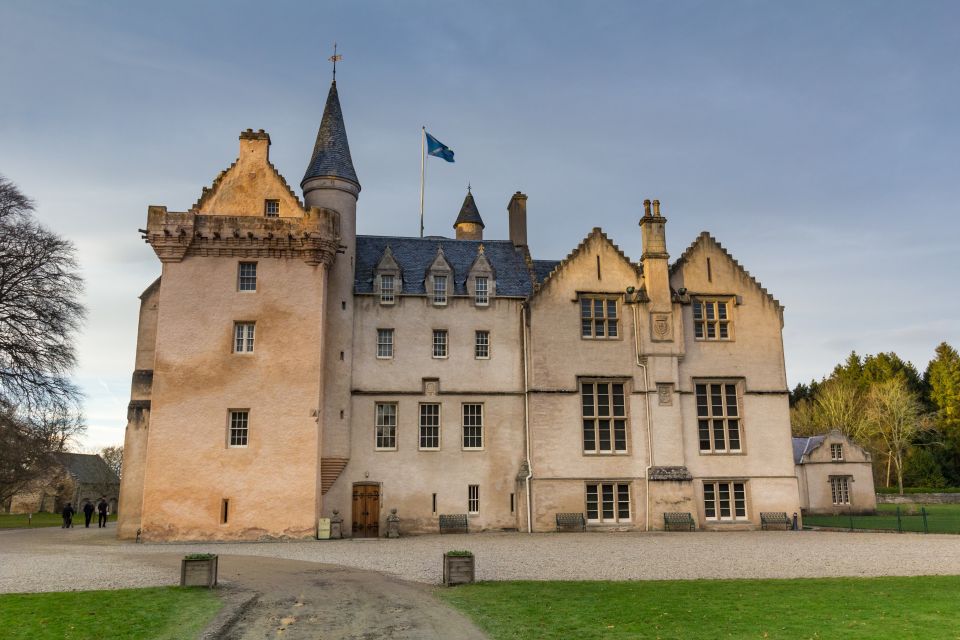
- Falkland Palace’s tennis connection: Mary Queen of Scots played tennis on the world’s oldest court.
- Crathes Castle’s house-and-gardens time: you get free wandering, so you can go at your own pace.
- Culloden’s “last stand” context: the battlefield visit is paired with the visitor centre and museum.
- Fyvie Castle’s collection stops: arms, armor, and 17th-century tapestries are part of the visit.
- Cardhu whisky with a guided tasting: you don’t just watch distilling—you take part in a Flavour Journey tasting.
A Small-Group Castle Route That Keeps Scotland Feeling Real
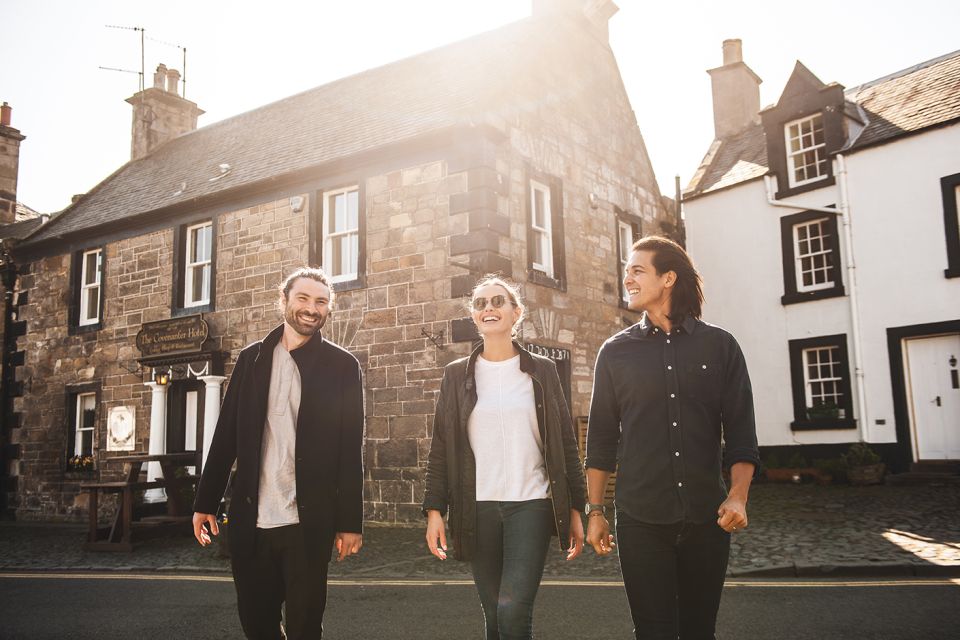
This tour is built for people who want Scotland’s castle drama, but don’t want to spend the whole trip staring at a timetable. With a maximum group size of 16, you’re less likely to feel rushed or lost in a crowd, and the driver/guide can shape the flow when roads or timing get tricky.
It’s also a smart route from Edinburgh: you head north, then slowly work your way back south, hitting standout sites in Aberdeenshire, Speyside, and the Highlands. You’re not bouncing randomly—you’re tracing a theme: royal power, clan conflict, and everyday craft like whisky.
You can also read our reviews of more tours and experiences in Edinburgh
Day 1: Falkland Palace, St Andrews, and Dunnottar’s Cliff Views
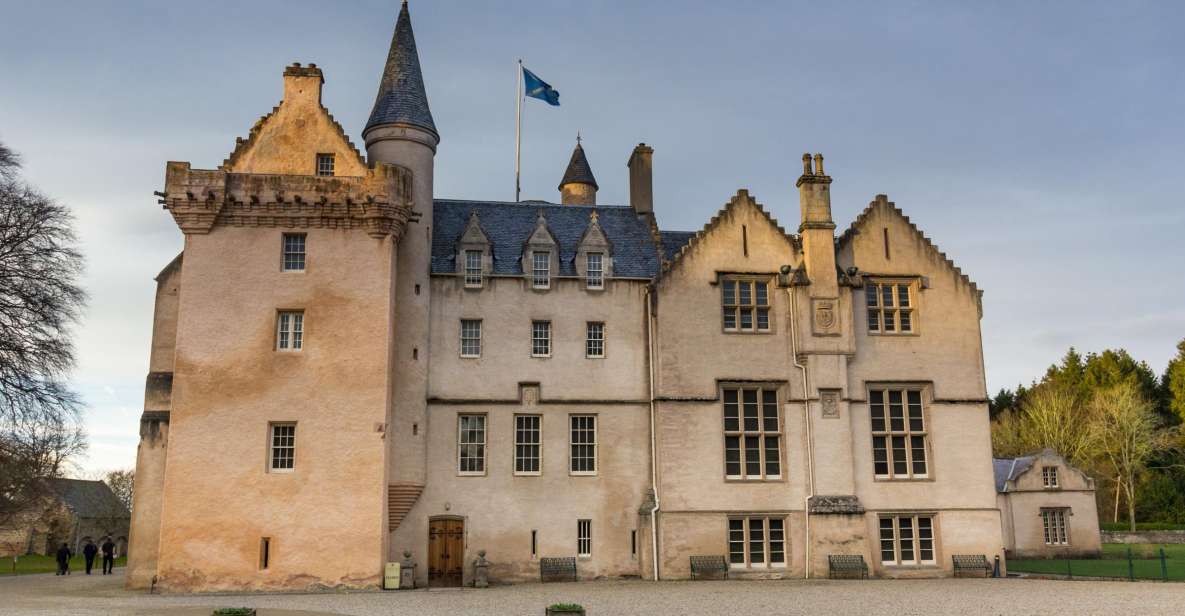
Day 1 starts with an easy-to-follow sense of direction out of Edinburgh. You cross the Queensferry Crossing, then move into the Kingdom of Fife, which sets a calm stage before the bigger castle days begin. If you like your sightseeing to feel like a journey (not a series of checkboxes), this opening works.
Falkland Palace: more than pretty stone
Falkland Palace is one of those places where the details make it click. You’ll tour the palace grounds and rooms, then you’ll learn about its royal past as a hunting lodge. One highlight is the tennis story: Mary Queen of Scots played tennis on the world’s oldest court there. It’s odd in the best way—human scale inside big palace power.
You also get a chance to see the medieval village area that shows up in Outlander. Even if you’re not a fan of the show, it helps you understand how Scotland’s past gets used in modern storytelling—costumes and all.
St Andrews: cobblestones, university age, and a lunch stop
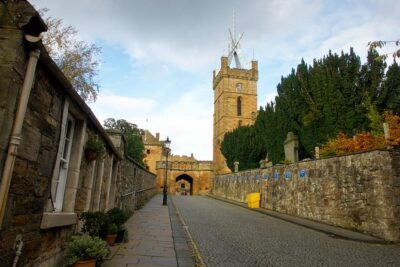
After Falkland Palace, you head to St Andrews for lunch and wandering. The old cobblestone streets and the presence of an ancient university create a very different feel from palace grounds—more living, less staged.
One practical note: this is a town day element, so wear shoes you can walk in for real. St Andrews rewards you for wandering slowly, not power-walking.
Dunnottar Castle: cliff-top ruins with a postcard payoff
Dunnottar Castle is the kind of place that makes you stop talking and just look. It sits on a dramatic cliff-top ruin, and it’s famous for the views you only get when the land itself does the heavy lifting. You’ll have time to photograph, but also time to simply stand there and take it in.
The drawback? Ruins can mean uneven ground and wind. Bring waterproof layers even if the forecast looks friendly, and keep your footing in mind.
You finish the day in Aberdeen, so you get a proper overnight base rather than constant “move to a new town every night” logistics.



Day 2: Royal Deeside Castles, Castle Fraser Gardens, and Crathes’s Haunted Reputation
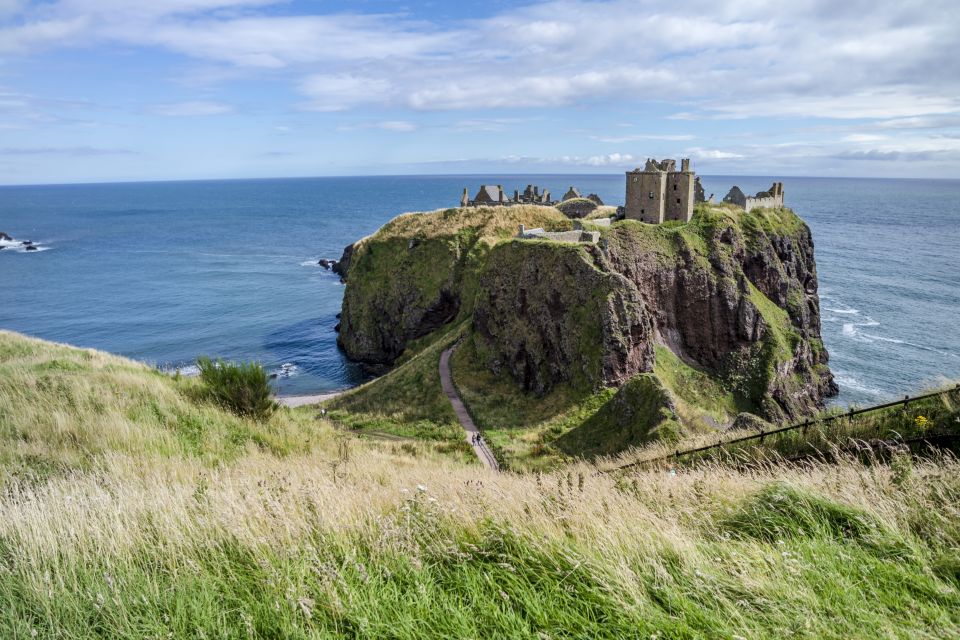
Day 2 leans into Royal Deeside, an area known for castles and grand estates. The tone is more refined than Day 1, with gardens and royal-linked towns added into the mix. You still get castle time, but the focus shifts toward beauty you can stroll through.
Castle Fraser: the Scottish tower-house with garden payoff
Castle Fraser is a grand Scottish tower house, and it’s easy to see why it’s such a draw. You’ll get inside access, then you’ll spend time in the 18th-century walled garden.
For me, that garden is more than a pretty break. It’s a chance to reset your eyes and your legs between bigger castle structures—plus gardens are where you start noticing landscape design that’s meant to be walked, not just photographed.
Ballater: a royal-associated lunch stop
Ballater is where the itinerary gives you a proper lunch break while keeping the “royal” theme running. You’ll have time to stop for lunch, then transition back to more castle-focused sightseeing.
If you’re the type who hates rushed meals, this pacing is helpful: you’re not thrown out of the vehicle and expected to eat at the curb.
Crathes Castle: fairytale vibes with a darker edge
Crathes Castle is the kind of fortress that feels like it should come with a soundtrack. You’ll tour the house and gardens, and you’ll hear about its mysterious and haunted history—part of its appeal is how that story sits alongside the architecture.
You also get freedom to wander through the property yourself. That’s a big deal in castle tours, because the best parts often aren’t the scripted photo spots. If you want to slow down, this stop gives you permission.
The June Borders view moments
The day includes a drive through the June Borders area, with stunning castle views along the way. You might not spend hours on the roadside here, but these are the moments that make a castle tour feel like a journey through a living region.
Overnight again in Aberdeen means you can recover without packing up.
Day 3: Fyvie Castle, Elgin Cathedral Carvings, and Culloden’s Visitor Centre
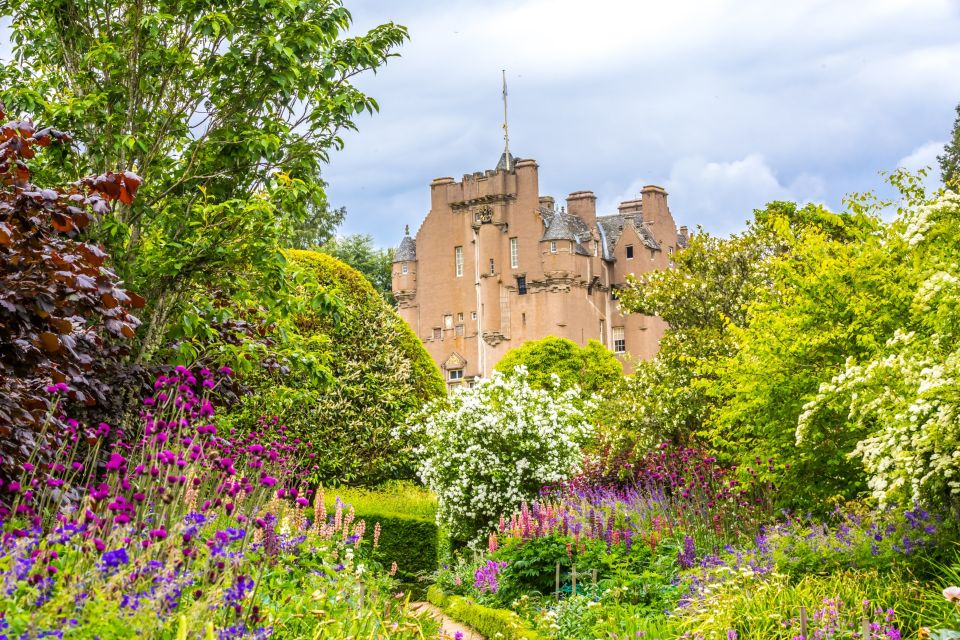
Day 3 has a heavier emotional tone, and the itinerary handles that well. It starts with Fyvie Castle, then moves into Elgin, and ends at Culloden Battlefield—Britain’s last land-fought battle linked to the Jacobite Rising.
Fyvie Castle: arms, armor, and tapestries
Fyvie Castle dates back to the 13th century, and it’s a stop built for people who like specific collections. In the visit, you’ll see arms and armor, plus 17th-century tapestries. That mixture helps the castle feel functional, not only ornamental.
If your travel style is hands-on and detailed, this is a day that rewards you. You’ll likely spend extra time reading displays because the items connect to real political and social life.
Elgin Cathedral: Pictish stone and the feel of ruins
After lunch in Elgin, you’ll visit the ruined Elgin Cathedral. The draw here is the intricately carved Pictish stone—evidence of earlier cultures layered into Scotland’s story.
Ruins can be tough if you want “perfect walls” only. But if you like understanding how time changes buildings, this stop is powerful because it shows what remains, not what was lost.
Culloden: the last battle on British soil
Culloden Battlefield is the end point for the Jacobite Rising, and you’ll visit the visitor centre and museum as well as the battlefield. This pairing matters. The museum-like context helps you place what you’re seeing on the ground, and then the battlefield walk adds weight.
You’ll walk through the tragic landscape and honor those who fell in the last battle on British soil. Even if you’re not a history fanatic, it helps to slow your pace here. It’s the kind of stop where your respect and attention matter more than the photo.
You overnight in Nairn, which is a nice break from the intensity of back-to-back interiors.
Day 4: Cardhu Whisky, Ruthven Barracks, and Blair Castle’s Ballroom of Antlers
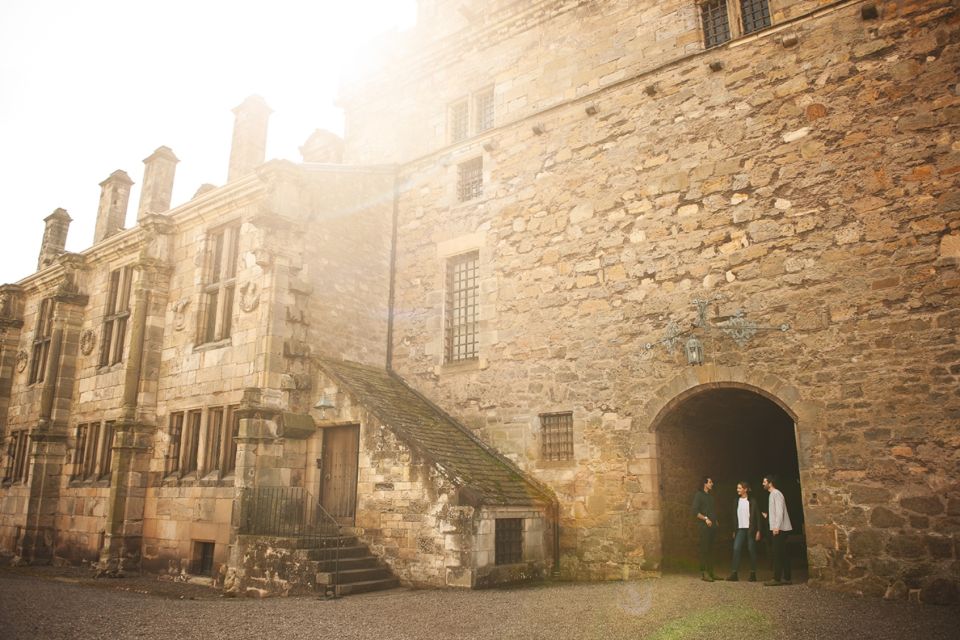
Day 4 is the “now for something different” day, mixing whisky and big manor-style grandeur. It also marks your southbound return route toward Edinburgh, usually with a final finish around 18:30.
Cardhu Distillery: Helen Cumming and a Flavour Journey tasting
Cardhu is a pioneering distillery, and the story includes Helen Cumming. You’ll join a Flavour Journey tour and tasting, which is a practical way to learn what whisky makers care about beyond brand names.
This is especially good if you’ve never done a whisky tasting before. Instead of random sips, you’re guided through what you’re tasting and why it matters, so you can leave with a sense of flavor and not just a souvenir bottle.
Kingussie quick stop: Ruthven Barracks
You pass Kingussie and make a quick stop at Ruthven Barracks. It’s brief, but barracks sites add texture to the Highlands story you started at Culloden. This is one of those moments where a short stop still adds meaning.
Blair Castle: history plus a ballroom featuring 175 antlers
Then comes Blair Castle, one of Scotland’s heavyweight castles. The tour includes a ballroom featuring 175 antlers, which is an immediately memorable detail. You’ll also spend time in the 9-acre Georgian garden.
That combination matters: the ballroom gives you the spectacle of aristocratic display, while the garden gives you space to breathe before the long ride back.
Perthshire return: woodlands, towns, and back to Edinburgh
On the way back you travel through Perthshire’s lush woodlands and picturesque towns. You’ll have lunch during this stretch, and then you return to Edinburgh over the Firth of Forth in the evening.
What’s Included Changes How You Feel About the Trip
A lot of “castle tours” only include transport. This one includes admission to multiple major sites, plus the Cardhu distillery experience, which reduces the usual hassle of paying for each ticket separately.
You can count on included entrances at:
- Falkland Palace
- Castle Fraser
- Crathes Castle
- Fyvie Castle
- Culloden Visitor Centre, Museum & Battlefield
- Blair Castle and Garden
- Cardhu Distillery Flavour Journey and tasting
That’s not just convenience. Admissions are where tours often slow down your day. Having them built in means you can keep momentum and spend your mental energy on the places themselves.
Transport also helps. You ride in a luxury 16-seat Mercedes mini-coach, which is a sweet spot: big enough for comfort, small enough that you’re not constantly negotiating crowded aisle space. Your driver/guide is with you, and the tour runs in English, which matters when you want context for what you’re looking at.
Price and Value: Is $1,010 Worth It?
At $1,010 per person for 4 days, this isn’t a bargain-basement tour. But the price looks more reasonable when you factor in what you’re not paying for.
Here’s the value equation I’d use:
- You’re paying for transportation and a small-group guide across multiple days of north-and-south driving.
- You’re covering admission to several major castles plus Culloden and Blair, not just one or two.
- You’re covering a distillery tour and tasting at Cardhu, which usually costs more than people expect once you compare independent visits.
- You also get 3 nights of bed and breakfast, which is part of the total value.
Where the price can feel tough is in what’s not included: meals and refreshments aren’t part of the package. Lunches are in the itinerary, but you’ll be making those choices and paying separately. If you’re someone who wants included meals, you’ll need to plan your budget.
Bottom line: I think this is good value if you want structured access, included sites, and a driver/guide who helps you understand what you’re seeing.
Lodging Style: En Suite Rooms, Small B&Bs, and Walkable Reality
The overnight stays are in small, locally owned guesthouses and B&Bs. All rooms are en suite, and you’ll get bed and breakfast for 3 nights. That’s a real comfort win after long driving days.
Here’s the practical catch: B&Bs are typically on the outskirts of towns. That can mean a 20–30 minute walk to reach pubs or restaurants. If you like going out at night, plan for that walking time.
Also, lifts are not available in these types of properties, and some places may involve stairs. If that’s an issue for you, you should flag it before you go.
One encouraging note from past guests: the lodging and hosts have been described as very good and super welcoming. That kind of local hospitality often makes these tours feel less like a factory route and more like being looked after.
Pacing, Weather, and the Stuff You’ll Actually Need
This tour is scenic and memorable, but it moves. You’ll see a lot, which means you should treat the itinerary like a full sightseeing program, not casual touring.
Bring:
- Comfortable shoes with solid grip
- Comfortable clothes you can layer
- Waterproof clothing and a willingness to expect wet weather
A luggage limit is also enforced: 20 kilograms (44 lbs) per person, intended as one main piece like an airline carry-on plus a small onboard personal item. If you travel light, you’ll feel fine. If you travel with a lot of gear, you might feel constrained.
Finally, you’ll return to Edinburgh on Day 4 at approximately 18:30, so you’ll want to keep your evening plans flexible.
Who Should Book This Tour (and Who Might Not)
This tour fits best if you:
- Want castle-heavy days with meaningful context, not just photo stops
- Enjoy gardens, architecture, and interior museum displays
- Care about a guided whisky tasting with a structured experience at Cardhu
- Like the comfort of a small group and a luxury coach
You might want to look elsewhere if you:
- Hate long days on the road
- Need included meals every day
- Have difficulty with stairs, since B&Bs may not have lifts
- Travel with more luggage than 20 kilograms per person
If you’re traveling with kids, note that children under 5 are not included. Also, children under 18 need to be accompanied by an adult.
Should You Book? My Honest Take
If you want a well-rounded Highlands-focused trip with real castle access, Culloden context, and a guided Speyside whisky tasting, this is a strong pick. The small-group size, the included admissions, and the bed-and-breakfast setup make it feel organized without feeling rigid.
I’d book it if you can handle a packed itinerary and you’re ready for walking at sites like Dunnottar and in towns like St Andrews. I’d hesitate only if you strongly prefer slower days, fully included meals, or you’re sensitive to stairs and walking distances from your B&B.
FAQ
Where is the tour based, and where does it start?
The tour is from Edinburgh, and the meeting point may vary depending on the option booked.
How many people are on the tour?
It’s a small group with a maximum of 16 participants.
Is the tour guide English-speaking?
Yes, the live tour guide speaks English.
What’s included in the price?
Included are luxury tour transport (a 16-seat Mercedes mini-coach), the driver/guide, 3 nights of bed and breakfast, admissions to the listed castles and sites, and the Flavour Journey tour and tasting at Cardhu Distillery.
Are meals included?
Meals are not included, and refreshments are not included unless specified. Lunches are part of the itinerary timing, but you’ll be paying for food.
How much luggage can I bring?
You’re restricted to 20 kilograms (44 lbs) of luggage per person on the tours, intended as one main piece plus a small bag for personal items.
What time do we return to Edinburgh on the last day?
On Day 4, you return to Edinburgh at approximately 18:30.
Can children join the tour?
Children under 5 cannot join. Children under 18 must be accompanied by an adult.
If you want, tell me your travel dates and what kind of castle visitor you are (photos only vs. rooms and displays), and I’ll help you decide if this pacing is a good fit.