REVIEW · EDINBURGH
Edinburgh: Royal Mile Scottish Enlightenment Walking Tour
Book on GetYourGuide →Operated by Walking Tours Edinburgh · Bookable on GetYourGuide
Statues explain how Scotland got smarter. This 2.5-hour Royal Mile walk turns Edinburgh Old Town landmarks into a story of how Scotland rose from near collapse to an intellectual hub, with American connections woven in along the way.
I love how the guide brings famous figures to life, including the amusing side of big ideas. I also like the pacing: mostly comfortable Old Town walking, then a real payoff climb up Calton Hill.
The main drawback is physical: the group walks fairly quickly and you will eventually climb, so it is not the right fit if you have mobility or breathing concerns.
In This Review
- Key Points at a Glance
- From St Giles Cathedral to the Royal Mile: the tour’s smart opening
- Old Town landmarks and the famous people behind the ideas
- Culloden and the Enlightenment: why a brutal battle fits this story
- What you learn on this walk: philosophy, economics, literature, and more
- The Calton Hill finish: good views, real stairs, and a smart reset
- Price and value: what $33 buys you in 2.5 hours
- Who should book this Scottish Enlightenment walk
- Should you book this Edinburgh Royal Mile Enlightenment tour?
- FAQ
- Where does the tour start?
- How long is the walk?
- Is the tour guided in English?
- Are there translated materials?
- Are there toilet stops during the tour?
- Is it suitable for young children?
Key Points at a Glance
- Start at St Giles Cathedral and set the Enlightenment story in motion right away
- Old Town statues and landmarks become a timeline, with personality, not just dates
- Culloden is used as a turning point, with stark numbers and surprising links
- Topics stay readable: philosophy, economics, literature, education, medicine, and architecture
- Finish on Calton Hill so you can keep exploring at your own pace
From St Giles Cathedral to the Royal Mile: the tour’s smart opening
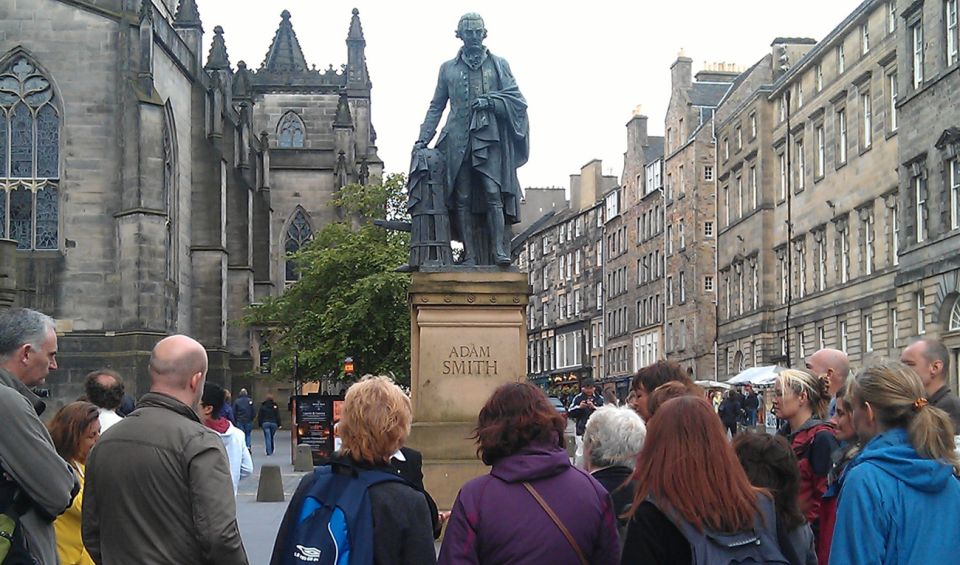
The meeting point is right where many first-time visitors start making sense of Edinburgh: St Giles Cathedral, in front of the entrance at West Parliament Square. Starting here matters. It anchors you in the real civic heartbeat of the Old Town before you hop from statue to statue.
What you’re really doing on this tour is learning how Scotland formed an outsized impact on Europe. You also get the less tidy version of that story. Instead of pretending Enlightenment ideas appeared out of thin air, the walk frames them as something Scotland built while still dealing with instability and hard choices.
And yes, there’s humor. More than once, the tour nudges you to see that the people behind the ideas were not cut-out-from-a-monument types.
You can also read our reviews of more walking tours in Edinburgh


Old Town landmarks and the famous people behind the ideas
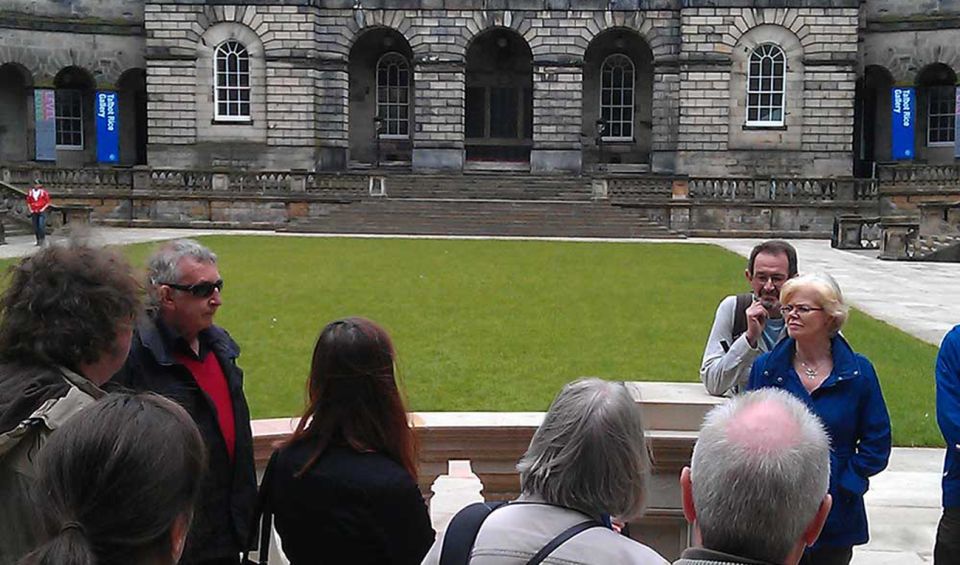
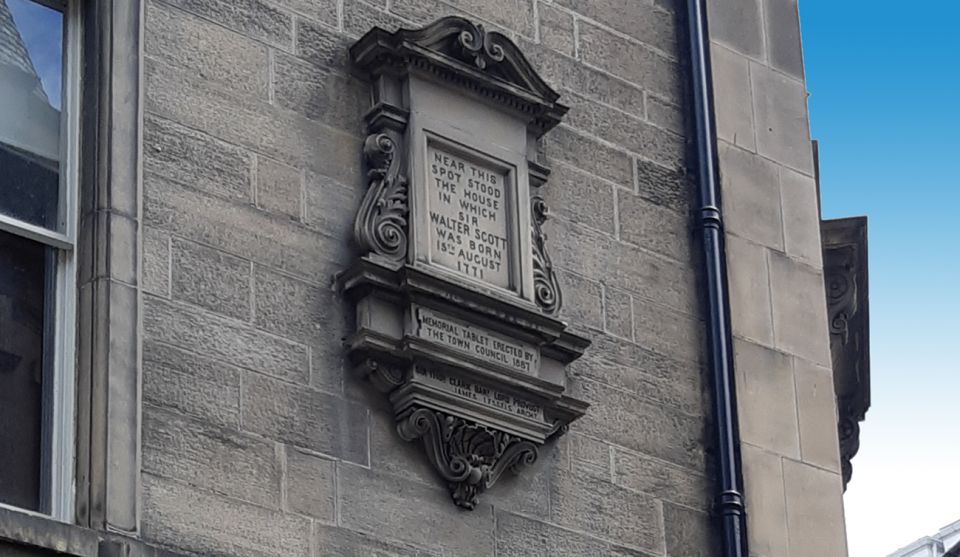
After St Giles, the route keeps moving through Edinburgh’s Old Town, using statues and landmarks as story markers. The guide doesn’t just point at stone and deliver a lecture. The emphasis is on the personalities of the Enlightenment figures: what they were like, how they thought, and why their ideas caught on.
That’s what I like about this format. You don’t have to memorize a timeline. You follow the street-level clues and let the guide translate the meaning into human terms. If you tend to enjoy history when it has character, this kind of storytelling usually lands well.
The guides named in recent bookings—Jack and Tommy—are praised for making explanations easy to follow and genuinely interesting. You can expect a lively delivery, with some stories landing on the funny side and others taking a more serious turn.
You’ll also notice the tour is designed to be brain-and-body friendly. The walk is active, but the presentation is not trying to be academic. It touches big themes—then gives you enough context to connect them.
Culloden and the Enlightenment: why a brutal battle fits this story
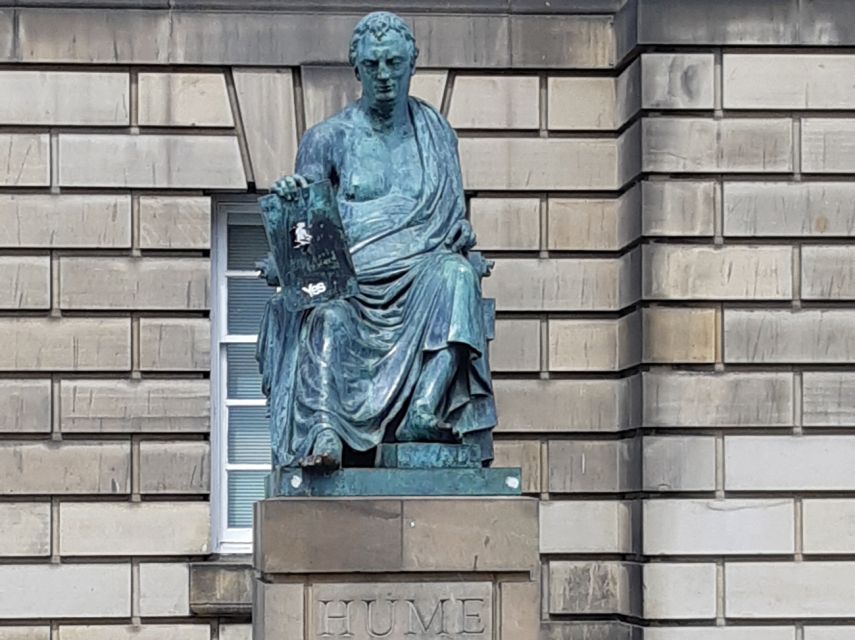
One of the tour’s standout sections connects Edinburgh’s intellectual flowering to Scotland’s darker political reality. The guide works through the context of Culloden using hard numbers: 1600 men died in the battle, with about 1500 Jacobites and 100 fighting for the Duke of Cumberland. On the Jacobite side, roughly half were Scottish clansmen, while the rest were mostly Irish, Welsh, and French.
That matters because it forces a question the Enlightenment story can’t dodge: what happens when a society’s power struggles spill into everyday lives? The tour treats Culloden as more than a tragic footnote. It frames the battle as a conflict with layered causes—dynasties, religion, identity, and national stakes—without pretending it is a simple good-versus-evil tale.
You also get a sense of why this historical pressure cooker connects to the wider intellectual movement. When a country changes politically, culturally, and economically, the questions scholars ask often shift too. The tour keeps that link in view as it transitions into Enlightenment topics.
You should go in with an open mind here. The battle segment is not light. But it is handled as part of the bigger puzzle, not as random shock value.
What you learn on this walk: philosophy, economics, literature, and more
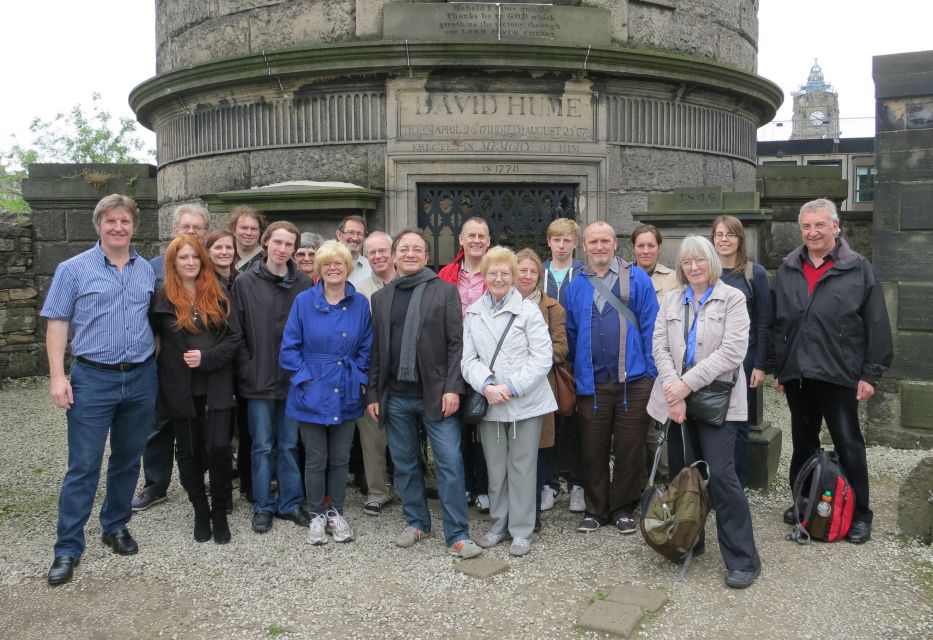
Throughout the route, the guide touches on what Scotland became known for during the Enlightenment period. Expect a clear, accessible run through themes like:
- philosophy
- economics
- literature
- architecture
- education
- medicine
The key is how these topics are handled. Instead of heavy definitions, you get the practical meaning—what people were trying to solve, and how ideas shaped real life. The tour description also signals that the guide touches these subjects lightly, so you should feel informed rather than overloaded.
And there’s a bonus connection that gives the whole walk extra modern relevance: Scotland’s strong links to America. Even without turning the trip into a full American history lesson, the guide’s focus helps you understand why people in Scotland and the United States ended up sharing more than ocean distance. It also adds a fresh angle if you’ve already visited Edinburgh more than once.
If you like big topics, this tour scratches that itch. If you prefer history that feels grounded, the statue-and-street approach keeps it from drifting into theory.
The Calton Hill finish: good views, real stairs, and a smart reset
The tour ends at Calton Hill, at the East End of Princes Street. This is a strong choice for your final stop. By the time you reach the hill, you’ve got enough story context to notice why the area feels like a stage for ideas and institutions.
Just be ready for the physical part. The tour involves walking fairly quickly and then “eventually” climbing Calton Hill. If your fitness is low, you’ll likely feel it. If your legs are in decent shape, the climb often feels like a reasonable trade for the payoff.
Also plan around weather. Calton Hill can be exposed, and rain or heavy wind has been part of the experience for at least one past booking. Bring outdoor clothing and consider a waterproof coat if the forecast looks iffy. Good walking shoes are not optional here.
A practical note that helps: toilet facilities are available halfway and at the end. If you’re the type who runs on tea or coffee, go easy before you start.



Price and value: what $33 buys you in 2.5 hours
At $33 per person for about 2.5 hours, this is priced like a focused walking tour rather than a half-day museum session. You’re paying for a live guide to connect multiple sights into one coherent narrative—plus the fact that the whole tour is built around real outdoor landmarks in Edinburgh.
That matters because the storytelling is the product. You’re not just moving through the Old Town; you’re making sense of why those stones and statues are there in the first place.
It also includes some helpful language support on request: translated sheets are available in French, German, Italian, and Spanish, if you give advance notice. The tour itself is guided in English, so these sheets are there as a support tool rather than a separate translation service.
One more value angle: the end point is in an area that makes it easy to keep exploring. After the tour, you are free to wander from Calton Hill onward. That turns your “tour time” into “tour time plus extra personal time,” which is how you get more out of a short stay.
Who should book this Scottish Enlightenment walk
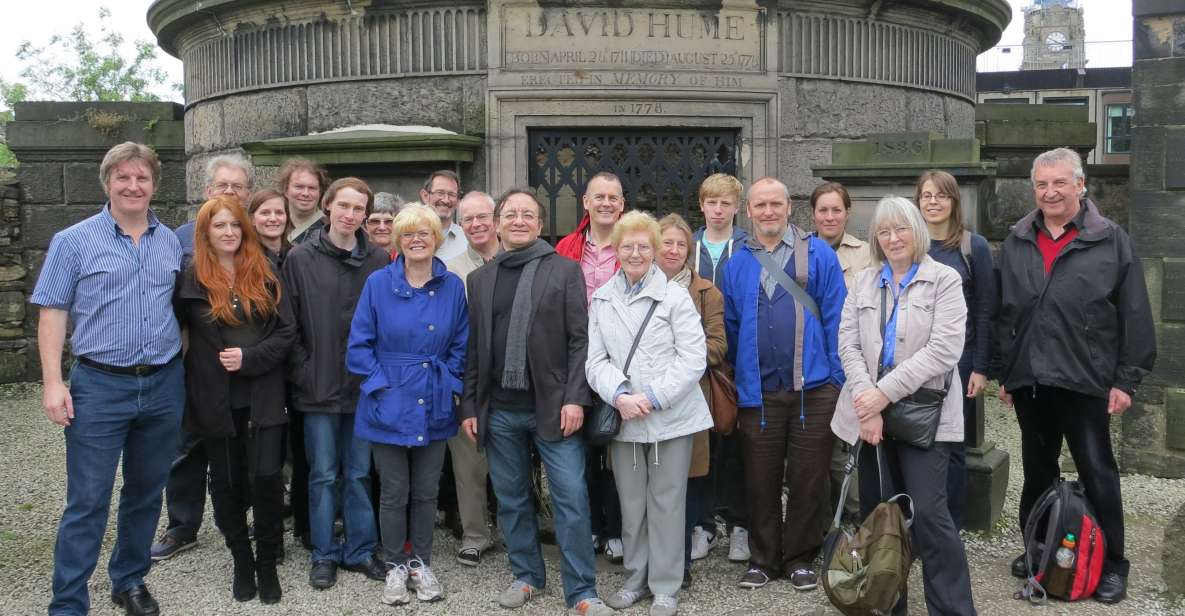
This tour fits best if you want history that’s explained with personality. You’ll likely enjoy it if you like walking tours but also want the guide to translate ideas—politics, economics, and philosophy—into something you can follow on foot.
It’s also a good option if you’ve been to Edinburgh before and you’d like to see familiar areas in a new way. One past booking noted that even in Edinburgh many times, the tour revealed parts of the city they hadn’t really noticed and made the connections clearer for a future visit.
Who should consider skipping it:
- Children under 10
- People with respiratory issues
- People with low level of fitness
- People with high blood pressure
- People over 80 (and the listing adds more limits for older ages)
- Hearing-impaired visitors
If you’re unsure, think honestly about the pace and the Calton Hill climb. This is not a slow stroll.
Should you book this Edinburgh Royal Mile Enlightenment tour?
Book it if you want a sharp, street-level way to understand how Scotland became an intellectual force—without drowning in academic detail. The mix of Old Town sights, guided personality-driven storytelling, the Culloden context, and the American connections gives you more than the usual “statue facts.”
Skip or re-think it if you can’t comfortably handle a quicker walking pace and a hill at the end. In that case, the effort may outweigh the payoff.
If you’re looking for a two-and-a-half-hour experience that makes Edinburgh feel connected—politics to ideas, battle to scholarship, stones to stories—this one is a strong bet.
FAQ
Where does the tour start?
Meet in front of the entrance to St Giles Cathedral, on West Parliament Square.
How long is the walk?
The tour lasts 2.5 hours.
Is the tour guided in English?
Yes, there is a live English tour guide.
Are there translated materials?
Translated sheets are available in French, German, Italian, and Spanish if required, but advance notice is needed.
Are there toilet stops during the tour?
Yes. Toilet facilities are available half way through and at the end.
Is it suitable for young children?
No. The tour is not suitable for children under 10.