
REVIEW · EDINBURGH
From Edinburgh: 6-Day Shetland & Nothernmost Explorer
Book on GetYourGuide →Operated by Chien-Yuen Ltd · Bookable on GetYourGuide
Puffins and fortresses in one trip. This 6-day Shetland and northernmost explorer run connects you to Viking Unst, cliff coasts, and that big feeling of being on the edge of the UK. I love the hands-on wildlife time—like seeing puffins up close and meeting Shetland ponies—and I also like the way the schedule mixes Neolithic sites with places tied to Norse history. One thing to consider: the days include long drives and a lot of time outdoors, so you’ll want real hiking shoes and a jacket you trust.
By day, you’re bouncing between island capitals, lighthouse points, and dramatic cliff viewpoints, then ending with Dunnottar Castle and the golf-and-spiritual hub of St Andrews. The standout for me is how the route is paced around the real Shetland variable: weather, with your guide adjusting what you do so you still get the key stops. If you’re expecting fully guided indoor museum time every hour, this isn’t that kind of trip.
In This Review
- Key highlights that make this Shetland trip worth it
- Why Shetland feels like the UK’s real edge
- From Edinburgh to Aberdeen to the ship: the logistics that matter
- Day 2 in Lerwick: knitting culture, deep time, and seals
- St Ninian’s Ayre and the Eshaness cliffs: when the coast sets the pace
- Unst and the northernmost point: Muckle Flugga, puffins, and Viking longhouses
- Minn Beach to Kettla Ness: ponies you can pet and wildlife that keeps moving
- Dunnottar Castle and St Andrews: finish with two famous names
- Price and value: what your $67 actually buys
- What to pack (and what rules to plan around)
- The guide factor: why Hugh’s approach changes the experience
- Who should book this Shetland & northernmost trip
- Should you book the 6-Day Shetland & Northernmost Explorer?
- FAQ
- How long is the Shetland & Northernmost Explorer tour?
- Where does the tour start?
- Is transport included?
- Are meals included?
- Is accommodation included with breakfast?
- What language will the guide speak?
- Who is this tour not suitable for?
- Is there an attraction ticket cost?
Key highlights that make this Shetland trip worth it
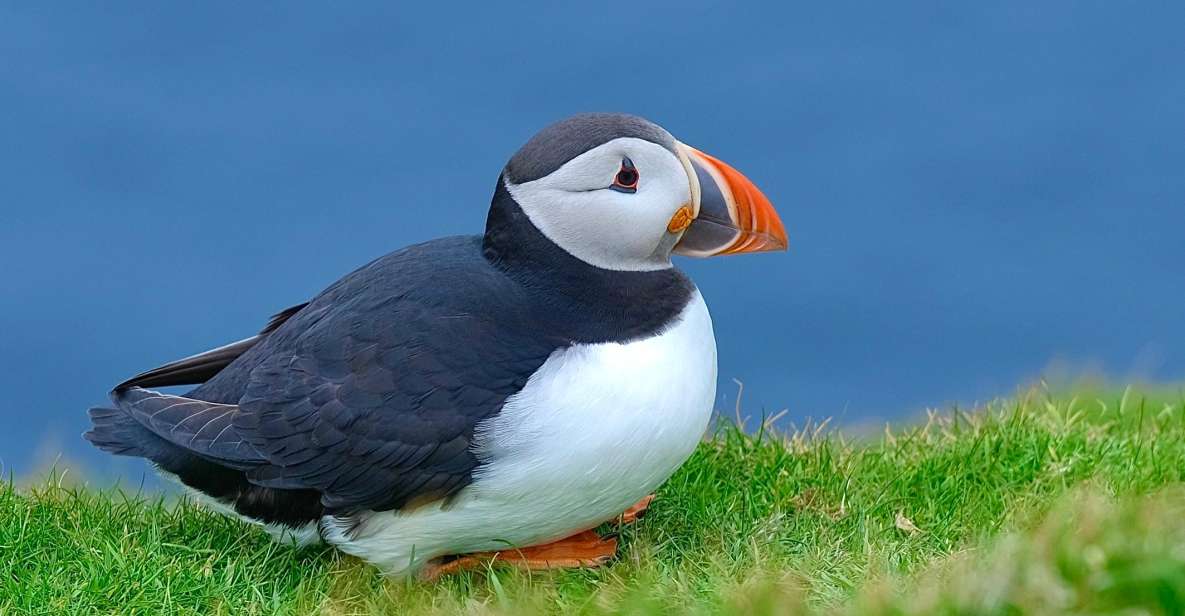
- Puffins with real closeness during the April–July window, plus seabird colonies at the northern tip
- Unst’s Viking evidence, including longhouse remains tied to Norse occupation
- Shetland ponies you can pet, paired with headland wildlife sightings
- Lerwick in one day, mixing knitting culture, a New Stone Age settlement, and seal time at the beach
- Muckle Flugga Lighthouse area on Hermaness peninsula, with the northern edge-of-UK feeling
- Dunnottar Castle + St Andrews as a strong final finish to the whole loop
Why Shetland feels like the UK’s real edge
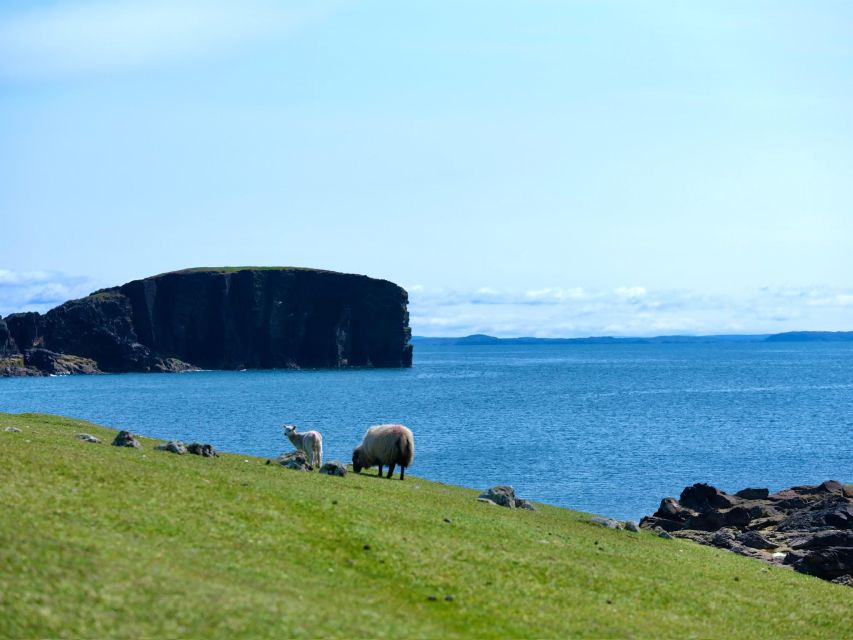
Shetland isn’t trying to be anything. It’s windy. It’s raw. It’s coastal. And that’s the point. You’re trading the usual “one city, one museum, one big monument” pace for days where the coast does the talking—cliffs, sea stacks, lighthouse outposts, and wildlife working the shoreline.
What I like most is that the trip doesn’t just show you scenery. It ties places to human stories. You’ll see evidence going back to the New Stone Age settlement near Lerwick, then jump forward into Viking Unst with longhouses uncovered through the Viking Unst archaeological work. If you like travel that connects the dots, Shetland rewards you.
The wildlife angle is also practical, not just a marketing bullet. You’re timed for the places where seabirds concentrate, and you get enough time outside to actually notice the details—like seals hanging around Lerwick Beach and the seabird rookeries in the northern area.
You can also read our reviews of more tours and experiences in Edinburgh


From Edinburgh to Aberdeen to the ship: the logistics that matter
The trip starts in Edinburgh, with a day-one drive-by that gives you context fast. You’ll see the Forth Bridge (UNESCO World Heritage Site, built 1889) and catch a glimpse of Arbroath Abbey, tied to the Scottish independence era referenced in the Declaration of Arbroath from 1320.
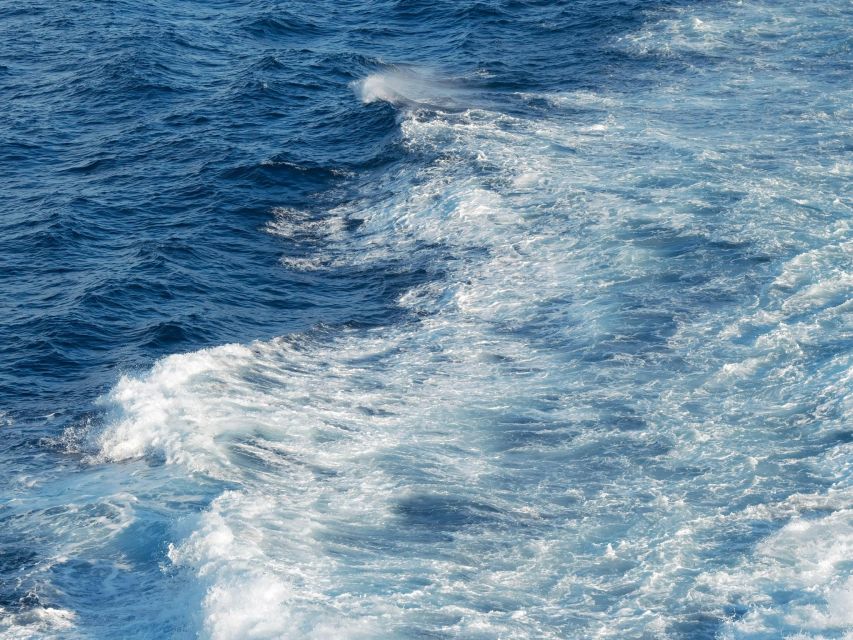
Then you’re set for the water part of the equation: you arrive at the port of Aberdeen and board a cruise ship heading to the Shetland Islands, with arrival the next morning. This matters because it turns “getting there” into part of the experience instead of a separate slog.
You’ll travel in modern, air-conditioned 5–9 seaters (size depends on the group). The group stays small—limited to 8 people—which helps if you want time to ask questions and get photos without a big crowd energy.
One more practical note: you’re picking up from your address, and the plan is built to minimize backtracking. After booking, give your pickup details promptly so the route can be built efficiently.
Day 2 in Lerwick: knitting culture, deep time, and seals
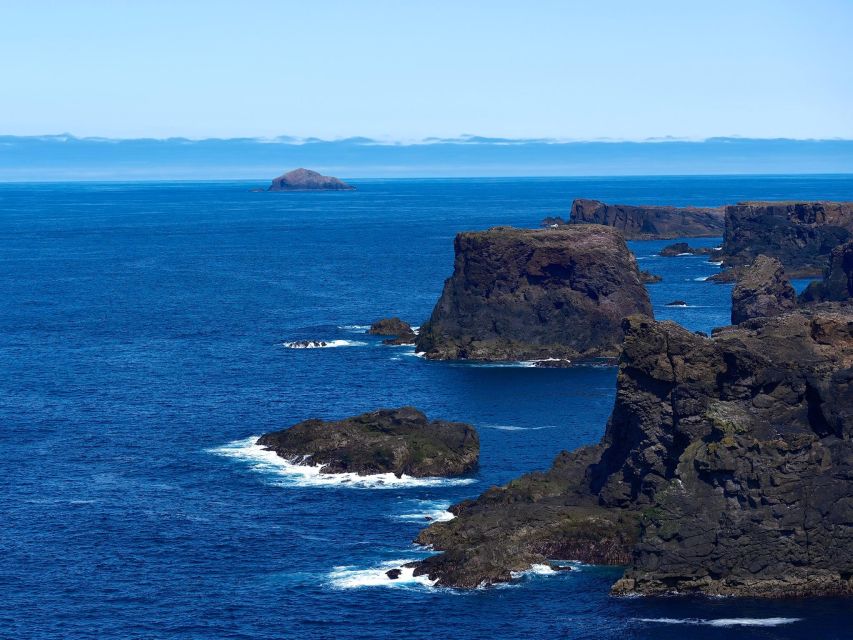
Most people think of Shetland as cliffs and seabirds. Lerwick helps you understand the human side. On day two, you start in the island’s capital, where you’ll get a feel for the local culture and the famous Shetland knitting tradition.
Then it gets time-travel serious. You’ll visit a New Stone Age settlement site associated with roughly 40,000 years of history. Even if you don’t read every sign, it changes how you look at the shore. It’s not “pretty coast.” It’s a lived-in place across ages.
Two lighthouse/camera moments follow. You’ll head to Sumburgh Lighthouse, built in 1821 by Robert Stevenson. (It’s described as the oldest lighthouse in Shetland, so it’s a strong “start point” to understand the region’s maritime history.)
And you end the day with something simple and honest: Lerwick Beach with seals. This kind of stop is valuable because you don’t have to “tour” it. You just watch and react as the shore activity changes.
St Ninian’s Ayre and the Eshaness cliffs: when the coast sets the pace
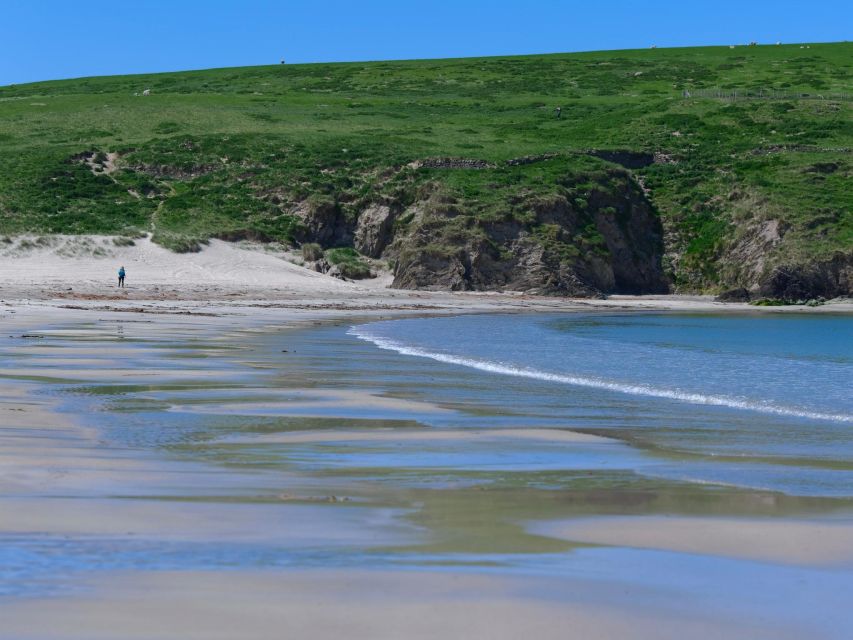
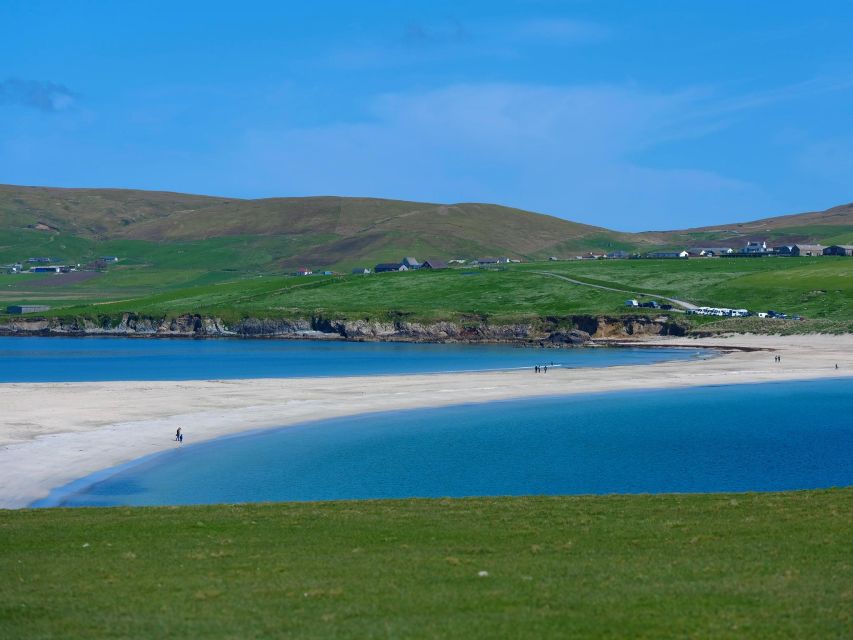
Day three is all about coastline texture. You’ll visit St Ninian’s Ayre Beach, known for its shell sand and that clean, open feel where sea and shore do the framing. It’s the kind of place where you can slow down. You’ll get the sense that Shetland’s history isn’t just in buildings—it’s in the shape of the ground and the way people gathered along the water.
Then you continue along Eshaness, described here as a 1,697-mile coastline stretch (so yes, it’s basically a “coast-drive” day). The goal isn’t to “cover distance.” The goal is to see the cliffs as living coastal engineering: waves hitting old rocks, wind carving the edges, and views that make you check your footing because the drop-offs are real.
Potential drawback: if you dislike long time outside, this is the day you’ll feel it. Bring a jacket you can layer, and wear shoes with grip. Shetland doesn’t do “easy walking” much on cliff edges.
Unst and the northernmost point: Muckle Flugga, puffins, and Viking longhouses
Day four is the showstopper for many people. This is the run to the true northernmost point of the UK, centered around the Muckle Flugga Lighthouse area on the northern edge of Unst’s Hermaness peninsula.
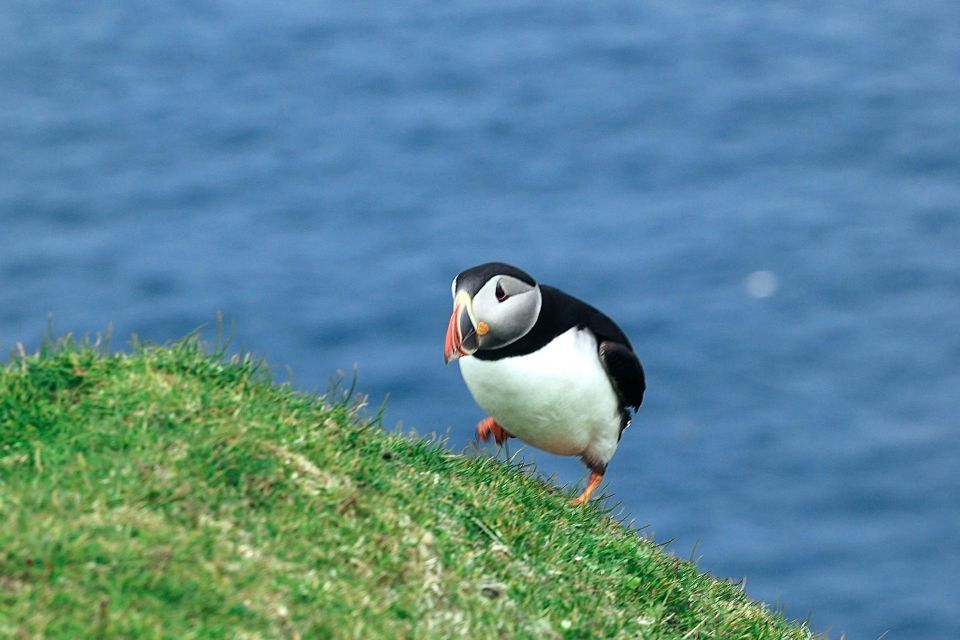
This part of the trip is why timing matters. Puffins are best seen from April to July, and your odds improve because you’re heading to the right kind of cliff habitat during the season when they’re active. When puffins are around, you’ll usually feel it before you even spot them—seabird movement and the sense of a colony working the space.
Unst adds a second layer: the story of people. Unst is described as the northernmost inhabited island in the British Isles, and the trip includes evidence of Viking raiders and Norse occupation. The Viking Unst archaeological project unearthed three Viking longhouses, which is the rare case where you’re not just hearing legends—you’re looking at the physical traces behind the legends.
There’s also a more emotional, human moment tied to place: the loneliest and last bus stop, explained through a story of a father’s love for his daughter. It’s not about buses. It’s about how remote communities create symbols that keep relationships alive.
If you’re photo-focused, this day is worth it even with wind in your eyes. Just plan for it. Puffins, cliffs, and seabirds don’t wait, but you also don’t need to sprint. Walk, pause, adjust, and you’ll get the better shots.






Minn Beach to Kettla Ness: ponies you can pet and wildlife that keeps moving
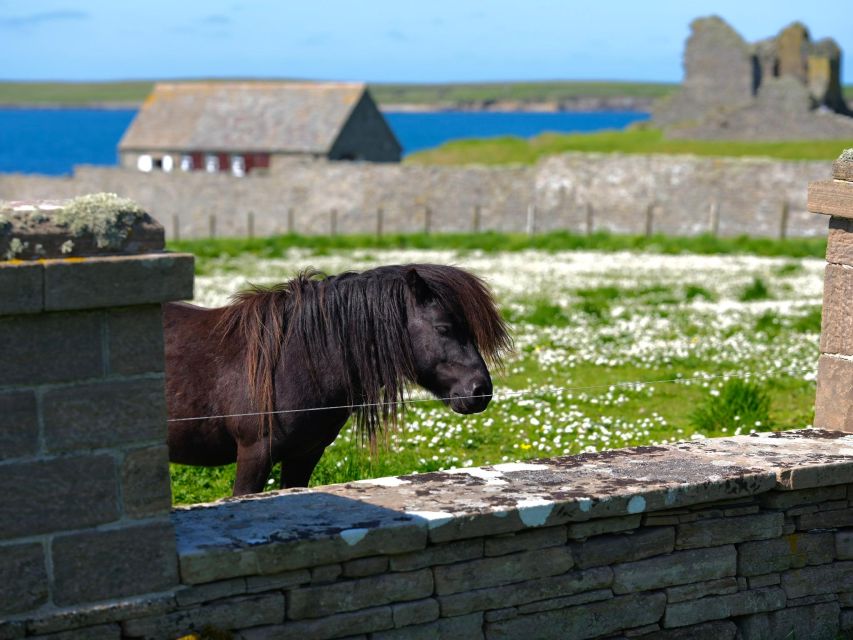
Day five gives you a different rhythm. Instead of only cliffs and lighthouses, you get something gentler: Shetland ponies you can pet. These ponies have roamed exposed hills for over 4,000 years, and the longer you look, the more you understand how they fit the place—hardy bodies built for weather you can’t argue with.
You’ll also stroll from Minn Beach toward Kettla Ness, a wild headland where wildlife tends to show up: seals, plus seabirds like Arctic skuas and Arctic terns.
This is another reason the trip works well: it keeps changing what you’re looking for. If you had just lighthouse day after lighthouse day, your brain would fatigue. Here, you get animal interaction, then you pivot back to birds and sea.
Another practical detail: you’ll cruise back toward Aberdeen around this point, and that water time helps break the schedule before the big final stop.
Dunnottar Castle and St Andrews: finish with two famous names
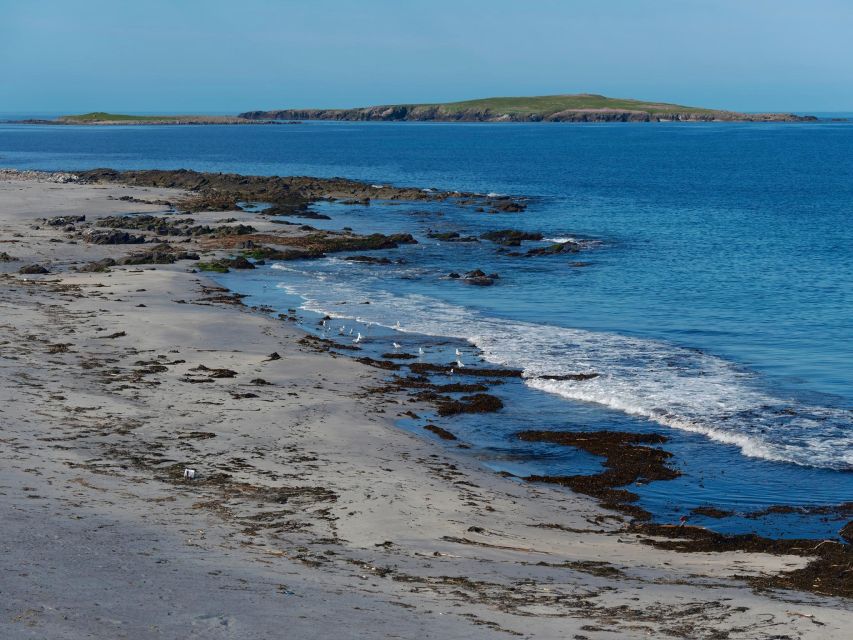
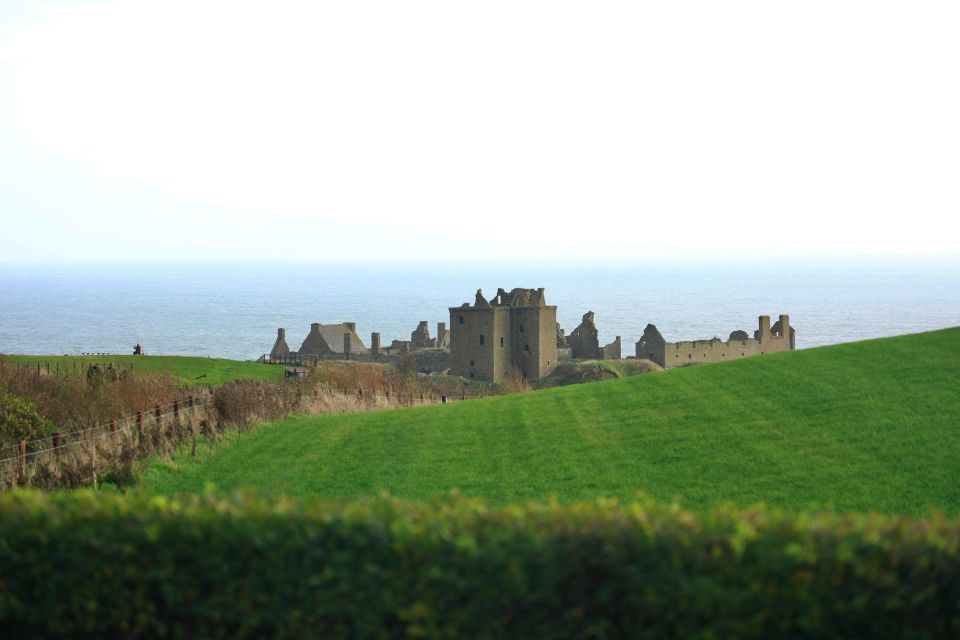
Day six is a powerful closing combo. You disembark and head to Dunnottar Castle, a 14th-century fortress perched dramatically on rugged cliffs overlooking the coast. This is the kind of site that makes you feel the strategic logic immediately. High ground. Coastal visibility. Hard access. Even if you only see part of the castle’s story in your timing, the setting does most of the persuasion.
After that, the trip ends with St Andrews—described as the birthplace of world golf and also a spiritual center of Scotland. That blend is part of what makes St Andrews different from generic “coastal town.” It’s a place where sport culture and older traditions overlap.
You’ll then return to Edinburgh at the end of the trip.
Price and value: what your $67 actually buys
The price shown is $67 per person, and for this kind of route (overnight water travel plus a small-group guide and local transport), the value case is mostly about what’s not trying to nickel-and-dime you.
Here’s what you should expect based on what’s included:
- Transportation in modern, air-conditioned vans
- Driver/guide
- Ferry tickets and a ferry cabin (with 4 inside berth cabins over 2 nights)
- Accommodation with breakfast for 4 nights only if you select that option
What’s not included:
- Food and drinks
- Attraction tickets (not much: noted as £6 only one place needed, and it’s also described as a place where you often won’t find many people)
How I’d budget it in real life: plan on paying for most meals yourself and bring some snacks for long drive windows. The trip’s success depends on how comfortable you are between stops, and hunger turns “beautiful cliff walk” into “why am I doing this.”
If you’re traveling in peak puffin season (April–July), you’re paying not just for transport but for the timing that increases wildlife chances. That’s a real value lever here.
What to pack (and what rules to plan around)
Shetland is outdoors-first. Bring the basics seriously:
- Comfortable shoes and hiking shoes
- Jacket and outdoor clothing
- Hiking pants and layers you can adjust
You’ll also want:
- A credit card (useful since food/drinks and that small attraction cost won’t be covered)
And the trip has clear limits. It’s not suitable for children under 7 and not for wheelchair users. Pets aren’t allowed, and there’s no smoking or vaping in the vehicle, plus a long list of items that aren’t permitted. The practical takeaway: treat this like an outdoor guided outing with straightforward boundaries.
One more tip tied directly to how the guide runs days: bring weather flexibility in your head. The schedule is adjusted to fit conditions, and that works because you show up ready to walk when the window opens.
The guide factor: why Hugh’s approach changes the experience
Your guide is Hugh (English and Chinese supported). The biggest difference you’ll feel isn’t just facts. It’s pacing and attitude.
Hugh is described as flexible with timing based on the weather, which matters a lot on islands where conditions can shift. You also get a calm-driving style when the route requires longer stretches—small things that keep you fresh for the next viewpoint.
And since the group is capped at 8, you typically get more attention per person than on big tours. That makes it easier to ask about what to watch for—wildlife behavior, what angles are best for cliff views, and how to manage the day without feeling rushed.
Who should book this Shetland & northernmost trip
This trip is a strong match if you:
- Love wildlife sightings and want more than “we drove past a bird”
- Enjoy history that’s connected to place (Neolithic sites, Norse longhouses, old lighthouses)
- Want a small-group vibe with a guide you can actually talk to
You might think twice if you:
- Hate long drives or long outdoor periods
- Need wheelchair access (not suitable here)
- Are traveling with kids under 7
It also works well as a “Scotland with an extra edge” option. You still get Edinburgh and St Andrews, but Shetland gives you the remote feeling that’s hard to manufacture.
Should you book the 6-Day Shetland & Northernmost Explorer?
If your ideal trip includes cliffs, lighthouses, wildlife, and real-time history, I’d book it. The value is strong when you consider the overnight ferry/cabin component, the small group size, and the fact that most of what you’re paying for is the experience itself—places that cost nothing once you’re there (other than that small attraction fee).
Book it especially if you’re traveling April to July and your priority is puffins. The northern route and the timing align with the best puffin season listed for this trip.
Just go in with the right expectations: you’re outdoors a lot, you’ll want good shoes, and you’ll need to handle your own meals. If that sounds like your kind of adventure, you’ll likely love how the days connect—Neolithic, Viking, seabird colonies, then a dramatic castle finish.
FAQ
How long is the Shetland & Northernmost Explorer tour?
It runs for 6 days. The overall time is listed as 10 hours in addition to the 6-day duration, so plan for a long, full itinerary each day.
Where does the tour start?
It starts with pickup and the first day departing from Edinburgh.
Is transport included?
Yes. You get transportation in modern, air-conditioned 5–9 seaters and the trip also includes ferry tickets and a ferry cabin for 2 nights.
Are meals included?
No. Food and drinks are not included, so you’ll be paying for most meals yourself.
Is accommodation included with breakfast?
Accommodation with breakfast is included only if you select that option. Otherwise, only the ferry cabin part is listed as included.
What language will the guide speak?
The live tour guide supports Chinese and English.
Who is this tour not suitable for?
It’s not suitable for children under 7 and not suitable for wheelchair users. Pets are also not allowed (assistance dogs are allowed).
Is there an attraction ticket cost?
An attraction ticket cost is noted as £6 for a single place, and it’s described as a location where you usually won’t find many people there.