REVIEW · EDINBURGH
From Edinburgh: Outer Hebrides & Isle of Skye 6-Day Tour
Book on GetYourGuide →Operated by Rabbie's Small Group Tours · Bookable on GetYourGuide
Lochs, cliffs, and island air in one run. I like this trip because it strings together Lewis and Harris history with Skye’s wow-factor scenery, all with a driver-guide doing the heavy lifting. Two highlights that really land: the Arnol Blackhouse and stone fort stop on Lewis, and the mix of Skye viewpoints plus a possible boat trip to Loch Coruisk.
I also love the pacing of sleeping in the same places for a bit of breathing room—Stornoway one night cluster, then Portree for two nights. One thing to keep in mind: it’s a packed six days, so some stops are quick and you’ll want to plan how you’ll spend your time once the bus drops you off.
In This Review
- Key things I’d plan around before you go
- Day 1: Dunkeld waterfalls, Loch Ness sightings, and Ullapool’s harbor mood
- Day 2: The ferry to Stornoway—Summer Isles, Minch crossings, and sea-life scanning
- Day 3: Arnol Blackhouse and Dun Carloway—real island life and pre-100 AD stones
- Day 4: Harris white sand at Luskentyre and Harris Tweed myths
- Day 5: Quiraing, Kilt Rock, and a possible Loch Coruisk boat trip
- Day 6: Skye Bridge for Eilean Donan, Ben Nevis under clouds, and Glencoe’s emotional valley
- Transport and group size: comfort in a 16-seat Mercedes mini coach
- Where you sleep: en suite B&B rooms, plus the 20–30 minute walk reality
- Price and value: what you get for $1,587, and what you’ll pay separately
- The guide factor: why your experience can feel very different trip-to-trip
- Tips to make the most of a fast, weather-driven route
- Should you book this Outer Hebrides and Skye 6-day tour?
- FAQ
- What is the duration of the trip?
- How many people are in the group?
- What’s included in the tour price?
- Are meals included?
- What does Day 2 include?
- Is Calanais Standing Stones part of the itinerary?
- How much luggage can I bring?
- What time do we return on the final day?
- Are B&B rooms en suite?
- Is this suitable for young children?
Key things I’d plan around before you go
- A small group of 16 means easier listening and less chaos than big buses on tight roads.
- Ferry time to Stornoway (via Loch Broom and the Minch) is built into the itinerary, so the sea view is not just a passing photo.
- Arnol Blackhouse is included, giving you a real-world look at traditional island life.
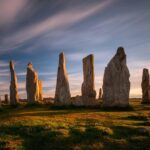
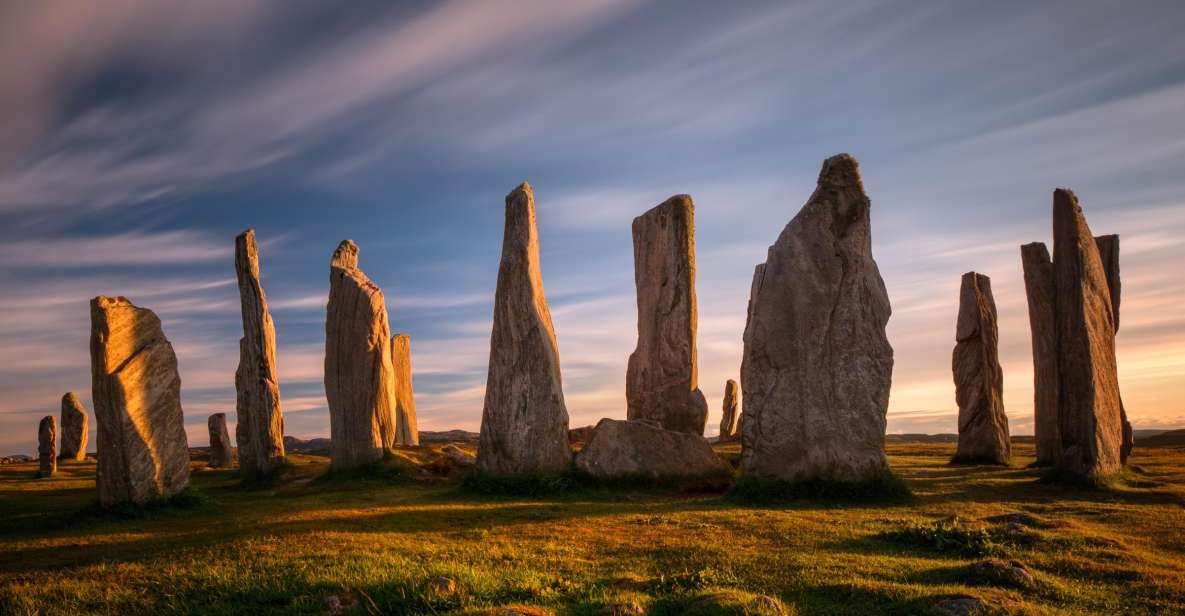
- Calanais is paused until June 8, 2026, so expect extra time on west-island beaches instead.
- Skye day includes choices: Quiraing walking options, Kilt Rock, and a possible Loch Coruisk boat trip.
- B&Bs are en suite but often outside town centers, so short daily walks to dinner are part of the deal.
Day 1: Dunkeld waterfalls, Loch Ness sightings, and Ullapool’s harbor mood
Your trip starts by heading north into the Scottish Highlands with a couple of early nature hits before the big-name places. In Dunkeld, you’ll take a short walk through the forest toward waterfalls. It’s a gentle warm-up, and the timing usually feels right for your first day of travel legs.
Next comes the road through the Grampian Mountains to the Spey Valley for lunch. Then the day shifts into the famous stuff: you’ll see Loch Ness and stop in Inverness. If you’re a Nessie fan, this is the day to look—just remember Loch Ness is best approached with a calm, curious mindset rather than a guarantee of a monster moment.
After that, you’ll visit the waterfalls at Corrieshalloch Gorge before reaching Ullapool for the night. Ullapool is a fishing port with a real working feel, not a staged tourist set. It’s also a good base for the ferry departure the next morning.
Practical thought: Day 1 sets the tone for the whole trip—good coverage, but you won’t linger for long unless the schedule gives you extra minutes.
You can also read our reviews of more tours and experiences in Edinburgh

Day 2: The ferry to Stornoway—Summer Isles, Minch crossings, and sea-life scanning
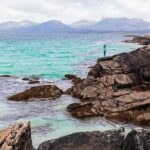
This is one of the most relaxing days to mentally prepare for, because you’re literally on the water for about two hours. You catch the morning ferry along Loch Broom, passing the Summer Isles, then continue out across the Minch to Stornoway on Lewis.
Keep your eyes open for dolphins, whales, and seabirds during the crossing. Even when you don’t spot whales or dolphins, you’ll still get that big-sea perspective that makes the Outer Hebrides feel far away in a good way.
Once you arrive in Stornoway, you head along the north-west coast. The driver-guide brings you through crofting towns and seaside ports, so you’re not just getting scenery—you’re seeing how people live in that geography of sea, wind, and small farms.
You’ll stay in Stornoway for the evening. The town’s known for its black pudding, and this is a fun night to try it without overthinking it—simple food, local roots.
If you get motion sickness easily, consider it. Ferries can be smooth, but the Minch can also be brisk.
Day 3: Arnol Blackhouse and Dun Carloway—real island life and pre-100 AD stones
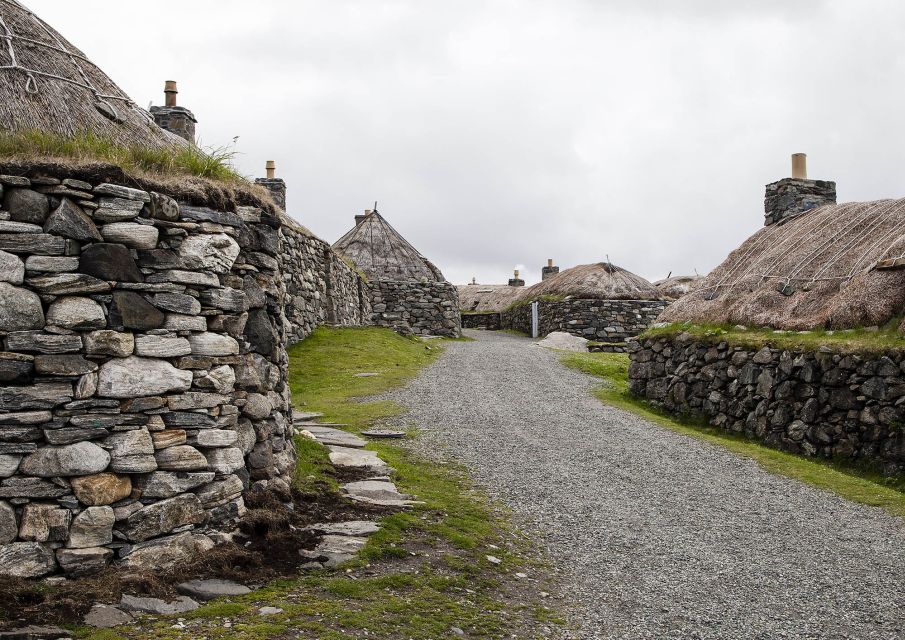
Day 3 is where the trip turns from “wow views” into “wait, that’s old.” You start at Arnol Blackhouse, which is included. This stop matters because it helps you picture what life looked like before modern electricity, with traditional farming patterns tied closely to shelter and weather.
After Arnol, you visit Dun Carloway, an ancient stone fort dating to before 100 AD. It’s the kind of place where the stones don’t just look historical—they make you think about how people used the terrain, defended themselves, and stayed put in a tough environment.
Then it’s back to the west of Lewis: beaches and mountains in the same day. It’s not a museum day; it’s an outdoors day, with time to absorb that wide-open feeling and take photos that actually look like the Hebrides.
You return to Stornoway late afternoon. That works well here, because you can recharge and still have a night in town instead of racing to a new base.
Small pacing note: this day is dense with stops. I’d keep your shoes ready even if you think you’ll only do light walks.
Day 4: Harris white sand at Luskentyre and Harris Tweed myths
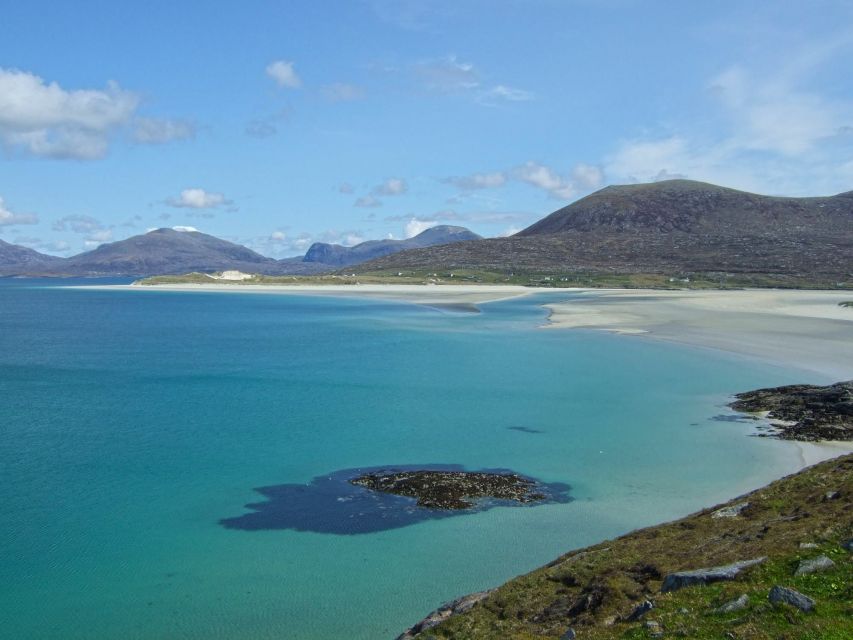
Harris is dramatic in its own way, with some of the highest mountains in the Outer Hebrides. The day’s early focus is on one of Britain’s most beautiful white-sandy beaches: Luskentyre. If you like long walks, open skies, and that pale sand-and-rock contrast, you’ll get what you came for.
This is also Harris Tweed country. You’ll hear myths that are as strange as they are poignant, and that blend of practical living and storytelling is a big part of island culture. You don’t need to memorize folklore. Just notice how people talk about land, sea, and survival.
Lunch happens after your morning exploring. Depending on the weather, you may even have a picnic on the beach—so yes, sunglasses and basic sun protection matter, even if the air feels chilly.
Then you take a ferry over to Portree, Skye’s largest town, and stay there for two nights. Portree is a smart move for the trip: it’s central enough to make Skye sights workable, and it’s lively enough that you can find a decent meal without planning your entire evening around it.
Day 5: Quiraing, Kilt Rock, and a possible Loch Coruisk boat trip
This day is built around the idea that Skye’s best views come from making choices. Your driver-guide sets you up for a full day, and you’ll likely have a mix of viewpoints and walks.
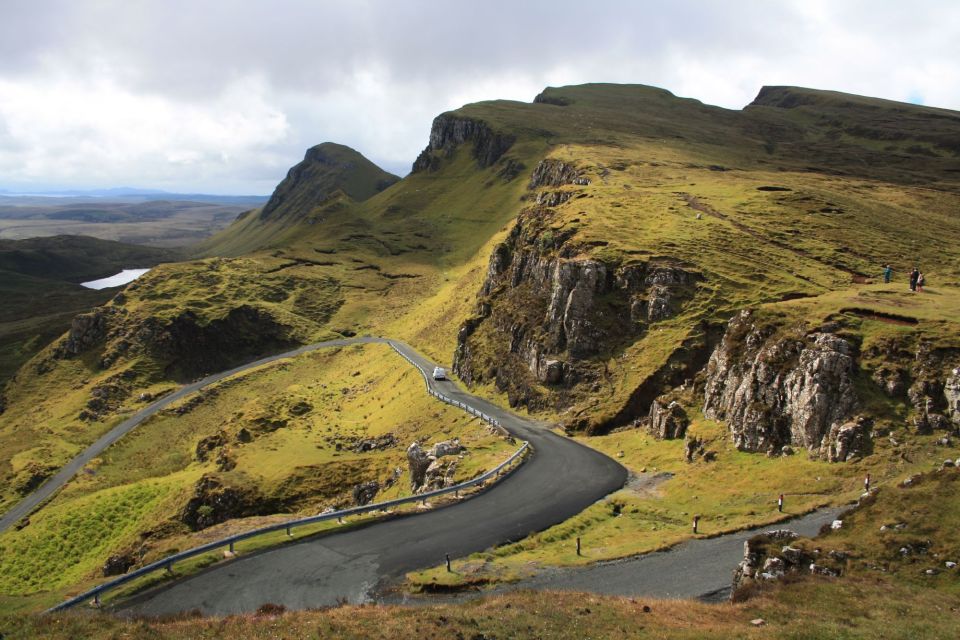
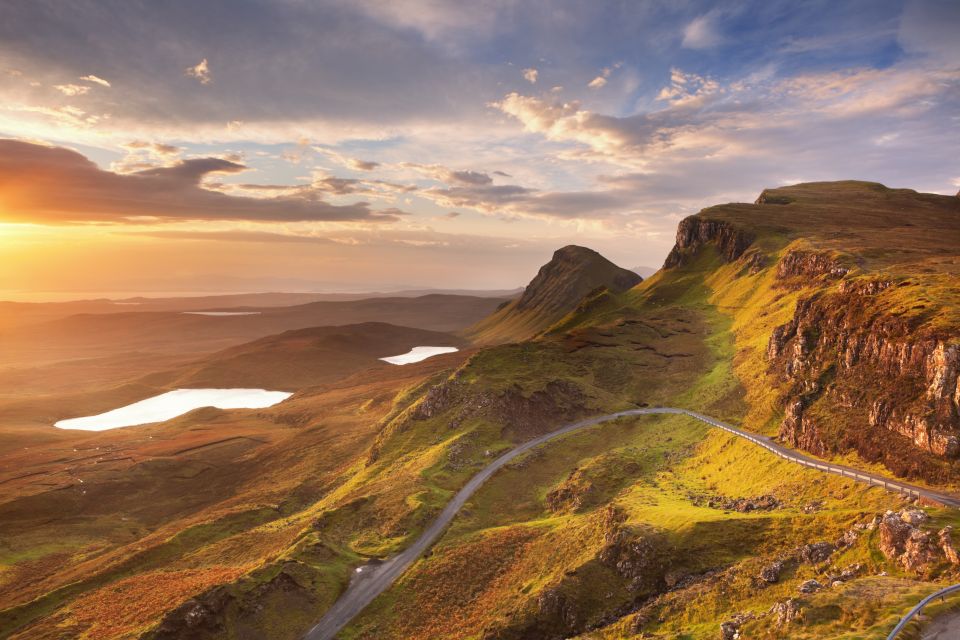
One of the standout areas you may visit is the Quiraing mountain pass, with a spectacular walking option. Even if you don’t go far, the views are the point. If you do walk, go slow at first—the ground can feel firm but uneven, and Skye wind has a way of making you forget to check your footing.
You might also stop at Kilt Rock, where you can see a gigantic waterfall. It’s an easy photo target because the cliff shape is so striking, and the water brings motion to all that rock and sky.
Then there’s a more off-the-radar option: a boat trip to Loch Coruisk, which is described as lesser-known. If that weather and timing works, it’s a great way to add “Skye from the water” instead of only doing tops-and-cliffs.
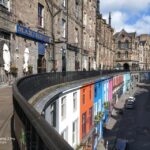
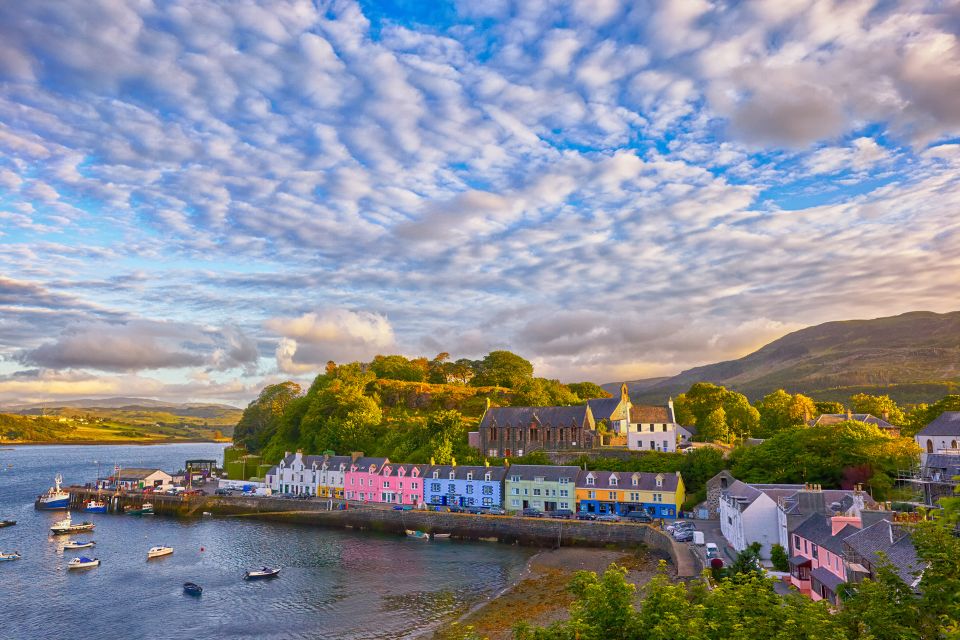
You finish with your final evening in Portree. This is where you can go a little “local seafood” without needing a formal plan. The town gives you that harbor-photo backdrop before dinner, and you’ll likely see the classic colorful harbourfront view again and again as you wander.
Quick realism: Skye in one day can feel like sprinting if you’re the type who needs long, quiet time at viewpoints. If that’s you, be intentional. Pick a couple stops you care most about and let the rest be bonus.
Day 6: Skye Bridge for Eilean Donan, Ben Nevis under clouds, and Glencoe’s emotional valley
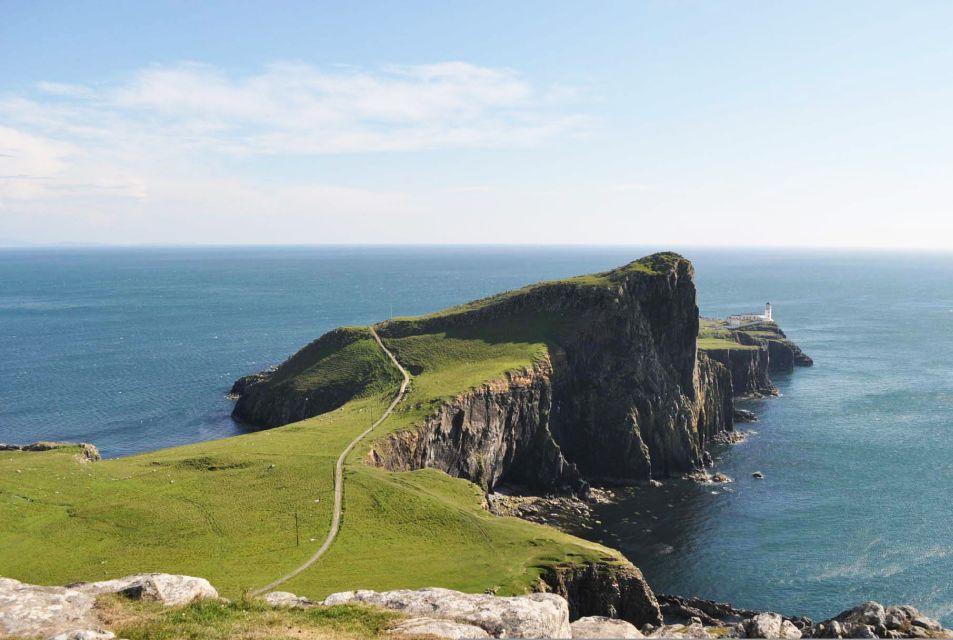
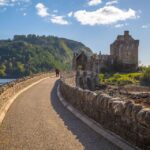
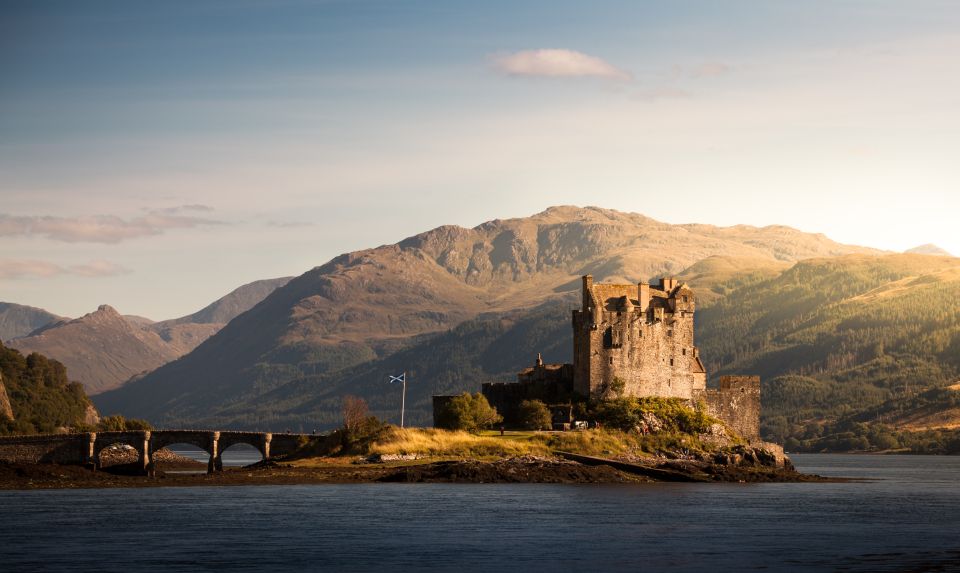
On the way back, you still get big, iconic stops, which is why this tour doesn’t feel like a one-way “get there and hope for the best.” You cross the Skye Bridge for a glimpse of Eilean Donan Castle. Even seen from the road, it’s one of those places that immediately looks like a Scotland postcard—because it earned it.
Next you travel under Ben Nevis, Britain’s tallest mountain, often shrouded in clouds. This is a good reminder that weather in the Highlands can write the day for you. If it’s cloudy, don’t fight it—watch how the light changes the rock faces.
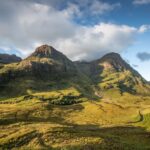
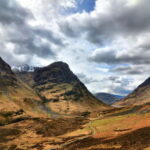
Then you pass through the emotional valley of Glencoe, tied to a tragic massacre in Scottish history. This stop deserves a quieter tone. Even if you only view it briefly from the road, it adds weight to the journey beyond scenery.
As the terrain flattens, you head into the Lowlands and arrive back in Edinburgh in the early evening, with return around 19:00.
Transport and group size: comfort in a 16-seat Mercedes mini coach
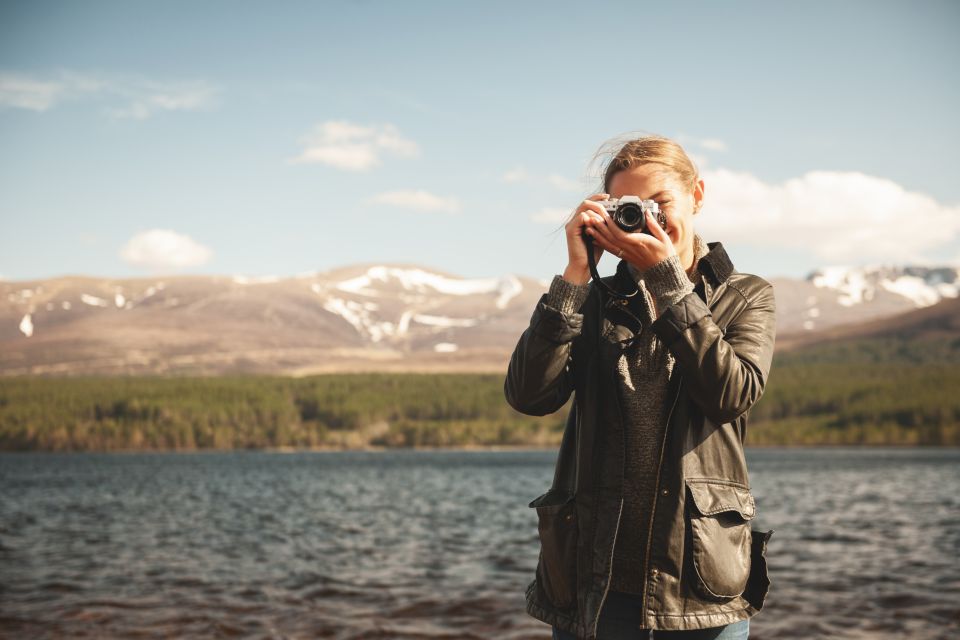
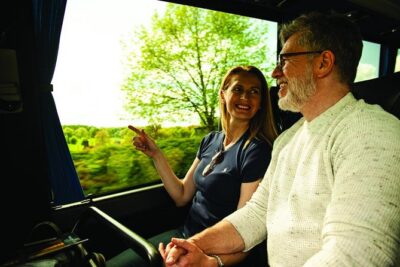
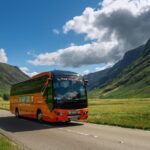
You travel in a 16-seat Mercedes mini coach with a driver-guide. That size matters. With fewer people, it’s easier to hear directions, and the bus often feels less like a rolling cattle car on narrow roads.
It’s still a coach, so your comfort comes from how you pack. Bring layers, because Highlands weather can flip fast. Keep something easy to reach for ferry days too.
Also, bathroom stops are frequent. Some people love the calm rhythm; some find it a lot. Either way, assume you’ll have periodic pauses, and don’t plan a long walk right after a stop unless you know your rejoin time.
Where you sleep: en suite B&B rooms, plus the 20–30 minute walk reality
You get five nights of bed and breakfast accommodation in small, locally owned guesthouses and B&Bs. Rooms are en suite, which is a real plus on a multi-day trip. The catch: B&Bs are often on the outskirts of towns, so you may walk about 20–30 minutes to reach pubs and restaurants.
If stairs are an issue, flag it early. Lifts aren’t available in these types of properties, and it can matter a lot when you’re tired.
The overall vibe is clean and basic. You’re paying for access to the route and time with the guide, not for hotel-luxury amenities.
Price and value: what you get for $1,587, and what you’ll pay separately
At $1,587 per person for 6 days, this tour is built around two big forms of value: transportation and guided route access. Your price covers tour transport in the mini coach, the driver-guide, five nights of B&B, and admission to Arnol Blackhouse. It also includes most of the major planned stops and the ferries that connect the islands to the schedule.
Meals are not included, nor are visitor attractions beyond the Arnol Blackhouse admission. That means breakfast is handled by the B&B, but lunch and dinner are on you. Factor that into your budget, especially since island dining can add up if you eat everywhere like it’s a special occasion.
When the guide is working well, the value feels clearer. A guide like Mark, for example, has been described as very helpful and looking after the group. Another departure featured a local islander named Iain who shared lots of intelligent information. On a trip like this, those explanations are what turn fast stops into moments you remember.
If you prefer a lot of hands-on guidance when the bus stops—where to walk, what to focus on, how to return—know that the schedule is tight and drop-off time can feel short. In that case, I recommend you ask the driver-guide right as you arrive: Where’s the best route for this stop, and what time do we absolutely need to be back?
The guide factor: why your experience can feel very different trip-to-trip
This is the heart of small-group tours. The driver-guide is with you daily, so personality and pacing matter.
You might get a guide who keeps things flowing with entertaining commentary and even a music playlist on the bus, which helps the long stretches feel less like sitting. You might also get a departure where the guidance once you’re off the bus feels light, with short windows to explore. That can lead to missed sights if you’re unsure what you’re looking for.
So here’s how you make it work: at every stop, do two things fast. First, confirm the meeting point and rejoin time. Second, ask one targeted question about what not to miss. That one question saves you from the most common problem on packed itineraries: walking to the wrong view or just not noticing the thing that’s actually the point.
Tips to make the most of a fast, weather-driven route
Pack for change. Bring comfortable shoes and clothes you can layer. Even on days that sound sunny, Skye and the Hebrides can shift from bright to misty in minutes.
For beach days like Luskentyre, sunglasses are not optional. For ferry crossings and cliff walks, bring a windproof layer and expect the air to feel colder than you think.
Also keep your luggage simple. You’re restricted to 20 kilograms per person (one main piece plus a small personal bag). Stiff rolling suitcases can be a hassle in uneven spots, so try something you can handle quickly when you’re moving between accommodations.
Finally, build a photo strategy. With so many stops, you’ll get better results if you decide in advance what you want: one “wide view” shot at each major viewpoint, and fewer but more intentional close-ups.
Should you book this Outer Hebrides and Skye 6-day tour?
I’d book it if you want a guided route that hits the highlights of Lewis, Harris, and Skye without you coordinating ferries, driving, and day-by-day logistics. It’s also a strong choice if you like learning while you travel, since your Arnol Blackhouse visit and the daily explanations help the trip click.
I’d think twice if you hate tight schedules or need lots of time to wander at each stop. If you’re the type who wants slow, quiet exploration, this itinerary can feel rushed in bursts.
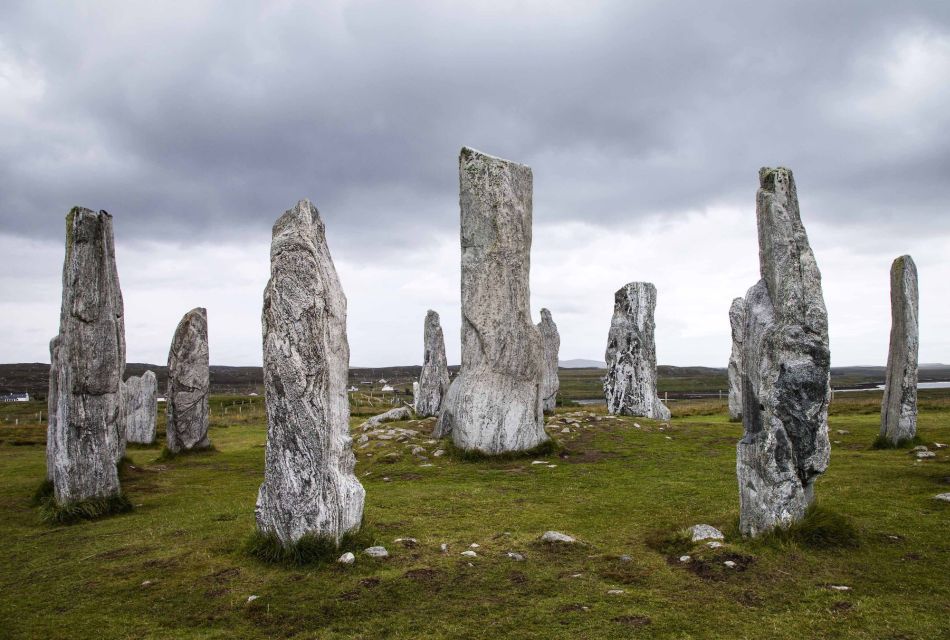
One more decision point: Calanais Standing Stones won’t be visited until June 8, 2026 due to preservation work. If those stones are a must-see for you, plan around that. If you’re flexible, the tradeoff is extra time exploring west-island beaches instead, which can be just as satisfying if you love coastal walking and open skies.
FAQ
What is the duration of the trip?
It runs for 6 days, departing from Edinburgh and returning with arrival back in the early evening on Day 6 (around 19:00).
How many people are in the group?
It’s a small group limited to 16 participants.
What’s included in the tour price?
Transport in a 16-seat Mercedes mini coach, a driver/guide, bed and breakfast accommodation for 5 nights, and admission to Arnol Blackhouse.
Are meals included?
No. Meals and refreshments are not included. Breakfast is provided by your B&B.
What does Day 2 include?
A morning ferry sailing about 2 hours from Loch Broom (past the Summer Isles) out across the Minch to Stornoway. You then travel around Lewis and Harris and stay in Stornoway for the evening.
Is Calanais Standing Stones part of the itinerary?
Not until June 8, 2026, due to preservation redevelopment. Until then, the tour will spend extra time exploring west beaches instead.
How much luggage can I bring?
You’re restricted to 20 kilograms (44 lbs) per person, including one main piece like an airline carry-on plus a small personal bag.
What time do we return on the final day?
On Day 6, you’ll return at approximately 19:00.
Are B&B rooms en suite?
Yes. Accommodation is in small, locally owned guesthouses and B&Bs, and rooms are en suite.
Is this suitable for young children?
It doesn’t carry children under age 5. Children under 18 need to be accompanied by an adult.